1 Corinthians 13
Nhandejáry Nhe'ẽ · Tap a verse to see its cross-references.
Jajohayhu-rupi nhambovy'a Nhandejáry-pe
1Tajajohayhu rei katu jaiko-vy. Ndaha'éi nhane nhe'ẽ-rehe nhambovy'a Nhandejáry-pe. Jajohayhu rei-rehe ae nhambovy'a íxupe. Nhanhe'ẽ ramo opa nhe'ẽ, ko yvy pygwa ambue mbue va'e nhe'ẽ, Nhandejáry rembigwái yváy pygwa va'e nhe'ẽ ave nhanhe'ẽ ramo jajohayhu e'ỹ reheve, nanhambovy'ái arã Nhandejáry-pe. No'ã ra'e he'i arã nhane nhe'ẽ-rehe: “Mba'e ombopu rei va'e-rami voi” he'i arã ndajajohayhúi-gwi.
2Ndaha'éi ave nhane arandu-rehe nhambovy'a Nhandejáry-pe. Jajohayhu rei ramo ae nhambovy'a íxupe. Inhe'ẽ-py nhamombe'u jevy ramo ha'e omba'e kwaa ukaha nhande-vy, Nhandejáry reminhongatukwe jaikwaa-ma ramo, opaixagwa-rehe jaikwaa porã ramo ndajajohayhúi reheve, ndovaléi arã nhande-vy nhane arandu. Nanhambovy'ái arã Nhandejáry-pe. Hesu-rehe jajerovia tee-gwi héry-py nhambova uka yvyatygwasu-pe jajohayhu e'ỹ reheve, ndovaléi arã nhande-vy. Nanhambovy'ái arã Nhandejáry-pe.
3Ndaha'éi ave nhane rakate'ỹ e'ỹ mba'e-rehe jaiko-vy nhambovy'a Nhandejáry-pe. Jajohayhu ramo ae nhambovy'a íxupe. Nhame'ẽmba ramo nhane mba'e iporiahu va'e pegwarã jajohayhu e'ỹ reheve, ndovaléi arã nhande-vy nhane rakate'ỹ e'ỹha. Nanhambovy'ái arã Nhandejáry-pe. Hesu Cristo-rehe jajerovia-gwi kente kwéry nhane mbohasa asy ete ramo jepe, nhande rete rapy ramo jepe jajohayhu e'ỹ reheve, ndovaléi joty arã nhande-vy upéixa jahasa asy ramo. Nanhambovy'ái arã Nhandejáry-pe upéa-rupi. Jajohayhu ramo ae nhambovy'a va'erã íxupe.
4Jajohayhu ramo jaiporiahuvereko rei nhande rapixa-pe, nhande py'a porã íxupe. Jajohayhu ramo nhanhoha'arõ kwaa. Nhande py'a porã nhande rapixa ndive. Nanhane a'e e'ỹiry nhande rapixa rembiapo porã-rehe. Nanhanhemomba'egwasúiry. Nanhanhemboete reíry. 5Jajohayhu ramo ndajaiko hatã hatãiry. Nanhane rakate'ỹ e'ỹ rei mba'eve-rehe nhane mba'erã nhande-vy gwarã mate ndajahekáiry. Nhande rapixa reko porãrã-rehe ave nhane mandu'a. Nanhande rova asy kwaáiry nhande rapixa ndive. Nanhane mandu'ái tembiapo porã e'ỹgwe-rehe nharoyrõ-vy. 6Nhande py'a rory ae ojóehe. Anhetegwa-rehe mate nhambovy'a. Nhande rapixa rekoha porã e'ỹ-rehe nhane mbovy'are'ỹ, nhane mboasy. 7Jajohayhu ramo nhaha'arõ joty. Nhane mbovy'a e'ỹ va'e ndive jajogwereko kirirĩ joty. Nhande py'agwapy reheve nhaha'arõ Nhandejáry rembiapo porãrã nhande-vy gwarã-rehe. “Nhandejáry ipokatu va'e voi nhande rexakwaa nhane poriahuvereko ave” ja'e meme nhande py'apy-py nhaha'arõ-vy.
8Mborayhu opa e'ỹ va'e. Oiko-ma ramo Nhandejáry nhande ruvixa, yváy-py nhaime-ma ramo avave nomombe'uvéi va'erã inhe'ẽ-py ha'e omba'e kwaa ukaha nhande-vy, avave nonhe'ẽvéi va'erã nhe'ẽ oiporu kwaa e'ỹ reheve. Ko'a-py arandu ndoiporuvéi va'erã ave. 9Jaikwaapa va'erã. Ãy ndajaikwaapái voi mba'eve-rehe. Nhandejáry nhe'ẽ-py nhamombe'u hagwã mba'e ha'e oikwaa uka nhande-vy ndajaikwaapáiry. 10Oiko ramo Nhandejáry nhande ruvixa, nhagwahẽ ramo ae henda-py jaikwaapa va'erã opamba'e, enterove va'e-rehe ave. Ndaiporivéi-ma va'erã oikwaa ku'a ku'a va'e. Ndaipóri va'erã oikwaa e'ỹ va'e mba'eve-rehe. Jaikwaapa va'erã.
11Yma xe mitã ramo, mitãixa aiko va'ekwe, mitãixa anhe'ẽ va'ekwe. Xe py'apy-py anhemongeta ramo, mitãixa ave aiko. Opáixa aiko va'ekwe xe mitã ramo. Ãy ae katu akakwaapa-ma. Ndaiko mo'ãvéi-ma mitã reko-rami.
12Ha upéixa ave ko yvy-py jaiko ramo jaikwaa mirĩ mirĩ Nhandejáry rekoha. Espéko tuja-py jahexaha-rami nhande rova ko'ãy nhane arandu Nhandejáry-rehe. Ndajaikwaa porãi. Ha'e ae oikwaapa nhande rehegwa. Jaiko ramo indive, yváy-py nhaime ramo jajohexa va'erã, jaikwaapa va'erã ave hesegwa ave. Ha'e nhande kwaaháixa jaikwaa arã íxupe. 13Ha ko'ánga mbohapy jajapo va'e opa e'ỹ reheve ovale va'erã nhande-vy. Hesu-rehe jajerovia, nhaha'arõ Nhandejáry-pe he'i hagwe-rami ojapopa hagwã, jajohayhu rei ave jaiko-vy. Upe mbohapy jajapo va'e-rehe Nhandejáry ovy'a-ma voi oiko-vy. Ha jajohayhu rei ramo nhambovy'ave arã Nhandejáry-pe.
Did you know?
Love Above Every Gift
- Without love, the chapter says, speaking in the tongues of men and of angels is only a ringing gong or a clanging cymbal. Someone with prophecy, with power to fathom all mysteries and all knowledge, and with faith that could move mountains is nothing; someone who gives all they possess to the poor, or surrenders their body, gains nothing.Sources: the Bible text itself
- Love is patient and kind. It does not envy, boast, or act with pride; it is not rude, self-seeking, or easily angered, and it keeps no account of wrongs. It takes no pleasure in evil, rejoices in the truth, and bears, believes, hopes, and endures all things.Sources: the Bible text itself
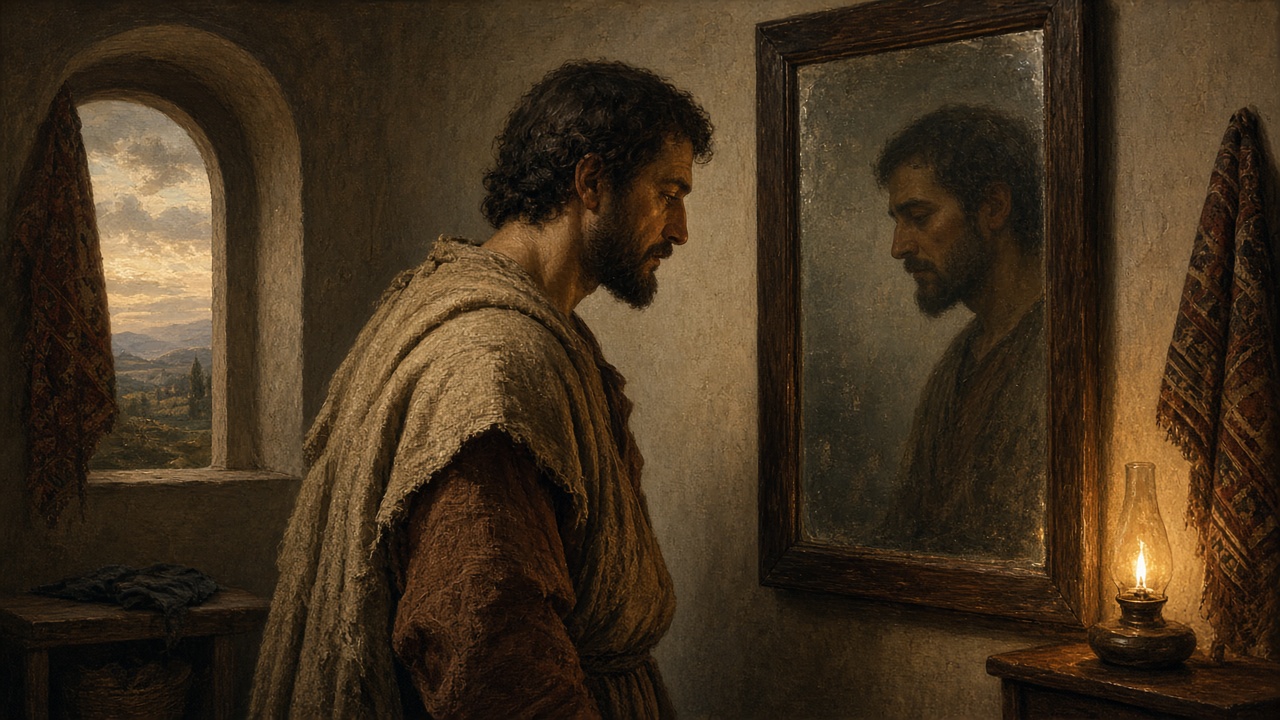
- Love, the chapter says, never fails, but prophecies will cease, tongues will be restrained, and knowledge will be dismissed. What is known and prophesied now is partial, like a child's reasoning or a dim reflection in a mirror rather than seeing face to face. Faith, hope, and love remain, and the greatest of these is love.Sources: the Bible text itself
Notes written with AI assistance from open sources (Theographic Bible Metadata, CC BY-SA 4.0; Easton’s Bible Dictionary, public domain) and reviewed before publishing.
Credits and license for this translation
Nhandejáry Nhe'ẽ
New Testament in Kaiwá (BR:kgk:Kaiwá)
copyright © 2006 Wycliffe Bible Translators, Inc.
Language: Kaiwá
Translation by: Wycliffe Bible Translators, Inc.
Copyright Information
© 2006, Wycliffe Bible Translators, Inc. All rights reserved.
This translation text is made available to you under the
terms of the Creative Commons License: Attribution-Noncommercial-No Derivative Works.
( http://creativecommons.org/licenses/by-nc-nd/3.0/ )
In addition, you have permission to port the text to different file formats, as long as you
do not change any of the text or punctuation of the Bible.
You may share, copy, distribute, transmit, and extract portions
or quotations from this work, provided that you include the above copyright
information:
You must give Attribution to the work.
You do not sell this work for a profit.
You do not make any derivative works that change any of the actual words or punctuation of the Scriptures.
Permissions beyond the scope of this license may be
available if you contact
us with your request.
The New Testament
in Kaiwá
© 2006, Wycliffe Bible Translators, Inc. All rights reserved.
This translation is made available to you under the terms of the
Creative Commons Attribution-Noncommercial-No Derivatives license 4.0.
You may share and redistribute this Bible translation or extracts from it in any format, provided that:
You include the above copyright and source information.
You do not sell this work for a profit.
You do not change any of the words or punctuation of the Scriptures.
Pictures included with Scriptures and other documents on this site are licensed just for use with those Scriptures and documents.
For other uses, please contact the respective copyright owners.
2014-04-27
Source: http://ebible.org/kgkNT/ · eBible.org