1 Corinthians 10
Nhandejáry Nhe'ẽ · Tap a verse to see its cross-references.
Ani jajapo nhane ramoigwasu rembiapo vaikwe ramigwa
1Xe re'ýi kwéry, Hesu reroviaha va'e kwéry, tapene mandu'a kena, myamyrĩ nhane ramoigwasu kwéry-rehe. Yma araka'e ha'e kwéry ojerovia nhane ramoigwasu Moisés-rehe. Hendive tekwaty e'ỹ-rupi oiko va'ekwe hikwái araka'e. Upe-py oje'ói jave peteĩ araigwegwasu oho henonderã-rupi kwéry haperã rexa uka-vy íxupe kwéry. Ygwasu Pytã pa'ũ-rupi ave ohasapa oje'ói-vy hikwái. Inhakỹ e'ỹ reheve voi ohasapa hikwái y pa'ũ-rupi oje'ói-vy. 2Ha oĩ jave íxupe kwéry upe araigwegwasu, ha'e kwéry ohasa jave ygwasu mbyte-rupi onhemopeteĩ Moisés ndive. “Oroiko-ta ne nhe'ẽ-rupi” he'i ra'e Moisés-pe hikwái.
3Ha tekwaty e'ỹ-rupi oiko jave araka'e enterove ho'u meme tembi'u yváy-gwi ombou va'e. 4Hoy'u ave yváy gwigwa y hikwái. Nhandejáry réry-py Moisés oinupã peteĩ ita íxugwi osẽ hagwã y íxupe kwéry. Upe ita omombe'use Cristo-rehe. Upéa-rehe ja'e “Cristo omoirũ íxupe kwéry araka'e”. Nhandejáry ohovasa meme íxupe kwéry. 5Ohovasa ramo jepe ndahetái oĩ ombovy'a va'e araka'e Nhandejáry-pe. Hetave tave oĩ ombovy'are'ỹ va'e Nhandejáry-pe. Hembiapo vaikwe-rehe omano va'ekwe araka'e ha'e kwéry. Tekwaty e'ỹ-gwi nosẽ mo'ãi araka'e hikwái. Nhandejáry ndovy'ái hendive kwéry. Upéixa-gwi nomogwahẽi íxupe kwéry ijyvyrã-my.
6Upéa Nhandejáry ojapo araka'e nhane moarandu hagwã, nhane ramoigwasu amyrĩ-rami ani hagwã jaiko. “Xe rembiapo vairã ajapose va'e ndajapo mo'ãi” ja'e hagwã nhane mandu'a ramo hembiapo vaikwe-rehe. Nhande katu, niporãi jajapo ha'e kwéry-rami. 7Oĩ araka'e umi ipa'ũ mygwa omboete araka'e Nhandejáry e'ỹ va'e-pe, tupã ra'anga anga ojapo va'ekwe-pe. Upéa-rehe Nhandejáry ndovy'ái. Ohai uka araka'e kwatia-rehe:
“Okaru ogwapy-vy tupã ra'anga renonde-py. Oka'u ave upe-py. Okotyhu ave upe-py. Ojeroky ave tupã ra'anga renonde-py.”
Ha nhande ave niporãi jajerovia ramo Nhandejáry e'ỹ va'e-rehe. Ndovy'ái arã Nhandejáry upéa jajapo ramo.
8Oĩ ave araka'e gwĩ ipa'ũ mygwa teko ky'a-rupi okwa va'e. Ani ha'e-rami ereiko teĩ. Hembiapo vai eterei-rehe omano vinte e três mil kente peteĩ áry-py. Upéixa oiko-gwi Nhandejáry ombohasa asy íxupe kwéry omano hagwã hikwái. Ani ha'e-rami ereiko teĩ.
9Oĩ ave araka'e gwĩ ipa'ũ mygwa he'i rei va'e “Nhandejáry oheja rei arã xe rembiapo vaikwe” he'i rei va'e ójehe. Ani teĩ erejapo ha'e-rami. Upéixa ojapo va'e-pe araka'e mbói oisu'u. Nhandejáry-pe ombovyte vyte-gwi omano va'ekwe hikwái. Mbói oisu'u-gwi omano.
10Oĩ ave araka'e gwĩ ipa'ũ mygwa Nhandejáry-pe onhe'ẽ vai gwekoha-rehe. “Ndavy'ái kóa ndive” he'i. “Kóa niporãi xe-vy” he'i. “Mba'e ambue aipota” he'i ave. “Ma'erã-gwi nome'ẽi xe-vy xe mba'erã iporãve va'e?” he'i ave. Upéixa ndovy'ái Nhandejáry remime'ẽgwe-rehe. Nhandejáry indive ndovy'ái-gwi omondo ijukaharã íxupe kwéry ohundipa hagwã. Ani erejapo teĩ ha'e kwéry-rami. Ani erenhe'ẽ vai teĩ Nhandejáry-pe nde rekoha-rehe.
11Nhandejáry ombohasa asy va'ekwe myamyrĩ nhane ramoigwasu kwéry-pe hendive oiko va'e omoarandu hagwã. “Hembiapo vai-rehe nipo ogwereko asy ra'e Nhandejáry” he'i hagwã ójehe ombohasa asy íxupe kwéry. Ha upéa-rehe nhane moarandu ave Nhandejáry. Kwatia-rehe ohai uka va'ekwe nhande-vy gwarã nhane renonde nhane mbo'e hagwã. Jaikwaa-ma ramo mba'éixa pa ojohu vai nhane ramói amyrĩ kwéry, gwĩ hembiapo vai va'e jaikwaa-ma arã ave “Ani erejapo teĩ upéixa” omombe'use nhande-vy. Hi'agwĩ-ma yvy opa hagwã óra. Upéa-rehe niporãi voi jaiko upe myamyrĩ hembiapo vai va'e kwéry-rami.
12Ani ere teĩ nde rekorã-rehe “Xe naxe rembiapo vaíry va'e xe. Xe mbaraete-gwi ndajejavýi” aníke ere teĩ. Tekotevẽ jajerure Nhandejáry-pe nhane pytygwõ hagwã anive hagwã jajapo vai. 13Nhane mbojejavyse va'e oiko nhande yke-rehe nhane mbotavy hagwã. Enterovéa-pe oity ukase. Nhandejáry ae katu onhe'ẽ-gwi ova e'ỹ va'e, onhe'ẽ-gwi ova e'ỹ va'e voi Nhandejáry. He'i hagwe-rami ojapo va'e voi. “Oropytygwõ-ta” he'i nhande-vy. “Ou ramo ne mbojejavyseha oromombaraete-ta, oromo'arandu-ta ave ereikwaa hagwã mba'éixa pa ereiko hagwã ani hagwã ipu'aka nde-rehe” he'i nhande-vy.
14Xe re'ýi kwéry Hesu reroviaha va'e ani eremotupã ra'anga Nhandejáry e'ỹ va'e-pe. 15Peẽ pekakwaa-ma nipo ra'e, pene arandu-ma nipo ra'e. Tapejeapysaka porã katu xe nhe'ẽ-rehe. Tapenhemongeta pende py'a-py xe nhe'ẽgwe-rehe “Anhetegwa nhe'ẽ para'e, teko rei nhe'ẽ para'e” peje katu peporandu-vy pende py'a-py. Anhetegwa voi xe nhe'ẽ. Tapejeapysaka porã katu ko xe nhe'ẽrã-rehe. 16Hesu mano hagwe-rehe nhane mandu'a ramo Nhandejáry renonde-py ha'e nhande rovasa-ma ave. Jay'u jave nhane momandu'a uka Hesu rugwykwe-rehe. Nhaime-ma Hesu ndive peteĩxa. Mbojape nhambopóy ja'u va'erã. Ja'u jave nhane momandu'a uka Hesu retekwe-rehe. Nhaime-ma Hesu ndive peteĩxa. 17Peteĩ mbojape-gwi enterove ho'u. Nhande reta reta va'e jaiko peteĩxa peteĩ va'e-rehe nhane mandu'a-gwi.
18Tapene mandu'a ave Israel re'ýi judeu kwéry reko-rehe. Pa'i kwéry ohapy meme hemime'ẽrã Nhandejáry-pe. Nhandejáry omboete haty-py ohapy. Ha ohapy e'ỹ va'e ho'u pa'i kwéry. Ho'u jave imandu'a “Xe katu Nhandejáry re'ýi voi ko xe” he'i ojéupe. 19Kóa-rehe amombe'u peikwaa porãve hagwã. Tembi'u-rehe, Nhandejáry e'ỹ va'e-rehe ave amombe'u-ta peẽ-my. Tupã ra'anga oiko e'ỹ va'e voi. Jaikwaa-ma voi ha'e kwéry ndoikoiryha. Anhetegwa ave ko xe nhe'ẽ. 20Gwĩ tupã ra'anga-rehe ojerovia va'e omoĩ rei so'o hovagwy-py. “Xe járy rovagwy-py amoĩ hemi'urã” he'i rei hese. Oiko e'ỹ va'e-rehe he'i upéa. Ha ha'e ko xe, omoĩ ramo so'o tupã ra'anga rovagwy-py, ome'ẽ upe so'o anháy kwéry-pe. Anháy réry-py omoĩ upe-py. Ani eremoirũ teĩ anháy-pe. 21Nhane mandu'a hagwã Hesu omano hagwe-rehe ja'u uva rykwere Nhandejáry renonde-py. “Nhande katu Nhandejáry re'ýi tee voi” ja'e nhane mandu'a-vy hese. Upéa-gwi naiporãi jay'u anháy pegwarãgwe. Nhandejáry renonde-py ja'u mbojape nhane mandu'a hagwã Hesu retekwe-rehe. “Nhande katu Nhandejáry re'ýi tee” ja'e nhane mandu'a-vy hese. Upéa-gwi naiporãi ja'u ave so'o anháy pegwarãgwe. Anháy réry-py ome'ẽ va'ekwe naiporãi ja'u nhande. 22Hakate'ỹ voi nhande-rehe Nhandejáry. Ani erembovy'are'ỹ teĩ íxupe. Na pene mbaraeteve íxugwi. Ani erembovy'are'ỹ teĩ íxupe.
Cristo reroviaha va'e tekotevẽ ojohayhu
23Nhande Hesu Cristo re'ýi tee va'e nhande. Upéa-gwi ndaipóri ikatu e'ỹ va'e nhande-vy. Heta mba'e oĩ jepe nanhane pytygwõi va'e. Ndaha'éi nhane moporã hagwã-rehe jajapo upe va'e. 24Ani peteĩ teĩ pendejéupe gwarã mate pepena teĩ. “Mba'e tipo iporãve ambue kwéry-pe” tere ndejéupe erejapose va'e-rehe. Pejohayhu-rupi erepena ambue kwéry-rehe.
25“Tupã Nhanderjáry ko yvy járy voi. Upéixa-gwi entéro oiko ve'e gwive járy ave”
he'i Nhandejáry nhe'ẽ kwatia-rehe oĩ va'e. Upéixa-gwi ndoikói ikatu e'ỹ va'e jakaru hagwã. Ome'ẽ pejogwa hagwã so'o pene remi'urã. Erejogwa mboyve natekotevẽi ereporandu upe so'o-rehe. “Tupã ra'anga rovagwy-py gware tipo ko so'o? Ha'u ramo upe so'o ajejavy para'e?” ani ereporandu nde py'a-py. He'u rei katu. Nhandejáry remimoingokwe voi upe so'o.
27Nhandejáry-rehe ojerovia e'ỹ va'e ne renói ramo indive erekaru hagwã, iporã. Erehose ramo, tereho katu. Ne remi'urã ome'ẽ ramo he'u rei joty. Ani ereporandu ne rembi'u me'ẽ ha-pe “Ko va'e tipo tupã ra'anga rovagwy-py gware?” Ani upéixa ere. 28Oĩ ramo imombe'uha “Ko va'e so'o tupã ra'anga rovagwy-py gware” he'i ramo, ani ere'u pono erembovy'are'ỹ íxupe peteĩxa pevy'a hagwã. Jaikwaa upe so'o ikatu porã ere'u va'erã jepe ndere'u mo'ãi joty. Upe Nhandejáry-rehe ojerovia mirĩ va'e he'i ra'e “Niporãi nhande Nhandejáry-rehe jajerovia va'e ja'u ramo so'o tupã ra'anga-pe gware.” Upe so'o ndere'úi ramo “Iporã” he'i arã nde-rehe. Ha erejejohu porã ave arã. Pevy'a arã onhondive. Gwĩ ndovy'ái va'e he'i arã “Xe-vy iporã ha'u. Ma'erã-gwi he'i apena hagwã xe rapixa-rehe? Akaru e'ỹ mboyve amboete Nhandejáry-pe. Atima íxupe xe remi'urã-rehe. Xe ndaikwaái ma'erã he'i xe-vy pono ha'u upe so'o” he'i arã ndory'áiry. 31Ha'e-ta voi peẽ-my teko porã-rupi katu peiko. Penhopytygwõ katu. Pekaru ramo, pey'u ramo, tapeiko porã. Tembiapo porã mate pejapo penhopytygwõ-vy. Upéixa iporã ramo pende rekoha pemomba'egwasu arã Nhandejáry-pe. “Iporã voi Tupã Nhandejáry” he'i arã nde rekoha rexa va'e. 32Judeu kwéry renonde-py judeu e'ỹ renonde-py ave, Tupã Nhandejáry-rehe ojerovia va'e renonde-py ave tapeiko porã katu ani hagwã avave he'i nde causa-gwi “Xe ndajeroviaséi Hesu Cristo-rehe.”
33Xe rekoha-rami katu peẽ peiko katu. Xe aiko meme teko porã-rupi ambojerovia hagwã enterove va'e-pe Hesu-rehe. Xéjehe anho rei ndajekóiry. “Mba'e tipo iporãve ambue kwéry-pe?” ha'e xejéupe ajapose va'e-rehe. Upéa ajapo ha'e kwéry ojerovia hagwã Hesu-rehe onheresende-vy.
Did you know?
Wilderness Warnings and the Lord's Table
- Paul says he does not want the Corinthians unaware that the forefathers were all under the cloud and all passed through the sea, and that they were baptized into Moses in the cloud and in the sea. They all ate the same spiritual food and drank the same spiritual drink from the spiritual rock that accompanied them, and he says that rock was Christ.Sources: the Bible text itself
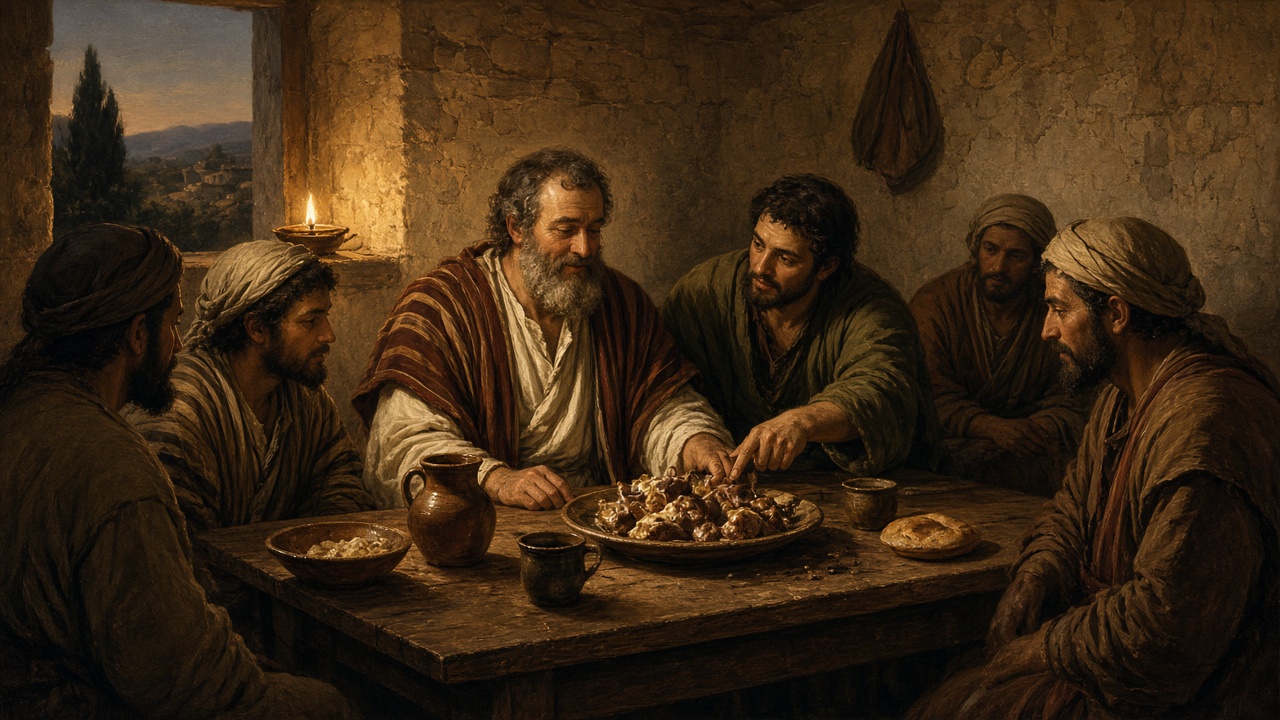
- Paul says God was not pleased with most of them, for they were struck down in the wilderness. He lists idolatry, sexual immorality in which twenty-three thousand died in one day, testing Christ, which brought death by snakes, and complaining, punished by the destroying angel, and calls these events examples written down as warnings.Sources: the Bible text itself
- He calls the cup of blessing and the bread that is broken a participation in the blood and body of Christ, and says pagan sacrifices are offered to demons, not to God, so the two tables cannot be shared. Food sold in the meat market may be eaten without raising questions of conscience, for "The earth is the Lord's, and the fullness thereof," but if someone says it was offered to idols, it should be refused for that person's conscience.Sources: the Bible text itself
Notes written with AI assistance from open sources (Theographic Bible Metadata, CC BY-SA 4.0; Easton’s Bible Dictionary, public domain) and reviewed before publishing.
Credits and license for this translation
Nhandejáry Nhe'ẽ
New Testament in Kaiwá (BR:kgk:Kaiwá)
copyright © 2006 Wycliffe Bible Translators, Inc.
Language: Kaiwá
Translation by: Wycliffe Bible Translators, Inc.
Copyright Information
© 2006, Wycliffe Bible Translators, Inc. All rights reserved.
This translation text is made available to you under the
terms of the Creative Commons License: Attribution-Noncommercial-No Derivative Works.
( http://creativecommons.org/licenses/by-nc-nd/3.0/ )
In addition, you have permission to port the text to different file formats, as long as you
do not change any of the text or punctuation of the Bible.
You may share, copy, distribute, transmit, and extract portions
or quotations from this work, provided that you include the above copyright
information:
You must give Attribution to the work.
You do not sell this work for a profit.
You do not make any derivative works that change any of the actual words or punctuation of the Scriptures.
Permissions beyond the scope of this license may be
available if you contact
us with your request.
The New Testament
in Kaiwá
© 2006, Wycliffe Bible Translators, Inc. All rights reserved.
This translation is made available to you under the terms of the
Creative Commons Attribution-Noncommercial-No Derivatives license 4.0.
You may share and redistribute this Bible translation or extracts from it in any format, provided that:
You include the above copyright and source information.
You do not sell this work for a profit.
You do not change any of the words or punctuation of the Scriptures.
Pictures included with Scriptures and other documents on this site are licensed just for use with those Scriptures and documents.
For other uses, please contact the respective copyright owners.
2014-04-27
Source: http://ebible.org/kgkNT/ · eBible.org