Matthew 8
Bëngbe Bëtsa Cabëngaftaca Entsoyebuambna · Tap a verse to see its cross-references.
Jesús, canÿa bacna nguayanánaca s̈ocábioye tbojanshná
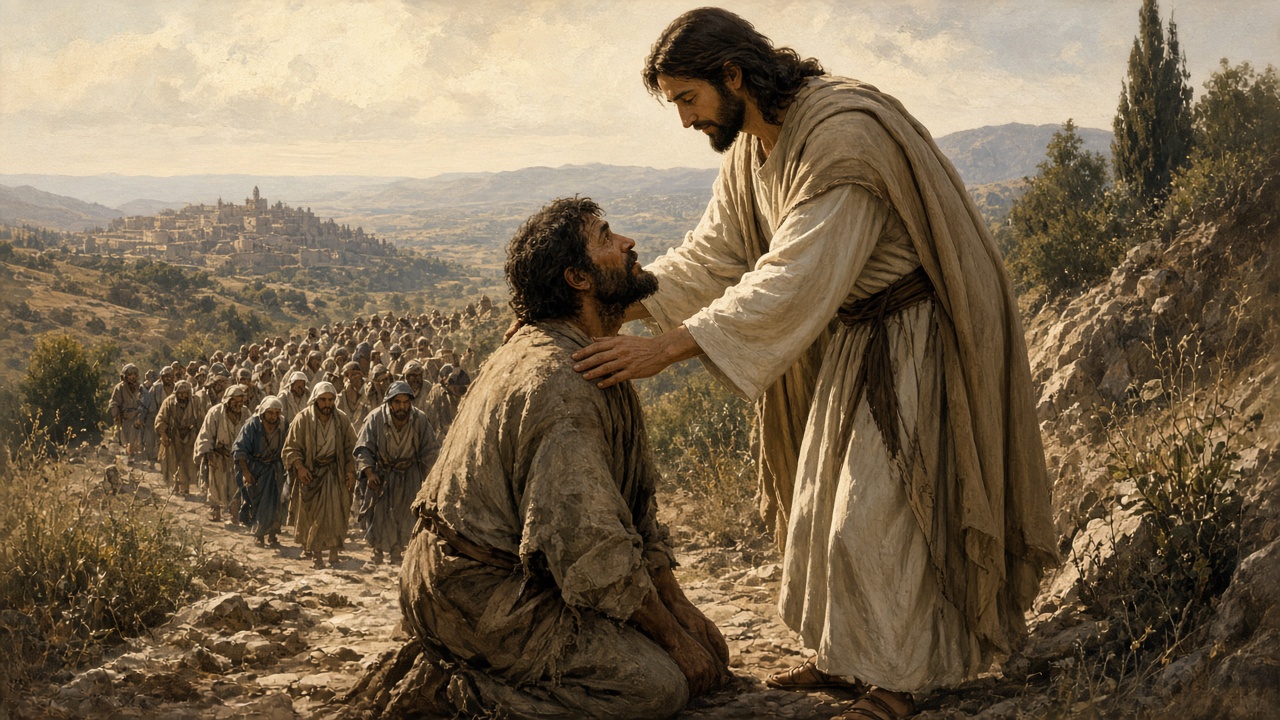
1Jesús tjoicana tojtantsmá ora, ba ents̈anga tmojanasto. 2Chora canÿe boyabása bacna nguayanánaca s̈ocá Jesúsbioye tojanobeconá, chabe delante yojoshaments̈iye y tbojaniyana: —Utabná, aca tcojtsebos̈ëse, catjobenaye ats̈be s̈ocana jtsebojuánana ca.
3As Jesús tojanacuenÿanëjaná, chë boyabásabioye tbojánbojajo y tbojaniyana: —Aíñe, së́ntsebos̈e. S̈ocana cbotsebojuaná ca.
Y cachora chabe s̈ocana tbojtsanóbojuanañe. 4Jesús chë shnanábioye tbojaniyana: —Mouena, ndocnábeñe cattsecuéntaye; nÿe chë Jerusalenoca báchnëbioye motsa, y cha cochjinÿinÿiye mora aca ya ts̈abá cojtsatsmënama. Bayá cochtsambaye, Bëngbe Bëtsá chama jëtschuayama, nts̈amo Moisés tojëftsanmandacá, as chca nÿetscanga chamotats̈ëmbona mora aca ya ndoñe s̈ocá contsemnama ca —Jesús tbojaniyana.
Jesús canÿe Romano soldadëngbe amëndayabe bochichnayábioye tbojanshná
5Jesús Capernaumoye tojánamashëngo ora, canÿe Romano soldadëngbe amëndayá Jesúsbioye tojanobeconá canÿe pavorama jaimpádama. 6Jesúsbioye tbojaniyana: —Utabná, ats̈be bochichnayá yebnoca s̈ocá entsemna, jama ndoñe quenátobena y jabuache tsets̈anánaca entsobësná ca.
7Chora Jesús tbojanjuá: —Cha jáshnama chanjá ca.
8As chë soldadëngbe amëndayá tbojaniyana: —Señor, ats̈e merecido taitsatobuajoñe ats̈be yebnents̈e chacuamashënguama; nÿe mayana y ats̈be bochichnayá ts̈abá echántsatsmëna. 9Ats̈bioye mándayënga ats̈e sëndábamna y áts̈naca soldadëngbe amëndayá sëndmëna. Ats̈e canÿe soldado stjauyana “motsa ca”, cha cachora jana; y inÿa stjauyana “mabo ca”, cha cachora jabana; y nderado ats̈be bochichnayá ndayánaca chaomama stjamánda, chánaca cachora chë soye jamana ca —cha tojánayana.
10Jesús chca tojanuena ora, tojanenjnaná y chë ústonënga tojanë́yana: —Ndegombre cbë́yana, ni mo nÿets Israelents̈e ni canÿa quem boyabasacá Bëngbe Bëtsábeñe nÿets̈á os̈buachiyá chiyátinÿena. 11Y s̈cuayana, shinÿe bocanoicana y shinÿe uenatjë́mbambanoicana bëtscá ents̈anga mochanjabo, y Abraham, Isaac y Jacob, chë judiëngbe tempsca uámana bëts taitángaftaca mochanjotbiama Bëngbe Bëtsabe amë́ndayoca, cánÿiñe juasama. 12Ba Israeloca ents̈anga, chë ndëmuanÿengbiama Bëngbe Bëtsabe amë́ndayana natsana yochtsanmëna, chocana mochantëbuacana chë ndëbinÿna luaroye, infiernoye. Chents̈e puerte mochanjenóbos̈achna y chë tsets̈anama juatsas̈ënga mochantsenoftë́s̈jojnaye ca —Jesús tojánayana.
13Chora Jesús chë soldadëngbe amëndayábioye tbojaniyana: —Acbe yebnoye motsatá y chë nts̈amo cojtsos̈buachecá cachcá chaotsemna ca.
Cachora chë bochichnayá ts̈abá yojtsatsmëna.
Jesús, Pédrëbe uambén mamábioye tbojanshná
14Chents̈ana Jesús, Pédrëbe yebnoye tojána. Chents̈e Pédrëbe uambén mamá s̈ocá calentóraca yojtsejutsnajona. 15Chora Jesús chë uambén mamabe cucuats̈e tojánbojajo y cachora chë calentora tbojtsanóbojuanañe. Chorna chë uambén mamá tojtantsbaná y tojanonts̈é chënga jobuácuedana.
Jesús ba s̈oquënga tojanashná
16Chë te jaibétatama ora, Jesús yojtsemnoye banga bacna bayëjëngbe juabna uambaye ents̈anga tmojanënatse. Chora, nÿe canÿe Jesús jóyebuambayëse chë bacna bayëjënga imojtsaisebocana y nÿetsca s̈oquënga tojanashná. 17Chca Jesús tojanma, cachcá chaotsemnama nts̈amo chë Bëngbe Bëtsabe juabna oyebuambnayá Isaías tojanayancá. Cha mënts̈á tojánayana: “Cha bëngbe s̈ocanënga tonjaftsanca y bëngbe nÿetsca tsets̈anana chábeñe tonjanoquedá ca.”
Chë Jesús juastama bos̈ënga
18Jesús tojánanÿe mallajta ents̈anga chabe shë́conana; as tojanmandá uafjajónaye chenguana jama. 19Chorna, canÿe ley abuatambayá Jesúsbioye tbojanobobeconá y tbojaniyana: —Buatëmbayá, ats̈e së́ntsebos̈e aca juastama, ndë́moye chacojtsá choye ca.
20As Jesús tbojaniyana: —Chë zorrënga mondbomna cuevëshënga ndayents̈e jtsiyenama y chë shlofts̈ëngna uajajonëshangá, pero chë Bëngbe Bëtsá Ents̈á tbojanbemá ndoñe quenátsbomna ndayents̈e jóchnama ca.
21Chora inÿa, cach uatsjendayënguents̈á, Jesúsbioye tbojaniyana: —Bëngbe Utabná, s̈molesenciá ats̈be taitá chjshesabotbontsañe ca.
22Chora Jesús tbojanjuá: —Nÿe s̈masto. Chë Bëngbe Bëtsabiama mo obanëngcá, nts̈amo Bëngbe Bëtsá yomandacá ndoñe tmontsama causa, chënga cachëngbe obanënga chamotsë́tebuantsañe ca.
Jesús chë binÿia y chë béjaye bonguana yojë́tsbema
23Chents̈ana Jesús canÿe barquë́shoye tojánamashëngo y chabe uatsjéndayënga imojtsetjëmbambnaye. 24Ndeolpe ts̈a jabuache binÿia chë uafjajónaye béjayiñe yojóshjango; nÿets̈á jabuachana yojtsemna, chë olëshënga barquë́sha imojtsë́tsbotsana. Y Jesús chora inétsomañe. 25As chabe uatsjéndayënga tmojána Jesús jetsefs̈enama y tmojaniyana: —¡Bëngbe Utabná, s̈matsebacá. Montsenatjë́mbambana ca!
26Chora Jesús tojanë́yana: —¿Ndáyeca ts̈a s̈mojtsauatja? ¿Ts̈a bats̈atema s̈mojtsos̈buaché, Bëngbe Bëtsá ts̈ëngaftanga jujuabuáchama yobenama ca?
Chca tojanë́yana y tojantsbaná. Chora tojanmandá chë binÿia y chë búyeshe bonguana chaotsatsmënama, y lempe natjë́mbana yojtsatsmëna. 27Chabe uatsjéndayënga ojnanánënga imojtsemna y mënts̈á imojtsichamo: “¿Nda quem boyabása yomna? Cha tonjayana y chë binÿia y chë búyeshe tmonjoyeuná ca.”
Chë Gadara luaroca ents̈ata, bacna bayëjbe juabna uambayata
28Jesús uafjajónaye chenguana tojánashjango, canÿe luare Gadara ca uabáinents̈e. Chorna chë utabuantsánëngbents̈ana útata, bayëjbe juabna uambayata, tbojánbocna y Jesúsbioye tbojanobobéconata. Puerte ts̈atjayata ibnamna, chíyeca ents̈anga ndoñe ntsobenana chëjana jtsachnëjuanana; 29y chora tbojanonts̈é chë bacna bayëjë́ngbeyeca mënts̈á uayebuáchana: —¿Ndayá bë́ngaftaca cojtsebos̈e, Jesús, Bëngbe Bëtsabe Uaquiñá? ¿Moye tcojabo bënga chafsufrima, chama cabá ndoñe chë tempo yontsemna ora ca?
30Chents̈a béconana ba cots̈ënga imnajena y chënga imnétsosañe. 31Y chë bayëjënga Jesús tmojanimpadá: —Muents̈ana jésebocanama aca tcojamëse, cochjama bënga chë cots̈ë́ngbeñe fchayamashjnama ca.
32Y Jesús tojanë́yana: —Motsajna ca.
Chora chë bayëjënga chë boyabásatbents̈ana tmojésanbocana y chë cots̈ë́ngbeñe tmojánamashjna; cachora chë cots̈ënga batsjocana penës̈ëjana uafjajónayoye imojtsoshbuets̈e y yojtsatajo.
33Chora chë cots̈ënga anÿenënga tmojtsanacheta, y chë puebloye tmojánashjajna ora, tmojanonts̈é lempe nts̈amo yojochnëngcá jacuéntana y nts̈amo chë bayëjbe juabna uambayátaftaca tojanopasámnaca. 34Chora nÿetsca ents̈anga chë pueblents̈ana tmojánbocana y Jesús yojtsemnoye tmojána. Chë ents̈anga Jesús tmojáninÿe ora, tmojanimpadá chë luarents̈ana chauesebocnama.
Did you know?
Healings, faith, and the sea
- Capernaum, which Jesus enters in this chapter, was a Galilean city not named in the Old Testament. Easton's Bible Dictionary (1897) says it became his “own city” after he left Nazareth, and it lists the centurion’s appeal and the healing at Peter’s house among the events set there.Sources: Capernaum · the Bible text itself
- Jesus says that many will come from east and west to share the banquet with Abraham, Isaac, and Jacob in the kingdom of heaven. Easton's Bible Dictionary (1897) calls Abraham the son of Terah and heir of the promises, Isaac Abraham’s only son by Sarah, and Jacob—also known as Israel—the younger twin son of Isaac and Rebekah.Sources: the Bible text itself · Abraham · Isaac · Jacob (Israel)
- Matthew presents that evening’s healings as fulfilling words spoken through the prophet Isaiah: “He took on our infirmities and carried our diseases.” Easton's Bible Dictionary (1897) identifies Isaiah as the son of Amoz, who prophesied in the reigns of Uzziah, Jotham, Ahaz, and Hezekiah.Sources: the Bible text itself · Isaiah
Notes written with AI assistance from open sources (Theographic Bible Metadata, CC BY-SA 4.0; Easton’s Bible Dictionary, public domain) and reviewed before publishing.
Places in this chapter
- Gadara · Today: Umm Qais · 32.656, 35.679 · verse 28
Only places identified with high confidence are shown (90% or more according to the scholarly sources compiled by OpenBible). Period map: DARE (Digital Atlas of the Roman Empire), CC BY 4.0; modern map: © OpenStreetMap contributors; places: OpenBible.info (CC BY 4.0).
Credits and license for this translation
Bëngbe Bëtsa Cabëngaftaca Entsoyebuambna
New Testament in Camsá
copyright © 2009 Wycliffe Bible Translators, Inc.
Language: Camsá
Translation by: Wycliffe Bible Translators, Inc.
Copyright Information
© 2009, Wycliffe Bible Translators, Inc. All rights reserved.
This translation text is made available to you under the
terms of the Creative Commons License: Attribution-Noncommercial-No Derivative Works.
( http://creativecommons.org/licenses/by-nc-nd/3.0/ )
In addition, you have permission to port the text to different file formats, as long as you
do not change any of the text or punctuation of the Bible.
You may share, copy, distribute, transmit, and extract portions
or quotations from this work, provided that you include the above copyright
information:
You must give Attribution to the work.
You do not sell this work for a profit.
You do not make any derivative works that change any of the actual words or punctuation of the Scriptures.
Permissions beyond the scope of this license may be
available if you contact
us with your request.
The New Testament
in Camsá
© 2009, Wycliffe Bible Translators, Inc. All rights reserved.
This translation is made available to you under the terms of the
Creative Commons Attribution-Noncommercial-No Derivatives license 4.0.
You may share and redistribute this Bible translation or extracts from it in any format, provided that:
You include the above copyright and source information.
You do not sell this work for a profit.
You do not change any of the words or punctuation of the Scriptures.
Pictures included with Scriptures and other documents on this site are licensed just for use with those Scriptures and documents.
For other uses, please contact the respective copyright owners.
2016-05-05
Source: http://ebible.org/kbh/ · eBible.org