Matthew 12
Bëngbe Bëtsa Cabëngaftaca Entsoyebuambna · Tap a verse to see its cross-references.
Jesusbe uatsjéndayënga ochnayté trigo tmojanátabebe
1Chë tempo, Jesús canÿe ochnayté canÿe jajajana yojtsachnëjuana. Chabe uatsjéndayëngna shë́ntseca imojtsemna, chíyeca tmojanonts̈é trigo juatabebiana y chë meshënga jasana. 2Chë fariseunga chca tmojáninÿe ora, Jesús tmojaniyana: —Minÿe, acbe uatsjéndayënga canÿe soye montsama y chë soye ochnayté jamama ndoñe quenátslesenciana ca.
3As Jesús tojanë́yana: —¿Ndoñe s̈mëndualía y s̈mondë́tats̈ëmbo ndayá David y chabe enutënga tmojanmama, shë́ntseca imojtsemna ora? 4Chca orna, David, Bëngbe Bëtsabe bëts yebnoye yojámashëngo y chë Bëngbe Bëtsá chents̈e yojamnama inÿinÿnaye tandës̈ënga yojase. Chë tandës̈e nÿe ndánaca jasama ndoñe yonjalesenciana, ni Davidbiama, ni chabe enutëngbiama. Nÿe bachnangbiama belesenciana chë tandës̈e jasama. Masque David chca tojanma, Bëngbe Bëtsá chora ndoñe tonjánayana David canÿe bacna soye tojanma ca. 5¿O ndoñe s̈mëndualía y s̈mondë́tats̈ëmbo, Moisesbe leyiñe, chë bachnanga ochnayté Bëngbe Bëtsabe bëts yebnents̈e jtsetrabájayana, pero ndoñe bacna soye ntsemnana chë bachnanga ochnayté ndoñe mondbóchnama? 6Y ats̈e s̈cuayana: Muents̈e canÿa entsemna, cha chë Bëngbe Bëtsabe bëts yebnents̈a bachnangbiama más uamaná endmëna y chabe amë́ndayoca soyënga más entsámana chë bachnangbe mándayents̈a soyëngama. 7Bëngbe Bëtsabe uabemana palabrënguiñe mënts̈á endayana:
Ats̈e së́ntsebos̈e ts̈ëngaftanga lastemadënga chas̈motsemna,
y ndoñe nÿe bayënga chas̈motsëbánaye Bëngbe Bëtsá jëtschuayama ca.
Nts̈amo chiñe entsayancá ndegombre cmojtsësertánëse, ts̈ëngaftanga ndoñe chëngbe contra s̈mattsichamo, chë ochnayté chca tmojtsamëngbiama. 8Chë Bëngbe Bëtsá Ents̈á tbojanbemá, chë ents̈á ochnayté tojtsama sóynaca jtsemándayana ca —Jesús tojánayana.
Chë buashana cucuats̈e bomna ents̈á
9Chents̈ana Jesús tojtsanoñe y chents̈a judiëngbe enefjuana yebnoye tojánamashëngo. 10Chents̈e yojtsemna canÿe boyabása buashana buacuats̈e bomná. Chë fariseunga imojtsenguaye ndayánaca, as chca chënga jtsebomnama ndaye sóyeca Jesús mal jaquédama. Chcasna, chora chënga Jesús tmojantjá: —¿Queojtselesenciana canÿe ochnayté s̈ocá jáshnama ca?
11Y Jesús tojanë́jua: —¿Nda ts̈ëngaftanguents̈á, canÿe oveshá tbojtsebomna y nÿa chë ochnayté canÿe fshantsents̈e atëfjnoye chë oveshá tojtsótsats̈e, chora chë boyabása nanjá o ndoñe chë oveshá jatábocnama? 12¡Ents̈á oveshabiama puerte más uamaná endmëna! Chcasna, entselesenciana chë ochnayté ts̈abe soye jamama ca —Jesús tojanë́yana.
13Chora Jesús chë buashana buacuats̈e bomnábioye tbojaniyana: “Macuenÿanëjaná ca.” Y chë boyabásana tojanacuenÿanëjaná y chora chëts̈a ts̈abá yojtsatamna mo cach inÿets̈acá. 14Pero chë fariseunga tmojésanbocana ora, tmojanonts̈é juabnayana nts̈amo jamëse Jesús jóbama.
Ndayá chë Bëngbe Bëtsabe juabna oyebuambnayá Jesusbiama tojánayana
15Jesús chë soye tojántats̈ëmbona ora, chents̈ana tojtsanoñe y ba ents̈anga tmojanasto. Nÿetsca s̈oquënga tojanashná, 16y tojanamëndá chabiama ents̈ángbeñe ndoñe chamondëtsóyebuambnama. 17Chca tojanamëndá, cachcá chaotsemnama nts̈amo chë Bëngbe Bëtsabe juabna oyebuambnayá Isaías tojanayancá. Cha mënts̈á tojánayana:
18Muents̈e ats̈be oservená entsemna. Ats̈e cha sënjabocacá,
ats̈be bonshaná, y ats̈e corente chabiama sëntsoyejuá.
Ats̈e chanjama ats̈be Espíritu chabe ainaniñe chaotsemnama
y ents̈anga echanjabuayená, Bëngbe Bëtsá nÿetsca luarënguents̈ana ents̈angbiama yochjayanama chënga ts̈abá o ndoñe ts̈abá tmonjamama.
19Cha ndoñe queochátayajuatsana, ni queochátschembumbuana.
Chabe oyebuambnayana tsáshenañe ndocná queochatuena.
20Mo nda chë atcana s̈ës̈e ndoñe más jatsndbemana,
chë ndobenënga cha ndoñe queochátapochocaye.
Mo nda chë quinÿenë́fjua nÿe uabojáts̈ena uajuinÿnë́fjua ndoñe ntsafsanana,
chë Bëngbe Bëtsábeñe jtsos̈buáchiyama imojtsebojáts̈angbe obatmanana chábeñe, cha ndoñe queochátabuajuanaye.
Cha nÿets añémoca echanjëftsetrabája,
ents̈anga chëngbe ainaniñe Bëngbe Bëtsabe ndegombre soyënga chamóyëngacñëntscuana.
21Y nÿetsca luarënguents̈ana ents̈anga chábeñe mochantsobátmana ca —cha tojánayana.
Fariseunga tmojánayana Jesús Satanásbents̈ana obenana tojanóyëngacñe ca
22Chora, Jesús yojtsemnoye canÿe boyabása jtaná y ndëbiá tmojanánatse. Chana bacna bayëjbe juabna uambayá inamna; y Jesús chábioye tbojanshná, chabuatabínÿnama y chabuatauénanama. 23Y nÿetsca ents̈anga ojnanánënga imojtsichamo: “¿Mua yojtsemna chë Davídbents̈ana Uámana Ents̈á, chë Cristo ca?”
24Pero chë fariseunga chca tmojanuena ora, imojtsichamo: “Beelzebú, cach Satanás, chë bacna bayëjëngbe amëndayá, quem boyabásabioye obenana tbojats̈tá chë bayëjënga chauatëbuacnama ca.”
25Y Jesús yojtsetáts̈ëmbo nts̈amo chënga imojtsejuabnayama; as tojanë́yana: “Canÿe amë́ndayents̈e ents̈anga tmojtsenojatá y tmojtsenáyase, cachënga jenpochócana. Cachcá, canÿe bëts pueblents̈a ents̈anga o canÿe yebnents̈a pamíllanga tmojtsenojatá y ndoñe tmontsenëyeunanëse, chënga ndoñe ts̈abá nÿets tempo quemochátsmëna. 26Cachcá, Satanás cachabe bayëjënga jtëbuacnama tojtsebos̈ëse, chana tojtsenojatá y cachabe contra yojtsemna. Y chca, ¿nts̈amo nantsobena chabe mándayana quem luarents̈e jëftsebomnana? 27Ts̈ëngaftanga s̈montsichamo ats̈e Beelzebube obenánaca chë bayëjënga stsatëbuacana ca; pero chca ndegombre tojtsemnëse, ¿ndábeyeca ts̈ëngaftangbe usetonënga obenana imojtsebomna chë bacna bayëjënga jtëbuacnama? Chíyecna, chënga montsinÿinÿná nts̈amo ndegombre yomnana y ts̈ëngaftanga ndoñe ndegombre soye s̈montsichámuama. 28Y ats̈na, chë Bëngbe Bëtsabe Espíritbeyeca chë bayëjënga ents̈ángbents̈ana sëndëtëbuacana; y chë soye entsinÿinÿná Bëngbe Bëtsabe amë́ndayana ts̈ëngaftangbioye tojóshjanguama.
29“¿Nts̈amo nda nanjobenaye canÿe corente añemo bomna ents̈abe yebnoye jamashënguana y chabe soyënga jtsebocana, ndoñe natsana chábioye tconjshétsebatsëquëse? Nÿe tcojshétsebatsëquësna aíñe cuanjobenaye cha jefcana. Ats̈e ya chca Satanásoftaca sënjama.
30“Nda ndoñe áts̈eftaca tontsemná, ats̈be uayayá jtsemnana. Y nda áts̈eftaca ndoñe tontsetrabája, chana ats̈be contra jtsetrabájayana.
31“Chíyeca cbë́yana, Bëngbe Bëtsá ents̈anga echanjáperdonaye nÿetsca chëngbe bacna soyënga y chë Bëngbe Bëtsabiama puerte bacá oyebuambnayana, mo chábioye cuafjoyenguangcá; pero ndoñe queochátaperdonaye chë Uámana Espíritbiama puerte bacá ichámënga. 32Bëngbe Bëtsá bochanjaperdóna chë Cha Ents̈á tbojanbemabiama ndoñe ts̈abá ichamuábioye; pero chë Uámana Espíritbiama ndoñe ts̈abá ichamuábioyna, ni quem luarents̈e, ni ndocna te quebochatsperdóna ca” —Jesús tojánayana.
Ts̈abe betiye o ndoñe ts̈abe betiye tondmënama, jtsotats̈ëmbuana nts̈amo tojashajoncá
33“Canÿe betiye ts̈abá mobocuedanga y botamana echanjashájona; ndoñe ts̈abá matscuedánana y ts̈abe shajuana ndoñe queochátsbomna. Chë betiye ts̈abe betiye o ndoñe ts̈abe betiye tondmënama, jtsotats̈ëmbuana nts̈amo chëshe tojashajoncá. 34¡Mëts̈cuaye ents̈anga! ¿Nts̈amo s̈mattsobena ts̈abe soyëngama jtsóyebuambnayana, cach ts̈ëngaftanga bacna ents̈anga s̈mojtsemnëse? Er ndayá ainanoca becá tomnama ents̈á jtsóyebuambnayana. 35Chë ts̈abe ents̈á, chë ainanoca ts̈abe juabnënga bomnents̈ana jtsóyebuambnayana, y chë bacna ents̈ana chë ainanoca bacna juabnënga tobomnents̈ana jtsóyebuambnayana. 36Y ndegombre cbë́yana, chë ents̈angbiama ts̈abá o ndoñe ts̈abá tmonjamama jayanama tempo chaojobuache ora, ndaye ndoservena palabra s̈mojóyebuambama, Bëngbe Bëtsabe delante s̈mochanjayana ndáyeca chca ca. 37Er nts̈amo tcojtsóyebuambnama Bëngbe Bëtsá echanjayana ts̈abá o ndoñe ts̈abá tconjamama, y cmochanjauyana aíñe o ndoñe cmontsemna castiganá jtsemnama ca” —Jesús tojánayana.
Chë bacna ents̈anga Jesús tmojanimpadá canÿe bëts soye chaoma, chabe obenana jinÿama
38Chents̈ana, básefta fariseunga y Moisesbe ley abuátambayënga Jesús tmojantjá: —Buatëmbayá, bënga fsë́ntsebos̈e aca canÿe bëts soye chacoma, acbe obenana chas̈cuinÿanÿema ca.
39As Jesús tojanë́jua: —Quem puerte bacna ents̈anga y ndos̈buáchiyënga montsebos̈e ats̈e canÿe bëts soye chaima, ats̈be obenana jinÿanÿiyama; pero chca soye ndoñe quemochátinÿe, sinó nÿe chë ndayá yomna mo chë Bëngbe Bëtsabe juabna oyebuambnayá Jonásoftaca tojanopasá soycá. 40Nts̈amo Jonás unga te y unga ibeta chë bëts beonbe uafsbioye yojëftsemncá, cachcá chë Bëngbe Bëtsá Ents̈á tbojanbemá unga te y unga ibeta fshantse jashenoye echanjë́ftsemna. 41Morsca ents̈anga ts̈abá o ndoñe ts̈abá tmonjamama Bëngbe Bëtsá yochjayana te, Nínive bëts puebloca ents̈anga mochanjotsaye y morsca ents̈angbiama mochanjayana ndoñe ts̈abá tmonjama ca; er chënga, Jonás yojtsabuayiynaye ora, tmojanoyeuná y chë ts̈abe benache tmojtanishache, y chë mora muents̈e entsemnana, Jonasbiama más uamaná endmëna. 42Morsca ents̈anga ts̈abá o ndoñe ts̈abá tmonjamama Bëngbe Bëtsá yochjayana te, chë Sur luaroca reinánaca echanjotsaye y morsca ents̈angbiama echanjayana ndoñe ts̈abá tmonjama ca; er chana chë quem luare iuajbana luarëngocana tojánabo Salomonbe osertanánaca palabrënga jouenama, y chë mora muents̈e entsemnana, Salomonbiama más uamaná endmëna ca —Jesús tojánayana.
Ndayá inopása chë bacna ents̈ángaftaca
43Jesús mënts̈ánaca tojánayana: “Canÿe bacna bayëja canÿe ents̈ábents̈ana tojésebocna ora, chë bayëjna bojojo luarënguenache jtsanana ndayents̈e jóchnama onguayiñe, y canÿe luare ndoñe tonjínÿena ora cha jenójuaboyana: 44‘Ats̈be oyenoye, chë ndayents̈ana sënjëftsebocnoye chanjesshë́cona ca’. Y choye tojtashjango orna, jinÿenana lempe ts̈abá cha jtesamashënguama, mo chents̈e ndocná tontsiyencá, tsjajniñe y lempe botamaniñe cuaftsemncá. 45Chorna chë bayëjna jana y inÿe canÿsëfta bayëjënga chabiama más opëjënga jobiats̈ana y nÿetscanga choye jamashjnana chë boyabásabeñe joyénanama. Y chca, chë boyabása tempscama más bacna ents̈á jtsemnana, chora chë natsanama más bayëjënga abamna causa. Morsca puerte bacna ents̈ángaftaca cachcá echanjochnëngo ca” —Jesús tojánayana.
Chë Jesusbe ndegombre pamíllanguents̈ënga
46Jesús cabá ents̈anga yojtsëtsëtsnaye ora, chabe mamá y cats̈átanga tmojánashjajna y imojtsebos̈e Jesúseftaca jóyebuambayama. Nÿe shjoca imojtsemna; 47asna, canÿe boyabása Jesúsbioye tbojanbuayená: —Acbe mamá y acbe cats̈átanga shjoca montsemna y montsebos̈e ácaftaca jóyebuambayama ca.
48Pero Jesús chë jauenayama tojánabioye tbojaniyana: —¿Nda ats̈be mamá yomna, y ndëmuanÿenga ats̈be cats̈átanga ca?
49Y cachora chabe cucuats̈e tojanatsbaná, chabe uatsjéndayënga tojanënÿanÿé y tojánayana: —Quemënga montsemna mo ats̈be mamacá y mo ats̈be cats̈atangcá. 50Er ndánaca, nts̈amo ats̈be Taitá, celoca endmëná yobos̈cá tojtsama, jtsemnana ats̈be cats̈ata, ats̈be uabena y ats̈be mamá, ats̈be ndegombre pamillanguents̈á ca —Jesús tojánayana.
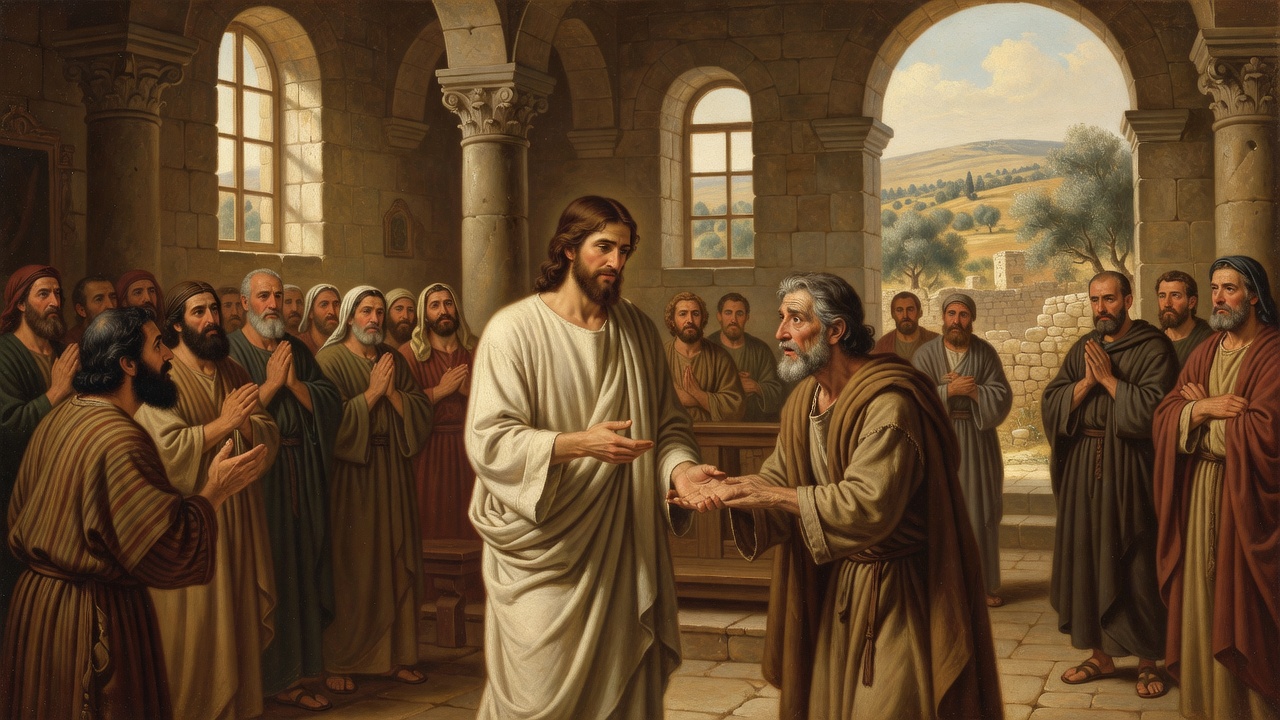
Did you know?
Lord of the Sabbath and Signs of the Kingdom
- When challenged by the Pharisees for plucking grain on the Sabbath, Jesus cited the Old Testament account of David eating the consecrated bread when he was hungry. He argued that human need and doing good take precedence over ritual regulations, declaring himself Lord of the Sabbath.Sources: the Bible text itself · David
- After casting out a demon from a blind and mute man, Jesus was accused of operating through Beelzebul, the prince of demons. Jesus rejected the charge, explaining that a divided kingdom or household cannot stand and that casting out demons by the Spirit of God demonstrates the arrival of God's kingdom.Sources: the Bible text itself · Satan
- In response to requests for a miraculous sign, Jesus pointed to the prophet Jonah, comparing Jonah's three days in the fish's belly to his own impending death and burial. He warned that the citizens of Nineveh and the Queen of the South would judge his generation because they responded to Jonah and Solomon, whereas someone greater was now present.Sources: the Bible text itself · Jonah · Nineveh · Solomon
Notes written with AI assistance from open sources (Theographic Bible Metadata, CC BY-SA 4.0; Easton’s Bible Dictionary, public domain) and reviewed before publishing.
Places in this chapter
Only places identified with high confidence are shown (90% or more according to the scholarly sources compiled by OpenBible). Period map: DARE (Digital Atlas of the Roman Empire), CC BY 4.0; modern map: © OpenStreetMap contributors; places: OpenBible.info (CC BY 4.0).
Credits and license for this translation
Bëngbe Bëtsa Cabëngaftaca Entsoyebuambna
New Testament in Camsá
copyright © 2009 Wycliffe Bible Translators, Inc.
Language: Camsá
Translation by: Wycliffe Bible Translators, Inc.
Copyright Information
© 2009, Wycliffe Bible Translators, Inc. All rights reserved.
This translation text is made available to you under the
terms of the Creative Commons License: Attribution-Noncommercial-No Derivative Works.
( http://creativecommons.org/licenses/by-nc-nd/3.0/ )
In addition, you have permission to port the text to different file formats, as long as you
do not change any of the text or punctuation of the Bible.
You may share, copy, distribute, transmit, and extract portions
or quotations from this work, provided that you include the above copyright
information:
You must give Attribution to the work.
You do not sell this work for a profit.
You do not make any derivative works that change any of the actual words or punctuation of the Scriptures.
Permissions beyond the scope of this license may be
available if you contact
us with your request.
The New Testament
in Camsá
© 2009, Wycliffe Bible Translators, Inc. All rights reserved.
This translation is made available to you under the terms of the
Creative Commons Attribution-Noncommercial-No Derivatives license 4.0.
You may share and redistribute this Bible translation or extracts from it in any format, provided that:
You include the above copyright and source information.
You do not sell this work for a profit.
You do not change any of the words or punctuation of the Scriptures.
Pictures included with Scriptures and other documents on this site are licensed just for use with those Scriptures and documents.
For other uses, please contact the respective copyright owners.
2016-05-05
Source: http://ebible.org/kbh/ · eBible.org