Luke 3
Bëngbe Bëtsa Cabëngaftaca Entsoyebuambna · Tap a verse to see its cross-references.
Juan chë Ubayaná ents̈anga yojanabuayiyná
1Bnë́tsana shachna uatama Tiberio César Romoca bëts mandado yojamna ora, Poncio Pilato yojamna Judeoca mandado, Heródesna Galileoca rey, chabe cats̈ata Felipe Iturea y Traconitoca rey, y Lisániasna Abilinioca rey. 2Anás y Caifás chë bachnangbe más uámana amëndayata ibojamna. Cach tempo, canÿe luare ents̈anga ndoyenents̈e Bëngbe Bëtsá tbojanatsëtsá Juánbioye; Juan, Zacaríasbe uaquiñá. 3As Juan nÿetsca luarënguëjana Jordán béjaye béconana tojánachnëngo, ents̈anga mënts̈á utsëtsnaye: “Ts̈ëngaftangbe bacna soyëngama ngménaca s̈mochtenójuaboye, chca amana s̈mochtsajbaná y Bëngbe Bëtsabe benache s̈mochtishache. Chora cbochjúbaye, y Bëngbe Bëtsá ts̈ëngaftangbe bacna soyëngama cmochanjáperdonaye ca.” 4Chë soye tojanopasá, cachcá nts̈amo chë Bëngbe Bëtsabe juabna oyebuambnayá Isaías chabe librë́s̈añe yojëftsabemcá. Cha mënts̈á tojanábema:
Ents̈anga ndoyena luaroca canÿa enduáyebuache:
“Bëngbe Utabná echanjabo ca; mo nda canÿe benache tojtseprontacá canÿe uámana ents̈á jashjanguama,
cachcá, ts̈ëngaftángnaca, Bëngbe Utabná jabama ainanents̈e ts̈abe juabnë́ngaca s̈mochtseprontana.
5Nÿetsca jachañe echantojútjia, y tjañe y batsjabenga mochantenájachibiaye.
Chë scundma benachënga ndirichëjënga echántsatsmëna, y chë bacá mana benachënga mochantenájachibiaye.
Mo chë chca tmojtsamëngcá, canÿe benache japróntana canÿe rey cháuashjanguama,
ts̈ëngaftángnaca bëtscá s̈mochtseprontana ts̈ëngaftangbe ainaniñe, Bëngbe Utabná jabama.
6Y nÿetsca ents̈anga mochanjinÿe chë Atsebacayá Bëngbe Bëtsábents̈ana jabana ca” —cha tojanábema.
7Chë ents̈anga Juan chaubáyama imojánbocana ora, Juan yojanëtsëtsnaye: “¡Mëts̈cuaye ents̈anga! ¿Nda tcmënjáuyana chë echanjóshjango uabouana castigüents̈ana s̈mochjotsbocá ca? 8Bëngbe Bëtsábeñe ndegombre os̈buáchiyënga s̈mochtsemna, as chca chaotsinÿna, ts̈ëngaftanga chë bacna soyënga amana ndegombre s̈mojtsajbanama. Y ndoñe s̈mattsejuabnaye cach ts̈ëngaftangbiama jayanama: ‘Bëngna Abrahámbents̈ana ents̈anga, Bëngbe Bëtsabe ents̈anga fsëndmëna ca’. Er ats̈e chanjayana, Bëngbe Bëtsá quem ndëts̈béngacnaca Abrahámbents̈ana ents̈anga nanjábiama. 9Tats̈nía ya entsaprontana chë betiyeshënga tbëtëjëngocana jtseshatë́tsets̈ama. Ndaye betiye ndoñe tonjashájona, jtseshatëts̈ana y iñoye jtsatmets̈ana; ts̈ëngaftangaftácnaca cachcá, ts̈abe soyënga ndoñe s̈montsamëse, Bëngbe Bëtsá cmochanjácastigaye ca” —cha yojanëtsëtsnaye.
10—¿Y as, ndayá jamama s̈ojtsamna ca? —chora chë ents̈anga tmojantjá.
11Y Juan tojanë́jua: —Chë uta quëfsaíya uabomná bontsemna canÿiyá juts̈tayana chë tondaye tonduabomná. Saná bomná bontsemna juajatayana chë tondaye saná tondbomnábioye ca.
12Romocama ents̈ángbioye impuesto atjanayë́ngnaca jenábayama tmojánabo. Chënga Juánbioye tmojantjá: —Buatëmbayá, ¿ndayá jamama s̈ojtsamna ca?
13Y Juan tojanë́yana: —Nÿe nts̈amo chë leyiñe yomandancá ents̈ángbioye crocénana s̈mochtsayëngacaye ca.
14Básefta soldadë́ngnaca chábioye tmojantjá: —¿Ndayá jamama s̈ojtsamna ca?
Y Juan tojanë́yana: —Ndocnábioye tondaye s̈matjáboca, ni jauátjanase, ni nÿe ndayámnaca bonamente jobuáchëse; y nÿe ntsachets̈á s̈macaná crocenánaca oyejuayënga s̈mochtsomñe ca.
15Ents̈anga chë Bëngbe Bëtsabe Uámana Uabuayanabiama imojtsobátmana, y chëngna Juanbiama imojétsejuabnaye nderado cha chë Bëngbe Bëtsabe Uámana Uabuayaná nanjamna ca; 16pero Juan tojanë́yana: “Ndegombre, ats̈e béjayeca cbondubáyana. Pero chë echanjabá ats̈biama corente más obenana endbomna, y ats̈e merecido taitsatobuajoñe ni mo jotsejbiyana chabe shecochëtjonëshents̈a corriëja jajafjonama. Chë Bëngbe Bëtsabe benache chamojtishachëngbiama, Bëngbe Bëtsá echanjama chë echanjabábeyeca, chë Uámana Espíritu chëngbe ainaniñe cháuamashënguama. Pero chë ndoñe chamontishachëngbiamna, Bëngbe Bëtsá echanjama chë echanjabábeyeca, chënga corente castigánënga chamotsemnama, mo iñeshequëcá. 17Canÿe ents̈á chabe mëts̈tá cucuats̈iñe jiyëbana, chabe trigo jtsóbobemama, y chë ndoservena shácuanënga jtsejashtsëtsana. Chabe trigo chë grano uaquëcjnaye tsañe jtsabuájuana, y chë ndoservena shácuanëngna íñeshoye jtsatmets̈ana. Cachcá, chë áts̈bents̈ana echanjabá, chë ts̈abe ents̈anga echanjúbuaja, y chë bacna ents̈angna íñeshiñe echantsacastígaye, y chë iñe ndocna te queochátsfsana ca” —cha tojanë́yana.
18Chca y inÿe palabrë́ngaca Juan chë ts̈abe noticiëngama yojanabuayiyná. 19Tempo, Juan Heródesbioye tbojanácacana, cha tojanobouamama cachabe cats̈ata Felipbe shémaftaca, Felipe cabá oyena ora; chana Herodías ca uabainá. Chama Juan tbojanácacana y nÿetsca bacna soyënga Herodes tojanmámnaca. 20Pero Herodes Juánbioye joyeunaye luariñna, cabá inÿe más bëts bacna soye tojátanma: Juánbioye cárceloye tbojtsanëtame.
Juan, Jesúsbioye tbojanabaye
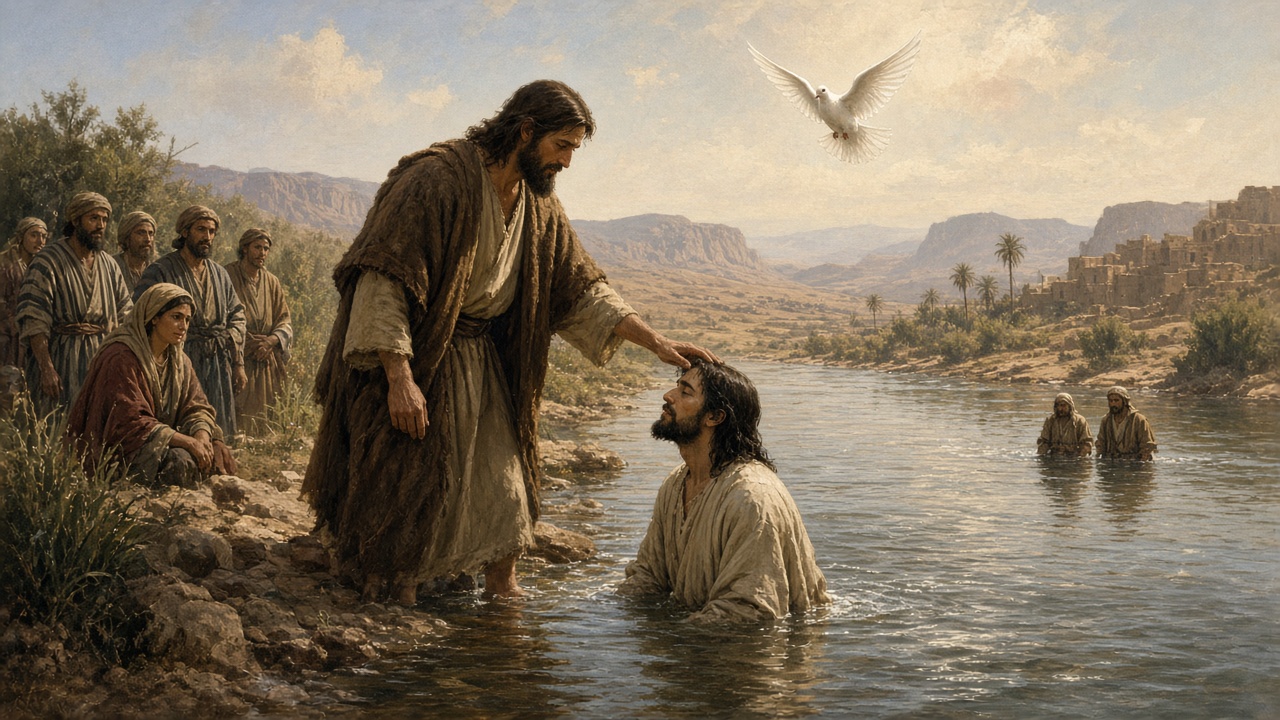
21Pero Herodes Juánbioye cabá ndutame ora, Juan ba ents̈anga tojanëbaye, y Jesúsnaca tojánabo jenábayama. Ibojtsabayanëntscuana, Jesús Bëngbe Bëtsáftaca ibojtsencuéntaye; y chora celoca yojotëfjo, 22y chë Uámana Espíritu mo canÿe palomatemcá Jesúsbioye yojtsastjajuana; y celocana Bëngbe Bëtsá tbojaniyana: “Acna ats̈be bonshana Uaquiñá condmëna. Acbiama corente sëntsoyejuá ca.”
Jesusbe bëts taitanga
23Jesús unga bnë́tsana uata yojtsebomna, ents̈ángbeñe Bëngbe Bëtsabe soyëngama jóyebuambayama yojonts̈é ora. Ents̈anga imojanjuabná Jesús Josebe uaquiñá yojamna ca.
José yojamna Elibe uaquiñá.
Elí Matatbe uaquiñá
y Matatna Levibe uaquiñá.
Leví yojamna Melquibe uaquiñá,
Melqui Janabe uaquiñá
y Jana Josebe uaquiñá.
José yojamna Matatíasbe uaquiñá,
Matatíasna Amosbe uaquiñá.
Amós Nahumbe uaquiñá,
Nahúm Eslibe uaquiñá
y Esli yojamna Nagaibe uaquiñá.
Nagai yojamna Maatbe uaquiñá,
Maatna Matatíasbe uaquiñá.
Matatías Semeibe uaquiñá,
Semei Josecbe uaquiñá
y Josec yojamna Judabe uaquiñá.
Judá yojamna Joananbe uaquiñá
y Joanán Resabe uaquiñá.
Resa Zorobabelbe uaquiñá,
Zorobabel Salatielbe uaquiñá,
y Salatielna Neribe uaquiñá yojamna.
Neri yojamna Melquibe uaquiñá,
Melqui Adibe uaquiñá.
Adi Cosambe uaquiñá,
Cosam Elmadambe uaquiñá,
y Elmadamna yojamna Erbe uaquiñá.
Er yojamna Jesusbe uaquiñá
y Jesús Eliezerbe uaquiñá.
Eliezer Jorimbe uaquiñá
y Jorimna Matatbe uaquiñá.
Matat yojamna Levibe uaquiñá,
Leví Simeonbe uaquiñá
y Simeón Judabe uaquiñá.
Judá Josebe uaquiñá,
José Jonambe uaquiñá,
y Jonamna yojamna Eliaquimbe uaquiñá.
Eliaquim yojamna Meleabe uaquiñá,
Melea Menabe uaquiñá.
Mena Matatbe uaquiñá,
y Matata yojamna Natanbe uaquiñá.
Natán yojamna Davidbe uaquiñá,
David Isaíbe uaquiñá
y Isaína Obedbe uaquiñá.
Obed Boozbe uaquiñá,
Booz Salabe uaquiñá
y Sala yojamna Naasonbe uaquiñá.
Naasón yojamna Aminadabëbe uaquiñá,
Aminadab Adminbe uaquiñá
y Admin Arnibe uaquiñá.
Arni Esrombe uaquiñá,
Esrom Fáresbe uaquiñá
y Fáresna yojamna Judabe uaquiñá.
Judá yojamna Jacobëbe uaquiñá,
Jacob Isaacbe uaquiñá
y Isaacna Abrahambe uaquiñá.
Abraham Tarebe uaquiñá
y Taré yojamna Nacorbe uaquiñá.
Nacor yojamna Serugbe uaquiñá,
Serug Ragaube uaquiñá
y Ragauna Pelegbe uaquiñá.
Peleg Heberbe uaquiñá,
y Heber yojamna Salabe uaquiñá.
Sala yojamna Cainanbe uaquiñá,
Cainán Arfaxadbe uaquiñá
y Arfaxadna Sembe uaquiñá.
Sem Noebe uaquiñá
y Noé yojamna Lamecbe uaquiñá.
Lamec yojamna Matusalenbe uaquiñá,
Matusalén Enocbe uaquiñá
y Enocna Jaredbe uaquiñá.
Jared Mahalaleelbe uaquiñá,
y Mahalaleelna yojamna Cainanbe uaquiñá.
Cainán yojamna Enosbe uaquiñá,
Enós Setbe uaquiñá,
Set Adanbe uaquiñá
y Adán Bëngbe Bëtsabe uaquiñá.
Did you know?
John the Baptist prepares the way
- Luke sets John's preaching in the fifteenth year of Tiberius Caesar, the stepson of Augustus, who succeeded him in A.D. 14 and died in A.D. 37. Easton's Bible Dictionary (1897) notes that John began his public ministry in that year, and that Pontius Pilate, the sixth Roman procurator of Judea from A.D. 26 to 36, kept his headquarters at Caesarea during a term that covered the ministries of John and Jesus. Herod Antipas, a son of Herod, was then tetrarch of Galilee.Sources: the Bible text itself · Tiberius · Pontius Pilate · Herod Antipas
- The chapter dates these events during the high priesthood of both Annas and Caiaphas. Easton's Bible Dictionary (1897) records that Annas was high priest from A.D. 7 to 14 and was deposed by the Roman procurator, and that Caiaphas, who had married Annas's daughter, was raised to that office in A.D. 25. The same entry suggests that the Jews may still have regarded Annas as the lawful high priest, since Mosaic law held the office for life, and that he probably served with Caiaphas as president of the Sanhedrin or as the high priest's deputy.Sources: the Bible text itself · Annas
- John, son of Zechariah, was of priestly descent: his father was a priest of the course of Abia, and his mother, Elizabeth, belonged to the daughters of Aaron. Easton's Bible Dictionary (1897) notes that his mission was the subject of prophecy, including Isaiah's voice crying in the wilderness, and that his birth came six months before the birth of Jesus. In this chapter he preaches a baptism of repentance throughout the region around the Jordan, and Herod the tetrarch later imprisons him after John rebukes him over Herodias.Sources: the Bible text itself · John the Baptist
Notes written with AI assistance from open sources (Theographic Bible Metadata, CC BY-SA 4.0; Easton’s Bible Dictionary, public domain) and reviewed before publishing.
Places in this chapter
- Abilene · 33.627, 36.106 · verse 1
- Galilee · 32.760, 35.527 · verses 1, 19
- Ituraea · 33.400, 35.850 · verse 1
- Judea · Today: Judea 1 · 31.777, 35.234 · verse 1
- Trachonitis · Today: Lajat · 32.969, 36.455 · verse 1
- Jordan · Today: Jordan River · 31.761, 35.558 · verse 3
Only places identified with high confidence are shown (90% or more according to the scholarly sources compiled by OpenBible). Period map: DARE (Digital Atlas of the Roman Empire), CC BY 4.0; modern map: © OpenStreetMap contributors; places: OpenBible.info (CC BY 4.0).
Credits and license for this translation
Bëngbe Bëtsa Cabëngaftaca Entsoyebuambna
New Testament in Camsá
copyright © 2009 Wycliffe Bible Translators, Inc.
Language: Camsá
Translation by: Wycliffe Bible Translators, Inc.
Copyright Information
© 2009, Wycliffe Bible Translators, Inc. All rights reserved.
This translation text is made available to you under the
terms of the Creative Commons License: Attribution-Noncommercial-No Derivative Works.
( http://creativecommons.org/licenses/by-nc-nd/3.0/ )
In addition, you have permission to port the text to different file formats, as long as you
do not change any of the text or punctuation of the Bible.
You may share, copy, distribute, transmit, and extract portions
or quotations from this work, provided that you include the above copyright
information:
You must give Attribution to the work.
You do not sell this work for a profit.
You do not make any derivative works that change any of the actual words or punctuation of the Scriptures.
Permissions beyond the scope of this license may be
available if you contact
us with your request.
The New Testament
in Camsá
© 2009, Wycliffe Bible Translators, Inc. All rights reserved.
This translation is made available to you under the terms of the
Creative Commons Attribution-Noncommercial-No Derivatives license 4.0.
You may share and redistribute this Bible translation or extracts from it in any format, provided that:
You include the above copyright and source information.
You do not sell this work for a profit.
You do not change any of the words or punctuation of the Scriptures.
Pictures included with Scriptures and other documents on this site are licensed just for use with those Scriptures and documents.
For other uses, please contact the respective copyright owners.
2016-05-05
Source: http://ebible.org/kbh/ · eBible.org