Luke 24
Bëngbe Bëtsa Cabëngaftaca Entsoyebuambna · Tap a verse to see its cross-references.
Jesús tojtanayena
1Y tmengo, chë inÿe semana bojats̈éntena, cabá cachëse, Jesús tmojanatbontsá cuevëshoye chë shembásenga tmojána, y tmojanamba chë tmojanprontá botamana uanguëts̈e soyënga. 2Pero choye tmojánashjajna orna, tmojáninÿena chë cuevëshoye amashjuanents̈a ndëts̈bé chents̈ana juanániñe, 3y choye tmojánamashjna ora, Bëngbe Utabná Jesusbe cuerpo ndoñe tmonjáninÿena. 4Chë shembásengna ndoñe imontsetáts̈ëmbo nts̈amo jajuaboyana chë soyama; chora, uta boyabásata, uabuashinÿinÿana ents̈ayá uichë́tjonata chents̈e tbojabántsaye. 5Y chë shembásenga tmojanëuatjanama y fshantsoye imojtsatsejbénama, chata tbojanë́yana: “¿Ndáyeca obanë́ngbents̈e chë vida totsobomñá s̈mojtsenguá ca? 6Muents̈e cha ndocná quenátsmëna, er cha ya tontayena. Menójuabonga ndayá cha tcmojanë́yanama, cha cabá Galileoca enjamna ora. Cha tonjánayana: 7‘Chë Bëngbe Bëtsá Ents̈á tbojanbemá bontsemna bacna soye amëngbe cucuats̈iñe chamoboshjonama, chamocrucificama y unga tianoye cháuatayenama ca’ ” —chata tbojánayana.
8Chora chë shembásenga Jesusbe palabrëngama imojtenójuaboye, 9y chë cuevëshents̈ana tmojtaná ora, chë ts̈abe noticiënga chë bnë́tsana canÿe uatsjéndayënga y inÿe ents̈ángbioye tmojanacuntá. 10Chë uatsjéndayëngbioye chca cuentayëngna imojamna María Magdalena, Juana, y María, chë Santiagbe mamá, y chë inÿe shembásenga chë́ngaftaca imojamnënga. 11Pero chë uatsjéndayëngna mënts̈á chë shembásengbiama imojétsejuabnaye: “Chënga montsoyebuambná mo corente juabna ndbomnëngcá ca.” Y chca, chënga chë soyiñe ndoñe montsanos̈buaché.
12Pero chents̈ana, Pedro tojëftsantsbaná y ochamanana chë Jesús tmojanjajó cuevëshoye tojána. Y choca yojtsemna ora, yojotsejbéna tsoye jontjes̈iyama, pero nÿe ena ents̈ëjuangá yojuinÿe, chë Jesús tmojanbochmëjuangá. As Pedro ojnananá yebnoye yojtá, chca tojanopasama.
Chë Emaús puebloye benachiñe
13Cach te, uta uatsjéndayata Emaús puebloye ibojtsaye. Emaús yojamna Jerusalenocana bnë́tsana canÿe kilómetroca. 14Chata ibojtsayencuéntaye lempe nts̈amo tojanopasama. 15Y tojanopasá, ibojtsencuéntaye y ibojtsenatsëtsnayëntscuana, cach Jesús tojanobeconá y chátaftaca cánÿiñe yojtsaye; 16masque imojtsonÿaye, ndoñe ibontsobena cha jótëmbana. 17Jesús tojanë́yana: —¿Ndayama benachiñe s̈uabanencuéntaye ca?
As chata ngménaca ibojotsaye, 18y canÿa, Cleofás ca uabainá, tbojaniyana: —¿Nÿe aca cojtsemna, inÿe luarocana ashjangoná Jerusalenents̈e oyená, ndayá chents̈e quem diënga yopasánama ndëtats̈ëmbuá ca?
19Chora cha tojanë́yana: —¿Ndaye soyënga ca?
Y chata tbojaniyana: —Chë Jesús Nazaretocáftaca tonjopasá soyëngama. Cha enjamna canÿe Bëngbe Bëtsabe juabna oyebuambnayá, puerte obenana bomná ndayá jamama y jayanama, Bëngbe Bëtsabe delante y nÿetsca ents̈angbe delante. 20Y nts̈amo, chë bachnangbe amë́ndayënga y chents̈a mandadënga ínÿengbe cucuats̈iñe tmonjáboshjona, jóbanama ibojtsemna ca ents̈anga chamuayanama y chamocrucificama. 21Bënga chabiama fsënjanobátmana, Césarbe cucuats̈ents̈ana Israeloca ents̈angbe atsebacayá chaotsemnama; pero morna ya unga te entsemna chca tonjopasá. 22Y mora ndayá, básefta shembásenga bëngbe enutënga ójnanana soyënga s̈onjáuyana. Chënga cabá cachëse chë Jesusbe cuerpo tmonjanjajó cuevëshoye tmonjá, 23y chabe cuerpo ndoñe tmonjínÿena; as chora chënga bë́ngbioye tmontabo y montsabíchamo angelënga tmojë́ftsanÿe y chënga catmënjayana cha ainá yojtsatsmëna ca. 24Bë́ngbents̈ana baseftángnaca chents̈ana chë cuevëshoye tmonjá, y tmojínÿena nts̈amo chë shembásenga tmonjayancá, pero Jesús ndoñe tmonjë́ftsinÿe ca —chata ibojtsichamo.
25As Jesús chata tojanë́yana: —¡Ts̈a juabna ndbomnënga y ts̈a uenana jos̈buáchiyama, chë Bëngbe Bëtsabe juabna oyebuambnayënga tmojánayana soyëngama! 26¿Mo ndoñe yonjamna chë Uámana Uabuayaná chë soyënga chaosufrima, y chents̈ana nÿetsca ents̈anga corente cha chamuatschuama ca?
27Chents̈ana Jesús tojanonts̈é chata jábuayenana, lempe nts̈amo chabiama yojanoyebuambnacá chë Bëngbe Bëtsabe uabemana palabrënguiñe; yojonts̈é Moisesbe librë́s̈angañe y chë Bëngbe Bëtsabe juabna oyebuambnayëngbe librës̈angáñnaca.
28Chë ibojétsaye puebloye imojtsebeconá ora, Jesús tojanma mo más chcoye cuaftsacá. 29Pero chatna tmojanatarié chents̈e chaotsoquedáñama, mënts̈á jauyanëse: —Bëndátaftaca motsoquedañe; ya jetiñe entsemna y ya echanjaibétata ca.
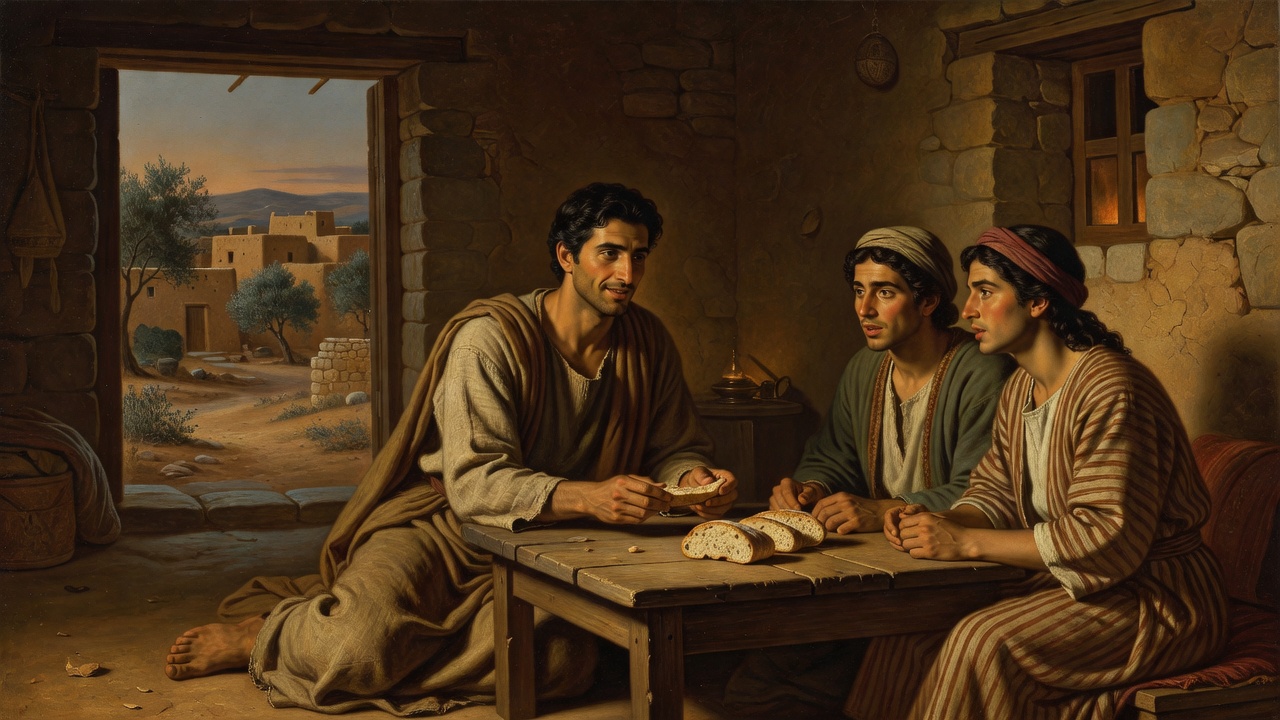
As Jesús chátaftaca tojtsanoquedañe. 30Chents̈ana tojanopasá, juasama mesë́shents̈e imojtsetbiámana ora, Jesús chë tandës̈e tojanca, Bëngbe Bëtsábioye tbojtanchuá, chë tandës̈e tojanjatá, y chata tojanats̈atá. 31As, chora chë uatsjéndayata ibojobenaye Jesús jótëmbana; pero chana nÿe ndeolpe yojuenatjëmba. 32Chora chata ibojtsenatsëtsnaye: “Chë benachiñe Bëngbe Bëtsabe uabemana palabrëngama s̈ondabuayiyná ora, ndegombre bëngbe ainaniñe más bontsebos̈e cha más chas̈otsabuayiynama, ¿ndoñe chca ca?”
33As, cachora tbojëftsantsbanata y Jerusalenoye tbojtanata; choca tmojáninÿena chë bnë́tsana canÿe uatsjéndayënga cánÿents̈e imojtsemna y chëngbe enutë́ngnaca; 34y mënts̈á imojtsichamo: —¡Ndegombre Bëngbe Utabná tojtayena; Simónbioye tbojébëbocna ca!
35As chata tbojanonts̈é jacúntana, nts̈amo benachiñe tbojanpasacá, y nts̈amo Jesúsbioye imojótëmba, chë tandës̈e tojanjatá ora.
Jesús chabe uatsjéndayënga tojánebëbuacna
36Chë uatsjéndayënga chë soyëngama cabá imojtsencuéntantscuana, Jesús chëngbe tsëntsaca tojabántsaye y mënts̈á tojanë́yana: “Chë ats̈be ainaniñe ts̈abe ebionana ts̈ëngaftangaftaca chaotsemna ca.”
37Pero chënga ts̈a auatjanánënga imojtsemna, y canÿe añemëse imojétsonÿaye ca imojtsejuabnaye. 38Pero Jesús tojanë́yana: “¿Ndáyeca auatjanánënga s̈mojtsemna? y ¿ndáyeca ts̈ëngaftangbe ainaniñe chca s̈mojtsejuabná ca? 39Ats̈be cucuats̈ënga y ats̈be shecuats̈ënga minÿënga; s̈mobojajo y s̈mochanjinÿe. Cach ats̈e së́ntsemna. Canÿe añemësna, ni mënts̈ena ni betas̈ënga ntsebomnana; pero ts̈ëngaftanga s̈montsonÿá, ats̈na aíñe ca” —tojanë́yana.
40Chca yojtsichámëse, chabe cucuats̈ënga y chabe shecuats̈ënga tojaninÿanÿé. 41Y chënga cabá ndoñe montsanos̈buaché, chca noticiama corente imojtsóyejuama y ts̈a ojnanánënga imojtsemna causa; as Jesús tojanatjá: “¿Muents̈e ndayá jasama ques̈mëbomna ca?”
42As canÿe tabena buana beonbiana tmojanoyé; 43Jesús tojanocñe y chë́ngbents̈e tojanse. 44Chents̈ana Jesús tojanë́yana: “Quem palabrënga entsemna nts̈amo cabá ts̈ëngaftangaftaca sënjamna ora tcbonjanëyancá: Entsemna, lempe chaopasá nts̈amo ats̈biama iuabemancá, Moisesbe leyënguiñe, chë Bëngbe Bëtsabe juabna oyebuambnayëngbe uabemana librë́s̈angañe y Salmos librë́s̈añnaca ca.”
45Y chora chë uatsjéndayënga, Jesúsbeyeca tmojanobená chë Bëngbe Bëtsabe uabemana palabrëngama josértana. 46Chents̈ana Jesús tojanë́yana: “Nts̈amo ats̈biama iuabemancana yomna, chë Bëngbe Bëtsá Ents̈á tbojanbemá chaosufrí y unga tianoye chauatayena ca. 47Y morna ats̈be uabaina jayanëse, áts̈beñe betsos̈buáchema, nÿets quem luarents̈e s̈mochjónts̈a ents̈anga ats̈biama jábuayenama, bacna soyënga amana chamuajbanama, as chca, Bëngbe Bëtsá chëngbe bacna soyëngama cháuaperdonama; chë soyënga Jerusalenents̈e chaobojats̈é. 48Ts̈ëngaftanga ats̈biama soyënga s̈monjinÿe y s̈mondë́tats̈ëmbo. 49Ats̈be Taitabe s̈buachenaná, ts̈ëngaftangbiama chanjíchmua. Pero morna camuents̈e Jerusalenents̈e moquedanga, Bëngbe Bëtsabe obenana chas̈móyëngacñëntscuana ca” —cha tojanë́yana.
Jesús celoye tojtantsjuá
50Chents̈ana, Jesús chabe uatsjéndayënga ínÿoye tojanënatse, Betania pueblo béconana. Y chabe buacuats̈ënga játsbanase, Bëngbe Bëtsá tbojanimpadá chë uatsjéndayënga ts̈abe bendicionënga chamóyëngacñama. 51Chca yojtsamëntscuana, cha chë́ngbents̈ana tojanoluaré y tojanonts̈é celoye játsjuana. 52Chë uatsjéndayëngna, Jesús tmojtanadorá chents̈ana, Jerusalenoye oyejuayënga tmojtaná; 53y cada te, Bëngbe Bëtsabe bëts yebnoye imojánajna, Bëngbe Bëtsá jëtschuayama.
Did you know?
Resurrection morning and the road to Emmaus
- Luke describes Emmaus as a village about seven miles from Jerusalem. Easton's Bible Dictionary (1897) quotes that distance as three-score furlongs and records two identifications: el-Kubeibeh, over seven miles northwest of Jerusalem, whose name, 'little dome,' comes from the remains of a Crusaders' church still found there, and Khurbet Khamasa, 'the ruins of Khamasa,' about eight miles southwest, where Crusader ruins are also found.Sources: Emmaus · the Bible text itself
- Mary Magdalene, Joanna, Mary the mother of James, and other women with them were the ones who told the apostles what had happened at the tomb. Mary Magdalene takes her name from Magdala, her birthplace, and Easton's Bible Dictionary (1897) calls it a mistake to identify her with the woman called 'a sinner' in Luke 7. Joanna, the wife of Chuza, steward of Herod Antipas, tetrarch of Galilee, was one of the women who ministered to Jesus, and the same dictionary says he appeared to her after the resurrection.Sources: Mary Magdalene · Joanna · the Bible text itself
- One of the two disciples on the road is named Cleopas, a shortened form of Cleopatros. Easton's Bible Dictionary (1897) says that nothing definite is known about him, and that it is not certain he was the Clopas of John 19:25 or the Alphaeus of Matthew 10:3, although he may have been.Sources: Cleophas · the Bible text itself
Notes written with AI assistance from open sources (Theographic Bible Metadata, CC BY-SA 4.0; Easton’s Bible Dictionary, public domain) and reviewed before publishing.
Places in this chapter
- Galilee · 32.760, 35.527 · verse 6
- Jerusalem · 31.777, 35.234 · verses 13, 18, 33, 47, 49, 52
- Nazareth · 32.702, 35.298 · verse 19
Only places identified with high confidence are shown (90% or more according to the scholarly sources compiled by OpenBible). Period map: DARE (Digital Atlas of the Roman Empire), CC BY 4.0; modern map: © OpenStreetMap contributors; places: OpenBible.info (CC BY 4.0).
Credits and license for this translation
Bëngbe Bëtsa Cabëngaftaca Entsoyebuambna
New Testament in Camsá
copyright © 2009 Wycliffe Bible Translators, Inc.
Language: Camsá
Translation by: Wycliffe Bible Translators, Inc.
Copyright Information
© 2009, Wycliffe Bible Translators, Inc. All rights reserved.
This translation text is made available to you under the
terms of the Creative Commons License: Attribution-Noncommercial-No Derivative Works.
( http://creativecommons.org/licenses/by-nc-nd/3.0/ )
In addition, you have permission to port the text to different file formats, as long as you
do not change any of the text or punctuation of the Bible.
You may share, copy, distribute, transmit, and extract portions
or quotations from this work, provided that you include the above copyright
information:
You must give Attribution to the work.
You do not sell this work for a profit.
You do not make any derivative works that change any of the actual words or punctuation of the Scriptures.
Permissions beyond the scope of this license may be
available if you contact
us with your request.
The New Testament
in Camsá
© 2009, Wycliffe Bible Translators, Inc. All rights reserved.
This translation is made available to you under the terms of the
Creative Commons Attribution-Noncommercial-No Derivatives license 4.0.
You may share and redistribute this Bible translation or extracts from it in any format, provided that:
You include the above copyright and source information.
You do not sell this work for a profit.
You do not change any of the words or punctuation of the Scriptures.
Pictures included with Scriptures and other documents on this site are licensed just for use with those Scriptures and documents.
For other uses, please contact the respective copyright owners.
2016-05-05
Source: http://ebible.org/kbh/ · eBible.org