John 16
Bëngbe Bëtsa Cabëngaftaca Entsoyebuambna · Tap a verse to see its cross-references.
1Mënts̈ánaca Jesús tojánayana: “Ats̈e quem soyënga cbontsëtsëtsná, ts̈ëngaftanga áts̈beñe os̈buáchiyana ndoñe chas̈mondájbanama, ats̈be causa chas̈mojtsesufrina ora. 2Chëngna, chë judiëngbe enefjuana yebnënguents̈ana cmochantë́buacana. Chca tempo chaojobuache ora, chë ts̈ëngaftanga chacmojtsëbáyënga mënts̈á mochántsejuabnaye: ‘Bënga ts̈abá tmonjama ca. Nts̈amo Bëngbe Bëtsá yojtsebos̈cá, cachcá bënga tmonjama ca.’ 3Chënga, chë Taitá Bëngbe Bëtsá ndoñe quematábuatma, y áts̈bioye cach ndoñe. Chíyeca, chca cmochanjáborlaye. 4Ats̈e chca ts̈ëngaftanga cbontsëtsëtsná, nts̈amo tcbonjáuyanama chas̈muenójuaboma, chca tempo chaojobuache ora ca” —Jesús tojánayana.
Ndayá chë Uámana Espíritu inétsama
Mënts̈ánaca tojánayana: “Ents̈anga jábuayenama sënjanbojats̈é orscana, chë echanjopása soyëngama ndoñe quecbënjatanëtsëtsná, er ats̈e ts̈ëngaftangaftaca sënjétsemna. 5Pero morna, chë s̈ojichmó cha yomnoye chantá; y ts̈ëngaftanguents̈á ndocná s̈ochanjatjaye, ‘¿ndë́moye cojtsá ca?’ 6Mora, ts̈ëngaftangbe ainana ngménaca entsemna, ats̈e chca tcbonjáuyana causa. 7Pero ndegombre s̈cuayana: Ats̈e chanjá y chca ts̈ëngaftangbe ts̈abiama echántsemna. Ats̈e ndoñe quetsjase, chë Uajabuachaná y añemuayá ndoñe ts̈ëngaftangbioye queochátabo. Pero aíñe chanjá, y chora cha ts̈ëngaftangbioye chanjíchmua. 8Cha chaojáshjango ora, echanjama quem luarents̈a ents̈anga corente chamotsetáts̈ëmbo ndayá ndegombre yomna bacna soyënga jtsamana, ndayá ndegombre yomna chë Bëngbe Bëtsabe bominÿiñe ts̈abia jtsemnana, y ndayá yomna chë Bëngbe Bëtsá ents̈angbiama jayanana ts̈abá o ndoñe ts̈abá tmonjamama. 9Ents̈anga áts̈beñe ndoñe quematos̈buaché. Chíyeca chë Uajabuachaná echanjama chënga corente chamotsetáts̈ëmbo ndayá ndegombre yomna chë bacna soyënga jtsamana. 10Chë Taitábioye chanjá y ats̈e ndoñe más ques̈mochátinÿe. Chíyeca chë Uajabuachaná echanjama chënga corente chamotsetáts̈ëmbo ndayá ndegombre yomna Bëngbe Bëtsabe bominÿiñe ts̈abia jtsemnana. 11Quem luarents̈a bacna soyënga mándayabiama Bëngbe Bëtsá ya tonjayana, nts̈amo cha tojamama ndoñe ts̈abá yontsemna ca y nÿetsca tescama castiganá chaotsemna ca. Chíyeca chë Uajabuachaná echanjama ents̈anga corente chamotsetáts̈ëmbo, ndayá ndegombre yomna chë Bëngbe Bëtsá ents̈angbiama jayanana ts̈abá o ndoñe ts̈abá tmonjamama.
12“Ats̈e cabá ba soyënga së́ntsebomna ts̈ëngaftanga jáuyanama. Masque chcasna, mora ts̈ëngaftanga ndoñe ques̈mátobena chë soyëngama josértana. 13Pero chë Uámana Espíritu, chë nÿetsca soyënguiñe nts̈amo ndegombre yomncá oyebuambnayá, chaojáshjango ora, lempe nts̈amo ndegombre yomncá cmochanjabuatambá. Cha ndoñe nÿe cachabe juábnaca queochátoyebuambnaye. Nts̈amo chë Taitá chábioye tbojauyancá, ts̈ëngaftanga cachcá cmochanjáuyana, y cha cmochanjábuayenaye nts̈amo yochjopásama. 14Ats̈be soyënguents̈ana cha echanjóyëngacñe, y cach soyëngama cmochanjabuatambá. Chcase cha cmochanjínÿanÿiye ats̈e bëtsá y obená bétsemnama. 15Lempe nts̈amo chë Taitá endbomncá, ats̈be soyë́ngnaca endmëna. Chíyeca ats̈e tcbonjáuyana, chë Uámana Espíritu ats̈be soyënguents̈ana yochjóyëngacñe y cach soyëngama cmochjabuatambá ca.”
16“Baseftayté y ats̈e ndoñe más ques̈mochátinÿe. Inÿe baseftayté y cachiñe s̈mochantë́tinÿe ca” —Jesús tojanë́yana.
“Ts̈ëngaftangbe ngménana, oyejuayana echanjóbema”
17Chora Jesusbe básefta uatsjéndayënga imojtsentjanaye: —¿Nts̈amo yojtsents̈áyana, chë “baseftayté y ats̈e ndoñe más ques̈mochátinÿe, y inÿe baseftayté y cachiñe ats̈e s̈mochantë́tinÿe, er ats̈e chë Taitábioye chanjá ca”? 18¿Nts̈amo yojtsents̈áyana, chë “baseftayté ca”? Ndoñe quemuátstats̈ëmbo nts̈amo yojtsents̈áyanama ca —chënga imojtsichamo.
19Jesús yojtsetáts̈ëmbo chënga chca jatjayama imojtsebos̈ama, y tojanë́yana: —Ats̈e tcbonjáuyana: “Baseftayté y ats̈e ya ndoñe más ques̈mochátinÿe, y inÿe baseftayté y cachiñe ats̈e s̈mochantë́tinÿe ca.” ¿Chë soyëngama s̈mojtsentjaná nts̈amo stsents̈áyanama? 20Ndegombre s̈cuayana: Ts̈ëngaftanga s̈mochanjenóbos̈achna y puerte ngménënga s̈mochántsemna, pero chë nÿe quem luarama enójuabnaye ents̈anga corente oyejuayënga mochántsemna. Masque ts̈a ngménënga s̈mochántsemna, chents̈ana ts̈ëngaftangbe ngménana, oyejuayana echanjóbema. 21Canÿe shembása tbojonts̈abuache s̈es̈ona jónÿnama ora, ts̈a ngménaca cha jésemnana, puerte tbojtsetsets̈e causa. Chë s̈es̈ona ya tojonÿná ora, cha ndoñe ntsenójuabnayana chë ts̈a ibuántsets̈ama. Canÿe s̈es̈ona quem luaroye cháuashjanguama chë shembása tojámayeca, chora cha ts̈abá y oyejuayá jtsemnana. 22Ndegombre, ts̈ëngaftángnaca cachcá, chora ts̈a ngménaca s̈mochántsemna. Pero ats̈e ts̈ëngaftangbioye chaijésabo ora, ats̈e s̈mochantë́tinÿe y corente oyejuayënga s̈mochántsatsmëna. Y ndocná queochatobenaye chë oyejuayana jabuajuánana.
23“Chë te chaojóshjango ora, ts̈ëngaftanga ndocá ats̈e ques̈mochatstjaye. Ndegombre s̈cuayana, lempe nts̈amo ats̈be Taitá s̈mojotjañcá, y chca s̈mojama ats̈e jóts̈ëmbonëse, áts̈beñe s̈mos̈buachéyeca, cha lempe cmochanjáts̈ataye. 24Më́ntscoñama, ats̈be Taitá tondaye ches̈matotjañe ats̈e jóts̈ëmbonëse. Cha motjañënga y s̈mochanjóyëngacñe, y chca, bëtscá oyejuayana s̈mochántsebomna ca” —Jesús tojanë́yana.
Jesucristo, quem luarents̈e mandayábioye yënjanayá
25Mënts̈ánaca Jesús tojánayana: “Chë soyëngama lempe cuentë́ngaca ts̈ëngaftanga tcbonjáuyana; pero tempo echanjobuache, chora ats̈e ya ndoñe más cuentë́ngaca quecbochátëtsëtsnaye; chë cuentna, puerte botamana lempe ats̈be Taitabiama cbochanjáuyana. 26Chë tena, ats̈e jóts̈ëmbonëse, áts̈beñe s̈mos̈buachéyeca, ats̈be Taitábioye s̈mochanjotjañe. Y ats̈e cbë́yana; chca, chë te ndoñe ques̈ochatájaboto ts̈ëngaftangbiama ats̈be Taitá jatsimpadánana. 27Ats̈e ndoñe quichatsimpadana, er cach Taitá ts̈ëngaftanga cmondábabuanÿeshana. Ts̈ëngaftanga ats̈e s̈mondbobonshánama, y Bëngbe Bëtsábiocana ats̈e tijabama s̈mojtsos̈buáchema, chë Taitá cmondábabuanÿeshana. 28Ats̈e chë Taitábiocana sënjábocna y quem luaroye sënjabo. Pero mora quem luare chanjë́ftseboshjona ats̈be Taitábioye jtama ca” —Jesús tojánayana.
29Chora chabe uatsjéndayënga tmojaniyana: —Mora ya ndoñe cuentë́ngaca quecatoyebuambná, chíyeca lempe paselo josértama bëngbiama entsemna. 30Mora fsë́ntsetats̈ëmbo aca nÿetsca soyëngama cotats̈ëmbuama, y ndoñe quenátsiyta ndocná aca chacmátstjanama, er aca chëngbe juabnënga jtsabuatmana, chënga cabá aca ndëtjaye ora. Chíyeca bënga fsëntsos̈buaché aca Bëngbe Bëtsábiocana tcojabama ca —chënga tmojaniyana.
31As Jesús tojanë́yana: —¿Mora chiñe s̈mojtsos̈buaché ca? 32Ya tempo tocjobuache y cam ora entsemna, ts̈ëngaftanga nÿetsquénache s̈mochanjuáshana y ats̈e nÿe canÿa s̈mochanjéseboshjona. Pero ats̈e ndoñe nÿe canÿa quichátsmëna, chë Taitá áts̈eftaca entsémnayeca. 33Ats̈e lempe quem soyënga cbontsëtsëtsná, ts̈ëngaftangbe ainaniñe ts̈abe ebionana chas̈motsebomnama, áts̈eftaca cánÿiñe mo canÿacá jtsemnëse. Quem luarents̈e s̈mochanjasufrina; pero añemo s̈mochtsebomna, ats̈e ya chë quem luarents̈a mandayá sënjayënjaná ca —Jesús tojánayana.
Did you know?
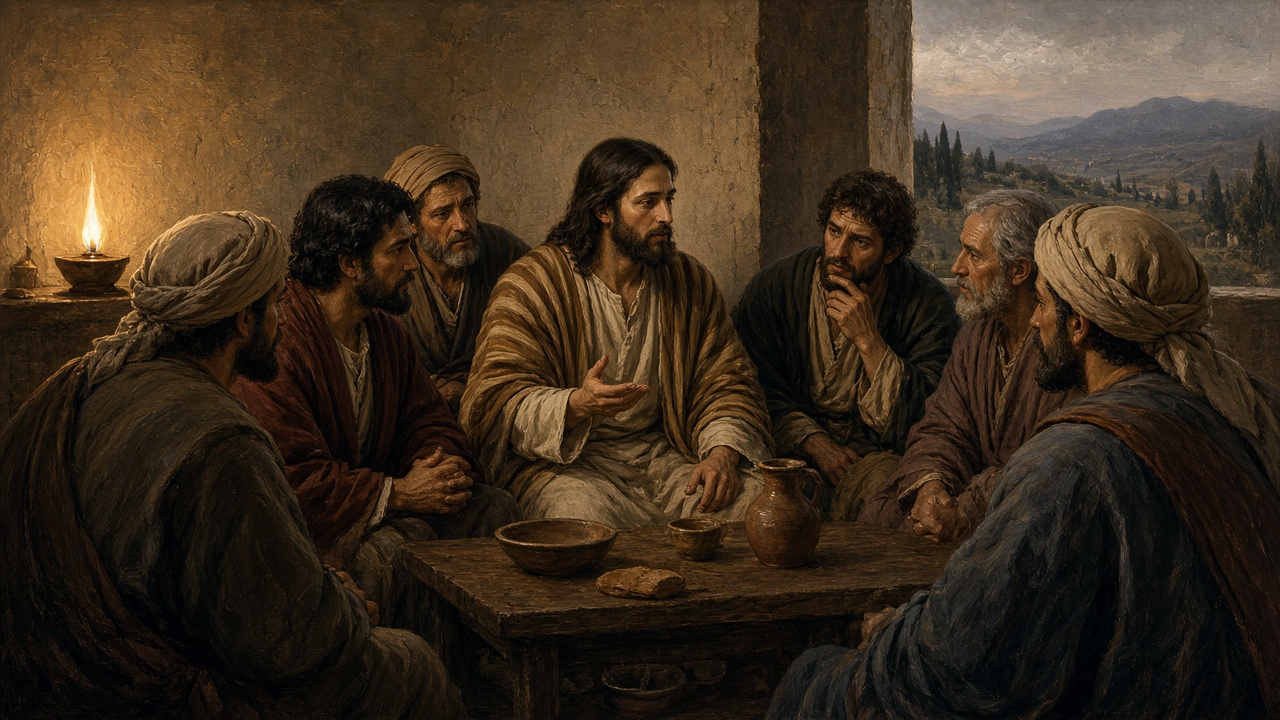
Departure, the Advocate, and joy after grief
- Event notes place this chapter in the Upper Room Discourse, a one-day episode within Holy Week, which those notes list as eight days.Sources: Upper Room Discourse · Holy Week
- Jesus tells the disciples they will be put out of the synagogues. He adds that a time is coming when anyone who kills them will think he is offering a service to God, because they have not known the Father or him.Sources: the Bible text itself
- He says it is for their benefit that he is going away, because unless he goes, the Advocate will not come. When the Spirit of truth comes, he will guide them into all truth, not speaking on his own but saying what he hears and declaring what is to come.Sources: the Bible text itself
Notes written with AI assistance from open sources (Theographic Bible Metadata, CC BY-SA 4.0; Easton’s Bible Dictionary, public domain) and reviewed before publishing.
Credits and license for this translation
Bëngbe Bëtsa Cabëngaftaca Entsoyebuambna
New Testament in Camsá
copyright © 2009 Wycliffe Bible Translators, Inc.
Language: Camsá
Translation by: Wycliffe Bible Translators, Inc.
Copyright Information
© 2009, Wycliffe Bible Translators, Inc. All rights reserved.
This translation text is made available to you under the
terms of the Creative Commons License: Attribution-Noncommercial-No Derivative Works.
( http://creativecommons.org/licenses/by-nc-nd/3.0/ )
In addition, you have permission to port the text to different file formats, as long as you
do not change any of the text or punctuation of the Bible.
You may share, copy, distribute, transmit, and extract portions
or quotations from this work, provided that you include the above copyright
information:
You must give Attribution to the work.
You do not sell this work for a profit.
You do not make any derivative works that change any of the actual words or punctuation of the Scriptures.
Permissions beyond the scope of this license may be
available if you contact
us with your request.
The New Testament
in Camsá
© 2009, Wycliffe Bible Translators, Inc. All rights reserved.
This translation is made available to you under the terms of the
Creative Commons Attribution-Noncommercial-No Derivatives license 4.0.
You may share and redistribute this Bible translation or extracts from it in any format, provided that:
You include the above copyright and source information.
You do not sell this work for a profit.
You do not change any of the words or punctuation of the Scriptures.
Pictures included with Scriptures and other documents on this site are licensed just for use with those Scriptures and documents.
For other uses, please contact the respective copyright owners.
2016-05-05
Source: http://ebible.org/kbh/ · eBible.org