John 12
Bëngbe Bëtsa Cabëngaftaca Entsoyebuambna · Tap a verse to see its cross-references.
María, botamana uanguëts̈iye Jesúsbeñe tbojanáshecbues̈cja
1Chnë́nguana te chë Bashco fiestama yojtsájamna ora, Jesús Betania puebloye tojtaná. Lázaro, chë Jesús tbojtanayená cha, choca inoyena. 2Chents̈na bëts saná Jesusbiama tmojanábua. Marta tojanëjuats̈é, y Lázaro yojtsemna chë Jesúseftaca juasama mesë́shañe imojtsetbiámanënguents̈e. 3As María canÿe jarrëtema tojanaca; chiñe yojanaftsuamna canÿe botamana uanguëts̈iye, bëtscá uámaniye, ena nárdoca pormániye. Chë uanguëts̈iye, María, Jesusbe shecuats̈ënguiñe tbojanáshecbues̈cja, y cachabe stjënashaca tbojtanshecbojó. Chora, chë yebnents̈e ena nardiyana yojtsonguëts̈iye.
4Chora, canÿa Jesusbe uatsjendayënguents̈á, Judas Iscariote, chë Jesús uayayëngbe cucuats̈iñe yochjanayents̈bashejuaná, tojánayana: 5—Quem botamana uanguëts̈iye unga patse denario crocénana enduámana. ¿Ndáyeca ndoñe s̈monjuiye y ndbomnëjémënga chë crocénana mas̈mëntsats̈atá ca?
6Pero Judas chca tojánayana, chë ndbomnëjémëngbeñe ntsejuabnaycá, sinó cha atbëbaná inamna causa. Judas chëngbe crocénana shecnës̈iñe yojánatbëna, y ba soye, chë shecnës̈oye imojanatsuáma crocenánents̈ana cha yojánatbëbana.
7As Jesús tbojanjuá: —Cachcá monÿá. María më́ntscoñe chë botamana uanguëts̈iye iuabofjájona, cha jobenayama áts̈beñe jabués̈cjama, er ndoñe bën y ats̈e s̈mochanjaitëme. 8Chë ndbomnëjémëngna ts̈ëngaftangbeñe sempre mochanjesomñe, pero ats̈e ndoñe ca —tojánayana.
Judiënga tmojanenoyeuná Lázaro jóbama
9Ba judiënga tmojántats̈ëmbona Jesús Betanioca yojtsemnama, y choye tmojána, ndoñe nÿe Jesús jinÿama, sinó Lázarnaca, chë Jesús tbojtanayená cha. 10As chë bachnangbe amë́ndayënga tmojanenoyeuná Lázarnaca jóbama. 11Chabe causa, ba judiënga chë́ngbioye cachcá tmojesanë́nÿa y Jesúsbeñe imojtsos̈buaché.
Jesús Jerusalenoye tojánashjango
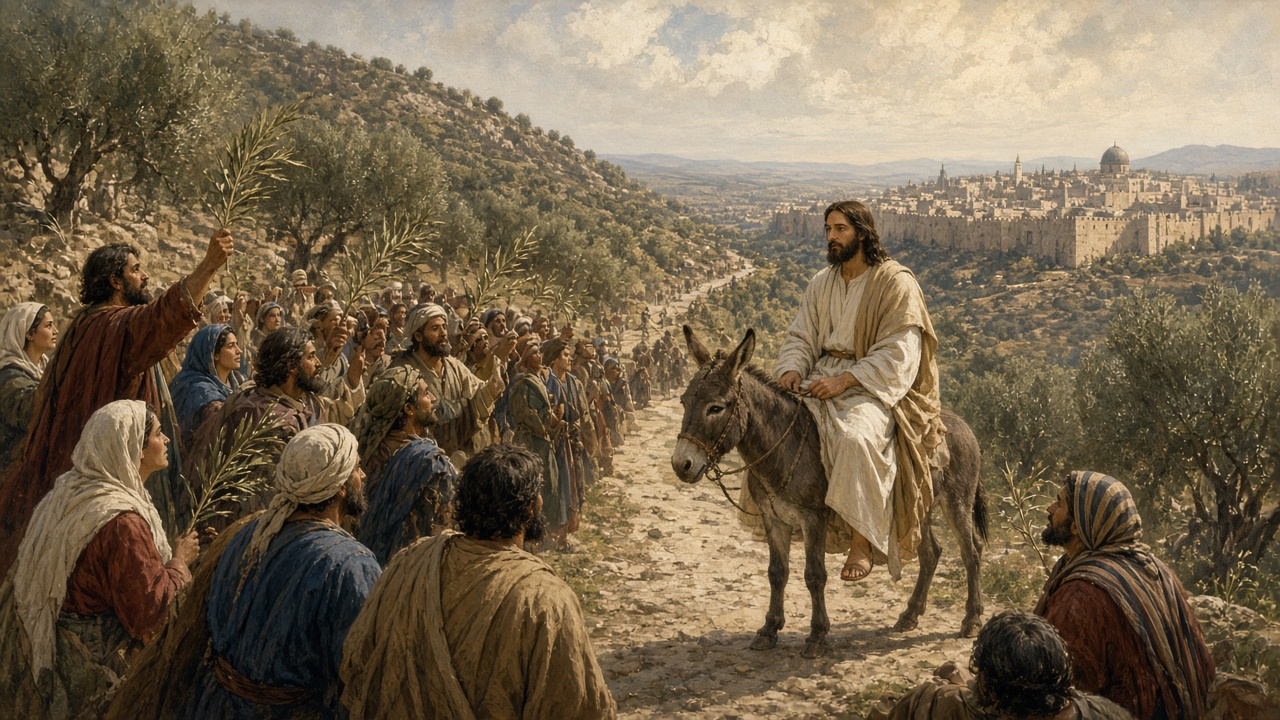
12Chë yëfsana, mallajta ents̈anga, Jerusalenoca fiestama tmojánashjajnënga, tmojántats̈ëmbona Jesús choye yochjánashjanguama. 13As chëngna palma betiye buacuafjënga tmojanatë́tsets̈e, y Jesús jajébenguama tmojánbocana, y mënts̈á imojtsáyebuache: “¡Bëngbe Bëtsá matschuanga! ¡Corente bendición bomná chë Bëngbe Utabnabe obenánaca tojabá! ¡Corente bendición bomná chë Israeloquëngbe Rey ca!”
14Jesús canÿe burrotema tbojáninÿena y chábeñe tojanenojayé. Nts̈amo Bëngbe Bëtsabe uabemana palabrënguiñe iuayancá, cachcá tojanopasá. Chiñe mënts̈á endayana Jerusalenoca ents̈angbiama:
15Sión bëts puebloca oyenënga, ndoñe matauatjëngana.
Minÿënga, ts̈ëngaftangbe Rey burrotémiñe enjaquená entsabó ca.
16Chca orna, Jesusbe uatsjéndayënga chë soyëngama ndoñe tonjanësertá; pero chents̈ana, Jesús corente bëtsá yomnama Bëngbe Bëtsá tojaninÿanÿé ora, chë uatsjéndayënga chama tmojanenojuabó, lempe nts̈amo Bëngbe Bëtsabe uabemana palabrënguiñe iuayancá y cachcá Jesúseftaca tojanopasama.
17Chë Jesúseftaca imojtsemna ents̈anga, Lázarbioye uatbontsánoye tbojanchembo ora y chents̈ana tbojtanayená ora, nts̈amo tmojáninÿama chora imojtsecuéntaye. 18Chíyeca, ba ents̈anga tmojánbocana Jesús jajébenguama, chë bëts soye Bëngbe Bëtsabe obenánaca cha tojanmama tmojanuénayeca. 19Pero chë fariseunga imojtsenatsëtsnaye: “Ts̈ëngaftanga s̈montsonÿá bënga tondaye jamama quemuátobenama y más, ¡nÿetscanga cha montsë́stona ca!”
Básefta Grecia luaroca ents̈anga Jesús tmojánguango
20Bashco fiestama, chë Bëngbe Bëtsá jadórama Jerusalenoye tmojánangbeñe, básefta griego ents̈ángnaca imojtsemna. 21Chëngna, Felipe chë Galilea luarocá, chë Betsaida pueblocábioye, tmojanobeconá y tmojanimpadá: “Señor, bënga fsë́ntsebos̈e Jesús jinÿama ca.”
22Chora Felipe tojána Andrés jauyanama, y chë útatna Jesúsbioye tbojána, chë grieguëngbiama jauenayama. 23Jesús chata tojanë́yana: “Chë Bëngbe Bëtsá Ents̈á tbojanbemá corente bëtsá yomnama jinÿanÿiyama te ya tocjobuache. 24Ndegombre s̈cuayana: Canÿe trigo jénaye ndoñe fshantsiñe tmonjuatbontsá y ndoñe tonjóbanëse, nÿe cach canÿe trigo jénaye jesomñana. Pero tmojuatbontsá y tojóbanase, bëtscá jashájonana. 25Cachcá, nda nÿe cachá tojtsenóbobonshana, cha chabe vida echanjëftsobuets̈e. Pero nda nÿe cachá ndoñe tontsenóbobonshana y nts̈amo ats̈e stsemandacá, quem luariñe vida tojtsebomnëntscuana cha tojtsamëse, chë nÿetsca tescama yomna ts̈abe vida echántsebomna. 26Nda nts̈amo stsemandacá jamama tojtsebos̈e, ats̈e chas̈otsë́stona. Chca, ndayents̈e ats̈e chaitsemna, chánaca, chë ats̈e oservená, chents̈e chaotsemna. Ats̈e s̈ojtseservénabiama, ats̈be Taitá Bëngbe Bëtsá echanjínÿanÿiye bëtsá yomnama ca” —Jesús tojánayana.
Jesús tojánayana cha yochjanóbanama
27Y más Jesús tojánayana: “¡Mora ts̈a cochtsets̈enaná së́ntsemna! ¿Ats̈e chjayana: ‘Taita, chë áts̈eftaca echanjopása soyënga s̈motsebojuaná ca?’ Ndoñe; er más chama ats̈e quem luaroye tijabo. 28Taita, s̈minÿanÿé aca puerte bëtsá y obená comnama ca.”
Y cachora, celocana canÿe oyebuambnayana tojanóbocna mënts̈á: “Ya tcbonjinÿanÿé ats̈e puerte bëtsá y obená tsmënama, y mora cachiñe cachcá chanjama ca.”
29Ents̈anga chca tmojanuena ora, ínÿenga imojtsichamo nÿe tojanjuésase ca; pero ínÿengna imojtsichamo: —Canÿe ángel chábioye tbonjuatsëtsá ca.
30Chora Jesús tojanë́yana: —Nts̈amo s̈monjouencá, ats̈biama ndoñe quenátsmëna, sinó ts̈ëngaftangbiama. 31Mora chë tempo entsemna, chë quem luare ents̈anga tmojë́ftsema bacna soyënga jinÿanÿiyama y chëngbe castiguama jayanama. Y mora, chë nÿetsca bacna soyënga mandayá, quem luarents̈ana mochantábocna. 32Pero ats̈e fshantsocana atsbananá chaitsemna ora, nÿetsca ents̈anga áts̈bioye chanjúbuaja ca —Jesús tojánayana.
33Chca cha yojtsichamo, ana jinÿanÿiyama nts̈amo jóbanama ibojamnama. 34Chora chë ents̈anga tmojanjuá: —Bëngbe Bëtsabe uabemana palabrënguiñe endayana, y chíyeca bënga fsëndë́tats̈ëmbo chë Cristo nÿetsca tescama vida yochtsebomna ca. As, ¿ndáyeca cojtsichamo, Bëngbe Bëtsá Ents̈á tbojanbemá chamuatsbanama yojtsemna ca? ¿Nda yojtsemna Bëngbe Bëtsá Ents̈á tbojanbemá ca? —chënga imojtsichamo.
35Y Jesús tojanë́yana: —Nÿe baseftatescama chë ents̈angbe juabnënga binÿnayá ts̈ëngaftangbeñe entsemna. Chë binÿnayá cabá ts̈ëngaftangbeñe yojtsemnëntscuana, cháftaca s̈mochtsajna. Chca, mo ibetiñcá ndoñe ques̈mochátajna. Nda ndoñe binÿniñe tojtsana, cha ndoñe ntsetats̈ëmbuana ndëmuajana yojtsana. 36Chë binÿnayá cabá ts̈ëngaftangaftaca endétsemnëntscuana, chábeñe s̈mochtsos̈buáchiye; as, ts̈ëngaftangbe juabnënga binÿniñe echántsemna ca —Jesús tojánayana.
Chë soyënga tojánayanents̈ana, Jesús tojtsanoñe y ents̈angbiama yojetsóitana.
Ndáyeca chë judiënga Jesúsbeñe ndoñe montsanos̈buaché
37Masque Jesús, judiëngbe delante ba bëts soyënga Bëngbe Bëtsabe obenánaca tojë́ftsema, chënga ndoñe chábeñe ntsos̈buáchiyana, 38nts̈amo Bëngbe Bëtsabe juabna oyebuambnayá Isaías tojanabemcá, cachcá chaotsemnama. Isaías mënts̈á tojánayana:
Bëngbe Utabná, ¿nda bëngbe buayenana soyiñe yojtsos̈buaché?
Y ¿nda tbojosertá, acbe obenana tcojinÿinÿé ora ca?
39Chíyeca chënga ndoñe montsobena Jesúsbeñe jtsos̈buáchiyama, er Isaías mënts̈ánaca tojë́ftsanabema:
40Bëngbe Bëtsá tojama chënga chabe soyëngama ndoñe botamana chamondëtsejuabnama
y chabe soyënga ainaniñe ndoñe chamondóyëngacñama,
as ndoñe chaondëtsësertánama ca.
Y Bëngbe Bëtsá entsichamo: “Chca entsemna, chënga ats̈be benache ndoñe chamondishachama,
y ats̈e ndoñe ntjátsebacama;
y chca, chënga mochántsemna mo ndëshnana ents̈angcá ca.”
41Isaías chca tojánayana, er tojáninÿe Jesús puerte bëtsá y obená yojamnama, y chca chë uabemaniñe Jesusbiama yojanoyebuambná.
42Pero masque chca iuábemanëse, ba judiënga imojtsanos̈buaché, y banga judiëngbe amëndayë́ngnaca Jesúsbeñe imojtsanos̈buaché. Pero chëngna, Jesúsbeñe imojtsos̈buáchema ents̈ángbeñe ndoñe montsichamo. Chca imojánama chë fariseungbiama auatja causa, chë judiëngbe enefjuana yebnënguents̈ana ndoñe chamondëtëbuacnama. 43Chëngbiama más yojanámana, ents̈anga chëngbiama chamotsichamo ts̈a uámanënga imojamna ca, y ndoñe, Bëngbe Bëtsá chca chaotsamama.
Jesusbe palabrë́ngaca yochtsótats̈ëmbo ents̈anga ts̈abá o ndoñe ts̈abá tmonjamama
44Chora Jesús mënts̈á jabuache tojánayana: “Nda áts̈beñe tojtsos̈buaché, ndoñe nÿe áts̈beñe ntsos̈buáchiyana; chë nda s̈ojichmó chábeñnaca cha jtsos̈buáchiyana. 45Cachca, nda ats̈e s̈ojtsonÿá, chë s̈ojichmó chábioynaca cha jtsonÿayana. 46Ats̈e quem luaroye tijabo ents̈angbe juabnënga jabobínÿnama, chca, nda áts̈beñe tojtsos̈buaché, mo ibetiñcá ndoñe chaondë́tsemnama. 47Pero nda ats̈be soyëngama tojouena, pero nts̈amo sëntsichamcá ndoñe tontsama, ats̈e chabiama ndocá quichátayana ts̈abá o ndoñe ts̈abá tonjama ca. Ats̈e ndoñe chiyátabo, nts̈amo quem luarents̈a ents̈anga tmojamama ts̈abá o ndoñe ts̈abá yontsemna ca jatichámuama; quem luaroye sënjabo ndayá chënga jabátsebacama. 48Nda ats̈e s̈ojtsaboté y ats̈be palabrëngama ndoñe s̈onjoyeuná, ya entsebomna nda chabiama yochjayana bëts castigo jtsebomnama ibojtsemna ca. Ats̈e tijanoyebuambá palabrë́ngaca, quem luare jopochócama te chabiama chca echántsayana. 49Er ats̈e ndoñe nÿe ats̈be juábnaca quetsatoyebuambná. Chë Taitá, chë s̈onjichmó cha, s̈onjamandá nts̈amo jayanana y ndayá jabuátambana. 50Ats̈e sëndë́tats̈ëmbo, ats̈be Taitá tojamandá orna, cha jamándana ents̈anga chë nÿetsca tescama yomna ts̈abe vida chamotsebomnama. Chíyeca, ndayá sëntsichamcá, endmëna nts̈amo ats̈be Taitá Bëngbe Bëtsá s̈ojamandacá ca” —Jesús tojánayana.
Did you know?
The Anointing at Bethany and the Entry into Jerusalem
- Bethany, where Jesus arrived six days before the Passover, lay about two miles east of Jerusalem on the southeastern slope of the Mount of Olives, along the road to Jericho, and took its name from the palm trees that grew there. It was the home of Lazarus, whom Jesus had raised from the dead after four days in the tomb, and of his sisters Martha and Mary; the chief priests planned to kill Lazarus as well, because on his account many people were believing in Jesus.Sources: the Bible text itself · Bethany · Lazarus
- At a dinner where Martha served and Lazarus reclined at the table, Mary anointed Jesus' feet with about a pint of expensive perfume made of pure nard and wiped them with her hair, so the house was filled with the fragrance. Judas Iscariot, son of Simon, whose surname means a man of Kerioth, asked why it was not sold for three hundred denarii for the poor; he was a thief who, as keeper of the money bag, used to take from what was put into it, and he was going to betray Jesus.Sources: the Bible text itself · Judas Iscariot · Simon
- The next day the great crowd that had come for the feast took palm branches and went out to meet Jesus as he came to Jerusalem, seated on a young donkey, shouting praise to the King of Israel, as it is written of the Daughter of Zion. Zion was the southeastern hill of Jerusalem, where David built a citadel and a palace after taking it, so that it became the city of David. At first his disciples did not understand these things, but after Jesus was glorified they remembered that they had also been written about him.Sources: the Bible text itself · Zion
Notes written with AI assistance from open sources (Theographic Bible Metadata, CC BY-SA 4.0; Easton’s Bible Dictionary, public domain) and reviewed before publishing.
Places in this chapter
- Jerusalem · 31.777, 35.234 · verses 11, 12, 20
- Zion · Today: Jerusalem · 31.777, 35.234 · verse 15
- Galilee · 32.760, 35.527 · verse 21
Only places identified with high confidence are shown (90% or more according to the scholarly sources compiled by OpenBible). Period map: DARE (Digital Atlas of the Roman Empire), CC BY 4.0; modern map: © OpenStreetMap contributors; places: OpenBible.info (CC BY 4.0).
Credits and license for this translation
Bëngbe Bëtsa Cabëngaftaca Entsoyebuambna
New Testament in Camsá
copyright © 2009 Wycliffe Bible Translators, Inc.
Language: Camsá
Translation by: Wycliffe Bible Translators, Inc.
Copyright Information
© 2009, Wycliffe Bible Translators, Inc. All rights reserved.
This translation text is made available to you under the
terms of the Creative Commons License: Attribution-Noncommercial-No Derivative Works.
( http://creativecommons.org/licenses/by-nc-nd/3.0/ )
In addition, you have permission to port the text to different file formats, as long as you
do not change any of the text or punctuation of the Bible.
You may share, copy, distribute, transmit, and extract portions
or quotations from this work, provided that you include the above copyright
information:
You must give Attribution to the work.
You do not sell this work for a profit.
You do not make any derivative works that change any of the actual words or punctuation of the Scriptures.
Permissions beyond the scope of this license may be
available if you contact
us with your request.
The New Testament
in Camsá
© 2009, Wycliffe Bible Translators, Inc. All rights reserved.
This translation is made available to you under the terms of the
Creative Commons Attribution-Noncommercial-No Derivatives license 4.0.
You may share and redistribute this Bible translation or extracts from it in any format, provided that:
You include the above copyright and source information.
You do not sell this work for a profit.
You do not change any of the words or punctuation of the Scriptures.
Pictures included with Scriptures and other documents on this site are licensed just for use with those Scriptures and documents.
For other uses, please contact the respective copyright owners.
2016-05-05
Source: http://ebible.org/kbh/ · eBible.org