Acts 3
Bëngbe Bëtsa Cabëngaftaca Entsoyebuambna · Tap a verse to see its cross-references.
Pedro canÿe coshétbioye tbojanshná
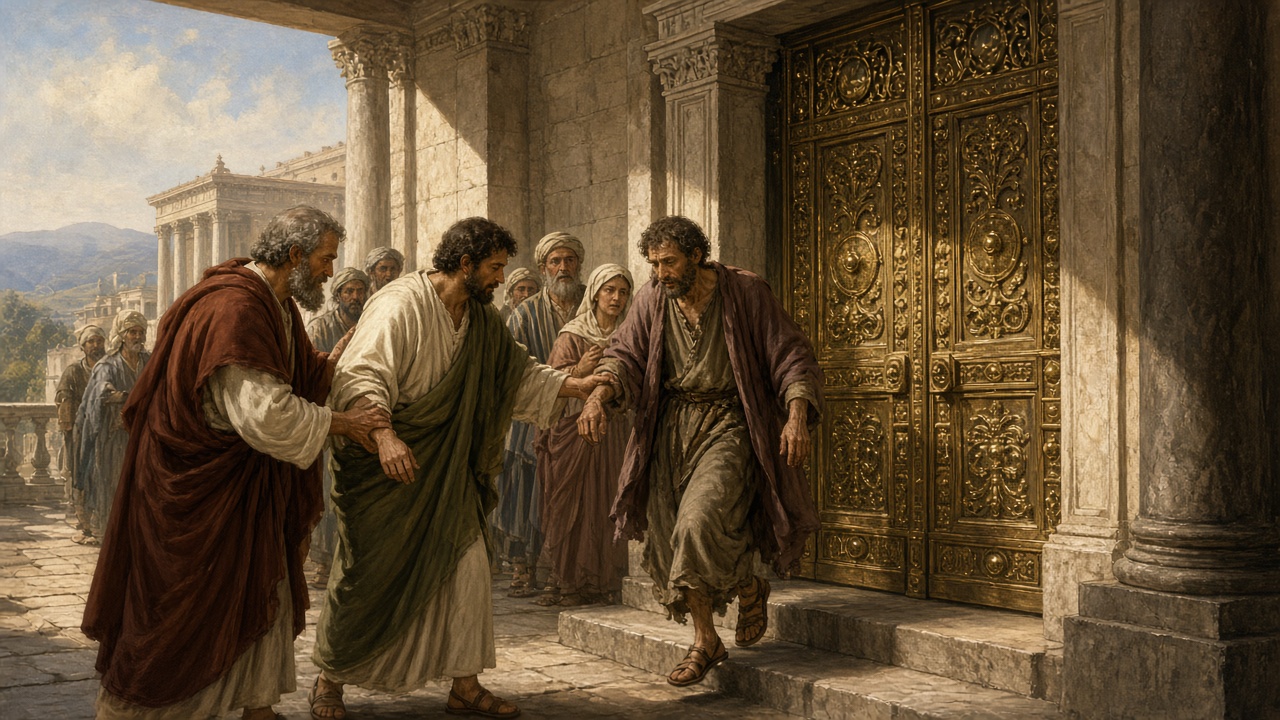
1Canÿe te, Pedro y Juan Bëngbe Bëtsabe bëts yebnoye tbojánata bëts mos̈enana ora. Chca ora ents̈anga imojanamana Bëngbe Bëtsáftaca jtsencuéntayana. 2Bëngbe Bëtsabe bëts yebnents̈e canÿe cosheto yojtsemna; tojanonÿná orscana chca s̈ocá inamna. Ents̈anga imojanamana cada te cha juanatsana canÿe luaroye, Bëngbe Bëtsabe bëts yebnoca, Botamana Amashjuana ca uabáinoye, chë tmojtsachnëjuanënga lemos̈na chaótejañama. 3Pedro y Juan Bëngbe Bëtsabe bëts yebnoye jamashënguama chë cosheto tojánanÿe ora, canÿe lemos̈na chátbioye yojótejañe. 4Chatna chë s̈ocá imojtsonÿaye, y Pedro tbojaniyana: “S̈cochtsë́nÿaye ca.”
5As cha yojtsë́nÿaye y yojtsejuabnaye ndayá chjóyëngacñe ca. 6Chora Pedro tbojaniyana: “Quetsátsbomna ni crocénana, ni castellano aca jats̈etayama, pero ats̈e chanjama Jesucristbe obenánaca ndayá acbiama jamama ats̈e stsobencá: Jesús chë Nazaretocá obenana endbomna; chíyeca ats̈e cbëyana chabe mándoca, matëtsbaná y cochtsana ca.”
7Pedro chca tbojaniyana ora, tbojanábuacueshache cats̈bióicats̈e y tbojtanatsbaná, y cachora chë cosheto shecuats̈iñe y shëmiabeñe añemo yojtsatsbomna. 8As chë cosheto, canÿe jontsënjëse ts̈abá tojtantsá y tojanonts̈é ts̈abá jtsanana, y Bëngbe Bëtsabe bëts yebnoye Juan y Pédroftaca tojánamashëngo; yojtsayontsënjnaye y Bëngbe Bëtsá ibojtsatschuanaye, tbojanshnama. 9Chë Bëngbe Bëtsabe bëts yebnents̈e imojétsemnënga nÿetscanga cha tmojáninÿe ts̈abá jtsanana y Bëngbe Bëtsá jtsatschuanayana. 10Chënga imnatáts̈ëmbo cha chë cosheto yojamnama, chë nda yojanamana Bëngbe Bëtsabe bëts yebnoca, chë Botamana Amashjuanents̈e jótbemana, ents̈anga lemos̈na jotejañama. Cha ts̈abá yojtsatsmënamna ents̈anga ojnanánënga imojtsemna.
Nts̈amo Pedro tojanoyebuambá Salomonbe Amashjuana ca uabáinents̈e
11Chë cosheto ya shnaná ora, ndoñe yontsebos̈e Juan y Pédrëbents̈ana joluárana. As, nÿetsca ents̈anga ojnanánënga tmojanótjajo chë amashjuana otsbojebniñe, Salomonbe Amashjuana ca uabáinoye, chë Juan, Pedro y chë cosheto shnaná imojétsemnoye. 12Pedro chë ents̈anga tojánanÿe ora, tojanë́yana: “Taitanga y mamanga, Israeloquënga, ¿ndáyeca chë soyëngama ojnanánënga s̈mojtsemna? ¿Ndáyeca nÿe s̈cojtsëbuáutja? ¿S̈mojtsejuabná nÿe bëndatbe obenánaca quem boyabása tifjashná ca? ¿O s̈mojtsejuabná quem boyabása tifjashná bëndata Bëngbe Bëtsá puerte ts̈abá ftsadoránayeca? 13Bëngbe Bëtsá, ndábeñe Abraham, Isaac y Jacob imojanos̈buaché y ndábeñe bëngbe bëts taitanga imojanos̈buaché, cha tonjinÿanÿé chabe oservená Jesús chë más uamaná yomnama. Cha ts̈ëngaftanga chë mándayëngbe cucuats̈iñe s̈monjánboshjona chamóbama. Pilato enjétsebos̈e Jesús jëtsboshjonama, pero ts̈ëngaftanga Pilatbe delante s̈monjánayana chca ndoñe s̈montsanbos̈e ca, y chíyeca Pilato ndoñe tbontanboshjona. 14Jesús uamaná y nÿetsca soyënguiñe ts̈abá amá enjamna, pero ts̈ëngaftangna cha s̈montsanaboté y Pilato s̈monjanimpadá chabe cuenta canÿe boyabása, ents̈á obanayá, chabuatsboshjonama. 15Y chca, chë ndegombre ts̈abe vida chas̈motsebomnama amábioye ts̈ëngaftanga s̈monjanóba. Pero Bëngbe Bëtsá tojanma cha cháuatayenama y bënga chë soye fsënjáninÿe y chama fsëndë́tats̈ëmbo. 16Jesús puerte obená endmë́nayeca, quem cosheto añémoca entsatsmëna. Nts̈amo s̈monjinÿe y s̈monjatats̈ëmboncá ndegombre tonjopasá Jesúsbeñe betsos̈buáchema. Chë Jesúsbeñe jtsos̈buáchiyana tonjama cha ts̈abá ts̈ëngaftangbeñe chaotsatsmënama.
17“Taitanga y mamanga, ats̈e sëndë́tats̈ëmbo ts̈ëngaftangbe causa y ts̈ëngaftangbe amë́ndayëngbe causa Jesús tojanóbanama. Pero ts̈ëngaftanga chca s̈mojanma, ndayá s̈mojétsamama ntsetats̈ëmbcá. 18Tempo, Bëngbe Bëtsá chë chabe juabna oyebuambnayënga tojanamëndá ents̈anga jábuayenama, chë Bëngbe Bëtsabe Uámana Uabuayaná puerte ngménana yochtsanbomnama. Morna, nts̈amo Bëngbe Bëtsá tojanayancá ya tonjochnëngo. 19Chcasna, ngménaca menójuabonga bacna soyënga s̈mojtsamama, chca amana s̈mochtsajbaná y Bëngbe Bëtsabe benache s̈mochtishache, chca, ts̈ëngaftangbe bacna soyënga cha chacmabuajuánama. Chca chas̈mojamëse, Bëngbe Bëtsá echanjama ts̈ëngaftangbe ainaniñe oyejuayana chas̈motsóbomñama, 20y ts̈ëngaftangbioye bochanjíchmua Jesús, chë tempo chabe Uámana Uabuayaná Bëngbe Bëtsá tbojanbemá. 21Canÿe te echanjóshjango, Bëngbe Bëtsá lempe tsmëmacá jëtsbemama. Chë tentscuana Jesús bontsemna celoca joquédana. Chca echanjochnëngo nts̈amo Bëngbe Bëtsá chabe juabna oyebuambnayëngbiajana ents̈anga tojanabuayenacá. 22Moisés bëngbe bëts taitanga tojanabuayená: ‘Chë Utabná Bëngbe Bëtsá canÿe chabe juabna oyebuambnayá nts̈amo ats̈e sëndmëncá, cmochanjayents̈íchmua. Cha ts̈ëngaftangbents̈ana echanjábocna y ts̈ëngaftanga cmontsamna nts̈amo chacmojtsëtsëtsnacá cha jtseyeunanana. 23Ndánaca chábioye ndoñe chabonjoyeuná, cha bontsemna chë Bëngbe Bëtsabe ents̈ángbents̈ana luaroca jtsemnama y chamotsepochocama ca’ —cha tojánayana.
24“Y nÿetsca chë Bëngbe Bëtsabe juabna oyebuambnayë́ngnaca Samuel orscana, ents̈anga tmojanabuayená ndayá quem tempo yochjanchnënguama, nts̈amo mora montsonÿacá. 25Chabe juabna oyebuambnayë́ngaftaca Bëngbe Bëtsá tojanas̈ebuachená bëts soyënga ts̈ëngaftangbiama, y ts̈ëngaftangbe bëts taitángaftaca canÿe trato tojánbema; chë soyënga cabá ts̈ëngaftangbiama entsemna. Bëngbe Bëtsá Abrahámbioye mënts̈á tbojaniyana: ‘Chë ácbents̈ana ents̈ángbeyeca ts̈abe bendicionënga chanjama nÿetsca quem luarents̈a ents̈angbiama ca.’ 26Bëngbe Bëtsá tojama chabe oservená cháuatayenama y natsana ts̈ëngaftangbioye tbojanichmó, bacna soyënga amana chas̈motsajbanama. Y chca, Bëngbe Bëtsá jamama ts̈ëngaftangbeñe ts̈abe bendicionënga chaotsemnama ca” —Pedro tojánayana.
Did you know?
Healing and Preaching at the Temple
- The temple gate called Beautiful, where a man lame from birth was placed each day to beg, is named in this chapter. It is supposed to have been the door from the court of the Gentiles into the court of the women, and it was massive, covered with plates of Corinthian brass.Sources: Beautiful Gate · the Bible text itself
- After the healing, the astonished crowd ran to Peter and John in the walkway called Solomon’s Colonnade. This was a colonnade, or cloister, probably on the eastern side of the temple; it is not mentioned with the first temple, but Josephus mentions a porch of that name in Herod’s temple.Sources: Solomon's Portico · the Bible text itself
- In his address there, Peter said the people had handed Jesus over and rejected him before Pilate, although Pilate had decided to release him. A dictionary entry identifies Pontius Pilate as the sixth Roman procurator of Judea, from A.D. 26 to 36, with headquarters at Caesarea, though he frequently went up to Jerusalem; his name comes into prominent notice in connection with the trial of Jesus.Sources: Pontius Pilate · the Bible text itself
Notes written with AI assistance from open sources (Theographic Bible Metadata, CC BY-SA 4.0; Easton’s Bible Dictionary, public domain) and reviewed before publishing.
Places in this chapter
- Beautiful Gate · Today: in Jerusalem · 31.777, 35.234 · verses 2, 10
- Nazareth · 32.702, 35.298 · verse 6
- Solomon’s Portico · Today: in Jerusalem · 31.777, 35.234 · verse 11
Only places identified with high confidence are shown (90% or more according to the scholarly sources compiled by OpenBible). Period map: DARE (Digital Atlas of the Roman Empire), CC BY 4.0; modern map: © OpenStreetMap contributors; places: OpenBible.info (CC BY 4.0).
Credits and license for this translation
Bëngbe Bëtsa Cabëngaftaca Entsoyebuambna
New Testament in Camsá
copyright © 2009 Wycliffe Bible Translators, Inc.
Language: Camsá
Translation by: Wycliffe Bible Translators, Inc.
Copyright Information
© 2009, Wycliffe Bible Translators, Inc. All rights reserved.
This translation text is made available to you under the
terms of the Creative Commons License: Attribution-Noncommercial-No Derivative Works.
( http://creativecommons.org/licenses/by-nc-nd/3.0/ )
In addition, you have permission to port the text to different file formats, as long as you
do not change any of the text or punctuation of the Bible.
You may share, copy, distribute, transmit, and extract portions
or quotations from this work, provided that you include the above copyright
information:
You must give Attribution to the work.
You do not sell this work for a profit.
You do not make any derivative works that change any of the actual words or punctuation of the Scriptures.
Permissions beyond the scope of this license may be
available if you contact
us with your request.
The New Testament
in Camsá
© 2009, Wycliffe Bible Translators, Inc. All rights reserved.
This translation is made available to you under the terms of the
Creative Commons Attribution-Noncommercial-No Derivatives license 4.0.
You may share and redistribute this Bible translation or extracts from it in any format, provided that:
You include the above copyright and source information.
You do not sell this work for a profit.
You do not change any of the words or punctuation of the Scriptures.
Pictures included with Scriptures and other documents on this site are licensed just for use with those Scriptures and documents.
For other uses, please contact the respective copyright owners.
2016-05-05
Source: http://ebible.org/kbh/ · eBible.org