Acts 27
Bëngbe Bëtsa Cabëngaftaca Entsoyebuambna · Tap a verse to see its cross-references.
Roma bëts puebloye Pablo tmojanichmó
1Italia ca uabaina luaroye Pablo jíchmuama tmojanenoyeuná ora, ats̈e, quem librë́s̈a uabiamnayá, cháftaca sënjána. Chora Pablo y chë inÿe utámenënga Julio ca uabainabe cucuats̈iñe tmonjánabashejuana. Julio enjamna canÿa chë Romoca bëts mandadbe soldadënguents̈a mandayá. 2Asna, fsënjánas̈ëngo canÿe Adramitio puebloca barcuiñe; ya chë Asioca bëts pueblëngoye juama enjétsamna. Cesarea pueblents̈ana fsënjánbocna y Aristárcnaca bë́ngaftaca enjétsemna; cha enjamna Tesalónica bëts pueblocá, Macedonia luaroca.
3Chë inÿe yëfsana, Sidón puebloye fsënjánashjajna. Chents̈e Julio, ts̈abá mandbomná Pábloftaca enjétsemna; tbonjanlesenciá chabe amiguë́ngbioye chauabuáchama, chënga chamofjama y chamóbocuedama. 4Sidonocana fsënjë́ftsanbocnents̈ana, bëngbe contra corente enjétsebinÿiaye. Chíyeca, Chipre fshantsënga cats̈bioicajana, ndoñe yapa quentétsebinÿiayëjana bënga fsënjána. 5Cilicia y Panfilia luarënga béconana mar bejaycá fsënjánachnëngo, y Mira bëts puebloye fsënjánashjajna, Licia luaroca.
6Chë soldadëngbe amëndayá, canÿe Alejandría puebloca barco chents̈e tonjáninÿena, Italia luaroye yojétsaye; asna, s̈onjanamëndá chë barcuiñe jenójayiyana. 7Baseftaytentscuana uenana fsënjánana y pordonto fsënjanobená Gnido pueblents̈a ndirichiñe jashjanguana. Cabá bëngbe contra enjétsebinÿiaye causa, Salmón luarëjana fsënjánachnëjna, Creta fshantsënga béconana, ndoñe yapa quentétsebinÿiayëjana. 8Y chca, pordonto bejaycá fsënjánana, fshantsënga béconana; chents̈ana, canÿe pueblo, Ts̈abe Puertënga ca uabáinents̈e fsënjánashjajna, Lasea ca uabaina pueblo béconana.
9Chca, bayté tonjanochnëngo y chora chë bejaycá jama puerte resjo enjétsemna, er ya chë judiënga bayënga jobáyama te tonjanochnëngo, Bëngbe Bëtsá chëngbe bacna soyëngama cháuaperdonama, y chora chë uaftena tempo joshjanguama ya enjétsobeco.
10Chíyeca Pablo chë ents̈anga mënts̈á tonjanabuayená: “Baconga, ats̈e s̈ontsinÿana mora puerte resjo entsemna bejaycá játama, y ndoñe ts̈abá queochátsmëna, ni chë uasmanëshangama, ni chë barcuama y bëngbiama cach ndoñe, mo nderado muanjanóbana ca.”
11Pero chë soldadëngbe amëndayá Páblëbioye ndoñe ntjoyeunayana; más, chë barcuents̈a mandayá y chë barco nduíñbioye aíñe. 12Ndoñe ts̈abá yonjamna, chë barco chora enjétsemnents̈e chë uaftena tempëntscuana jëftsemnana; chë causa, nÿa mo nÿetscanga tmonjanenoyeuná cachiñe bejaycá chents̈ana játama, nderado cuanjobenaye Fenice puebloye jashjanguama y chents̈e jëftsemnama chë uaftena tempo tojopochocantscuana. Chë pueblo Creta luaroca enjamna; y choye jamashënguamna enjamna shinÿe endbetsenatjëmbambana juachoica tsjuanoicajana y tsmanoicajana.
Mar béjayiñe puerte uaftena y binÿia tojanóshjango
13Chents̈ana tonjanonts̈é tsmanoicana bats̈á binÿiayana, chíyeca chë ents̈anga tmonjanjuabó ya yojtsanopodena jtëtónts̈ana jama ca. As, chents̈ana fsënjë́ftsanbocna y bejaycá fsënjána, Creta fshantsënga beconanëjana. 14Pero baseftayté chents̈ana, chë fshantsëngocana tonjanonts̈é corente jabuache binÿiayana y chë barquë́shoye enjétsoshjajuana. Chë binÿia yojanabaina Nordeste binÿia ca. 15Chë barcna nÿe chë bínÿiëbe ponto tonjanonts̈é uayana; chë binÿia enjétsobayëjana jama ndoñe quentétsopodena causa, s̈onjanotocá nÿe nts̈amo tojtsebinÿiacá chas̈úyambama. 16Chents̈ana fsënjánachnëjna Cauda ca uabaina stëts̈oicajana, base fshantsënga mar béjayoca; chiñe ya ndoñe ts̈a jabuache quentétsebinÿiaye y pordonto fsënjanobená buyeshoicana jtabocnana chë barco enjanasjá canous̈e, ndoñe chaondëtsóndbemama. 17Ya chë barquë́shoye fsëntanë́s̈ëngo orna, chë ents̈anga lazë́jangaca chë barquë́sha tmontsanabatsë́caca, más uamorochë́sha chaotsamnama. Pero chënga monjétsauatja nderado chë barco chë Sirte ca uabaina cascajuents̈e nanjetsánjua; asna, chë barcuents̈a ancla tmonjanashëbëúts̈ena, chë barco ndoñe betsco chaondëtsábonjnama, y nts̈amo enjetsanbinÿiaycá fsënjána. 18Chë inÿe yëfsana y chë binÿiayana cabá jabuache enjétsemna causa, chënga tmonjanonts̈é chë barcuents̈a uasmanëshangá jtsëshbuétsets̈ana; 19y unga tianoye bë́ngnaca s̈onjanotocá, cach bëngbe cucuáts̈eca, chë barcuents̈a soyënga buyeshoye jtsëts̈anana. 20Baytentscuana bënga ndoñe chibiatanobená jinÿana ni shinÿe, ni estrellatémënga, ts̈a tonjétseibetata causa; y ts̈a jabuache enjétsebinÿiaye causa, bënga ya ndoñe quefstétsanobatmana chents̈ana jótsbocana.
21Ya bayté enjétsemna y chëntscuana tondaye saná ntjascá fsënjétsemna. Chents̈ana, Pablo bëngbe tsëntsaca tonjantsá y tonjánayana: “Baconga, ts̈abá manjamna ats̈e mas̈mënjanoyeuná y Creta luarocana ndoñe matmënjë́ftsanbocna; chca mora ndoñe mal mamojtsepasá y ndoñe nÿa nÿets̈á matmënjobuets̈e. 22Pero mora ngménaca ndoñe matsmënëngana; masque chë barco echantsenatjëmba, ts̈ëngaftanguents̈á ndocná queochatóbana. 23Ibeta canÿe ángel s̈onjébëbocna; Bëngbe Bëtsá, ndabia ats̈e sëndmëna y nda sëndëservena, cha tbojichmó; 24y chë ángel mënts̈á s̈onjauyana: ‘Pablo, ndoñe matauatjana; entseyta aca chë Romoca bëts mandádbioye chacotsama, y aca Bëngbe Bëtsábia cómnayeca, nÿetsca quem barcuiñe ajnënga jobanáments̈ana cha echanjatsebacá ca.’ 25Chcasna, baconga, ndoñe matauatjëngana, er ats̈e Bëngbe Bëtsábeñe corente sëntsos̈buaché y lempe nts̈amo chë ángel s̈onjauyancá echanjóbocna. 26Pero mora entseyta canÿe fshantse mar béjayiñe chas̈úshejanguama ca” —cha tonjanë́yana.
27Canÿe ibeta, uta semana fsënjánana chents̈ana chë Adriático ca uabaina mar béjayiñe fsënjétsemna, y nÿe ínÿoye y ínÿoye chë binÿia s̈onjétsëyambaye. Y mo tsë́ntseto yojétsemna orna, chë barcuents̈a trabájayënga tmojanjuabó ya fshantse béconana imojétsemna ca. 28As chënga tmonjanmedidá ntsachets̈á chë búyeshe buatjoye inamnama y tonjanóbocna unga bnë́tsana y chnë́nguana metro; más chcoye cachiñe tmonjanmedidá y uta bnë́tsana canÿsëfta metro tonjanóbocna. 29Chënga monjétsauatja nderado bëts ndëts̈béngaca nanjetsánts̈ëtjiama; asna, chë barco stëts̈oicajana canta ancla buyeshoye tmonjanashëbëúts̈ena, chë barco ndoñe más chaondëtsábonjnama, y ts̈a monjétsebos̈e betsco chaobínÿnama. 30Chëntscuana, chë barcuents̈a trabájayënga tmojánbos̈ena chents̈ana jtsachetana; chamna, chënga tmojanonts̈é chë canous̈e buyeshoye justjanguana, pero chca imojétsama, mo chë anclënga chë barco natsanoica cuaftsëstjajuancá. 31Pero Pablo chë soye tojáninÿe, y chë soldadëngbe amëndayábioye y chë soldadë́ngbioye tonjanëná y mënts̈á tonjanë́yana: “Chë barcuents̈a trabájayënga cach quem barcuents̈e ndoñe chamonjoquedase, ts̈ëngaftanga ndoñe ques̈mochatobenaye muents̈ana jótsbocama ca.”
32As, chë soldadënga tmonjána y chë canous̈ents̈a lazëjënga tmontsantë́tsets̈e y buyeshoye chës̈e tmontsantsats̈e.
33Enjétsebinÿana ora, Pablo nÿetscanga tonjanaimpadá ndayánaca chamosëngama, mënts̈á jáuyanëse: “Ya uta semana entsemna y ts̈ëngaftanga ni mo bats̈atema ches̈matamaná, y tondaye ches̈matsbmuananga. 34Diosmanda, masque nÿe mo bats̈atémnaca s̈mochjase. Chca cmontsamna jamana ndoñe chas̈mondóbanama, er ndocná ndocá queochatspása ca.”
35Pablo, chca tonjánayanents̈ana, canÿe tandës̈e tonjanca y nÿetscangbe delante Bëngbe Bëtsábioye tbontanchuá. Chorna, tonjanjatá y tonjanonts̈é jasama. 36Chents̈ana nÿetscanga tmonjanenñemó y chë́ngnaca tmonjanse. 37(Chë barcuents̈e nÿetscanga fsënjamna uta patse y canÿsëfta bnë́tsana y chnë́nguanënga.) 38Nts̈amo imnabos̈cá tmonjansents̈ana, buyeshoye trigo tmontsanashaná, chca, chë barco ndoñe yapa chaondëtsautama.
Chë barco tojtsanenatjëmba
39Ya tonjanbinÿna ora, chë barcuents̈a trabájayënga ndoñe quemëntétsetats̈ëmbo ndaye fshantse chents̈e bétsemnama, pero tmonjáninÿe chë fshantsents̈e canÿe luare jachañe, chë béjaye chë luaroye omashjuanents̈e, y chiñe canÿe chënÿañe enjamna; as chënga tmonjanjuabó jarrepárana nderado cuanjobenaye chëjana chë barco chë fshantsoye juyambana. 40Asna, chë anclents̈a lazëjënga tmontsantë́tsets̈e y chë anclënga buyeshoye tmontsanboshjuana, y chë timón, chë barco juyambama oservena soyents̈a uabatsëcnëjë́ngnaca tmontsanjafjoná. Chorna, chë barcuents̈a natsanoica niñës̈iñe ents̈ë́jua tsbanánoye tmontanë́s̈ëngo, y chë binÿia tonjanma chë barco chaonts̈é chë chënÿoye juabéconama. 41Pero chë barco canÿe luaroye tonjánashjango, y chents̈e chë béjaye catatoicajana enjetsobuá y chë barco cánÿents̈e, bëtscá cascajo buyeshiñe binÿnents̈e tontsananjo. Chë barcuents̈a natsanoica lado chë cascajuiñe entsanajuena, ndócnoye juabónjuama ntsopodencá, y chë stëts̈oica lado puerte entsanashatiyiyná y lempe entsanandbiamná, yapa binÿia causa y búyeshe chents̈e enjétsojants̈etaye causa.
42Chora, chë soldadënga tmonjanjuabó chë utámenënga jtsëbáyana, jachbabëse chënga ndoñe chamondë́tsachetama. 43Pero chë soldadëngbe amëndayá inabos̈e Pablo jatsbocama, y chíyeca chë soldadë́ngbioye ndoñe chenatanalesenciá chca jamana; y tojanmandá nÿetscanga chë jachbabama obenëngna natsana chë buyeshoye joshbuets̈ana tsachoye chamuashjanguama, 44y chë ínÿengna tablëshënguiñe o chë barcuents̈a pedazënguiñe chamoshbuets̈ama. Y chca, nÿetscanga fsënjanobená ts̈abá y ndocá ntjapasacá fshantsoye jashjanguama.
Did you know?
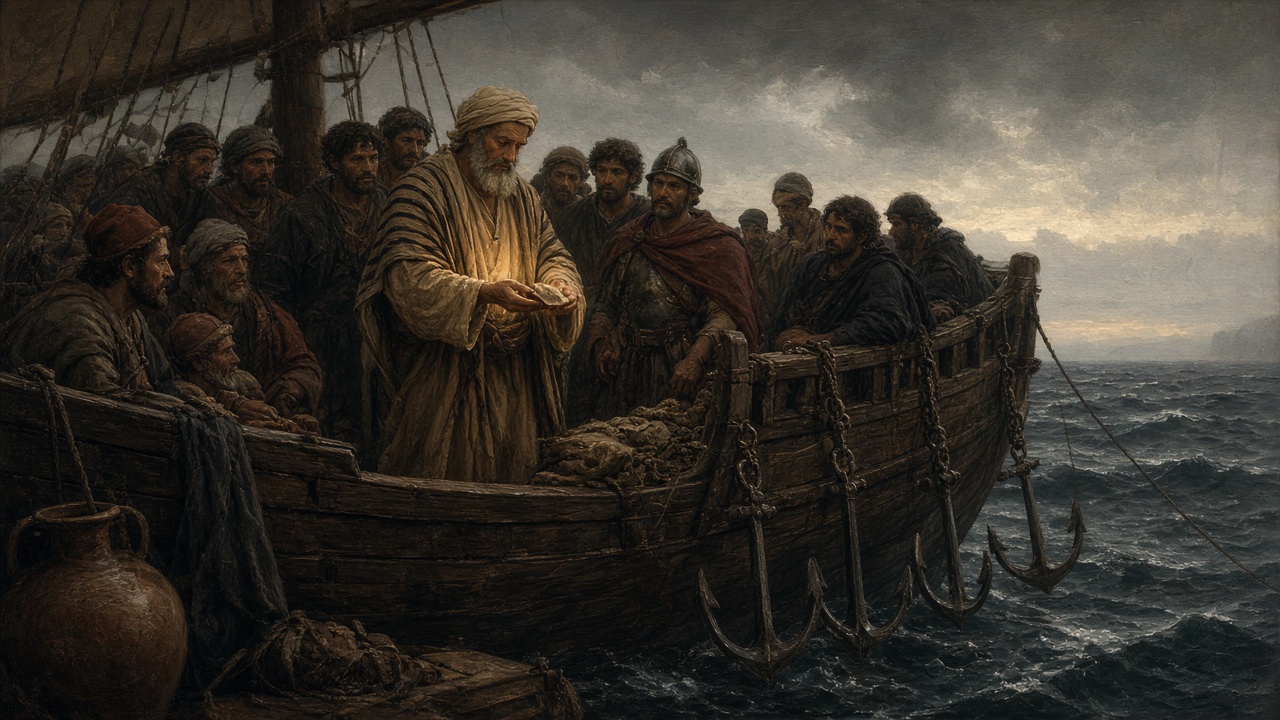
Storm and Shipwreck on the Way to Rome
- Paul and the other prisoners did not sail straight to Italy. At Caesarea they boarded a ship of Adramyttium, a city on the coast of Mysia in Asia Minor, bound for ports along the coast of Asia, a name Easton's Bible Dictionary takes in this verse as probably Asia Minor, and that ship carried them only as far as Myra in Lycia. There the centurion put them aboard an Alexandrian ship sailing for Italy; the dictionary notes that it was rare for a ship to sail from any port of Palestine direct to Italy.Sources: Adramyttium · Asia · the Bible text itself
- The prisoners were handed over to Julius, a centurion of the Imperial Regiment. Easton's Bible Dictionary identifies him as centurion of the Augustan cohort, or the emperor's body-guard, and describes his courteous regard for Paul. At Sidon, about twenty-five miles north of Tyre, he let Paul visit friends and receive care; later he blocked the soldiers' plan to kill the prisoners so that Paul's life would be spared.Sources: Julius · Sidon · the Bible text itself
- After Cnidus the ship worked along Crete, one of the largest islands in the Mediterranean, about 140 miles long and 35 broad, which Paul visited on this voyage to Rome. The account says the voyage had already become dangerous because it was after the Fast, and Fair Havens was unsuitable for wintering. One chronology dates the start of the journey to Rome to AD 56 and the shipwreck in the storm to AD 57.Sources: Crete · Journey to Rome begins · Paul is shipwrecked by a storm · the Bible text itself
Notes written with AI assistance from open sources (Theographic Bible Metadata, CC BY-SA 4.0; Easton’s Bible Dictionary, public domain) and reviewed before publishing.
Places in this chapter
- Italy · 41.892, 12.485 · verses 1, 6
- Adramyttium · Today: Oren · 39.501, 26.933 · verse 2
- Asia · 38.400, 28.300 · verse 2
- Thessalonica · Today: Thessaloniki · 40.638, 22.946 · verse 2
- Sidon · Today: Sandikli archaeological site in Sidon · 33.561, 35.372 · verse 3
- Cyprus · 35.000, 33.000 · verse 4
- Cilicia · 36.913, 34.892 · verse 5
- Lycia · 36.733, 29.900 · verse 5
- Myra · 36.259, 29.985 · verse 5
- Pamphylia · 37.000, 31.000 · verse 5
- Alexandria · 31.183, 29.896 · verse 6
- Cnidus · 36.686, 27.375 · verse 7
- Crete · 35.310, 24.893 · verses 7, 8, 12, 13, 14, 21
- Salmone · Today: Cape Sideros · 35.316, 26.312 · verse 7
- Fair Havens · Today: Kaloi Limenes · 34.930, 24.800 · verses 8, 12
- Lasea · Today: Lasaea · 34.941, 24.811 · verse 8
- Cauda · Today: Gavdos · 34.833, 24.083 · verse 16
- Syrtis · Today: Sidra · 31.500, 18.000 · verse 17
- Adriatic Sea · Today: Adriatic and Ionian Seas · 38.000, 19.000 · verse 27
Only places identified with high confidence are shown (90% or more according to the scholarly sources compiled by OpenBible). Period map: DARE (Digital Atlas of the Roman Empire), CC BY 4.0; modern map: © OpenStreetMap contributors; places: OpenBible.info (CC BY 4.0).
Credits and license for this translation
Bëngbe Bëtsa Cabëngaftaca Entsoyebuambna
New Testament in Camsá
copyright © 2009 Wycliffe Bible Translators, Inc.
Language: Camsá
Translation by: Wycliffe Bible Translators, Inc.
Copyright Information
© 2009, Wycliffe Bible Translators, Inc. All rights reserved.
This translation text is made available to you under the
terms of the Creative Commons License: Attribution-Noncommercial-No Derivative Works.
( http://creativecommons.org/licenses/by-nc-nd/3.0/ )
In addition, you have permission to port the text to different file formats, as long as you
do not change any of the text or punctuation of the Bible.
You may share, copy, distribute, transmit, and extract portions
or quotations from this work, provided that you include the above copyright
information:
You must give Attribution to the work.
You do not sell this work for a profit.
You do not make any derivative works that change any of the actual words or punctuation of the Scriptures.
Permissions beyond the scope of this license may be
available if you contact
us with your request.
The New Testament
in Camsá
© 2009, Wycliffe Bible Translators, Inc. All rights reserved.
This translation is made available to you under the terms of the
Creative Commons Attribution-Noncommercial-No Derivatives license 4.0.
You may share and redistribute this Bible translation or extracts from it in any format, provided that:
You include the above copyright and source information.
You do not sell this work for a profit.
You do not change any of the words or punctuation of the Scriptures.
Pictures included with Scriptures and other documents on this site are licensed just for use with those Scriptures and documents.
For other uses, please contact the respective copyright owners.
2016-05-05
Source: http://ebible.org/kbh/ · eBible.org