Acts 13
Bëngbe Bëtsa Cabëngaftaca Entsoyebuambna · Tap a verse to see its cross-references.
Bernabé y Saulo tbojanbojats̈é Bëngbe Bëtsabe trabajo jamama
1Antioquía luaroca Jesucrístbeñe os̈buáchiyënguents̈e imojtsemna Bëngbe Bëtsabe juabna oyebuambnayënga y os̈buachiyë́ngbioye abuátambayënga. Chënga imojanabaina Bernabé, Simón (chë S̈ibetá ca uabobuatmá), Lucio Cirenocá, Manaén (nda tojanoboché cánÿiñe Herodes, chë Galileoca réyeftaca) y Saulo. 2Canÿe te, Bëngbe Utabná imojtsatschuanaye y chama tondaye ntjascá imojtsemna ora, chë Uámana Espíritu tojánayana: “Mora s̈mochjaleséncia Bernabé y Saulo ts̈ëngaftangbents̈ana chabuétsebocnama; chatna canÿe trabajuama sënjabacacá ca.”
3Bëngbe Bëtsá jëtschuayama tondaye ntjascá imojtsemnëntscuana y cháftaca imojtsencuéntantscuana, chëngbe cucuats̈ënga chatbe bests̈as̈e juatsboica tmojancjá, chatbe trabajuiñe chaújabuachama Bëngbe Bëtsá jtseimpadánëse. Y chents̈ana chátbioye tmojtanadios̈oftá.
Bernabé y Saulo Chipre luaroca
4As Bernabé y Saulo, chë Uámana Espíritbeyeca ichmónata, Seleucia ca uabáinoye tbojánata y chents̈ana bejaycá, Chipre luaroye. 5Salamina bëts puebloye tbojánashjango ora, tbojanonts̈é Bëngbe Bëtsabe palabrama ents̈anga jábuayenama, chents̈a judiëngbe enefjuana yebnënguenache. Juan Marcos mo chatbe uajabuachanacá ibojtsebomna.
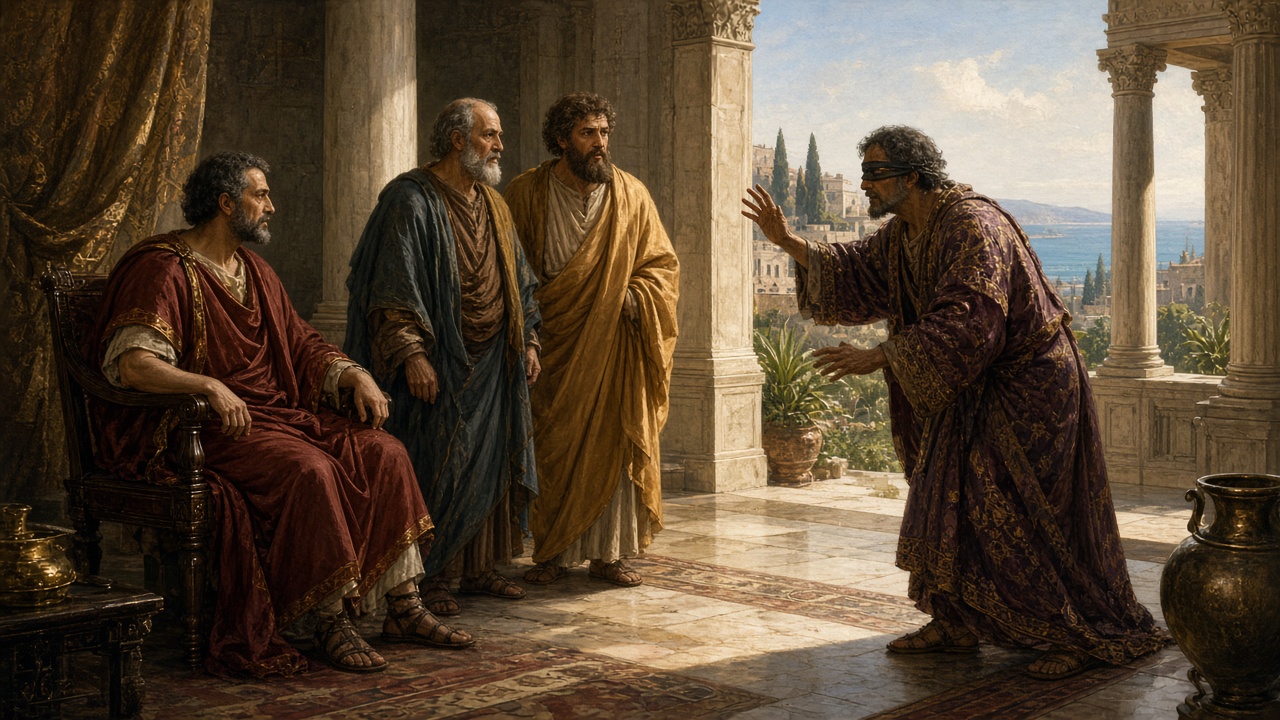
6Nÿets chë luarëjana tmojánachnëngo orna, Pafos puebloye tmojánashjajna; y chents̈e tmojáninÿena canÿe judío tats̈ëmbuá, Barjesús ca uabainá. Cha yojánichamo cha canjamna canÿe Bëngbe Bëtsabe juabna oyebuambnayá ca, pero ndoñe chca yonjamna. 7Chë tats̈ëmbuá inatrabájaye chë Chipre luaroca mandadbiama, Sergio Paulo ca uabainá; y chë mandadna corente osertaná inamna. Cha yojtsebos̈e Bëngbe Bëtsabe palabra jouenama; as tojanmandá Bernabé y Saulo jobiats̈ana. 8Pero chë tats̈ëmbuá, grieguiñe Elimas ca uabainá, Saulo y Bernabebe contra yojtsemna y yojtsama chë mandado ndoñe chaondëtsos̈buáchema, nts̈amo chë Jesucrístbeñe os̈buáchiyënga imojanos̈buachecá. 9Chora, Saulo chë Pablo ca imojanábobuatmabe ainaniñe chë Uámana Espíritu corente yojtsemándaye; as chë tats̈ëmbuábioye yejuana ibojonÿinÿiye, 10y tbojaniyana: “¡Abuambnayá, puerte bacna ents̈á, Satanasbe uaquiñá y ts̈abe soyënga ndoñe chaondëtsebínÿnama trabajayá! Bëngbe Utabnabe nÿetsca ndegombre soyëngama aca contsichamo uayátsenaye soyënga yojtsemna ca. 11Mora, Bëngbe Bëtsá cmochanjacastíga, jtaná cochanjoquéda y baseftayté jinÿama quecochatobenaye ca.”
Cachora Elimas mo ibetiñcá yojoquéda y ibojtsonguaye canÿa buacuetënts̈nana chabuánatsama, jtaná yojtsemna causa. 12Chë mandado chca tojáninÿe ora, Jesucrístbeñe yojtsos̈buaché y yojenjnaná Bëngbe Utabnabe soyënga tojanatsjínÿama.
Pablo y Bernabé Antioquía pueblents̈e, Pisidia luaroca
13Pablo y chabe enutënga, Páfosocana, bejaycá Perge puebloye tmojátananga, Panfilia luaroca. Pero Juan tojésanabashejuana y Jerusalenoye tojésanshëcona. 14Pergents̈ana Antioquía puebloye tbojátanata; chë pueblo inamna Pisidia luare béconana. Chents̈na, ochnayté, chë judiëngbe enefjuana yebnoye tbojánamashëngo y tbojanótbema. 15Moisesbe leyiñe y Bëngbe Bëtsabe juabna oyebuambnayëngbe uabemana librë́s̈angañe tmojanalía orna, chë enefjuana yebnents̈a mándayënga canÿa tmojanichmó chënga jáuyanama: —Israeloquënga, bënga fsë́ntsebos̈e ents̈anga chas̈mabuayená, nderado ndayá jayanama s̈mojtsebomnëse, muents̈a ents̈anga añemo chamotsebomnama ca.
16As Pablo tojantsá y ents̈ángbioye cucuáts̈eca tojánefjats̈ëmbo iytëca chamobiamama, y tojánayana: —S̈mochjouena Israeloquënga y ndoñe judiënga Bëngbe Bëtsá adórayënga. 17Israeloca ents̈anga mondadorana Bëtsá, Bëngbe Bëtsá, bëngbe bëts taitanga tojanëbuáyana, y tojanma chënga corente bëtscanga chamotsemnama, chënga Egiptoca inÿe luarocana ashjajnëngcá imojoyena ora. Y chents̈ana, cachabe obenánaca chë luarocana chënga tojésanëbuacana. 18Canta bnë́tsana uata nÿets̈á, Bëngbe Bëtsá ents̈anga ndoyena luaroca chënga yojanëuantana, 19y cha tojanma chë Canaán luaroca canÿsë́ftents̈a ents̈anga chamopochocama y bëngbe bëts taitanga chëngbe fshantsënga nduiñënga tojánabiama. 20Chë tempo, chë Bëngbe Bëtsá Abrahámbioye quem fshantse jats̈etayama tbojans̈buachená orscana, y chë tempo, chë bëngbe bëts taitanga chë fshantse tmojanóyëngacñëntscuana, canta patse y shachna bnë́tsana uata tojanochnëngo.
“Chents̈ana, Bëngbe Bëtsá chëngbiama mandadënga tojánabiama, Bëngbe Bëtsabe juabna oyebuambnayá Samuel chëngbe mandayá yojë́ftsemna tempëntscuana. 21Chents̈ana, Israeloquënga Samuel tmojanimpadá canÿe rey chabojayé chaotsamë́ndama; as Bëngbe Bëtsá Saúlbioye chëngbe rey tbojánbema, canta bnë́tsana uatëscama. Saúl inamna Cisbe uaquiñá y Benjaminbe bëts pamillanguents̈á. 22Más chcoyna, Bëngbe Bëtsá Saúlbioye chë mándayents̈ana tbojtsanjuaná, y chents̈ana Davídbioye mo chëngbe reycá tbojánbema. Chabiama Bëngbe Bëtsá tojánayana: ‘Ats̈e sëndë́tats̈ëmbo, David, Isaíbe uaquiñá, canÿe ts̈abe ents̈á yomnama y chama ats̈e sëndoyejuá, y cha sempre endëprontana nts̈amo ats̈e stsebos̈cá jtsamama ca.’ 23Davídbents̈ana canÿe ents̈á Jesús enjamna, nda Bëngbe Bëtsá tbojanichmó Israeloca ents̈anga jabátsebacama, nts̈amo cach Bëngbe Bëtsá chëngbe bëts taitanga tojanas̈ebuachenacá. 24Cabá Jesús ndë́bocna ora, Juan nÿetsca Israeloquënga tojanabuayená bacna soyënga amana chamotsajbanama y chamuenábayama. 25Juanbe trabajo jopochócama yojtsobeco ora, cha tojánayana: ‘¿Nda ats̈e tsmënama ts̈ëngaftanga s̈mojuabná ca? Chë ts̈ëngaftanga s̈montsejuabná ats̈e tsmëna ca cha, ats̈e ndoñe quetsátsmëna. Pero áts̈bents̈ana echanjabo canÿa, y ats̈e merecido taitsatobuajoñe ni mo jotsejbiyama chabe shecochëtjonëshents̈a corriëja jajafjonama ca.’
26“Chcase morna, Abrahámbents̈ana ents̈anga y ndoñe judiënga Bëngbe Bëtsá adórayënga; bëngbiama entsemna quem buayenana soye, chë Bëngbe Bëtsá ents̈anga játsebacana. 27Masque cada ochnayté, Bëngbe Bëtsabe juabna oyebuambnayëngbe uabemana palabra monjanalía chëngbe enefjuana yebnents̈e, Jerusalenents̈a oyenënga y chents̈a mándayënga ndoñe quenjátanësertana nda Jesús bétsemnama, y chë tmojtsalía soyëngama cach ndoñe. Y chca, chënga Jesús chamóbama tmojánboshjona ora, chë chca amënga tmojanma nts̈amo Bëngbe Bëtsabe juabna oyebuambnayëngbe librë́s̈angañe iuabemancá. 28Y masque ndocna bacna soye tmonjáninÿena Jesús jóbanama chabotsemnama, Pilato tmojanimpadá chaomandá chábioye jóbama. 29Chents̈ana, lempe nts̈amo Bëngbe Bëtsabe uabemana palabrënguiñe iuayancá Jesúseftaca tojanochnëngo ora, chabe ústonënga chë cruzocana tmojtanë́stjango y tmojanatbontsá. 30Pero Bëngbe Bëtsá tojanma Jesús cháuatayenama. 31Chë Galileocana Jerusalenoye cháftaca tmojánanga, baytentscuana Jesús yojánebëbuacana; y morna, lempe nts̈amo Jesusbiama tmojaninÿcá, chënga ents̈ángbeñe montsoyebuambná.
32“Y chca, mora bënga chë ts̈abe noticiënga cbontsëtsëtsná. Nts̈amo Bëngbe Bëtsá bëngbe bëts taitanga tojanas̈ebuachenacá, 33cha tonjama, bënga chë chëngbe ents̈anguents̈ëngbiama, chca chaotsemnama. Y Bëngbe Bëtsá chca tojama, Jesús cháuatayenama cha jamëse. Rey David, Bëngbe Bëtsabe uabemana palabrënguiñe, segundo salments̈e mënts̈á tojanábema, nts̈amo Bëngbe Bëtsá Jesúsbioye tbojaniyanama:
Aca ats̈be uaquiñá condmëna.
Mënté ents̈anga sënjinÿanÿé aca ats̈be Uaquiñá comnama ca.
34Y tempo Bëngbe Bëtsá chabe uabemana palabrënguiñe tojaninÿanÿé cachá jamama Jesús cháuatayenama y ndoñe cachiñe chaondóbanama, mënts̈á tojánayana ora:
Chë ndegombre soyënga y chë ts̈abe bendicionënga nts̈amo David sënjans̈buachenacá,
ts̈ëngaftanga cbochanjáts̈ataye ca.
35Inÿoca Bëngbe Bëtsabe uabemana palabrënguiñe, Salmos librë́s̈a uabiamnayá, mënts̈á tojanábema nts̈amo Jesús Bëngbe Bëtsábioye tbojaniyanama:
Aca ndoñe quecochatsleséncia ats̈be cuerpo,
chë acbe Uámana oservenabe cuerpo chaotsopochocama ca.
36David, chabe tempo imojoyenëngbiama tojanma, ndayá cha chaomama Bëngbe Bëtsá tojanjuabocá. Cha tojanóbana y tmojanatbontsá chë chabe bëts taitángbioye tmojanëtabuantsá luarents̈e, y chabe cuerpo tojanopochocá. 37Pero chë Bëngbe Bëtsá tojanma chauatayenamabe cuerpna, ndoñe tonjanopochocá.
38“Asna, baconga y batanga, ats̈e së́ntsebos̈e ts̈ëngaftanga quem soye chas̈motsetáts̈ëmbo: Ndayá Jesús tojanmama, ents̈anga chëngbe bacna soyëngama perdonánënga montsemna. Jesúsbeyeca, nÿetsca chábeñe tmojtsos̈buáchenga, bacna soyëngama perdonánënga mochántsemna. Nts̈amo Moisesbe leyiñe iuayancá tmojanmama, chënga ndoñe tmonjanobená chca perdonánënga jtsemnama; nÿe Jesúsbeñe jtsos̈buáchiyëse chënga perdonánënga jtsemnana. 40Cuedado s̈mochtsebomna, nts̈amo Bëngbe Bëtsabe juabna oyebuambnayënga tmojanayancá, ts̈ëngaftangaftaca ndoñe chaondochnënguama. 41Bëngbe Bëtsá mënts̈á tojánayana:
S̈mochjouena. Ts̈ëngaftanga chë nts̈amo ats̈e tijayancá s̈mojtsábotenga,
ojnanánënga s̈mochántsemna y s̈mochanjóbana.
Ts̈ëngaftanga cabá vida s̈mobomnëntscuana, ats̈e bëts soyënga chanjë́ftsema,
y masque ndánaca chë soyëngama chacmojtsacúnta,
ts̈ëngaftanga chiñe ndoñe ques̈mochatos̈buáchiye ca” —Pablo tojanoyebuambá.
42Pablo y chabe enutënga chë judiëngbe enefjuana yebnents̈ana tmojë́ftsanbocna ora, chë ndoñe judiënga chë́ngbioye tmojanaimpadá, chë inÿe ochnaytescama chë soyëngama más jábuayenama. 43Chents̈e chë te jénefjnama tempo tojanopochocá ora, ba judiënga y ndoñe judiënga, chë Bëngbe Bëtsábioye imojánadorana mo chë judiëngcá, Pablo y Bernabé tmojanë́seto. Y chatna chënga tmojanabuayená nÿets tempo chamotsejuabnama, Bëngbe Bëtsá chëngbiama ts̈abe soyënga yojtsamama.
44Chë inÿe semana, chë ochnaytena, nÿa mo nÿetsca chë pueblents̈e oyenënga tmojanobeconá Bëngbe Bëtsabe palabra jouenama. 45Pero ba ents̈anga choye jouenama tmojánama chë judiënga tmojáninÿe ora, tmojanotjayaná, ba ents̈anga Pablo imojtseyeunanama; as chënga tmojanonts̈é mocá ichámuana ndayá cha yojtsóyebuambnama, y chábioye oyenguayana. 46As Pablo y Bernabé más añémoca mënts̈á tbojánayana: “Endánëyta, natsana ts̈ëngaftanga, chë judiënga s̈momnënga, Bëngbe Bëtsabe palabra jshabuayenana. Pero ts̈ëngaftangna chë palabra s̈montsaboté, y s̈montsejuabná ts̈ëngaftangbiama ndoñe ts̈abá yontsemna chë nÿetsca tescama yomna ts̈abe vida jtsebomnana ca; chë causa, bënga fchantsoñe chë ndoñe judië́ngbeñe Bëngbe Bëtsabe palabra jóyebuambayama. 47Er Bëngbe Bëtsá chama s̈janichamó, mënts̈á jauyanëse:
Aca tcbonjuábuayana chë ndoñe judië́ngbioye ts̈abe noticiënga jábuayenama, chaósertama.
Y chca, aca chëngbiama cochántsemna mo canÿe binÿnayacá.
Chca, ácbeyeca nÿets luarënguenache ents̈anga ats̈e chanjatsebacá ca.”
48Chë ndoñe judiënga chca tmojanuena ora, puerte imojtsóyejuaye y tmojanonts̈é mënts̈á ichámuana: “Bëngbe Utabnabe palabra ts̈abá bëngbiama entsemna ca.” Y chora, chë nÿetsca tescama yomna ts̈abe vida jtsebomnama Bëngbe Bëtsá tempo tojánabacacanga, tmojanonts̈é Jesúsbeñe jtsos̈buáchiyana. 49Y chca, nÿets chë luariñe más ents̈anga Bëngbe Bëtsabe palabra imojtsuenana. 50Pero chë judiënga tmojanoyebuambá, shembásengaftaca Bëngbe Bëtsá adórayënga y uámanënga, y chë pueblents̈a uámana taitángaftaca, jamama Pablo y Bernabé chabosufrima y chë luarents̈ana jtëbuacnama. 51As, Pablo y Bernabé tbojésanshecstëtonata, judiënga jinÿanÿiyama chënga ndoñe ts̈abá tmojanmama; y chents̈ana, Iconio puebloye tbojtsanoñe. 52Pero Jesucrístbeñe os̈buáchiyënga corente oyejuayënga imojtsemna, y chë Uámana Espíritu chëngbe ainaniñe corente yojtsemándaye.
Did you know?
The mission sent from Antioch
- Easton's Bible Dictionary (1897) describes Antioch in Syria as ranking third, after Rome and Alexandria, among the cities of the Roman empire; the church there set Barnabas and Saul apart. Among its prophets and teachers were Simeon called Niger, a surname meaning black, perhaps from a dark complexion, and Lucius of Cyrene, in North Africa.Sources: Antioch (Syria) · the Bible text itself · Simeon · Lucius
- At Paphos, the capital of Cyprus and the residence of the Roman governor, a Jewish sorcerer named Bar-Jesus, also called Elymas, an Arabic name meaning magician or sorcerer, tried to turn the proconsul Sergius Paulus from the faith. It is here that Saul is also called Paul; Easton's Bible Dictionary (1897) says the name Paul was probably given to him in infancy for use in the Gentile world, while Saul was his Hebrew home-name.Sources: Paphos · Elymas · Paul · the Bible text itself
- Sent from Antioch, they went down to Seleucia, the city's seaport near the mouth of the Orontes, and sailed to Cyprus; later they landed at Perga, the capital of Pamphylia, on the river Cestrus. There John left them and returned to Jerusalem; his Roman name, Mark, gradually came to replace his Jewish name, and he was a cousin of Barnabas.Sources: Seleucia · Perga · John Mark · the Bible text itself
Notes written with AI assistance from open sources (Theographic Bible Metadata, CC BY-SA 4.0; Easton’s Bible Dictionary, public domain) and reviewed before publishing.
Places in this chapter
- Antioch · Today: Antioch on the Orontes · 36.227, 36.172 · verse 1
- Cyrene · 32.821, 21.851 · verse 1
- Cyprus · 35.000, 33.000 · verse 4
- Seleucia · Today: Seleucia Pieria · 36.124, 35.922 · verse 4
- Salamis · 35.185, 33.902 · verse 5
- Paphos · Today: New Paphos · 34.756, 32.404 · verses 6, 13
- Jerusalem · 31.777, 35.234 · verses 13, 27, 31
- Pamphylia · 37.000, 31.000 · verse 13
- Perga · 36.960, 30.854 · verses 13, 14
- Antioch · Today: Antioch in Pisidia · 38.306, 31.189 · verse 14
- Pisidia · 38.306, 31.189 · verse 14
- Egypt · 30.129, 31.308 · verse 17
- Canaan · 32.767, 35.333 · verse 19
- Galilee · 32.760, 35.527 · verse 31
- Iconium · Today: Konya · 37.872, 32.492 · verse 51
Only places identified with high confidence are shown (90% or more according to the scholarly sources compiled by OpenBible). Period map: DARE (Digital Atlas of the Roman Empire), CC BY 4.0; modern map: © OpenStreetMap contributors; places: OpenBible.info (CC BY 4.0).
Credits and license for this translation
Bëngbe Bëtsa Cabëngaftaca Entsoyebuambna
New Testament in Camsá
copyright © 2009 Wycliffe Bible Translators, Inc.
Language: Camsá
Translation by: Wycliffe Bible Translators, Inc.
Copyright Information
© 2009, Wycliffe Bible Translators, Inc. All rights reserved.
This translation text is made available to you under the
terms of the Creative Commons License: Attribution-Noncommercial-No Derivative Works.
( http://creativecommons.org/licenses/by-nc-nd/3.0/ )
In addition, you have permission to port the text to different file formats, as long as you
do not change any of the text or punctuation of the Bible.
You may share, copy, distribute, transmit, and extract portions
or quotations from this work, provided that you include the above copyright
information:
You must give Attribution to the work.
You do not sell this work for a profit.
You do not make any derivative works that change any of the actual words or punctuation of the Scriptures.
Permissions beyond the scope of this license may be
available if you contact
us with your request.
The New Testament
in Camsá
© 2009, Wycliffe Bible Translators, Inc. All rights reserved.
This translation is made available to you under the terms of the
Creative Commons Attribution-Noncommercial-No Derivatives license 4.0.
You may share and redistribute this Bible translation or extracts from it in any format, provided that:
You include the above copyright and source information.
You do not sell this work for a profit.
You do not change any of the words or punctuation of the Scriptures.
Pictures included with Scriptures and other documents on this site are licensed just for use with those Scriptures and documents.
For other uses, please contact the respective copyright owners.
2016-05-05
Source: http://ebible.org/kbh/ · eBible.org