2 Corinthians 7
Gela Liwai Lotaɡ̶anaɡ̶axi Aneotedoɡ̶oji · Tap a verse to see its cross-references.
1Ǥodokaaɡ̶etedipi ɡ̶odemaanigipi, Aneotedoɡ̶oji eote niɡ̶ida ligegitedoɡ̶ogi. Joaniɡ̶idaa leeɡ̶odi me idiniwilecaɡ̶atema inoatawece ane beyagi, anowo ɡ̶odolaadi codaa me ɡ̶odowooko me napioi lodoe Aneotedoɡ̶oji. Odaa ele me idinoniciwaɡ̶ataɡ̶a me ɡ̶odewiɡ̶atema iniokiniwateda Aneotedoɡ̶oji leeɡ̶odi me jeemiteeɡ̶atibige.
Paulo ninitibece
2Jemaa mele mabaatoɡ̶ogi mikeenitiwaji ɡ̶ademaanaɡ̶aneɡ̶egitoɡ̶odomi. Aɡ̶ica daɡ̶a jaoɡ̶a gaantiɡ̶ica ane beyagitema oko. Aɡ̶ica oko ane jiiɡ̶axinaɡ̶atece meo ane beyagi. Codaa aɡ̶ica ane jinaalenaɡ̶a. 3Aniɡ̶idaaɡ̶ejatigi igegi daɡ̶akaami ilaagetedipi, igaataɡ̶a jiɡ̶ijo mejitaɡ̶awatiwaji me ɡ̶ademaaneɡ̶egi, codaa me jemaanaɡ̶a midioka limedi me idejonaɡ̶a makaamitaɡ̶a, domige ɡ̶odewiɡ̶a, oɡ̶oa, domige ɡ̶odeleo. 4Eliodi me ɡ̶adinakatonitiwaji, codaa me idinanetibece akaami leeɡ̶odi. Ǥoniotagodi eliodi meote yoniciwaɡ̶a leeɡ̶odi akaamitiwaji. Idaaɡ̶ee minoa owidi ɡ̶odawikodico, pida eliodi me ɡ̶odinitibece.
5Igaataɡ̶a niɡ̶ijo neɡ̶ejoɡ̶oticogi nipodigi Macedônia, aɡ̶abo ɡ̶onimedi oteɡ̶exaaɡ̶aɡ̶a me inipeneɡ̶enaɡ̶atini. Inoatawece ane jiiɡ̶aticogi jawikodeeɡ̶a. Ina oko domoɡ̶oyemaa modinotigimadetoɡ̶ogi codaa domoɡ̶oyemaa metiɡ̶odideleɡ̶e. Codaa catiwedi ɡ̶odaaleɡ̶enali idatecibece idoiiɡ̶a. 6Pida Aneotedoɡ̶oji eote loniciwaɡ̶a niɡ̶ina ane daɡ̶adiaa domaɡ̶a ilidaɡ̶adi meo ane libakedi. Odaa oko eote me ɡ̶odoniciwadi niɡ̶ijo neɡ̶eno Tito. 7Aneotedoɡ̶oji eote me ɡ̶odoniciwadi aɡ̶idoka leeɡ̶odi Tito meno, pida eledi leeɡ̶odi me ɡ̶adatematiitiwaji meliodi mawii loniciwaɡ̶a. Eledi natematitoɡ̶owa me domeɡ̶eliodi memaani madatitacetiwaji, codaa eledi natematitoɡ̶owa makaami agecaɡ̶alodipi leeɡ̶odi midi oko anowo ane beyagi, codaa neloɡ̶oditoɡ̶owa me ɡ̶odinienaɡ̶aneɡ̶eni. Joaniɡ̶idaa leeɡ̶odi meneɡ̶egitace idinitibeci.
8Igaataɡ̶a, icaaɡ̶ica nige jao makaami agecaɡ̶alodipi leeɡ̶odi naɡ̶ajo eledi iwakate notaɡ̶anaɡ̶axi, pida aidinilaatibece leeɡ̶odi naɡ̶ajo iwakate notaɡ̶anaɡ̶axi. Onateciɡ̶ijo me ee agecaɡ̶alo leeɡ̶odi naɡ̶ajo iwakate notaɡ̶anaɡ̶axi meo makaami agecaɡ̶alodipi. 9Pida natigide ja idinitibeci. Aidinitibeci daɡ̶a leeɡ̶odi makaami agecaɡ̶alodipi, pida idinitibeci leeɡ̶odi niɡ̶ijo naɡ̶akaami agecaɡ̶alodipi, odaa jaɡ̶adinilaanitecetiwaji niɡ̶ijo ane beyagi anowo onateciɡ̶idi oko ɡ̶adiwigotigitiwaji. Niɡ̶ida anenitiwaji makaami agecaɡ̶alodipi, jiɡ̶idaa ane yemaa Aneotedoɡ̶oji. Odaa jiɡ̶idaaɡ̶ee ajibeyacaɡ̶ataɡ̶a ɡ̶adaaleɡ̶enalitiwaji. 10Igaataɡ̶a niɡ̶ina nigecaɡ̶aloɡ̶o ane yemaa Aneotedoɡ̶oji, eo niɡ̶ina oko me dinilaatece loenatagi ane beyagi. Odaa Aneotedoɡ̶oji yakadi meote niɡ̶ini oko me yewiɡ̶atace, odaa aɡ̶ica oko ane agecaɡ̶alo daɡ̶a leeɡ̶odi Aneotedoɡ̶oji meote me yewiɡ̶atace. Pida niɡ̶ina oko nige agecaɡ̶alo anodaaɡ̶ee niɡ̶ina oko anida aneetege niɡ̶ina iiɡ̶o magecaɡ̶alo, pida aleeɡ̶odi libeyaceɡ̶egi aneo, odaa Aneotedoɡ̶oji aɡ̶eote me yewiɡ̶atace leeɡ̶odi adinilaatibece. Odaa joaniɡ̶idaaɡ̶ee idioka limedi me yeleo. 11Igaataɡ̶a analakitibige niɡ̶ijo anodaaɡ̶enitiwaji makaami agecaɡ̶alodipi leeɡ̶odi nibeyaceɡ̶egi anowo ɡ̶adiwigotigitiwaji. Odaa aɡ̶aleeɡ̶anoxoconi ɡ̶agecooɡ̶elitiwaji awiitibige manati ane beyagi ɡ̶adiwigotigi. Eliodi madinoniciwaɡ̶atitiwaji mikeeni me diɡ̶icata anenitege ane beyagi anowo niɡ̶idi oko ɡ̶adiwigotigitiwaji. Ǥadelatema niɡ̶ijo ane beyagi, odaa jeɡ̶eneɡ̶egitace eemiteetigilo Aneotedoɡ̶oji. Odaa joɡ̶oleetibige madatitace madinilakidenitacigi, codaa jeɡ̶epaanaɡ̶a emaani Aneotedoɡ̶oji. Odaa jaɡ̶ageniteloco maloikatiti niɡ̶ijo oko aneote ane beyagi ɡ̶adiwigotigi. Ijoatawece niɡ̶ijoa anawiitetiwaji ikee me diɡ̶ica anenitege niɡ̶ijoa ane beyagi anowote.
12Odaa jiɡ̶idaa me jiditibigaɡ̶ajitiwaji naɡ̶ajo iwakate notaɡ̶anaɡ̶axi me ɡ̶adajacaɡ̶atitiwaji, ajidi daɡ̶a leeɡ̶odi niɡ̶idi oko anowo ane beyagi ɡ̶adiwigotigi, oteɡ̶exaaɡ̶aɡ̶a leeɡ̶odi niɡ̶idi oko ane dawikodetema niɡ̶ina ane beyagi. Pida jidikotibigaɡ̶ajitiwaji me jikee Aneotedoɡ̶oji me yowooɡ̶odi meliodi me ɡ̶ademaaneɡ̶egi. 13Joaniɡ̶idaa leeɡ̶odi me ɡ̶odoniciwadi.
Aɡ̶odoniciwadi diɡ̶idoka leeɡ̶odi meliodi me ɡ̶odemaaneɡ̶egi, pida eliodi me ɡ̶odinitibece niɡ̶ijo naɡ̶a jibodicaɡ̶a makaamitawecetiwaji axawani Tito mele midiaaɡ̶i ɡ̶adiwigotigi. 14Eliodi mele me idalaɡ̶atibigaɡ̶aji, apaɡ̶alatoɡ̶o niɡ̶ida makaamitiwaji me daɡ̶awii me idiboliɡ̶a. Idioka limedi mejinaɡ̶ataɡ̶awatiwaji niɡ̶ina anewi, codaa niɡ̶ina me ɡ̶adiweniɡ̶ideneɡ̶egita Tito, odaa akamaɡ̶akaamitiwaji jaɡ̶aɡ̶ikeeni mewi niɡ̶ijoa ɡ̶odotaɡ̶ata. 15Odaa Tito eneɡ̶egitace yemaatibigaɡ̶aji niɡ̶ina me nalaɡ̶atibige niɡ̶ijo makaamitawecetiwaji eliodi madinoniciwaɡ̶ati mawii ane dipokotaɡ̶awa, codaa moleetibige ane daɡ̶axa mele memiita mabaatege, codaa me eemiteetibige. 16Odaa eliodi me idinitibeci me jakadi me ɡ̶adinakatonitiwaji.
Did you know?
Comfort after a painful letter
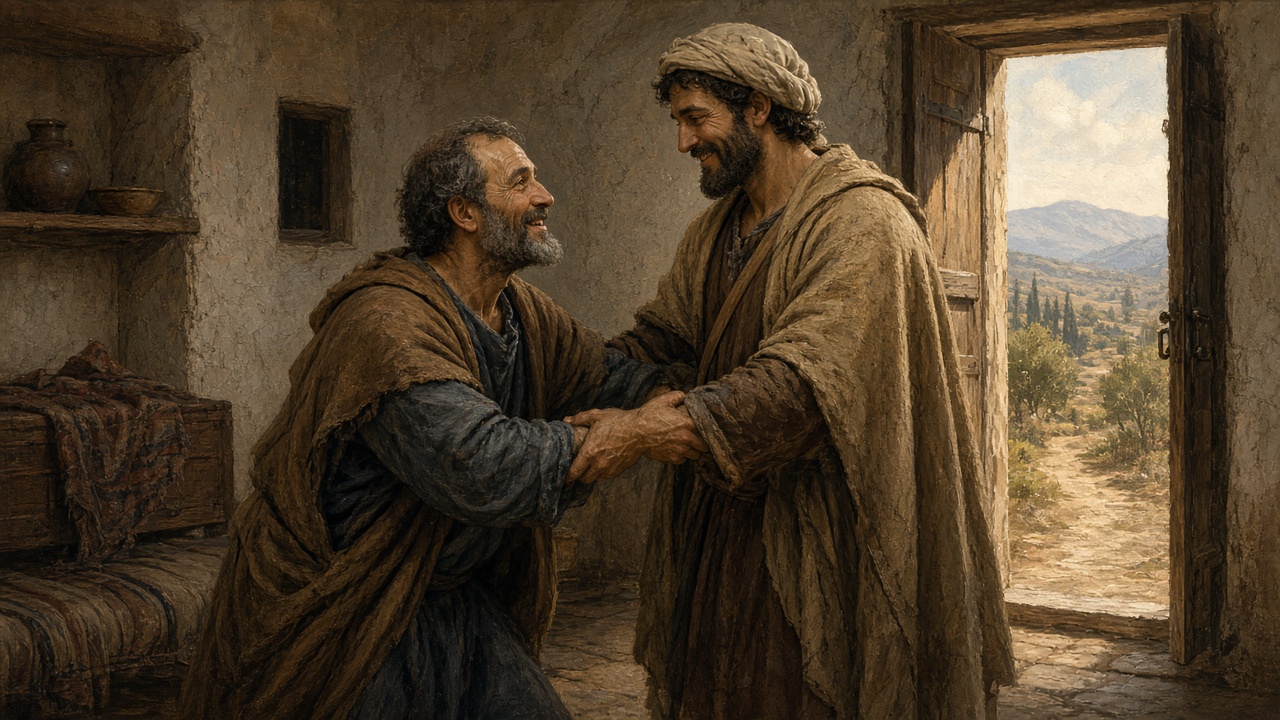
- Macedonia, where Paul says he arrived with no rest in his body—conflicts outside and fears within—was a Roman province north of Greece. There, he writes, the God who comforts the downcast comforted him by the arrival of Titus.Sources: Macedonia · the Bible text itself
- Paul speaks of a letter that made them sorrowful, but only for a short time. He now rejoices not because they were sorrowful, but because that sorrow led them to repentance; he says they felt the sorrow God intended, were not harmed by him, and showed earnestness, zeal, and innocence in the matter.Sources: the Bible text itself
- A short account describes Titus as a companion of Paul, apparently a Gentile chiefly engaged in ministering to Gentiles. In this chapter Paul says Titus’s arrival comforted him, that Titus reported their longing, mourning, and zeal, and that they welcomed Titus with fear and trembling.Sources: Titus · the Bible text itself
Notes written with AI assistance from open sources (Theographic Bible Metadata, CC BY-SA 4.0; Easton’s Bible Dictionary, public domain) and reviewed before publishing.
Places in this chapter
- Macedonia · 41.600, 22.540 · verse 5
Only places identified with high confidence are shown (90% or more according to the scholarly sources compiled by OpenBible). Period map: DARE (Digital Atlas of the Roman Empire), CC BY 4.0; modern map: © OpenStreetMap contributors; places: OpenBible.info (CC BY 4.0).
Credits and license for this translation
Gela Liwai Lotaɡ̶anaɡ̶axi Aneotedoɡ̶oji
New Testament in Kadiwéu (BR:kbc:Kadiwéu)
copyright © 2012 Wycliffe Bible Translators, Inc.
Language: Kadiwéu
Translation by: Wycliffe Bible Translators, Inc.
Copyright Information
© 2012, Wycliffe Bible Translators, Inc. All rights reserved.
This translation text is made available to you under the
terms of the Creative Commons License: Attribution-Noncommercial-No Derivative Works.
( http://creativecommons.org/licenses/by-nc-nd/3.0/ )
In addition, you have permission to port the text to different file formats, as long as you
do not change any of the text or punctuation of the Bible.
You may share, copy, distribute, transmit, and extract portions
or quotations from this work, provided that you include the above copyright
information:
You must give Attribution to the work.
You do not sell this work for a profit.
You do not make any derivative works that change any of the actual words or punctuation of the Scriptures.
Permissions beyond the scope of this license may be
available if you contact
us with your request.
The New Testament
in Kadiwéu
© 2012, Wycliffe Bible Translators, Inc. All rights reserved.
This translation is made available to you under the terms of the
Creative Commons Attribution-Noncommercial-No Derivatives license 4.0.
You may share and redistribute this Bible translation or extracts from it in any format, provided that:
You include the above copyright and source information.
You do not sell this work for a profit.
You do not change any of the words or punctuation of the Scriptures.
Pictures included with Scriptures and other documents on this site are licensed just for use with those Scriptures and documents.
For other uses, please contact the respective copyright owners.
2014-04-28
Source: http://ebible.org/kbcNT/ · eBible.org