Matthew 12
Meeŋka Jooŋ · Tap a verse to see its cross-references.
Yeecüwa a Mügdo yen Äŋ Jïñe Wääktäŋ
1Aŋ waan yaanja ti Yeecüwa attä kaaññä yiil jï Äŋ jïñe Wääktäŋ ti, aŋ baaddoni yeeke näkki käñ aŋ iken uccin kä liŋŋä päk witken amgä. 2Aŋ wääna yoorene daa Pïrrïcïïnnï ye, i Yeecüwa kiini ogo, “Yooru, Baaddoni yüükü nääŋä gin'a batta gïmkätä jiik ḍoocin Äŋ jïñe Wääktäŋ ti ye.”
3Aŋ luugi Yeecüwa ogo, “Ikee batta age päkin nääŋk'a naŋe Daawüüt wääna näke daa käñ, ke m'aka ke ike ina? 4Aŋ kaaccä än jï ba' Jooŋ aŋ ämmä bïggï latkä yaaka batta gïmkätä jiik ḍoocin ame ike, ke m'aka ke ike ye, a mä däŋkä pääken ken ämï. 5Halla ikee batta age päkin jiik ḍoocin yek Müüca ti ogo mä däŋkä yaaka ñuugolo änlaṇṇä jï ye, Äŋ jïñe Wääktäŋ ḍääldïï yok aŋ daa ḍuuggen ladolat? 6Ikee kiine, mäŋkalaŋ bilti winni yäwaŋ kä änlaṇṇä yen Jooŋ. 7Jiik Meeŋka bäṭo jayok ogo, ‘Ika ṭäkä me ängede ŋïngïn, batta a iirrä wäämmä yok ika ti.’ Aŋ naana jiik yaakki ookke gïtï ogo ŋaaka ye, i ikee batta bi juce m'aka ḍuuggen ladaŋ ye. 8Aŋ Minneni Mänbaan a Mügdo yen Äŋ jïñe Wääktäŋ.”
Yeecüwa Ṭïïñï Äŋ Jïñe Wääktäŋ ti
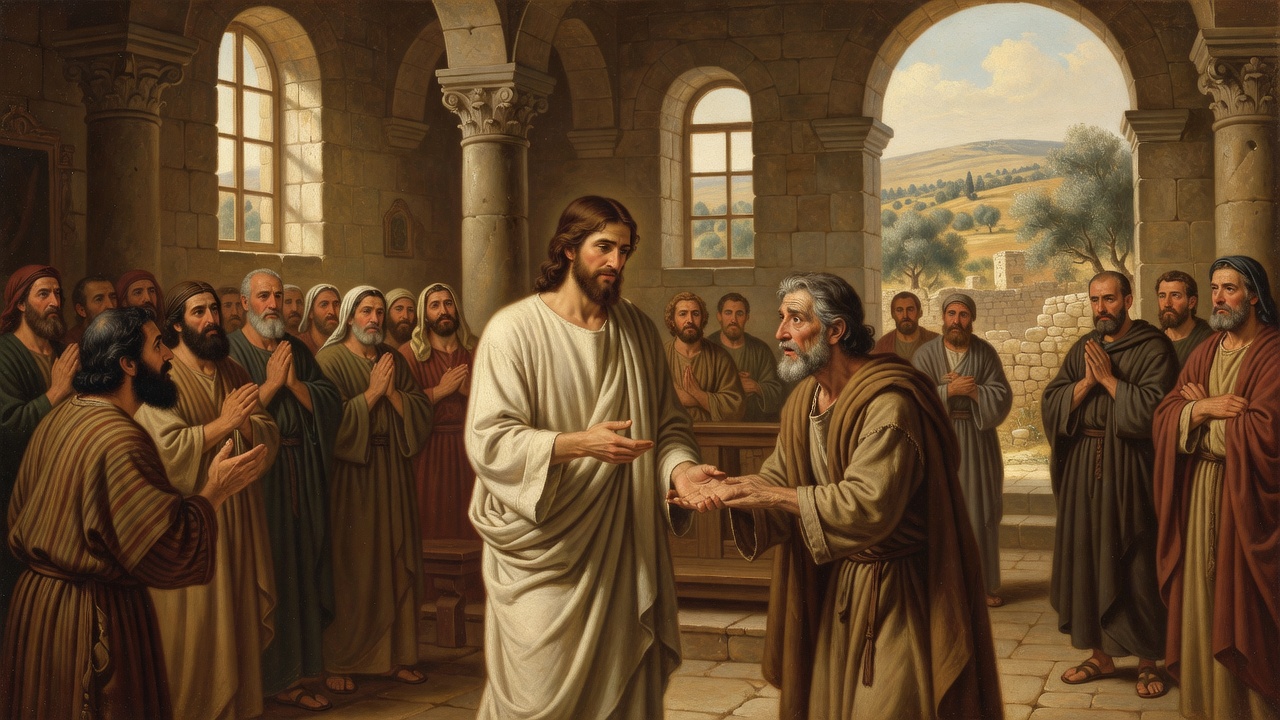
9Aŋ Yeecüwa wïca daljene ïñï aŋ attä daaŋmallä yen Yühüüṇṇï ti, 10nänṭ'a ike yuṭṭee kä oon yaŋkalaŋ ïṇte agee kä tüwon ye. Aŋ Yeecüwa taaji Pïrrïcïïnnï ogo, “Jiik ḍoocin gïmgïdï yoku men ṭïïñï Äŋ jïñe Wääktäŋ ti?” Aŋ iken ṭäkï ogo ike gïmmo ogo ee, nuŋko wäättan cïŋjïda ko.
11Aŋ tääcki ti Yeecüwa ogo, “Ikee ti m'ana cäyge kabal aŋ ḍimjin käälok Äŋ jïñe Wääktäŋ ti ye, batta yoku müge aŋ äbe woo? 12Aŋ ogoo büṭa mänbaan batta kääṭï kä yaac kä kabal! Päjjïdï jiik ḍoocin ti me näŋï nääŋkä ŋerkä Äŋ jïñe Wääktäŋ ti ye.”
13Aŋ oon kiini Yeecüwa ogo, “Ïṇtü lajjä woo.” Aŋ oon ïṇte lajjene woo, aŋ ḍukcin bata menen. 14Aŋ Pïrrïcïïnnï kaaccä woo läälä pugin ogo, Yeecüwa bi nägjï ḍok ogoo.
Ñuugulo Wäägïnï Woo kä Jooŋ
15Aŋ Yeecüwa, jiik yaakka ookke gïtï, aŋ kaaccä woo wïca. Aŋ me ḍiirken bäätcin ike ti, aŋ ṭeeññe muure. 16Aŋ kolle ogo ŋana nüüto ko ike. 17Aŋ yaakki ḍääkit yaaka jaayi bäṭo Ïcaaya ye ogo,
18“A ñuugulo yeeni yaana waŋŋä ye inni,
aŋ ike a m'ana bilgä ñapeñap joni ye.
Aŋ Wääktäŋ yeeni bi ḍoocu ike ti,
aŋ ike bi bäṭï kä iirjin ṭoŋ ti muure.
19Aŋ ike batta bi lel aŋ batta bi yaaw,
aŋ baati m'ana bi tïïŋï yääwe pääygä gïtï ye.
20Aŋ beellä gääŋon batta bi lige gïtï,
aŋ ṭenṭel yaana käl ḍüüŋ jiinä ye batta cäänna üüljede,
ke ääce iirjin kä yuctuŋ.
21Aŋ ṭoŋ muure näkä
guy yäṇtonḍe.”
Yeecüwa ke Booŋïn
22Aŋ mäkkalaŋ ääcin oon a uyku aŋ batta jaay cäygene meŋkeeke, aŋ ṭeeñi Yeecüwa, aŋ oon jääyin woo aŋ yuṭṭu. 23Aŋ me muure witken ḍiiktin, Aŋ iken jaajjin ogo, “Oon yaanni bi a Macii kaaynä yätkä Daawüüt yaana keeyïn ye inni?”
24Aŋ wääna Pïrrïcïïnnï tiiŋŋene kä yaakki ye, i iken jaajjin ogo, “Ike batta lïïṭït ñoollu meŋkeekeni pare aŋan. A yaana teynä yeene kañdeeda kä booŋïn ti, mügdo yen meŋkeekeni ti ye.”
25Aŋ paydinni yeeken ŋäjji Yeecüwa aŋ kiinne ogo, “Yätkïtïn yaana ḍoŋe ŋüüle gïtï ye, i yaac. Aŋ baan mooye ke äntükele yaana ḍoŋe ŋüüle gïtï ye, i batta bi yudit. 26Aŋ naana wiñ yen meŋkeekeni ñüülcïdï woo wiñ yen meŋkeekeni menen ye, aŋan ḍoŋe ŋüülle gïtï. Aŋ yätkïtïn yeene bi yudit ogoo? 27Aŋ naana ika ñuulcudu woo meŋkeekeni kä teynä booŋïn a gïtken ye, i aŋan baaddoni yeekic ñüülcïdï woo meŋkeekeni kä ŋaani? Aŋ aŋan iken bi wüütï a gütoni yeekic. 28Aŋ naana a teynä Wääktäŋ Jooŋ ken ñuuṭu kä meŋkeekeni ye, i aŋan Yätkïtïn Jooŋ äätin ikee ti. 29Yoku a ŋaani ken lïïṭï kaacï äräk ba' oon yaana teyaŋ bata booŋïn ye, aŋ waak yeeke peeje? A naana men teyaŋ kä ike aŋ por ike ḍiikä ye, aŋ wäättan nuŋko waak yeeke peejeeda kä ye.
30M'ana batta ke ika ye, i a ädäŋ yeeni, aŋ m'ana batta ḍüṭon ye, i piirä gïtï.
31Aŋ ikee kiine, nääŋkä yaackä ke aammin yok, bi kulkunu Jooŋ, aŋ m'ana aammä yok Wääktäŋ Laṇṇä ye, batta bi kulkunu Jooŋ. 32Aŋ m'ana jaay jiik yaackä Minneni Mänbaan ti ye, bi kulkunu Jooŋ, aŋ m'ana jaay jiik yaackä Wääktäŋ Laṇṇä ti ye batta bi kulkunu Jooŋ, yuungu yaakki ti ke yuungu yaaka äätä ye ti.
Jaan Ŋäjjänä Me kä Ṭulge
33Jaan ŋäjjänä me kä ṭulge. Naana jaan ŋeraŋ ye, i daa ṭulge ŋeraŋ. Aŋ naana jaan yaajaŋ ye, i daa ṭulge yejgaŋ. 34Aŋ ikee merkä käggä! Yoku ikee jaaye jiik ŋerkä ogoo, i ina ikee age mä yaackä yaanna? Aŋ lemmä jaay wakkä yaaka jon agee kä küümgïnï ye. 35Män ŋerrä tuññu yeene ŋerconḍe jï ääcïdï woo wakkä ŋerkä, aŋ män yaaññä tuññu yeene yaajgonḍe jï ääcïdï woo yiñ. 36Ikee kiine, nïïnnä jooññu ti mäŋkalaŋ daa bi taacä Jooŋ kä jiik'a jaayne a waanjï ye. 37Kä jiik yüükü ïkï bi teetci woo, aŋ kä jiik yüükü ïkï bi jooci Jooŋ.”
Gin'a Nüütï Yäwnä yen Yüünïc Ye
38Aŋ nüütoni yakkalaŋ yek jiik ḍoocin yek Jooŋ ke Pïrrïcïïnnï äätin Yeecüwa ti aŋ jaajjin ogo, “Nüüto, ikoon ṭäkon yurton gin'a nüütï yäwaŋ ïkï ti ye.”
39Aŋ luugi Yeecüwa ogo, “Kil yaackä ke yaana batta cääyge luggin ye, ñüjï gin'a nüütï yäwaŋ ye, aŋ baati gin yäwnä yaana iñtedaa me ye, a gin yäwnä yen Bäṭo Yüünïc pare. 40Bata yaana Yüünïc nääkenee kä äŋkä gïtken ke wïrdïnnï gïtken kä ḍäk yakcan mooye jï ye, i cäänna daa Minneni Mänbaan bi nääkä äŋkä gïtken ke wïrdïnnï gïtken kä ḍäk ŋommañ jï.
41Aŋ mä Nïnawï bi juwu ñaalok nïïnnä jooññu ti ke kil yaakki aŋ bi joocu, aŋ wääna Yüünïc päkkee ye, iken ḍaŋŋä kä nääŋkä yaackä yeeken aŋ ḍuukin Jooŋ ti. Aŋ tiññaŋ m'ana tälaŋ Yüünïc ti ye a winni. 42Aŋ yätkä iiŋe yen mä ïñïnä bi juwu ñaalok nïïnnä jooññu ti kä yiñ kil yaanni ti, aŋ bi jooje, kä yaana ike äätee kä ŋommañ ŋoy, tiŋdee kä ŋäjjin Cïlïmaan ye, aŋ tiññaŋ m'ana tälaŋ Cïlïmaan ti ye a winni.
Ḍuukin Wääktäŋ Yaaññä
43Aŋ naana wääktäŋ yaaññä kääjin woo men ti ye, i atï woo teettälaŋ määjï yïïktäŋ. Aŋ naana batta a käñon ye, 44i jaajjï ogo, ‘Ika ḍukcu än yeeni yaana äätä kä ina ti.’ Aŋ naana ike ḍuukin aŋ än kaññe jïñe elaŋ aŋ a weecon aŋ a tooton ye, 45I ike ḍukcï aŋ äcä meken kä ŋaṭükel yaaka teyaŋ kä yaac kä ike ye, iken kaacï aŋ cäyok wïca. Aŋ cäwdä yen men yaanna yaacï ïñï kä yaac batta bata wääna kä on ina. Aŋ cäänna bi wäätï kil yaaññä yaanni ti.”
Yeecüwa Meen Ke Mädgen
46Wääna Yeecüwa jaayee kä ṭoŋ ti ye, i meen ke mädgen yudok üṇtük iken ṭäkï jaajjïdï ike ti. 47Aŋ nüütkï mäŋkalaŋ ogo, “Miic ke mädgic yudok üṇtük ṭäkï jayok ke ïkï.”
48Aŋ men luukke ogo, “A ŋaani ken a miyo? Aŋ a ŋaannä ken a mädgo?” 49Aŋ ïṇte nüütte baaddoni yeeke ti, aŋ kiinne ogo, “A miyo ke mädgo ikki. 50Aŋ m'aka nääŋä ṭäktäŋ Wäyo yaana polloŋ jï ye, ken a mädgo ke käwgo ke migo.”
Did you know?
Lord of the Sabbath and Signs of the Kingdom
- When challenged by the Pharisees for plucking grain on the Sabbath, Jesus cited the Old Testament account of David eating the consecrated bread when he was hungry. He argued that human need and doing good take precedence over ritual regulations, declaring himself Lord of the Sabbath.Sources: the Bible text itself · David
- After casting out a demon from a blind and mute man, Jesus was accused of operating through Beelzebul, the prince of demons. Jesus rejected the charge, explaining that a divided kingdom or household cannot stand and that casting out demons by the Spirit of God demonstrates the arrival of God's kingdom.Sources: the Bible text itself · Satan
- In response to requests for a miraculous sign, Jesus pointed to the prophet Jonah, comparing Jonah's three days in the fish's belly to his own impending death and burial. He warned that the citizens of Nineveh and the Queen of the South would judge his generation because they responded to Jonah and Solomon, whereas someone greater was now present.Sources: the Bible text itself · Jonah · Nineveh · Solomon
Notes written with AI assistance from open sources (Theographic Bible Metadata, CC BY-SA 4.0; Easton’s Bible Dictionary, public domain) and reviewed before publishing.
Places in this chapter
Only places identified with high confidence are shown (90% or more according to the scholarly sources compiled by OpenBible). Period map: DARE (Digital Atlas of the Roman Empire), CC BY 4.0; modern map: © OpenStreetMap contributors; places: OpenBible.info (CC BY 4.0).
Credits and license for this translation
Meeŋka Jooŋ
Jumjum Bible Translation
copyright © 2023 Pioneer Bible Translators
Language: (Jumjum)
Contributor: Pioneer Bible Translators
This translation is made available to you under the terms of the
Creative Commons Attribution Share-Alike license 4.0.
You have permission to share and redistribute this Bible translation in any format and to make reasonable revisions and adaptations of this translation, provided that:
You include the above copyright and source information.
If you make any changes to the text, you must indicate that you did so in a way that makes it clear that the original licensor is not necessarily endorsing your changes.
If you redistribute this text, you must distribute your contributions under the same license as the original.
Pictures included with Scriptures and other documents on this site are licensed just for use with those Scriptures and documents.
For other uses, please contact the respective copyright owners.
Note that in addition to the rules above, revising and adapting God's Word involves a great responsibility to be true to God's Word. See Revelation 22:18-19.
2025-05-06
Source: http://ebible.org/jum/ · eBible.org