1 Peter 2
Janji Bible · Tap a verse to see its cross-references.
1Barki anime kinini iriba ibit nan iriba ibur, ni ero, nan tize tizenzen. 2Kasi vana, uneze, unu nyo uso, iwuzi u inko iriba ama hene mu goma Asere mage sa ma kadure, barki ahira uri ikan i uzi uhana ubura unice. 3Inka ya dunkino Ugomo Asere me unu imumu iriri ahira Asere. 4Aye ahira ati po ni vai nigre sa anu wa ga nini, barki ani me azauka nini imumu iririahira Asere. 5Shi kasi apoo ivai abara shi akura ariri, barki icukuno lau ahira a hana ka tuma, barki inyizi uwito ace Asere imumu kaba ahira Asere ta hira Yeso vana Asere. 6Baki uni itike wa guna, “Mi be ma nata nipo num anibura, nuzawa, ni riri anyimo sihiyona. Vat desa ma nya kadura ahira ameme made se mu ē ba.” 7Imumu iriri ahira ashe ani, shi sa ya nya kadure. Barki andesa wa gawe unya iriba, “Nipoosa ana so wa nyari manini ni neni a inki ane bura nu denge.” 8Anime, “Nipoo ni wuza ipillizo nan nu pillizo.” Wa pilliko ni barki sa wa gawe utarsa utize tumeme, a gunawa iri anime.” 9Barki anime azauka usuro iwaye memani, u ora ace wana dandang ukatuma ka Asere, ugomo anu alau, anu kaba Asere barki iboo imumu wuza ige sa atita shi anyimo a reu, uhana amasaa. Mati timumu tiriri. 10Shi ya zi anu ba, ana meshi anu Asere wani, da makem usuraba, ana me ya kem ubura. 11Anu henu um izinu igizo ushi, sumani timumun tini pum. 12Cukuno anu wuza imumu riri anyimo anabu, barki uganiya sa wa gane uira ushi kasi anu wuza imum izenzen, wadi hiri timumu tiriri tishi me kasi uhana uwui u aye Ugomo Asere. 13Uza ni imumu iriri nan kodi ti tigomo ta anabu barki Ugomo Asere. 14Nani shi anu akatuma kame kani barki iyomko anu wuza ukatuma ka riri. 15A geno me u ira Asere ani, ahira akatuma ka huma ka shi me, kara ni rere nanu uzatu urasa. 16Kasi ande sa akabawe kati. I wuzi katuma unu bura ushi me kasi ugudu uwuza ukatuma ka zenzen, barki anime cukuno ni kas arere Asere. 17Nonzo ni anu vat, sumani 'anu henu, ikunna biyau ba Asere. inonzo ugomo. 18Shi arere, nonzo aka co akura ashime anyimo u vat ni nonzo. Azo anu imumu iriri nan anu tuzo ace ba, barki ani nan anu imumu iburu. 19Barki anime imumu iri nunzo nini barki inka ubezi iriba uhan ahira Asere inka uye ma tira iriba ina sa uyomo. 20Barki ani me nyani ni ya kem inka ya wuza imumu imadi. Ni azunu yomo ishi ya tira iriba unu yomo me? Barki ani me inka ya wuza katuma ka riri ya sa ni rere ahira ini ya wuza iriba ihuu, agino me imumu ikaba ini ahira Asere 21Barki ane ani atita shi, baeki Asere asi nirere barki shi, ma ceki shi imumu iwuza ati buna tumeme. 22Da ma wuna imumu imadini ba, da amu kunna urangaarani ame ba. 23Adi zogi me mada garza tizogo me ba. Ma si uyomo, sarki ubina ni, ma witi nice nume me ahira anu inko utiza ti ka dure. 24Me ini cenume me maziki madini maru ma hani asesere utiti, barki kati akem duru anyimo amadini, barki ani me tiwuzi ticumkum ti kadure, ahira tanu tume tini ya huma ni. 25Vat ushi sa ya hunne shi izinu kese kasi itam sa ya hunne me, ana me ya ze ahira unu utar san shi nan unu ahira ibe shi me.
Did you know?
Living Stones and a Chosen People
- This chapter quotes Scripture about a chosen and precious cornerstone laid in Zion: the one who believes in him will never be put to shame. Zion was the south-eastern hill of Jerusalem, one of the heights on which the city was built, surrounded on every side except the north by deep valleys.Sources: the Bible text itself · Zion
- David took Zion from the Jebusites, built a citadel and a palace there, and the hill became known as the city of David. The letter uses that place-name when it quotes Scripture about a cornerstone laid in Zion, and it pictures the readers as living stones being built into a spiritual house and a holy priesthood.Sources: Zion · the Bible text itself
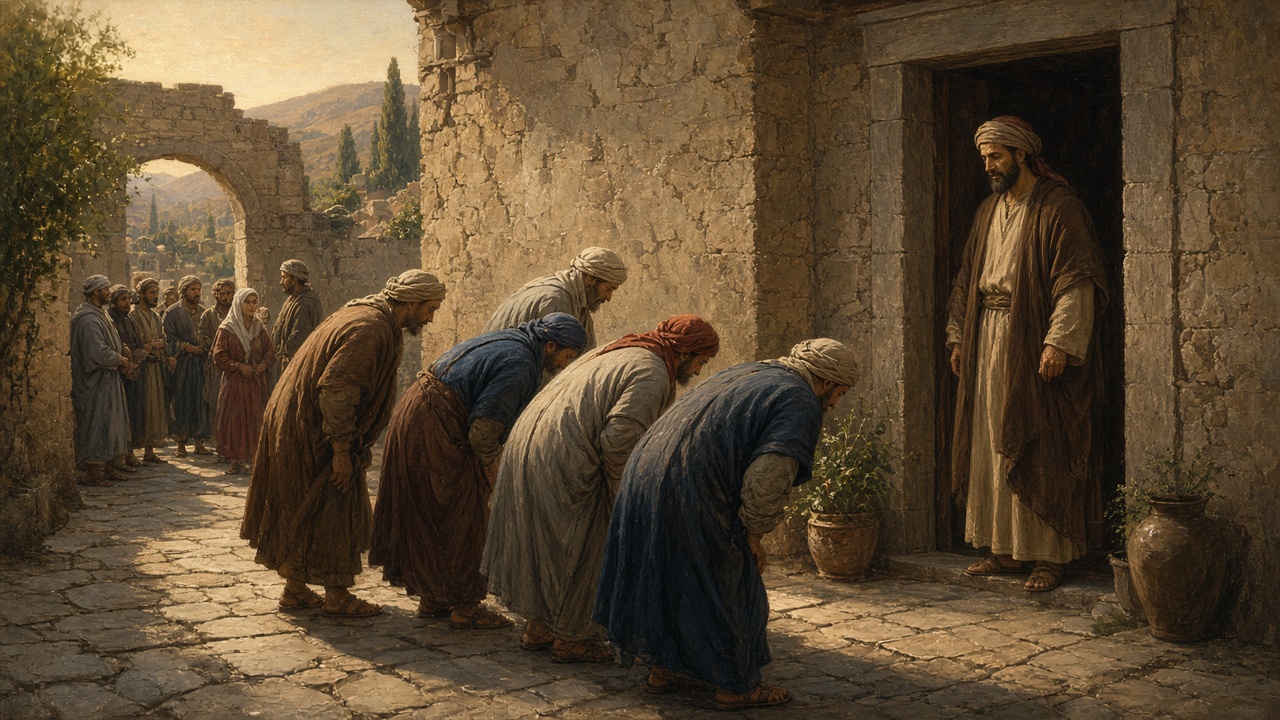
- The chapter urges submission, for the Lord’s sake, to every human institution—to the king as supreme authority and to governors sent to punish wrong and praise what is right. It tells servants to respect even unreasonable masters, and it holds up Christ’s suffering, without sin, deceit, threats, or retaliation, as the pattern for enduring unjust pain.Sources: the Bible text itself
Notes written with AI assistance from open sources (Theographic Bible Metadata, CC BY-SA 4.0; Easton’s Bible Dictionary, public domain) and reviewed before publishing.
Places in this chapter
- Zion · Today: Jerusalem · 31.777, 35.234 · verse 6
Only places identified with high confidence are shown (90% or more according to the scholarly sources compiled by OpenBible). Period map: DARE (Digital Atlas of the Roman Empire), CC BY 4.0; modern map: © OpenStreetMap contributors; places: OpenBible.info (CC BY 4.0).
Credits and license for this translation
Janji Bible
The New Testament in the Janji language of Nigeria
copyright © 2020 Door 43 International Mission Community
Language: Ajanji (Janji)
Translation by: Door 43 International Mission Community
Contributor: Chrispher Ishaya, Daduhus Timothy Danjuma, Danjuma Alfred H, Ishaku B. Kubgak, Timothy Danjuma
This translation is made available to you under the terms of the
Creative Commons Attribution Share-Alike license 4.0.
You have permission to share and redistribute this Bible translation in any format and to make reasonable revisions and adaptations of this translation, provided that:
You include the above copyright and source information.
If you make any changes to the text, you must indicate that you did so in a way that makes it clear that the original licensor is not necessarily endorsing your changes.
If you redistribute this text, you must distribute your contributions under the same license as the original.
Pictures included with Scriptures and other documents on this site are licensed just for use with those Scriptures and documents.
For other uses, please contact the respective copyright owners.
Note that in addition to the rules above, revising and adapting God's Word involves a great responsibility to be true to God's Word. See Revelation 22:18-19.
2024-05-01
Source: http://ebible.org/jni/ · eBible.org