John 6
Nuevo Testamento yin̈ abxubal · Tap a verse to see its cross-references.
Yet yakꞌni waꞌo Comam Jesús howeb mil ebnaj winaj
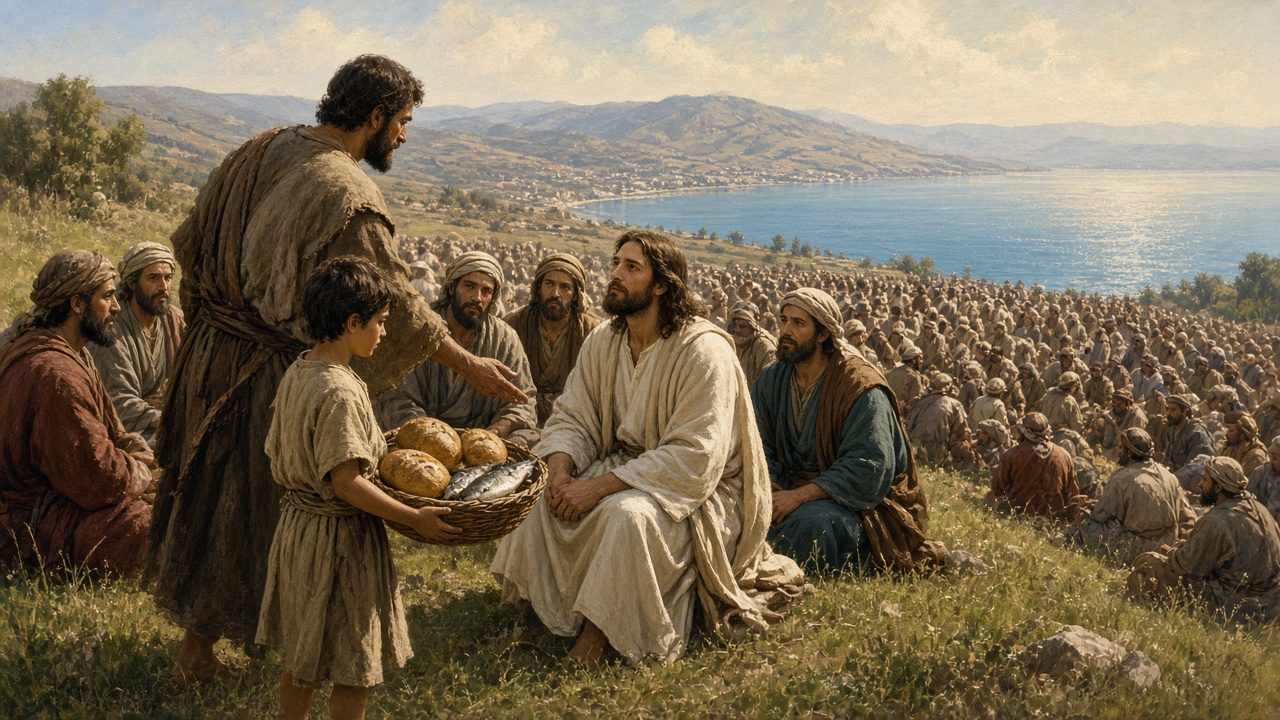
1Lahwi tuꞌ xin, isto Comam Jesús iskꞌaxepicꞌto haꞌ lago Galilea, chiyijpaxo Tiberias. 2Caw xin hantan̈e anma oc tzujno yinta Comam, yuto yil anma tuꞌ iswatxꞌen Comam cꞌaybalcꞌule yet iscawxi anma yaꞌay yu Comam. 3Isto Comam Jesús iswiꞌ huneꞌ won̈an yeb ebnaj chicuywi yintaj, yay tzꞌon̈no Comam yeb ebnaj bey tuꞌ. 4Toxa xin chiichico kꞌin̈ Pascua, iskꞌin̈ ebnaj Israel. 5Yet yilni Comam xin ta caw hantan̈e anma apni iscꞌatan̈, yalni Comam tet naj Felipe:
—¿Baytuꞌwal chicolokꞌ tzet chislo sunil anma tiꞌ? ẍi Comam tet naj.
6Yal Comam huneꞌ tiꞌ yun̈e yaben Comam tzet chiyute yalni naj Felipe. Wal Comam xin, caw yohtaxa tzet chiyu yakꞌni waꞌo sunil anma tuꞌ. 7Istakꞌwi naj:
—Waxan̈ca ay cabo ciento denario comelyu chilokꞌni tzet chilolaxi, caw maẍticꞌam chabe yikꞌni anma hunta txꞌinano yet, ẍi naj tet Comam.
8Ay xin huneꞌ naj chicuywi yinta Comam tuꞌ, yuẍta isba yeb naj Simón Pedro, Andrés isbi. Haꞌ naj halni:
9—Ay huneꞌ naj nichꞌan coxol tiꞌ, ay cacꞌon̈ noꞌ cay ikꞌbil yu naj yeb xin howeb ixim pan cebada, yajaꞌ ¿tzet chakꞌ hanicꞌ tiꞌ yin̈ sunil anma? ẍi naj tet Comam.
10Yalni Comam tet ebnaj iscuywom tuꞌ:
—Halwe tet sunil anma ayojab tzꞌon̈noj, ẍi Comam.
Caw xin chekꞌanla sat txꞌotxꞌ bey tuꞌ, yuxin hacn̈e tuꞌ yu yay tzꞌon̈no anma sunil. Aymi howebo mil isbisil ebnaj winaj. 11Yinican̈ Comam ixim pan tuꞌ. Yet lahwi yakꞌni Comam yuchꞌandiosal yin̈ ixim tet Comam Dios, yitxkꞌanto Comam ixim yin̈ anma tzꞌon̈an tuꞌ. Hacticꞌapax tuꞌ yute Comam yin̈ noꞌ cay, yakꞌ Comam hantaticꞌa caw choche anma. 12Hayet lahwi isnohcano iscꞌul anma tuꞌ xin, yalni Comam tet ebnaj chicuywi yintaj:
—Cutxbaweyo sunil ixim matxa malahwi yu anma tiꞌ, haxinwal machi ixim chietaxtoj, ẍi Comam.
13Hac tuꞌ xin yu iscutxbanico ebnaj ixim, caw xin cablahon̈ebto motx ixim matxa lahwi yu anma tuꞌ yin̈ ixim howeb pan cebada. 14Yet yilni anma huneꞌ cꞌaybalcꞌule iswatxꞌe Comam Jesús tuꞌ, yalni anma hacaꞌ tiꞌ:
—Yin̈ caw yeli, haꞌ huneꞌ naj tiꞌ ischejab Comam Dios halbilcanoj tato chihul coxol bey yul sat yiban̈kꞌinal tiꞌ, ẍi anma.
15Isnanilo Comam Jesús tato chꞌecꞌ yin̈ isnabal anma yinito Comam cat yanico anma Comam yahawiloj, yuxinto el Comam xol anma, isto Comam iswiꞌ won̈an ischuquil.
Yet isbelwicꞌo Comam Jesús yiban̈ ha haꞌ
16Yet yay numnahi yapni ebnaj iscuywom Comam Jesús istiꞌ haꞌ lago. 17Lahwi tuꞌ xin yocto ebnaj yul huneꞌ teꞌ barco yun̈e yecꞌ apno ebnaj iskꞌaxepxacꞌto haꞌ lago cat yapni ebnaj yul con̈ob Capernaum. Caw xaay numnahi, maẍtoticꞌa xin chiapni Comam iscꞌatan̈ ebnaj. 18Yet bel chu isbarco ebnaj yiban̈ haꞌ tuꞌ, istzabnico yecꞌ huneꞌ niman jakꞌekꞌ. Caw nahat chiꞌah haꞌ isbilen jakꞌekꞌ. 19Ayxam xin yictajo iscab legua chito isbarco ebnaj yiban̈ haꞌ lago tuꞌ, yilni ebnaj Comam Jesús belwo chu yiban̈ haꞌ. Lan̈an xin ishitzico Comam iscꞌatan̈ teꞌ barco bay ayicto ebnaj tuꞌ, isxiwcan̈ ebnaj. 20Yalni Comam tet ebnaj:
—Haninan, mach chexxiwcan̈, ẍi Comam.
21Yuxinto caw tzalacan̈ ebnaj ischahnicto ebnaj Comam yul barco tuꞌ iscꞌatan̈. Hunepixto xin, yapni ebnaj iskꞌaxepicꞌto haꞌ bay nabilto yu yapni.
Saywa anma yin̈ Comam Jesús
22Haxa yin̈ hunxa tzꞌayic xin, yet aytocꞌo anma sunil istiꞌ haꞌ lago tuꞌ, isnaniti anma tato xato ebnaj iscuywom Comam yul huneꞌ teꞌ barco ayayo bey tuꞌ, han̈e xin teꞌ ayayoj. Isnanipaxti anma ta machi to Comam yinta ebnaj. 23Ay xin huntekꞌan teꞌ barco ispeto yul con̈ob Tiberias apni iscawilal bay iswah anma ixim pan yet yakꞌni Comam yuchꞌandiosal yin̈ ixim tet Comam Dios. 24Yet yilni anma tato matxa Comam Jesús bey tuꞌ yeb ebnaj chicuywi yintaj, yocto anma yul huntekꞌan teꞌ barco apni bey tuꞌ, isto anma saywal yin̈ Comam kꞌaxepxacꞌto haꞌ bey yul con̈ob Capernaum.
Comam Jesús hacaꞌ tzet chilolaxi chiakꞌni kꞌinale
25Yet yecꞌ apno anma iskꞌaxepicꞌto haꞌ lago tuꞌ yilcha Comam yu anma. Iskꞌamben anma tuꞌ tet Comam:
—Mam cuywawom, ¿hanicꞌ hawul bey tiꞌ? ẍi anma tet Comam.
26Istakꞌwi Comam tet anma:
—Yin̈ caw isyelal chiwalan teyet, walex hex tiꞌ, chinhesayilojan yuto caw noh hecꞌul yu ixim pan wakꞌan hewab. Maẍtaj yu matxumchalo heyu yin̈ tzet chal yelapno ye huneꞌ cꞌaybalcꞌule inwatxꞌetuꞌan, ẍi Comam.
27Yalnipaxo Comam:
—Maẍn̈etaj tzet chelo cheyaco yin̈ hecꞌul hesayniloj yuto huneꞌ tuꞌ chilahwi. Wal xin ay huneꞌxa hacaꞌ tzet chicolo mach chitan̈iloj, haꞌ huneꞌ tuꞌ chiakꞌni hekꞌinal mach istan̈bal. Haꞌ huneꞌ tuꞌ wal heyanico yin̈ heyanma hesayniloj. Hanin Akꞌbilintijan texol yu Inmaman, haninan chiwakꞌan huneꞌ itah, haꞌ ton kꞌinale mach istan̈bal, yuto xaisyelo Comam Dios tato haninan sicꞌbilintijan yu, ẍi Comam Jesús tet anma.
28Iskꞌamben anma tet Comam:
—¿Tzet xin wal juten cobahan̈ yun̈e cowatxꞌenan̈ sunil tzet choche iscꞌul Comam Dios? ẍi anma.
29Istakꞌwi Comam:
—Haꞌ huneꞌ chiyoche Comam Dios to cheyayto yul heyanma win̈an, yuto haꞌ Comam chejn̈eintijan, ẍi Comam.
30Yalnipaxo anma tet Comam:
—¿Tzet xin hunu cꞌaybalcꞌulehal chaye jilaꞌan̈, yun̈e cachcochahnihan̈ yul janmahan̈? ¿Tzet hunu chawatxꞌe? 31Ebnaj jichmaman̈ yet payat, ay huneꞌ cꞌaybalcꞌule ilbil yu ebnaj yet isloni ebnaj maná bey txꞌotxꞌ desierto. Hacaꞌ yalni Istzotiꞌ Comam Dios bay chal hacaꞌ tiꞌ: “Yati Comam Dios huneꞌ itah satcan̈ islob sunil anma,” ẍiayoj, ẍi anma tet Comam.
32Yalni Comam tet anma:
—Yin̈ caw isyelal chiwalan teyet, maẍtaj naj Moisés akꞌn̈e huneꞌ itah satcan̈il tuꞌ tet ebnaj jichmam yet payat tiempo tuꞌ. Wal xin itah tit yul satcan̈ tuꞌ yechel yin̈ huneꞌ wah caw yeli chakꞌ Inmaman teyet. 33Huneꞌ wah chakꞌ Comam tiꞌ, yul satcan̈ titnaj, haꞌ xin chiakꞌni kꞌinale mach istan̈bal tet anma, ẍi Comam.
34Yalni anma tet Comam:
—Mamin, akꞌ huneꞌ wah tuꞌ jetan̈ yin̈ sunilbal tiempo, ẍi anma.
35Yalni Comam tet anma:
—Hanintonan huneꞌ wah tuꞌ, yuto chiwakꞌan kꞌinale mach istan̈bal. Macn̈eticꞌa chaco isba yul inkꞌaban, matxa bakꞌinal chin̈ohchahi, yeb xin macn̈eticꞌa chianayto yul yanma win̈an, matxa bakꞌinal chitajpaxo istiꞌ. 36Caw xaticꞌa walan teyet, waxan̈ca caw cheyilico win̈an, yajaꞌ caw mach cheyaco heba yul inkꞌaban. 37Wal xin, sunil mac chahti Inmaman wetan, chul yul inkꞌaban, yuxin mac chihul yul inkꞌabtuꞌan caw chinchahan, mach chinman̈cꞌotojan. 38Wal hanintiꞌan, quintitan yul satcan̈, yaj maẍtaj yu inwatxꞌenan tzet chal incꞌulan, wal xin titnajinan yun̈e inwatxꞌenan tzet chal iscꞌul Inmaman chejn̈eintijan. 39Haꞌ tzet choche iscꞌul Comam chejn̈eintijan yin̈ sunil macta chiyaco yul inkꞌaban, ta machi hunu mac chicꞌayto wuhan, to chiwakꞌ itzitzbocan̈an yet chiapni islahobal tzꞌayic. 40Haꞌ choche iscꞌul Inmaman, to haꞌ mac chinilnihan ta haninan Iscꞌahol Dios wehan, cat yanayto yul yanma win̈an, chischah iskꞌinal mach istan̈bal. Haxa yet chiapni islahobal tzꞌayic, cat wakꞌni itzitzbocan̈an xol camom, ẍi Comam.
41Yet yaben ebnaj yahawil yin̈ ebnaj Israel yin̈ tzet chal Comam tuꞌ, yoc ebnaj buchwal yin̈ Comam yuto yal Comam hacaꞌ tiꞌ: “Hanintiꞌan huneꞌ wah titna yul satcan̈,” ẍi Comam.
42Yalni ebnaj hacaꞌ tiꞌ:
—¿Tom maẍtaj naj tiꞌ naj Jesús, iscꞌahol naj José? Caw johta mac ismam naj yeb ismiꞌ naj. ¿Tzet yin̈ yuxinto chal naj tato yul satcan̈ titna naj? ẍi ebnaj yin̈ Comam.
43Yalni Comam tet ebnaj:
—Bejwe hetzotel win̈an. 44Caw machi hunu mac chihul yul inkꞌaban tato maẍtaj Inmaman chichejniti wetan, Comam an̈eintijan. Haninan xin chiwakꞌ itzitzbocan̈an yet islahobal tzꞌayic. 45Tzꞌibn̈ebilcano yu ebnaj ischejab Comam Dios yet payat hacaꞌ tiꞌ: “Sunil mac chicuylax yu Comam Dios,” ẍiayoj. Yuxin sunil mac chiaben tzet chal Comam Dios tuꞌ, chitxumchalo yu yin̈ tzet chala, haꞌ xin chihul yul inkꞌaban.
46Caw maẍto hunu mac iln̈e yin̈ Comam Dios Mame hachcachann̈e inan, yuto yul satcan̈ titnajinan, yuxinto caw wohtajan Comam. 47Yin̈ caw isyelal chiwalan teyet, macn̈eticꞌa chinchahnihan yul yanma, caw chischah huneꞌ iskꞌinal mach istan̈bal. 48Hanintiꞌan haꞌ ton huneꞌ wah chiakꞌni kꞌinale mach istan̈bal. 49Haꞌ ebnaj heyichmam yet payat tuꞌ, iswah ebnaj huntekꞌan maná bey txꞌotxꞌ desierto, yaj xin sunil ebnaj xa-le-camtoj. 50Yajaꞌ mac chiwahni huneꞌ wah titna yul satcan̈, chiwaltiꞌan xin, machi bakꞌinal chicami. 51Hanintonan huneꞌ wah itzitz titna yul satcan̈, yuxin macn̈eticꞌa chiwahni huneꞌ wah tiꞌ, caw itzitzn̈eticꞌa yin̈ sunilbal tiempo. Haꞌ huneꞌ wah chiwakꞌtiꞌan, haꞌ ton innimanilan chiwakꞌan yun̈e ischahni anma iskꞌinal, ẍi Comam Jesús tet anma.
52Hayet yaben anma Israel huntekꞌan tiꞌ, istzabnico anma isteyelen isba yin̈ tzet yal Comam. Le-yalni anma hacaꞌ tiꞌ:
—¿Tzet chu yakꞌni naj tiꞌ isnimanil cocꞌuxuꞌ? ẍi anma tet hunun.
53Yalni Comam xin:
—Yin̈ caw isyelal chiwalan teyet, hacaꞌ tato mach checꞌux innimaniltiꞌan, Hanin Akꞌbilintijan texol yu Comam Dios, yeb xin hacaꞌ ta mach cheyucꞌ inchiqꞌuilan, mach chechah hekꞌinal mach istan̈bal. 54Yuxin macn̈eticꞌa chicꞌuxni innimaniltiꞌan, cat yucꞌni inchiqꞌuiltiꞌan, caw chischah iskꞌinal mach istan̈bal. Hayet islahobal tzꞌayic xin chiwakꞌ itzitzbocan̈an xol anma camom. 55Yuto innimaniltiꞌan lahan hacaꞌ wah, haꞌ chiakꞌni kꞌinale mach istan̈bal, hacpax tuꞌ xin inchiqꞌuilan hacaꞌ tzet chiucꞌlaxi. 56Macn̈eticꞌa chicꞌuxni innimanilan cat xin yucꞌni inchiqꞌuilan, caw hunxan̈e chiwucanojan yebi. 57Comam Dios caw itzitz yin̈ sunilbal tiempo, haꞌ Comam tuꞌ quinchejnitijan, yuxin itzitz inn̈eticꞌapaxojan. Hac ton tuꞌ xin, mac chicꞌuxni innimaniltiꞌan, caw itzitzn̈eticꞌapaxo wuhan. 58Hanintonan, huneꞌ wah titna yul satcan̈, yaj mach hacaꞌo maná islo ebnaj jichmam, yuto waxan̈ca islo ebnaj huntekꞌan maná tuꞌ, yaj cam ebnaj. Wal mac chiwahni huneꞌ wah chiwaltiꞌan xin, caw ay iskꞌinal mach istan̈bal, ẍi Comam.
59Sunil huntekꞌan tiꞌ yakꞌ Comam Jesús iscuyuꞌ anma yul iscapilla ebnaj Israel bey yul con̈ob Capernaum.
Cuybanile yet kꞌinale mach istan̈bal
60Yet yaben anma chicuywi yinta Comam Jesús huntekꞌan cuybanile yakꞌ Comam tuꞌ, txꞌiꞌal ebnaj halni tet hunun:
—Caw yaꞌta cochahni huntekꞌan chal naj tiꞌ. ¿Mactaxca chikꞌoji isyijeni? ẍi ebnaj.
61Wal Comam xin, caw yohtaxa tzettaj chal ebnaj tuꞌ, yuxin yal Comam hacaꞌ tiꞌ:
—¿Tom caw chicabconcan̈ hecꞌul yin̈ tzet chiwaltiꞌan? 62Wal Hanin Akꞌbilintijan texol yu Comam Dios tiꞌ, tato cheyil inmeltzohan yul satcan̈ bay titnajinan, ¿tzixam chi-la-heyalaꞌ? 63Haꞌ Yespíritu Comam Dios haꞌ chiakꞌni kꞌinale mach istan̈bal, wal conimanil matzet chakꞌa. Huntekꞌan cuybanile xawalan teyet tuꞌ, yin̈ caw yeli yet Espíritu yehi, haꞌ chiakꞌni kꞌinale mach istan̈bal. 64Yajaꞌ ayexto hex tiꞌ, maẍto cheyayto yul heyanma yin̈ tzet chiwaltiꞌan, ẍi Comam.
Yal Comam hacaꞌ tuꞌ yuto caw yohtaxa Comam yet caw yalan̈tocanoj macta mach chianayto yul yanma yin̈ tzet chal Comam. Caw xin yohtaxapaxo Comam mac chianico yul iskꞌab ebnaj ayco ishowal yin̈. 65Yuxinto yalpaxo Comam hacaꞌ tiꞌ:
—Caw chiwalan teyet tato caw machi hunu mac chaco isba yul inkꞌaban tato maẍtaj Inmaman chichejniti wetan, ẍi Comam.
66Yet yaben anma tzet yal Comam tuꞌ xin, txꞌiꞌal anma bejnicano yecꞌ yinta Comam. 67Yuxinto iskꞌambe Comam tet ebnaj cablahon̈wan̈ iscuywom:
—Haxa hex tiꞌ, ¿chimheyoche chextopaxoj? ẍi Comam tet ebnaj.
68Istakꞌwi naj Simón Pedro, tet Comam:
—Mamin, maccꞌanab yinta chon̈oc tzujnojan̈, yuto han̈cꞌan̈e hatzotiꞌ chiakꞌni kꞌinale mach istan̈bal. 69Wal han̈on̈tiꞌan̈, caw xajaytojan̈ yul janmahan̈ tawin̈. Caw xin johtajan̈ tato ach tiꞌ Cristo hach, Iscꞌahol Comam Dios caw itzitz, ẍi naj Pedro tet Comam.
70Yalni Comam tet naj:
—Wal xin quexinsayilojan hecablahon̈wan̈il, yaj ay huneꞌ hex tiꞌ ayayto naj matzwalil yul yanma, ẍi Comam tet ebnaj. 71Yet yalni Comam hacaꞌ tuꞌ, yin̈ naj Judas, iscꞌahol naj Simón Iscariote yal Comam. Yuto waxan̈ca ayco naj yetbiho ebnaj cablahon̈wan̈, yaj xin haꞌ naj anico Comam yul iskꞌab camical.
Did you know?
The Bread of Life
- In this chapter John calls the lake both the Sea of Galilee and the Sea of Tiberias. Easton's Bible Dictionary describes it as twelve and a half miles long and from four to seven and a half miles wide, with its surface 682 feet below the Mediterranean. Tiberias, on the western shore, is said to have been founded by Herod Antipas in A.D. 16 and named for the emperor Tiberius; some boats from that city landed near the place where the people had eaten the bread.Sources: the Bible text itself · Sea of Galilee · Tiberias
- That evening the disciples set out by boat for Capernaum, and the next day the crowd crossed and found Jesus there. He delivered the teaching about the bread of life in the synagogue at Capernaum. Easton's Bible Dictionary notes that the city, not mentioned in the Old Testament, became Jesus' own city after his expulsion from Nazareth and was the scene of many episodes in his ministry.Sources: the Bible text itself · Capernaum
- As the crowd drew near, Jesus asked Philip where they could buy bread, a question the narrative says was meant to test him, for Jesus already knew what he would do. Philip, like Andrew and Peter, was from Bethsaida; he answered that two hundred denarii would not buy enough for each person to have a small piece. Andrew, Peter's brother, then pointed out a boy with five barley loaves and two small fish, and Easton's Bible Dictionary, citing this exchange among other passages, says Philip seems to have held a prominent place among the apostles.Sources: the Bible text itself · Phillip the Apostle · Andrew · Simon Peter
Notes written with AI assistance from open sources (Theographic Bible Metadata, CC BY-SA 4.0; Easton’s Bible Dictionary, public domain) and reviewed before publishing.
Places in this chapter
Only places identified with high confidence are shown (90% or more according to the scholarly sources compiled by OpenBible). Period map: DARE (Digital Atlas of the Roman Empire), CC BY 4.0; modern map: © OpenStreetMap contributors; places: OpenBible.info (CC BY 4.0).
Credits and license for this translation
Nuevo Testamento yin̈ abxubal
New Testament in Jakalteko Eastern; jac (GT:jac:Jakalteko)
copyright © 1997 Wycliffe Bible Translators, Inc.
Language: Jakalteko
Translation by: Wycliffe Bible Translators, Inc.
Copyright Information
© 1997, Wycliffe Bible Translators, Inc. All rights reserved.
This translation text is made available to you under the
terms of the Creative Commons License: Attribution-Noncommercial-No Derivative Works.
( http://creativecommons.org/licenses/by-nc-nd/3.0/ )
In addition, you have permission to port the text to different file formats, as long as you
do not change any of the text or punctuation of the Bible.
You may share, copy, distribute, transmit, and extract portions
or quotations from this work, provided that you include the above copyright
information:
You must give Attribution to the work.
You do not sell this work for a profit.
You do not make any derivative works that change any of the actual words or punctuation of the Scriptures.
Permissions beyond the scope of this license may be
available if you contact
us with your request.
The New Testament
in Jakalteko
© 1997, Wycliffe Bible Translators, Inc. All rights reserved.
This translation is made available to you under the terms of the
Creative Commons Attribution-Noncommercial-No Derivatives license 4.0.
You may share and redistribute this Bible translation or extracts from it in any format, provided that:
You include the above copyright and source information.
You do not sell this work for a profit.
You do not change any of the words or punctuation of the Scriptures.
Pictures included with Scriptures and other documents on this site are licensed just for use with those Scriptures and documents.
For other uses, please contact the respective copyright owners.
2016-05-05
Source: http://ebible.org/jacNT/ · eBible.org