Revelation 6
U ak' Testamento tu kuyob'al · Tap a verse to see its cross-references.
Ni teesa u Jesús vaajil unqꞌa sello tiꞌ u uꞌuj uvaꞌ bꞌalqꞌumal
1As kat teesa veꞌt u Kaneeroꞌeꞌ u bꞌaxa sello tiꞌ u uꞌujeꞌ. As kat vabꞌi veꞌt u tuul iviꞌ umaꞌl isleꞌle. As ech u tuul iviꞌeꞌ echeꞌ u qꞌankooeꞌ uvaꞌ kat vabꞌi. As ech tal ileꞌ: —¡Elen chꞌuꞌl!— tiꞌk u yoleꞌ.
2As kat unsaji veꞌteꞌ. As kat vil veꞌt tel chꞌuꞌl umaꞌl u sajiꞌ kaay. As atik jeꞌ umaꞌl u uxhchil stiꞌ uvaꞌ txeyik umaꞌl u yokos tzeꞌ staꞌn uvaꞌ tetz jubꞌabꞌal. As kat aqꞌax veꞌt umaꞌl u koroona ste. As ech ibꞌeneꞌ echeꞌ ibꞌen umaj uxhchil tu chꞌaꞌo tiꞌ tolebꞌ veꞌt tiꞌ unjoltu unqꞌa tenameꞌ.
3As tul kat teesa veꞌt u Kaneeroꞌeꞌ ikaꞌv u sello, as kat vabꞌi veꞌt taqꞌat jeꞌ ikaꞌv u islich aamaeꞌ tuul iviꞌ. As ech tal ileꞌ: —¡Elen chꞌuꞌl!— tiꞌke.
4As yak kuxh el veꞌt chꞌuꞌl umaꞌt u kaay uvaꞌ vaꞌl chit ikajal tiꞌ. As u uxhchileꞌ uveꞌ atik jeꞌ tiꞌ txoo, as kat aqꞌax veꞌt umaꞌl u nimla jutzꞌ viꞌ chꞌichꞌ ste. As kat aqꞌax veꞌt ste uvaꞌ la ixeꞌtisa unqꞌa chꞌaꞌoeꞌ vatz u txꞌavaꞌeꞌ. As la iyatzꞌ tibꞌ unqꞌa tenameꞌ svatzaj staꞌn.
5As tul kat teesa veꞌt u Kaneeroꞌeꞌ itoxvu u selloeꞌ, as kat vabꞌi taqꞌat veꞌt jeꞌ vitoxvu u islich aamaeꞌ tuul iviꞌ. As ech tal ileꞌ: —¡Elen chꞌuꞌl!— tiꞌk u yoleꞌ. As tul kat unsaji veꞌteꞌ, as aat kuxh vil tel chꞌuꞌl umaꞌl u qꞌejiꞌ kaay. As u uxhchileꞌ uveꞌ atik jeꞌ stiꞌ, as atik ok umaꞌl u peexhu tiqꞌabꞌ.
6As kat vabꞌi umaꞌt u tuul viꞌ uvaꞌ kat yolon el tzan xoꞌl kajvaꞌl unqꞌa islich aamaeꞌ. As ech nik tal ileꞌ: —As unjaliil u trigo tiꞌ ijaꞌmil umaꞌl qꞌii aqꞌon. As umaꞌl aalmo u cebada tukꞌ unbꞌiite tiꞌ umaꞌl qꞌii aqꞌon. Pet ech koj u aceite tukꞌ u vino, tan yeꞌ la uch ayansataꞌ,— tiꞌk u yoleꞌ.
7As tul kat teesa veꞌt u Kaneeroꞌeꞌ vikajvu u selloeꞌ, as kat vabꞌi tuul iviꞌ vikajvu u islich aamaeꞌ. As ech tal ileꞌ: —¡Elen chꞌuꞌl!— tiꞌk u yoleꞌ.
8As tul kat unsaji veꞌteꞌ, as aat kuxh vil tel chꞌuꞌl umaꞌl u qꞌaniꞌ kaay. As u uxhchileꞌ uveꞌ atik jeꞌ stiꞌ, as «Kamchil» vibꞌiieꞌ. As xekik tzan umaꞌt stiꞌ uvaꞌ ech ibꞌii ileꞌ: «Atinbꞌaleꞌ uvaꞌ atkat unqꞌa kamnajeꞌ.» As kat aqꞌax veꞌt tijleꞌm tiꞌ untxꞌajul unqꞌa tenameꞌ vatz u txꞌavaꞌeꞌ tiꞌ iyatzꞌpeꞌ taꞌn chꞌichꞌ, taꞌn vaꞌy, taꞌn chꞌoꞌm, as taꞌn unqꞌa txooeꞌ uvaꞌ nichiꞌoneꞌ uvaꞌ echen jaqꞌ unqꞌa tzeꞌeꞌ.
9As tul kat teesa veꞌt u Kaneeroꞌ vitoꞌv u sello, as kat vil veꞌt unqꞌa taanxelal unqꞌa tenameꞌ uvaꞌ maꞌtik iyatzꞌpeꞌ tiꞌ inimat viyol u Tiixheꞌ as tiꞌ uvaꞌ yeꞌ kat iyaꞌsa ikꞌuchat u jikla txumbꞌaleꞌ tiꞌ Aak. As atik ok unqꞌa taanxelal unqꞌa uxhchileꞌ jaqꞌ u nachbꞌal Tiixheꞌ.
10As kat taqꞌ veꞌt jeꞌ tuul iviꞌ. As ech nik tal ileꞌ: —Kubꞌaal Tiixh, axheꞌ axh Tiixhla aama. As jik chit atxumbꞌal, tan taꞌn axheꞌ axh Tiixh. ¿As jatu la abꞌan isuuchil unqꞌa uxhchileꞌ uvaꞌ at vatz txꞌavaꞌ uvaꞌ kat yatzꞌon oꞌ? ¿As jatu la aaqꞌ ichꞌexel ste?— tiꞌk unqꞌa uxhchileꞌ.
11As kat aqꞌax veꞌt saj oksaꞌm ste sijununila. As ech kat alax veꞌt ileꞌ ste: —La etxꞌebꞌ unbꞌiitoj, tan lanal tzꞌaj tachul unqꞌa etitzꞌin etatzikeꞌ uveꞌ emool etibꞌ stukꞌ uvaꞌ techal la kami tiꞌ uvaꞌ ninima in,— tiꞌk u yoleꞌ.
12As kat vil teesat veꞌt u Kaneeroꞌeꞌ ivajpu u selloeꞌ. As kat ul veꞌt umaꞌl u mam kabꞌlaano. As kat qꞌejbꞌu veꞌt ivatz u qꞌiieꞌ echeꞌ umaj qꞌej oksaꞌm uvaꞌ ni toksaleꞌ tul kat kam umaj uxhchil. As yak kuxh kat kajbꞌu veꞌt ivatz u ichꞌeꞌ. Ech veꞌt tiloneꞌ echeꞌ u kajeꞌ.
13As kat chajpik veꞌt kuꞌ tzan unqꞌa txꞌumileꞌ tu txꞌavaꞌ echeꞌ ichajpik tzan ivatz u higuera uvaꞌ chaꞌxnale tul ni pal umaj mam kajiqꞌ.
14As kat sotz veꞌt u almikaꞌeꞌ. Ech isotz veꞌteꞌ echeꞌ ni tulbꞌel umaj uꞌuj tul nibꞌalqꞌuleꞌ. As jankꞌal unqꞌa vitzeꞌ skajayil tukꞌ unqꞌa txꞌavaꞌeꞌ uveꞌ at viꞌ u mar, as kat tiinsal veꞌteꞌ tiꞌ isotz veꞌteꞌ.
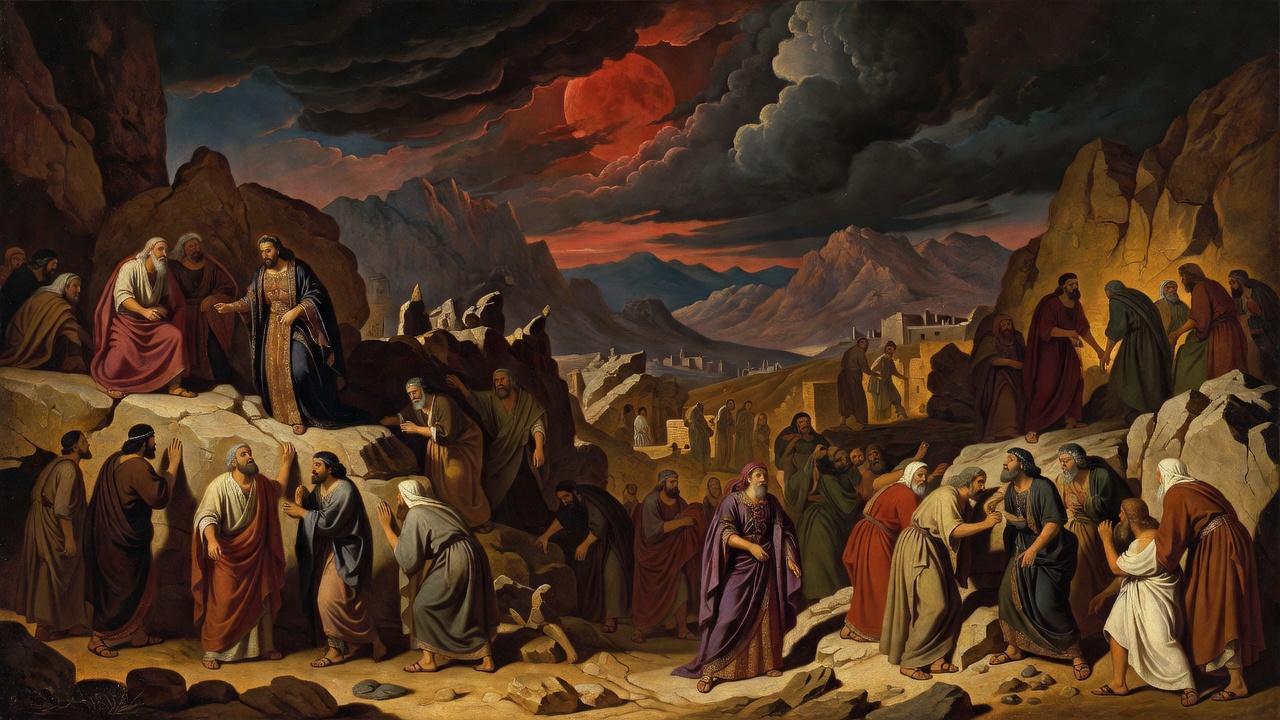
15As unqꞌa ijlenaaleꞌ, unqꞌa nimla chaj najeꞌ, viqꞌesal unqꞌa soleꞌ, unqꞌa txꞌiol iqꞌiieꞌ, unqꞌa najeꞌ uveꞌ atoꞌk sibꞌaalil unqꞌa tenameꞌ, unqꞌa uxhchileꞌ uveꞌ atoꞌk skꞌamil as tukꞌ unjoltu unqꞌa tenameꞌ skajayil as bꞌex imuj veꞌt tibꞌ tulaj unqꞌa juleꞌ, xoꞌl unqꞌa sivaneꞌ as tulaj unqꞌa vitzeꞌ.
16As kat taqꞌ veꞌt jeꞌ tuul iviꞌ. As ech kat tal veꞌt ileꞌ te unqꞌa vitzeꞌ tukꞌ te unqꞌa sivaneꞌ: —¡Tzaaotaj ex sqiibꞌa! ¡Kuꞌoj chꞌuꞌl ex sqiꞌ tiꞌ emujat oꞌ vatz u Tiixheꞌ uvaꞌ xonleꞌl tu u nimla xonlebꞌaleꞌ as vatz vitxꞌiꞌtziꞌl u Kaneeroꞌeꞌ!
17¡Tan kat oonyu veꞌt oꞌ tu u qꞌiieꞌ uvaꞌ xoꞌvebꞌal chit u kꞌaxkꞌoeꞌ ni tul sqiꞌ! ¡As yeꞌxhebꞌil la olebꞌ tiꞌ ikuyat u kꞌaxkꞌoeꞌ!— tiꞌk veꞌt unqꞌa tenameꞌ.
Did you know?
The Opening of the Six Seals
- The first four seals reveal four riders on white, bright red, black, and pale green horses, summoned one by one by the four living creatures. Each horseman brings a distinct affliction across the earth, ranging from conquest and the loss of peace to widespread famine, plague, and death.Sources: the Bible text itself
- The third horseman holds a pair of scales, accompanied by a proclamation setting the price of a quart of wheat or three quarts of barley at a denarius, reflecting severe inflation and food rationing while oil and wine are preserved.Sources: the Bible text itself
- When the fifth and sixth seals are opened, the focus shifts to the souls of slain believers waiting under the altar, followed by immense cosmic and earthly upheavals that lead people of every social station to hide in mountain caves.Sources: the Bible text itself
Notes written with AI assistance from open sources (Theographic Bible Metadata, CC BY-SA 4.0; Easton’s Bible Dictionary, public domain) and reviewed before publishing.
Credits and license for this translation
U ak' Testamento tu kuyob'al
New Testament in Ixil Nebaj; ixl (GT:ixl:Ixil)
copyright © 2008 Wycliffe Bible Translators, Inc.
Language: Ixil
Dialect: Nebaj
Translation by: Wycliffe Bible Translators, Inc.
Copyright Information
© 2008, Wycliffe Bible Translators, Inc. All rights reserved.
This translation text is made available to you under the
terms of the Creative Commons License: Attribution-Noncommercial-No Derivative Works.
( http://creativecommons.org/licenses/by-nc-nd/3.0/ )
In addition, you have permission to port the text to different file formats, as long as you
do not change any of the text or punctuation of the Bible.
You may share, copy, distribute, transmit, and extract portions
or quotations from this work, provided that you include the above copyright
information:
You must give Attribution to the work.
You do not sell this work for a profit.
You do not make any derivative works that change any of the actual words or punctuation of the Scriptures.
Permissions beyond the scope of this license may be
available if you contact
us with your request.
The New Testament
in Ixil
© 2008, Wycliffe Bible Translators, Inc. All rights reserved.
This translation is made available to you under the terms of the
Creative Commons Attribution-Noncommercial-No Derivatives license 4.0.
You may share and redistribute this Bible translation or extracts from it in any format, provided that:
You include the above copyright and source information.
You do not sell this work for a profit.
You do not change any of the words or punctuation of the Scriptures.
Pictures included with Scriptures and other documents on this site are licensed just for use with those Scriptures and documents.
For other uses, please contact the respective copyright owners.
2014-12-07
Source: http://ebible.org/ixlNNT/ · eBible.org