Matthew 8
U ak' Testamento tu kuyob'al · Tap a verse to see its cross-references.
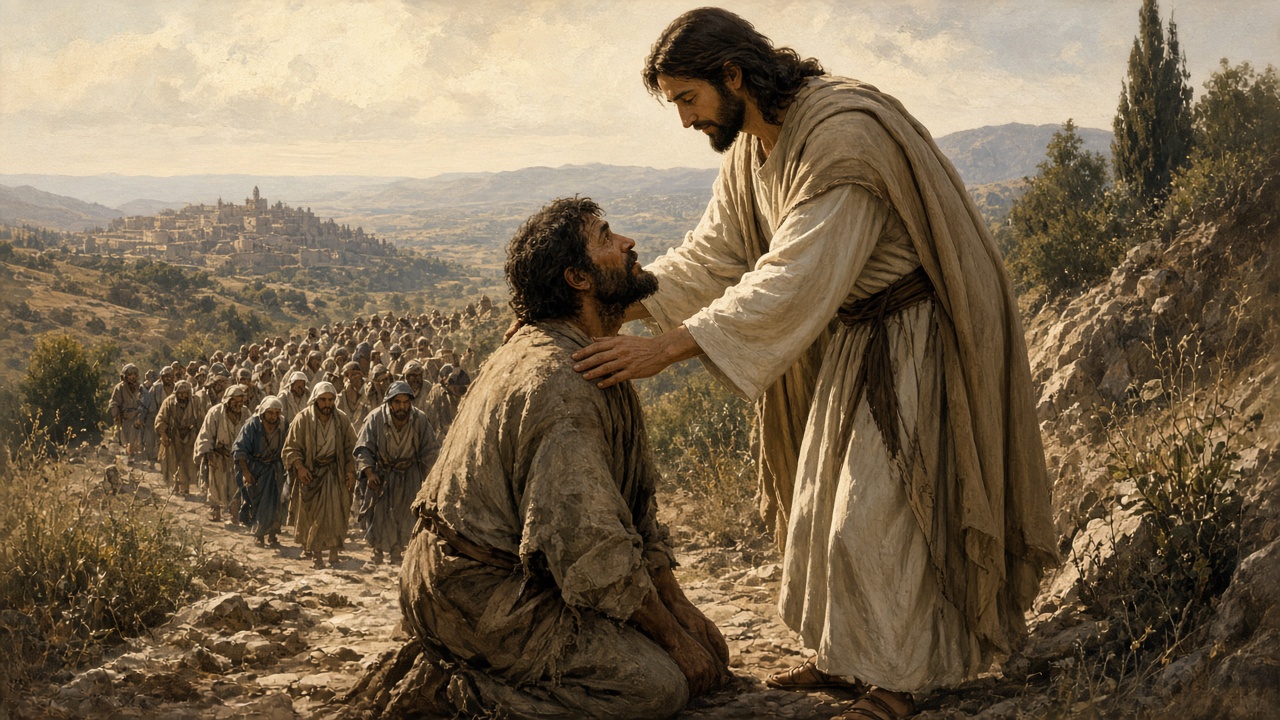
Nibꞌaꞌnxisa u Jesús umaꞌl u naj uvaꞌ atik ok chꞌaꞌk chin stiꞌ
1As tul kuꞌ chꞌuꞌl u Jesús vatz u vitzeꞌ, as aꞌ chit mamaꞌla tenameꞌ xekelik veꞌt tiꞌ Aak.
2As ul veꞌt umaꞌl u naj kꞌatz u Jesús uvaꞌ atik ok chꞌaꞌk chin stiꞌ. As kuꞌ naj qaaloj vatz Aak. As ech tal naj ileꞌ: —Pap, asoj la asaꞌ, as bꞌan bꞌaꞌnil sve. As eesa u chꞌoꞌmeꞌ sviꞌ, tan la olebꞌ axheꞌ,— tiꞌk naj tal te u Jesús.
3As taqꞌ veꞌt bꞌen u Jesús iqꞌabꞌ tiꞌ naj. As ech tal veꞌt Aak ileꞌ: —Nunsaꞌ. Kat bꞌaꞌnxiy veꞌt axheꞌ,— tiꞌk Aak. As yak kuxh el veꞌt u chꞌaꞌk chineꞌ tiꞌ naj.
4As ech tal veꞌt u Jesús ileꞌ: —Tuk val see uvaꞌ katiniꞌk chit aalkat uvaꞌ kat bꞌaꞌnxiy axh. Pet kuxh kꞌuch eebꞌ vatz unqꞌa iqꞌesal oksan iyol tenam vatz Tiixh. As kuxh aqꞌ u oyeꞌ uvaꞌ alel kan taꞌn u Moisés, texhlal tetz uvaꞌ kat txanyu veꞌt axh,— tiꞌk Aak tala.
Nibꞌaꞌnxisa u Jesús vikꞌam umaꞌl u qꞌesal sol
5As tul ok u Jesús tu u Capernaúm, as ul umaꞌl viqꞌesal unqꞌa soleꞌ vatz u Jesús. As ijaj naj bꞌaꞌnil te Aak.
6As ech tal naj ileꞌ: —Pap, bꞌan bꞌaꞌnil. Bꞌaꞌnxisa umaꞌl vas unkꞌam uveꞌ nichꞌoꞌneꞌ, tan ileꞌ koxhleꞌl tunkabꞌal. As yeꞌ nitxꞌol veꞌt itiinsat tibꞌ, tan nimxinal chittuꞌ,— tiꞌk u najeꞌ tal te u Jesús.
7Ech tal veꞌt u Jesús ileꞌ: —Bꞌaꞌn kuxheꞌ. Bꞌen unbꞌaꞌnxisa,— tiꞌk u Jesús.
8As ech tal veꞌt viqꞌesal unqꞌa sol ileꞌ: —Yeꞌle, Pap, tan nim aalcheꞌ. As yeꞌl vijleꞌm ati uvaꞌ la oon axh tunkabꞌal. Pet al bꞌen kuxhtuꞌ uvaꞌ la bꞌaꞌnx veꞌt vunkꞌameꞌ. As tuk bꞌaꞌnxojeꞌ,
9tan echeꞌ in, tan at unqꞌesal echeꞌ axh. As at sol jaqꞌ u vijleꞌmeꞌ unpajte. As kam uveꞌ la val te umaj vunsoleꞌ, as la ibꞌaneꞌ. Asoj la val te umaj naj: «Kuxh bꞌen,» chaj in ste, as maꞌte. Asoj: «Siꞌu,» chaj in te umaꞌt naj, as la ul naj sunvatz. Asoj la val te umaj vunkꞌameꞌ: «Bꞌan u viꞌleꞌ,» chaj in ste, as la ibꞌaneꞌ,— tiꞌk naj tal te u Jesús.
10As tul tabꞌi veꞌt u Jesús u yoleꞌ uvaꞌ tal viqꞌesal unqꞌa soleꞌ, as txuqꞌtxun veꞌt Aak. As ech tal veꞌt Aak ileꞌ xoꞌl unqꞌa tenameꞌ: —Ileꞌ jik chit tuk val sete, tan yeꞌl umaj naj vileꞌte xoꞌl unqꞌa tiaal Israel uvaꞌ ech u kꞌujlebꞌal ikꞌuꞌleꞌ echeꞌ nibꞌan u najeꞌ.
11As tuk val sete uvaꞌ yeꞌ saach unqꞌa uxhchileꞌ la ul tibꞌuuqꞌebꞌal qꞌii as la ul tibꞌenebꞌal qꞌii. As la xonebꞌ tu almikaꞌ kꞌatz u Abraham, tukꞌ u Isaac, tukꞌ u Jacob tiꞌ itxꞌaꞌneꞌ, as tukꞌ unqꞌa tenameꞌ uvaꞌ at jaqꞌ u tijleꞌm u Tiixheꞌ.
12Pet nimal unqꞌa tiaal Israel uvaꞌ yeꞌ nisaꞌ tok jaqꞌ u tijleꞌm u Tiixheꞌ, as ech ibꞌen tu u qꞌej toktoeꞌ. As tzitziꞌ la oqꞌkat veꞌteꞌ. As la ikꞌux veꞌt tibꞌ tee taꞌn u kꞌaxkꞌoeꞌ,— tiꞌk u Jesús.
13As ech tal veꞌt u Jesús ileꞌ te viqꞌesal unqꞌa soleꞌ: —Kuxh veꞌteꞌ, tan kam uvaꞌ kat anima as kat ibꞌanlaꞌ,— tiꞌk u Jesús. As tul kuxh tal Aak u yoleꞌ, as yak kuxh el u chꞌoꞌmeꞌ tiꞌ vikꞌam najeꞌ.
Nibꞌaꞌnxisa u Jesús vijiꞌ u Luꞌeꞌ
14As oon veꞌt u Jesús tikabꞌal u Luꞌeꞌ. As koxhlik vijiꞌ u Luꞌeꞌ viꞌ chꞌach taꞌn xamal chꞌoꞌm.
15As itxey veꞌt u Jesús iqꞌabꞌ vijiꞌ u Luꞌeꞌ. As yak kuxh el veꞌt u xamal chꞌoꞌmeꞌ stiꞌ. As txakpu veꞌteꞌ. As taqꞌ veꞌt vijiꞌ u Luꞌeꞌ techbꞌubꞌal unqꞌa uxhchileꞌ.
16As tul tzꞌotin veꞌteꞌ, as yeꞌ saach unqꞌa aachꞌoꞌmeꞌ eqꞌol tzan vatz u Jesús. Atik unqꞌa aachꞌoꞌmeꞌ uvaꞌ atik ok subꞌul skꞌatz. As tukꞌ viyol Aakeꞌ as kat el unqꞌa subꞌuleꞌ. As ibꞌaꞌnxisa Aak unqꞌa aachꞌoꞌmeꞌ skajayil.
17As bꞌex ibꞌan veꞌt umaꞌt u yol uvaꞌ kat tal kan u Isaías, u qꞌajsan tetz viyol u Tiixheꞌ, uvaꞌ ech tal ileꞌ:
Aakeꞌ la taqꞌ tibꞌ sqiꞌ tiꞌ teesat u kuchꞌoꞌmeꞌ
tukꞌ unqꞌa veeꞌ nichꞌoꞌnsan oꞌ, tiꞌk u yoleꞌ.
Ni tal kaꞌvaꞌl uxhchil ixekebꞌ tiꞌ u Jesús
18As tul til u Jesús uvaꞌ aꞌ chit mamaꞌla tenameꞌ nikat imol tibꞌ kꞌatz Aak, as tal veꞌt Aak iqꞌax jalit u mar.
19As jetzꞌen veꞌt ok umaꞌl u naj kꞌatz Aak, uvaꞌ chusel tibꞌ tiꞌ unqꞌa tzaqꞌiteꞌ. As ech tal veꞌt naj ileꞌ: —Pap, aꞌ ni valeꞌ uvaꞌ la xekebꞌ in seeꞌ, katil kuxh uvaꞌ la bꞌenkat axh,— tiꞌk naj.
20Ech tal u Jesús ileꞌ: —Unqꞌa chisi as at ijul txoo. As unqꞌa tzꞌikineꞌ uvaꞌ nixichꞌan vatz u almikaꞌeꞌ tan at isok txoo. Pet ech koj VIKꞌAOL U NAJEꞌ tan yeꞌl ivitzꞌ ati uvaꞌ la qꞌaꞌebꞌ ok stiꞌ,— tiꞌk u Jesús.
21As ech tal umaꞌt vichusulibꞌ Aak ileꞌ: —Pap, la xekebꞌ in seeꞌ ni valeꞌ, poro lanal bꞌen unmuj kan ak unbꞌaaleꞌ bꞌaxa. As aꞌn la xekebꞌ ineꞌ seeꞌ,— tiꞌk naj.
22Ech tal veꞌt u Jesús ileꞌ: —Xekebꞌen sviꞌ cheel. Imujeꞌn tibꞌ unqꞌa uxhchileꞌ svatzaj uvaꞌ kamnal u taanxelaleꞌ vatz u Tiixheꞌ,— tiꞌk Aak.
Niyaꞌsa u Jesús u mam kajiqꞌeꞌ viꞌ u mar
23As tul ok veꞌt u Jesús tu umaꞌt u barco, as xekebꞌ veꞌt unqꞌa ichusulibꞌ Aakeꞌ stiꞌ.
24As vat veꞌt u Jesús. As xeꞌt veꞌt umaꞌl u mam kajiqꞌ jabꞌal viꞌ u mar. As vaꞌlik chit ipilqꞌut tibꞌ u aꞌeꞌ taꞌn u mam kajiqꞌ jabꞌaleꞌ. As nik tok veꞌt u aꞌeꞌ tu u barco. As bꞌiit kuxh yeꞌ nik ibꞌen veꞌt u barco xeꞌ u mar.
25As bꞌex ibꞌey veꞌt chajnaj u Jesús. Ech tal veꞌt chajnaj ileꞌ te Aak: —¡Loch oꞌ, Pap, tan tuk bꞌenoj veꞌt oꞌ xeꞌ u aꞌeꞌ!— tiꞌk chajnaj.
26As ech tal veꞌt u Jesús ileꞌ: —¿Kam qꞌi nexoꞌva, ex uvaꞌ bꞌiil kuxh u kꞌujlebꞌal ekꞌuꞌleꞌ ati?— tiꞌk Aak. As txakpu veꞌt u Jesús. As iyaa veꞌt Aak u kajiqꞌeꞌ tukꞌ u mar. As yak kuxh yaꞌ veꞌt u aꞌeꞌ tiꞌ ipilqꞌut tibꞌ.
27As yak kuxh samun veꞌt unqꞌa ichusulibꞌ Aakeꞌ. As ech tal veꞌt chajnaj ileꞌ svatzaj: —¡Xoꞌvebꞌal u tijleꞌm Aakeꞌ, tan ninimal Aak taꞌn u kajiqꞌ jabꞌaleꞌ tukꞌ u mar!— tiꞌk chajnaj svatzaj.
Nibꞌaꞌnx veꞌt kaꞌvaꞌt uxhchil uvaꞌ atik ok subꞌul skꞌatz
28As oon veꞌt u Jesús jalit u mar tu vitxꞌavaꞌ unqꞌa aa Gadara. As ul ilej Aak kaꞌvaꞌl unqꞌa naj uvaꞌ atik ok subꞌul skꞌatz. As aꞌ elkat chꞌuꞌl chajnaj tu u viꞌ kamnajeꞌ. As abꞌil koj nikat itxꞌak ipal tu u bꞌeyeꞌ uveꞌ atikkat unqꞌa najeꞌ uveꞌ atik u subꞌuleꞌ skꞌatz, tan yeꞌxhebꞌil nik ichajpu pal chajnaj.
29As sikꞌin veꞌt chajnaj. As ech tal veꞌt chajnaj ileꞌ: —¡Jesús, iKꞌaol Tiixh! ¿Kam nasaꞌ sqe? ¿As ma kat ulyu veꞌt axh tiꞌ ayansat oꞌ? As tul yeꞌl u qꞌiieꞌ ilejeꞌte,— tiꞌk unqꞌa najeꞌ tal te u Jesús.
30As nik ikꞌuachin unjolol unqꞌa chicham najlich uveꞌ atikkat u Jesús.
31As ech tal unqꞌa subꞌul ileꞌ tul ijaj bꞌaꞌnil te u Jesús: —Asoj la atilu el oꞌ, as bꞌan bꞌaꞌnil. Aqꞌ qokebꞌal tiꞌ unqꞌa chichameꞌ,— tiꞌk unqꞌa subꞌuleꞌ.
32Ech tal veꞌt u Jesús ileꞌ: —¡Bꞌenoj ex bꞌa!— tiꞌk Aak. As el veꞌt chꞌuꞌl unqꞌa subꞌuleꞌ kꞌatz unqꞌa najeꞌ. As ok veꞌt unqꞌa subꞌuleꞌ tiꞌ unqꞌa chichameꞌ. As oojeꞌl ibꞌen veꞌt unqꞌa chichameꞌ. As chajpik veꞌt bꞌen txoo vatz vitz tiꞌ toon tu u mar. As kam veꞌt txoo skajayil xeꞌ u mar.
33As ooj veꞌt unqꞌa xeen chichameꞌ. As tul oon veꞌt chajnaj tu u tenameꞌ, as tal veꞌt chajnaj kam kat ibꞌan unqꞌa najeꞌ uveꞌ atik ok unqꞌa subꞌuleꞌ skꞌatz as tukꞌ uveꞌ kat ibꞌan unqꞌa chichameꞌ.
34As el veꞌt chꞌuꞌl unqꞌa uxhchileꞌ skajayil uveꞌ atik tu u tenameꞌ tiꞌ ichukpu u Jesús. Tul lejpu veꞌt Aak, as ijaj veꞌt unqꞌa uxhchileꞌ bꞌaꞌnil te Aak tiꞌ uvaꞌ la el veꞌt Aak tzitziꞌ.
Did you know?
Healings, faith, and the sea
- Capernaum, which Jesus enters in this chapter, was a Galilean city not named in the Old Testament. Easton's Bible Dictionary (1897) says it became his “own city” after he left Nazareth, and it lists the centurion’s appeal and the healing at Peter’s house among the events set there.Sources: Capernaum · the Bible text itself
- Jesus says that many will come from east and west to share the banquet with Abraham, Isaac, and Jacob in the kingdom of heaven. Easton's Bible Dictionary (1897) calls Abraham the son of Terah and heir of the promises, Isaac Abraham’s only son by Sarah, and Jacob—also known as Israel—the younger twin son of Isaac and Rebekah.Sources: the Bible text itself · Abraham · Isaac · Jacob (Israel)
- Matthew presents that evening’s healings as fulfilling words spoken through the prophet Isaiah: “He took on our infirmities and carried our diseases.” Easton's Bible Dictionary (1897) identifies Isaiah as the son of Amoz, who prophesied in the reigns of Uzziah, Jotham, Ahaz, and Hezekiah.Sources: the Bible text itself · Isaiah
Notes written with AI assistance from open sources (Theographic Bible Metadata, CC BY-SA 4.0; Easton’s Bible Dictionary, public domain) and reviewed before publishing.
Places in this chapter
- Gadara · Today: Umm Qais · 32.656, 35.679 · verse 28
Only places identified with high confidence are shown (90% or more according to the scholarly sources compiled by OpenBible). Period map: DARE (Digital Atlas of the Roman Empire), CC BY 4.0; modern map: © OpenStreetMap contributors; places: OpenBible.info (CC BY 4.0).
Credits and license for this translation
U ak' Testamento tu kuyob'al
New Testament in Ixil Nebaj; ixl (GT:ixl:Ixil)
copyright © 2008 Wycliffe Bible Translators, Inc.
Language: Ixil
Dialect: Nebaj
Translation by: Wycliffe Bible Translators, Inc.
Copyright Information
© 2008, Wycliffe Bible Translators, Inc. All rights reserved.
This translation text is made available to you under the
terms of the Creative Commons License: Attribution-Noncommercial-No Derivative Works.
( http://creativecommons.org/licenses/by-nc-nd/3.0/ )
In addition, you have permission to port the text to different file formats, as long as you
do not change any of the text or punctuation of the Bible.
You may share, copy, distribute, transmit, and extract portions
or quotations from this work, provided that you include the above copyright
information:
You must give Attribution to the work.
You do not sell this work for a profit.
You do not make any derivative works that change any of the actual words or punctuation of the Scriptures.
Permissions beyond the scope of this license may be
available if you contact
us with your request.
The New Testament
in Ixil
© 2008, Wycliffe Bible Translators, Inc. All rights reserved.
This translation is made available to you under the terms of the
Creative Commons Attribution-Noncommercial-No Derivatives license 4.0.
You may share and redistribute this Bible translation or extracts from it in any format, provided that:
You include the above copyright and source information.
You do not sell this work for a profit.
You do not change any of the words or punctuation of the Scriptures.
Pictures included with Scriptures and other documents on this site are licensed just for use with those Scriptures and documents.
For other uses, please contact the respective copyright owners.
2014-12-07
Source: http://ebible.org/ixlNNT/ · eBible.org