Luke 7
Viakʼla txumbʼal u tioxh · Tap a verse to see its cross-references.
Vibꞌantu bꞌaꞌn u Jesuustu u taqꞌonom maꞌl u qꞌesal sol
1Uncheeꞌ aatz yaꞌ iyolon u Jesuus tu qꞌu aanima, bꞌen tek tu Capernauum. 2Utz atich maꞌl u vinaj tziꞌ siꞌchtexhel ikꞌuꞌl tu yaabꞌil. Taqꞌonomich maꞌl u qꞌesal sol. Ayaꞌ maꞌl u taqꞌonom vaꞌl tiira tiich chit tiꞌ. 3Ech aatz tabꞌi itziiul u Jesuus u qꞌesal sol, oora ichajuꞌl unjolol qꞌul iqꞌesal qꞌu Israeel tzixeꞌ. Ul ijaj bꞌaꞌnil te aas suꞌlibꞌan bꞌaꞌn tu u taqꞌonom. 4Ech motx ul qꞌul iqꞌesal qꞌu Israeel xeꞌ u Jesuus. Utz tiira ijaj chit bꞌaꞌnil te ech tzaꞌ: —Tiira bꞌaꞌn ikꞌuꞌl u capitaan tiꞌ u kutenam tzaꞌ. Aal aqꞌel jeꞌ maꞌl atibꞌal taqꞌo, chusbꞌal tetz u oꞌtla mantaar. Ech niꞌxhikꞌuloꞌk tiꞌ aas saaqꞌ te kam vaꞌl nijaj see.— Texh te.
6Ech bꞌen u Jesuus tiꞌ. Utz aatz nichtekinajabꞌ kꞌatz u atibꞌal, ichajuꞌl unjolol tamiigo u qꞌesal sol xeꞌ u Jesuus. Ul tal te ech tzaꞌ: —UnBꞌaal, yeꞌ koꞌxh chiinaxh tu ulchil. Tan yeꞌ nikꞌuloꞌk viꞌ aas soꞌokoꞌpꞌaxh tu votzotz. 7Echtzixeꞌt yeꞌn oponin tzaxeꞌ tan, yeꞌ nikꞌuloꞌk viꞌ. Pek al koꞌn vayol. Ech siꞌan bꞌaꞌn u vaqꞌonom. 8Tan echaꞌ in. Atilkoꞌnokꞌin jaqꞌ imantaar unqꞌesal. Utz atoꞌk sol jaqꞌ unmantaar majte. Utz aatz nival tu maꞌj: «Kuxh tzaꞌ.» Chiꞌin te. Utz nibꞌenaꞌ. «Niꞌaxh tzaꞌ.» Chiꞌin tu vaꞌtioj utz, nituleꞌ. Utz nival tu vaꞌt vaqꞌonom: «Bꞌan vaꞌl tzaꞌ.» Chiꞌin te. Utz niꞌaneꞌ.— Texh te.
9Ech techal chit u yol tabꞌi u Jesuus tziꞌ. Utz yakich tzꞌejxoj ikꞌuꞌl taqꞌo. Ech ipilqꞌu tibꞌ, isaji qꞌu aanima qꞌuꞌl xamich tiꞌ. Tal te ech tzaꞌ: —Nojchit nival sete aas yeꞌsaj viltu maꞌj aanima Israeel, aas tiira kꞌujlel ikꞌuꞌl viꞌ echaꞌ u puera vinaj tziꞌ.— Texhtuꞌ.
10Ech aatz tek qꞌaavopon qꞌu chaj tu atibꞌal, bꞌaꞌnich tek u aqꞌonom vaꞌl yaꞌvich.
U qꞌaavtitzꞌpixsal maꞌl u kamnaj
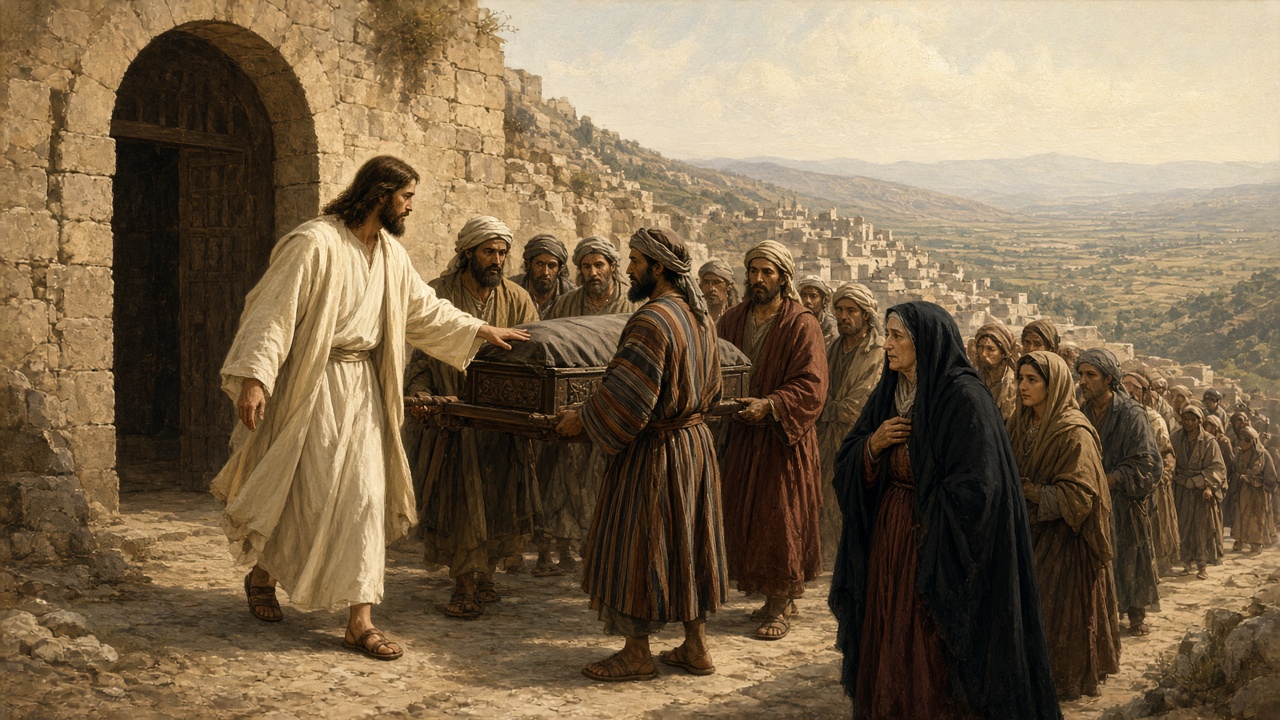
11Xamtich tek tuul, bꞌen u Jesuus tu u tenam Naiin. Aꞌich imol qꞌu chusulibꞌ. Utz mam tenam xamtich tiꞌ. 12Aatz motx opon najaꞌch u jubꞌal, u okebꞌal tu u tenam, tuul nichtiqꞌol eluꞌl maꞌl u kamchil. Seꞌnmujaxoj. Titzꞌinich maꞌl u txakay ixoj. Utz taꞌxhich maꞌl vatz titzꞌin atiche. Utz sibꞌal aanima xamich tiꞌ, qꞌuꞌl tu u tenam tziꞌ. 13Ech txumax iatz u txakay ixoj tu u Jesuus aas tiltaꞌ. Ech iqꞌila utz, tal te ech tzaꞌ: —Yeꞌ koꞌxh oqꞌaxh.— Texh te.
14Ech ixaan opon u Jesuus utz, itꞌok u chelebꞌ tetz u kamchil. Ech txakeꞌ tek qꞌu chelen tetz. Tal u Jesuus tu u kamnaj ech tzaꞌ: —Xiak, axh nivalaxh, lakpen.— Texh te.
15Ech qꞌaav itzꞌpu u xiak vaꞌl maꞌtich ikameꞌ. Xeꞌt tek iyoloneꞌ. Ech aqꞌax tek tu vinan. 16Ech motx xoꞌv aanima kajayil. Utz xeꞌt motx toksa iqꞌii Tioxh. Nichtal ech tzaꞌ: —¡Nojchit maꞌl techalla alol tetz u yolbꞌal Tioxh cheey tu kuxoꞌl! ¡Ulyu quxeꞌ tu u Tioxh oꞌ itenam!— Texhtuꞌ.
17Ech pax chit paal itziiul u Jesuus tikuenta kajay u Judea tuchꞌ qꞌu tenam sinajaꞌch.
U taltu u Jesuus aasaꞌ viTxaaom u Tioxh
18Uncheeꞌ alax tek kajay qꞌu kam tu u Xhan tzaꞌ. Qꞌul ichusulibꞌ alon te. Ech isikꞌle kaꞌvaꞌl ichusulibꞌ u Xhan. 19Utz ichaj bꞌen xeꞌ u Jesuus tiꞌ ichꞌotil te ech tzaꞌ: — «¿Axh tzik viTxaaom u Tioxh vaꞌl saꞌchitꞌuli? Pek oj yitꞌ axh koj utz, sakuchꞌia vaꞌte.» Chia.— Texh te.
20Ech aatz motx opon xeꞌ u Jesuus, tal te ech tzaꞌ: —Vetichajuꞌloꞌ u Xhan tzaxeꞌ, u bꞌanol vautiismo. Ul kuchꞌoti see taqꞌo: «¿Axh tzik viTxaaom u Tioxh vaꞌl saꞌchitꞌuli? Pek ¿oj yitꞌ axh koj? Utz sakuchꞌia vaꞌte.» Chia.— Texh te.
21Uncheeꞌ aatz u Jesuus, sibꞌal yaꞌv iꞌan bꞌaꞌn te tu u muꞌkꞌul tziꞌ. Iꞌan bꞌaꞌn tu qꞌuꞌl atich ok tioxhil txꞌiꞌliꞌinaj kꞌatza. Utz sibꞌla moy isajinsa. 22Ech tzaqꞌbꞌel tu u Jesuus ech tzaꞌ: —Bꞌenoj etal tu u Xhan kam qꞌu kam netileꞌ etabꞌi tzaꞌ: «Tan nitekisajin qꞌu moy. Nitekixaan qꞌu koꞌx. Nitekiꞌan bꞌaꞌn qꞌu chꞌaꞌkꞌiꞌ. Nitektabꞌin qꞌu chakan. Niqꞌaavtitzꞌpixsal kamnaj. Utz nitektabꞌi u bꞌaꞌnla chusbꞌal qꞌu meꞌbꞌaꞌ. 23Utz chiꞌbꞌebꞌal tetz vaꞌl yeꞌ nikaꞌtziiun viꞌ.» Chajex te.— Texh u Jesuus.
24Uncheeꞌ aatz tek kꞌasuꞌl qꞌul ichaj u Xhan, xeꞌt iyolon u Jesuus tiꞌ u Xhan tu qꞌu tenam ech tzaꞌ: —¿Kam bꞌanel titxumbꞌal u vinaj vaꞌl ex etil tu tzꞌinlich tzaji txꞌavaꞌ bꞌatzꞌi? ¿Ech tzik aꞌ maꞌj aa aas vaꞌl koꞌxh ibꞌen sunchaj jalil tu kajiqꞌ? Yeꞌka. 25Pek ¿kam chit ex etileꞌ? ¿Aꞌ tzik ex etil maꞌj vinaj aas toksaꞌm ijlenal atoꞌk taqꞌo? Yeꞌka. Tan aatz qꞌuꞌl bꞌaꞌnla chaj oksaꞌm atoꞌk taqꞌo, techal tatineꞌ. Ayeꞌn tu qꞌu tatibꞌal ijlenal. 26Loqꞌ ¿kam chit ex etileꞌ? ¿Maꞌj tzik alol tetz u yolbꞌal Tioxh? Bꞌaꞌntan aꞌ i. Utz nival sete aas aal nim tatin vatz tereꞌn qꞌu alol tetz u yolbꞌal Tioxh. 27Tan aꞌ vaꞌl tzꞌibꞌamalka u yol tiꞌ ech tzaꞌ:
«Sunbꞌaxabꞌsa bꞌen vunchaj saatz. Aꞌ sapaxsan itziiul val ooponbꞌal. Echaꞌ ibꞌanax tuch bꞌey saatz siꞌaneꞌ.» Chia.
28Tan nival sete aas yeꞌxhabꞌil koꞌxh vaꞌtoj paalchu tijleꞌm viꞌ u Xhan, u bꞌanol vautiismo xoꞌl kajay qꞌu aanima alamal. Pek loqꞌ kꞌuxh echi, aatz qꞌuꞌl chꞌoo koꞌn u tijleꞌm tu viQꞌesalail u Tioxh, paalchu tijleꞌm viꞌ u Xhan tziꞌ.— Texhtuꞌ.
29Ech taꞌxh tabꞌi u kam qꞌu tenam tzaꞌ, tuchꞌ qꞌu jajol jaꞌmel alkavaar, motx txuqꞌtxuni tan, motx inima vinujul tal u Tioxh. Tan maꞌt motx iꞌan ivautiismo echaꞌ vaꞌl tal u Xhan.
30Pek aatz qꞌu fariseo tuchꞌ qꞌu aa txumbꞌal tiꞌ u oꞌtla mantaar, motx koꞌn teesa iqꞌii vitxumbꞌal u Tioxh tziꞌ. Yeꞌt motx inima kam vaꞌl titzꞌa u Tioxh tiꞌ. Tan yeꞌt koꞌn motx iꞌan ivautiismo, echaꞌ vaꞌl tal u Xhan.
31Tal tek u Jesuus ech tzaꞌ: —¿Kam bꞌoj sunkꞌam tiꞌ aas ela tuchꞌ qꞌu aanima tu u tiempo tzaꞌ? 32Ela tuchꞌ qꞌu talaj nitxaꞌ atziꞌ aas chꞌuxhlel tu kꞌayibꞌal. Utz niqetunsa bꞌen talax timol ech tzaꞌ: «Vetkuxuli aa, pek yeꞌn bꞌixex. Txumumbꞌal kubꞌitz vetbꞌitzꞌoꞌ, pek yeꞌn oqꞌex tu txumuꞌm.» Chia.
33Tan ul u Xhan, u bꞌanol vautiismo, yeꞌt itxꞌaꞌ kaxhlaan txꞌix utz, yeꞌt tukꞌa taꞌl uuva. Utz netal tiꞌ: «Atil tioxhil txꞌiꞌliꞌinaj kꞌatza.» Cheꞌex.
34Utz aatz cheel, ulyu u Kꞌaola vaꞌl bꞌennaj koꞌn aanima utz, nitechbꞌuneꞌ, nitukꞌa taꞌl uuva. Utz netal tiꞌ: «Ulyu maꞌl u vinaj yeꞌk chit iyaꞌebꞌal tu echbꞌuꞌm utz, tiꞌ tukꞌal taꞌl uuva. Nimolo tibꞌ tuchꞌ aa paav utz, tuchꞌ jajol jaꞌmel alkavaar.» Cheꞌex. 35Pek aatz vitxumbꞌal u Tioxh, aꞌ niꞌilchik tu vibꞌanon qꞌul ikꞌaol imeꞌal.— Texhtuꞌ.
Vikuyax ipaav maꞌl u ixojtu u Jesuus
36Uncheeꞌ aatz iꞌana, savsal u Jesuus tu maꞌl u fariseo. Tal te seꞌntxꞌaꞌn tzixeꞌ. Ech bꞌen u Jesuus otzotz tzixeꞌ utz, ok vatz meexha. 37Ech opon maꞌl u ixoj kꞌatz u Jesuus, maꞌl aa paavla ixoj tu u tenam tziꞌ. Iqꞌomich maꞌl tal bꞌaꞌnla tzꞌaj taqꞌo. Txꞌumqꞌixsabꞌal atil tuul. Tan tabꞌi aas nichitxꞌaꞌn u Jesuus xeꞌ u fariseo. 38Utz atin tiꞌ iqul u Jesuus xeꞌaj tajan. Ech xeꞌt toqꞌeꞌ. Takꞌsa qꞌu tajan u Jesuus tu qꞌu taꞌl bꞌaqꞌ iatz. Utz nichisuu tu xiꞌl iviꞌ. Nichitzꞌutzꞌ qꞌu tajan. Utz iqook u txꞌumqꞌixsabꞌal tiꞌ. 39Ech taꞌxh til u kam u fariseo tziꞌ, tal tu taanima ech tzaꞌ: —Oj nojchit alol yolbꞌal Tioxh vaꞌl tziꞌ, satootzaji koj atziꞌ aas aa paav u ixoj vaꞌl nikanon ok tziꞌ.— Texhtuꞌ.
40Ech tal tek u Jesuus tu u fariseo ech tzaꞌ: —Xhim, atil maꞌl kam saval see.— Texhtuꞌ.
Tal u Xhim ech tzaꞌ: —Ala chusul.— Texh te.
41Tal u Jesuus te: —Atich maꞌl u vinaj atich itxꞌoj kaꞌvaꞌl aanima tzixeꞌ. Maꞌl, ijaꞌmel 500 aqꞌonibꞌal qꞌii itxꞌoj atiche. Aatz vaꞌt, ijaꞌmel 50 aqꞌonibꞌal qꞌii itxꞌoj. 42Aatz kaꞌvaꞌl qꞌu vinaj tziꞌ tan, yeꞌt motx oleꞌ tiꞌ icheeaꞌ kaniꞌch ichool qꞌuꞌl itxꞌoj siꞌaneꞌ. Utz kuyax qꞌul itxꞌoj sikaꞌbꞌil. Pek ala, ¿abꞌiste maꞌl tu kaꞌvaꞌl qꞌu vinaj tziꞌ saꞌxhikꞌama tu u bꞌaal itxꞌoj?— Texh te.
43Tzaqꞌbꞌu u Xhim, tal ech tzaꞌ: —Aꞌ chit maas sakꞌamabꞌeni vaꞌl sibꞌal itxꞌoj vetkuyli.— Texhtuꞌ.
Utz tal tek u Jesuus te ech tzaꞌ: —Eeꞌ, echi. Ayaꞌ vaꞌl naaleꞌ tziꞌ.— Texh te.
44Tuul ipilqꞌu bꞌen tibꞌ tinujul u ixoj utz, tal tu u Xhim ech tzaꞌ: —¿Matz iillu vaꞌl vetiꞌan u ixoj tziꞌ? Tan kꞌuxh taatibꞌal vetꞌulkꞌin utz, aal yeꞌn aaqꞌ vaaꞌ txꞌaabꞌal vajan. Pek aatz u ixoj tziꞌ, vettakꞌsal vajan tu u taꞌl bꞌaqꞌ iatz utz, nisuu tu u xiꞌl iviꞌ tziꞌ. 45Yeꞌxhkam vetatzꞌutzꞌin. Pek aatz u ixoj tziꞌ, yeꞌsaj iyaꞌ tiꞌ itzꞌutzꞌax vajan jankꞌax vukuꞌl tzaꞌ. 46Yeꞌxhkam vetaqoo jeꞌ aseite tunviꞌ. Pek aatz u ixoj tziꞌ, vettoksal txꞌumqꞌixsabꞌal tiꞌ vajan. 47Ech tokeꞌ nival see aas kuyel kajay qꞌul ipaav kꞌuxh sibꞌal. Ech sibꞌal nikꞌamabꞌeneꞌ. Pek ech koj vaꞌl bꞌiil koꞌn ipaav nikuyaxeꞌ, bꞌiil koꞌn nikꞌamabꞌeneꞌ.— Texhtuꞌ.
48Utz tal tek tu u ixoj ech tzaꞌ: —Kajay qꞌul apaav kuyel.— Texh te.
49Ech aatz tereꞌn qꞌu aanima qꞌuꞌl oknajich tuchꞌ vatz meexha, xeꞌt motx tal tibꞌilaj ech tzaꞌ: —¿Kam tek tijleꞌm vaꞌl tziꞌ nitaleꞌ aas nikuy paav majte?— Texhtuꞌ.
50Pek tal paj u Jesuus tu u ixoj ech tzaꞌ: —Tiꞌ vikꞌujeꞌ akꞌuꞌl viꞌ vetchitpꞌaxh tu qꞌul apaav. Kuxh, txꞌanel abꞌenaꞌ.— Texh te.
Did you know?
Faith, compassion, and a prophet's question
- Easton's Bible Dictionary (1897) describes Capernaum as a Galilean town not mentioned in the Old Testament, which became the city Jesus treated as his own after he was expelled from Nazareth and the scene of many episodes in his life. In this chapter he arrives there to find a centurion's highly valued servant near death, and Jewish elders plead that the officer loves their nation and has built their synagogue.Sources: Capernaum · the Bible text itself
- Easton's Bible Dictionary (1897) links the name Nain to a Hebrew word meaning green pastures or lovely, and identifies the town with the village of Nein on the northwestern slope of Jebel ed-Duhy, also called the hill Moreh or Little Hermon, about four miles from Tabor and twenty-five miles southwest of Capernaum, above the plain of Esdraelon. At the town gate Jesus met the funeral of a widow's only son, and awe spread through the crowd.Sources: Nain · the Bible text itself
- John the Baptist is described as the forerunner of the Lord and as a man of priestly descent: his father Zacharias was a priest of the course of Abia, and his mother Elisabeth was one of the daughters of Aaron. His mission is described as the subject of prophecy, and in this chapter Jesus tells the crowds that John is more than a prophet, the messenger sent ahead to prepare the way, while John's disciples ask whether Jesus is the one who was to come.Sources: John the Baptist · the Bible text itself
Notes written with AI assistance from open sources (Theographic Bible Metadata, CC BY-SA 4.0; Easton’s Bible Dictionary, public domain) and reviewed before publishing.
Places in this chapter
Only places identified with high confidence are shown (90% or more according to the scholarly sources compiled by OpenBible). Period map: DARE (Digital Atlas of the Roman Empire), CC BY 4.0; modern map: © OpenStreetMap contributors; places: OpenBible.info (CC BY 4.0).
Credits and license for this translation
Viakʼla txumbʼal u tioxh
New Testament in Ixil Cotzal; ixl (GT:ixl:Ixil)
copyright © 2001 Wycliffe Bible Translators, Inc.
Language: Ixil
Dialect: Cotzal
Translation by: Wycliffe Bible Translators, Inc.
Copyright Information
© 2001, Wycliffe Bible Translators, Inc. All rights reserved.
This translation text is made available to you under the
terms of the Creative Commons License: Attribution-Noncommercial-No Derivative Works.
( http://creativecommons.org/licenses/by-nc-nd/3.0/ )
In addition, you have permission to port the text to different file formats, as long as you
do not change any of the text or punctuation of the Bible.
You may share, copy, distribute, transmit, and extract portions
or quotations from this work, provided that you include the above copyright
information:
You must give Attribution to the work.
You do not sell this work for a profit.
You do not make any derivative works that change any of the actual words or punctuation of the Scriptures.
Permissions beyond the scope of this license may be
available if you contact
us with your request.
The New Testament
in Ixil
© 2001, Wycliffe Bible Translators, Inc. All rights reserved.
This translation is made available to you under the terms of the
Creative Commons Attribution-Noncommercial-No Derivatives license 4.0.
You may share and redistribute this Bible translation or extracts from it in any format, provided that:
You include the above copyright and source information.
You do not sell this work for a profit.
You do not change any of the words or punctuation of the Scriptures.
Pictures included with Scriptures and other documents on this site are licensed just for use with those Scriptures and documents.
For other uses, please contact the respective copyright owners.
2014-04-25
Source: http://ebible.org/ixlCNT/ · eBible.org