John 8
Viakʼla txumbʼal u tioxh · Tap a verse to see its cross-references.
1Pek aatz u Jesuus, bꞌen viꞌ u muunte Olivo. 2Utz tu tek vaꞌt qꞌii, qꞌaavuꞌl tu viqꞌanalil u totztioxh qꞌalaꞌm. Utz mam tenam ul kꞌatza. Ech kꞌujeꞌ u Jesuus; xeꞌt ichusuneꞌ.
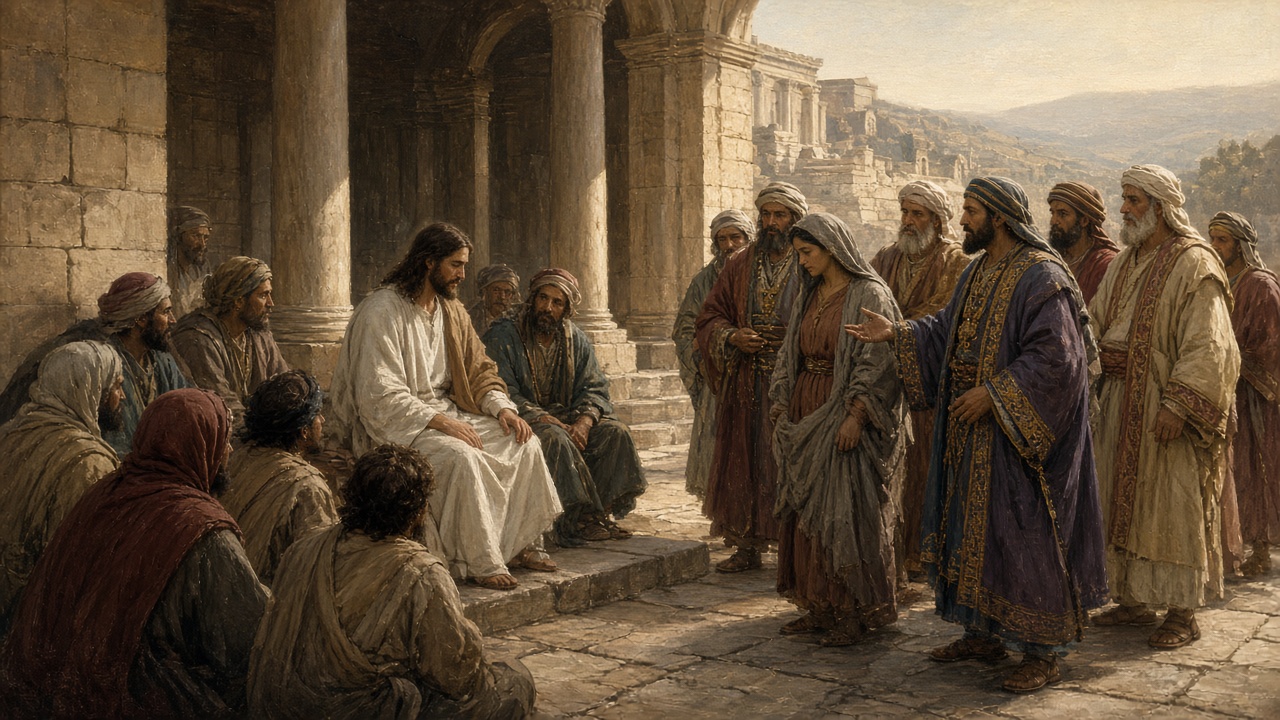
3Ech aatz qꞌu aa txumbꞌal tiꞌ u oꞌtla mantaar tuchꞌ qꞌu fariseo, motx tiqꞌo ul maꞌl u ixoj siatz. Aꞌ motx ichabꞌav tiꞌ teesat tibꞌ tu bꞌey tuchꞌ vinaj yitꞌ ikꞌulel koj. Utz ech toksa tu xoꞌl. 4Motx tal te ech tzaꞌ: —Chusul, aatz u ixoj tziꞌ, niteesa tibꞌ tu bꞌey tuchꞌ vinaj yitꞌ ikꞌulel koj tuul vetchabꞌali. 5Utz aatz tu u oꞌtla mantaar alelka tu u Moisees tan, sapaqꞌax sivan qꞌu ixoj qꞌuꞌl ech niꞌan tziꞌ. Pek ¿aatz axh, kam saaleꞌ?— Texh te. 6Loqꞌ vet sikꞌuꞌl motx iꞌana. Kꞌuxh motx tal ech tziꞌ, aꞌ isaꞌ sacheei kaniꞌch ixochax u Jesuus siꞌaneꞌ.
Pek aatz u Jesuus tan, taqꞌ koꞌn kuꞌ ivatz, tzꞌibꞌan kuꞌ vatz txꞌavaꞌ tu viꞌ iqꞌabꞌ. 7Pek yeꞌxh nichmotxiyaꞌ tiꞌ ichꞌotil te. Ech iꞌan jikom tatin u Jesuus utz, tal te ech tzaꞌ: —Abꞌiste sete tiira yeꞌk ipaav, aꞌ bꞌaxal seꞌel isivan, sipaqꞌ bꞌen tiꞌ u ixoj tziꞌ.— Texhtuꞌ. 8Ech qꞌaavkoꞌnpajkꞌoꞌeꞌ kuꞌ, tzꞌibꞌan kuꞌ vatz txꞌavaꞌ.
9Uncheeꞌ taꞌxh motx tabꞌi u kam qꞌu vinaj tziꞌ, junun texh motx xeꞌt itxakpu kꞌasuꞌl. Tan motx inach bꞌen aas jolol aa paav. Aꞌ bꞌaxal motx txakpu kꞌasuꞌl qꞌu qꞌes, ech tek qꞌu chꞌooaj. Ech aꞌ texh kaaka u Jesuus sijunal tuchꞌ u ixoj vaꞌl iqꞌol opon.
10Ech iꞌan jikom tatin u Jesuus. Utz yeꞌxhabꞌil vaꞌtoj tila. Pek aꞌ texh atich u ixoj. Utz tal te ech tzaꞌ: —Ixoj, ¿keꞌch qꞌuꞌl nixochonaxh ve? ¿Yeꞌxhabꞌil tzik vetpaqꞌon sivan axh?— Texh te.
11Tzaqꞌbꞌu u ixoj ech tzaꞌ: —Yeꞌxhabꞌil unBꞌaal.— Texh te.
Tal tek u Jesuus te ech tzaꞌ: —Nikoꞌxh in saꞌkojxochonaxh. Pek kuxh utz, yeꞌ koꞌxh paavinveꞌtꞌaxh.— Texh te.]
U Jesuus u txijtxun tetzqꞌu aa paav
12Uncheeꞌ yolon paj u Jesuus tu qꞌu tenam ech tzaꞌ: —In u txijtxubꞌal tetz qꞌu aanima tu u vatz amlika txꞌavaꞌ tzaꞌ. Abꞌil vaꞌl xamel viꞌ, yitꞌ saꞌkojpaal tu uken. Pek saꞌatin u txijtxubꞌal kꞌatza vaꞌl tetz tiichajil tu bꞌenqꞌii bꞌensaj.— Texhtuꞌ.
13Ech alax tek te tu qꞌu fariseo ech tzaꞌ: —Yitꞌ inujul koj qꞌul ayol atziꞌ. Tan axh atkoꞌxh naal jeꞌ iibꞌ.— Texh te.
14Utz tzaqꞌbꞌu u Jesuus ech tzaꞌ: —Kꞌuxh in atkoꞌxh nival jeꞌ vibꞌ tan, inujul qꞌul unyol. Utz vootzajle til unkꞌaskuꞌlin utz, tiꞌch voponeꞌ. Pek aatz ex tan, yeꞌ etootzaj til unkꞌaskuꞌlin utz, til soꞌoponkꞌin. 15Utz netxꞌol inujul qꞌu kam kam echaꞌ niꞌan qꞌu aanima. Pek aatz in, yeꞌxhabꞌil nuntxꞌol inujul. 16Utz inujul nunbꞌaneꞌ oj nuntxꞌol inujul maꞌj aanima. Tan yitꞌ unjunal koꞌn koj, pek aꞌ unmol vaꞌl vetchajonkꞌasuꞌlin. Ayaꞌ vunTat. 17Utz tzꞌibꞌamalka tu vemantaar aas satxꞌolax inujul u aanima nixochleꞌ oj kaꞌvaꞌl nitxakbꞌaꞌn inujul yol tiꞌ. 18Utz aatz in, nunyolon jeꞌ viꞌ. Utz niyolon vunTat viꞌ, vaꞌl vetchajonkꞌasuꞌlin.— Texhtuꞌ.
19Ech motx tzaqꞌbꞌu qꞌu vinaj ech tzaꞌ: —Utz ¿keꞌch vatat?— Texh te.
Tzaqꞌbꞌu Jesuus utz, tala: —Yitꞌ etootzajkojin utz, yitꞌ etootzaj koj vunTat. Tan etootzajkojin, setootzaji vunTat majte atziꞌ.— Texhtuꞌ.
20Aatz qꞌu yol tzaꞌ, aꞌ talvu u Jesuus kꞌatz u kaaxha, tatibꞌal kutxu, aas nichichusun tu viqꞌanalil u totztioxh. Utz yeꞌxhabꞌil maꞌj txayon tan, yeꞌsajich topon u tiempo.
U taltu u Jesuus aas Amlikail txumbꞌal iqꞌomal taqꞌo
21Uncheeꞌ tal paj unpat u Jesuus ech tzaꞌ: —Sabꞌenin utz, sechokꞌin. Loqꞌ saꞌkojechabꞌaꞌin tan, aꞌ sakamkꞌex tu qꞌul epaav. Utz saꞌkojveet etopon tu vaꞌl seꞌenkꞌin.— Texh te.
22Utz nichtektal qꞌu qꞌesal uqꞌaybꞌal xoꞌl qꞌu Israeel tiꞌ ech tzaꞌ: —Tzꞌoj tzik saꞌtekiyatzꞌ jeꞌ tibꞌ sijunal aas nitaleꞌ: «Yitꞌ saꞌkojveet etopon tu vaꞌl seꞌenkꞌin.» Chia.— Texhtuꞌ.
23Utz tal u Jesuus te ech tzaꞌ: —Aatz ex, ayeꞌnex aal ikuꞌl tu u vatz txꞌavaꞌ tzaꞌ. Pek aatz in, ayeꞌnin aal ijeꞌaꞌ. Yitꞌ ayeꞌnkojin tu u vatz txꞌavaꞌ tzaꞌ. 24Echixeꞌat vetvallu sete aas aꞌ sakamkꞌex tu qꞌul epaav. Tan oj yeꞌ senima aas abꞌil in, aꞌ samotxkamkꞌex tu qꞌul epaav.— Texh te.
25Utz alax tek te ech tzaꞌ: —¿Abꞌil axh uncheeꞌ?— Texh teꞌleꞌ.
Tal u Jesuus ech tzaꞌ: —In vaꞌl val sete bꞌaxa. 26Sibꞌal koꞌxh kam saval sete. Utz sibꞌal koꞌxh kam suntxꞌolv enujul. Pek loqꞌ aꞌ nivaleꞌ kam vaꞌl vetvabꞌi kꞌatz vaꞌl vetchajonin. Tan aꞌ vinujul. Ech aꞌ vaꞌl nival tu qꞌu aanima tu u vatz amlika txꞌavaꞌ tzaꞌ.— Texhtuꞌ.
27Pek yeꞌt motx el itxumbꞌal tuul aas aꞌ nichyolonku tiꞌ viTat.
28Utz tal paj chit u Jesuus te ech tzaꞌ: —Aatz maꞌt ilakax jeꞌ u Kꞌaola vaꞌl bꞌennaj koꞌn aanima, anal setootzaji abꞌil in. Anal sapaal etxumbꞌal tuul aas yeꞌxhkam nunbꞌan sunjunal. Pek aꞌ nunbꞌaneꞌ kam vaꞌl vetichusvin vunTat. Aꞌ vaꞌl nivaleꞌ. 29Tan atil vunTat sunkꞌatza vaꞌl vetchajonkꞌasuꞌlin. Yeꞌxhkam nitaqꞌkaꞌin sunjunal. Tan aꞌ chit nunbꞌan vaꞌl bꞌaꞌn niꞌenku te.— Texhtuꞌ. 30Sibꞌal aanima niman tiꞌ qꞌu kam tala tzaꞌ.
Viqꞌesalain u paavkꞌatz qꞌu aa paav
31Uncheeꞌ tal tek u Jesuus tu qꞌu qꞌesal uqꞌaybꞌal xoꞌl qꞌu Israeel qꞌuꞌl maꞌtich niman ech tzaꞌ: —Nojchit ex unchusulibꞌ siꞌaneꞌ untzꞌoj sebꞌan ex niman tetz vunyolbꞌal bꞌenamen. 32Ech setootzaji vinujul. Utz vinujul sachitpunex tu qꞌu epaav.— Texhtuꞌ.
33Motx tzaqꞌbꞌu ech tzaꞌ: —Oꞌ ituꞌxh ixalam u Abrahaam. Utz abꞌil koj kꞌayimal ok qibꞌ jaqꞌ imantaar. Pek ¿kam tokeꞌ naaleꞌ? aas: «Sachitpꞌex.» Chaꞌaxh.— Texh te.
34Utz alax te tu u Jesuus ech tzaꞌ: —Niꞌxhtekꞌval sete aas kajay qꞌuꞌl niꞌan paav, jaqꞌ iyakꞌil u paav nikꞌayiv ok tibꞌ. 35Utz aatz vaꞌl kꞌayimal tibꞌ jaqꞌ mantaar sakoꞌnkoxhatinka tu atibꞌal bꞌenamen. Ech koj vikꞌaol u bꞌaal atibꞌal, bꞌaꞌntan atil tu atibꞌal bꞌenamen. 36Ech tokeꞌ oj aꞌ sachitpunex tu paav viKꞌaol u Tioxh, nojchit qꞌalpiꞌex atziꞌ. 37Vootzajle aas ex ituꞌxh ixalam Abrahaam. Pek loqꞌ nebꞌan ekꞌuꞌl tiꞌ unyatzꞌpeꞌ. Tan yeꞌxhat niokku vunyolbꞌal sete. 38Tan aꞌ nivaleꞌ kam ilel kꞌatz vunTat vaqꞌo. Pek aatz ex, aꞌ nebꞌan vibꞌanon vetat.— Texhtuꞌ.
39Motx tzaqꞌbꞌi utz, tal te ech tzaꞌ: —Aꞌ kukꞌuy kumam u Abrahaam.— Texhtuꞌ.
Tal u Jesuus te ech tzaꞌ: —Untzꞌoj ex ituꞌxh ixalam Abrahaam, aꞌ nebꞌan qꞌuꞌl nichiꞌan u Abrahaam koj atziꞌ. 40Tan yeꞌxhkam yatzꞌon u Abrahaam. Pek aatz ex, nebꞌan ekꞌuꞌl tiꞌ unyatzꞌpu tiꞌ vinujul nival sete. Ayaꞌ vaꞌl abꞌimal xeꞌ Tioxh vaqꞌo. 41Aꞌ neꞌnetiqꞌo vitxꞌiꞌla txumbꞌal vetat.— Texh te.
Motx tal ech tzaꞌ: —¡Maꞌl koꞌn kuTat atile, ayaꞌ u Tioxh! Utz ¡yitꞌ sikꞌelkoꞌnkojoꞌ iꞌan kunan!— Texhtuꞌ.
42Tal paj u Jesuus te: —Bꞌaꞌn ex ve koj atziꞌ aas noj koj aꞌ etat u Tioxh. Tan xeꞌ Tioxh vetkꞌaskuꞌlin. Utz maꞌkoꞌnkojel tunviꞌ aas vetꞌulin, pek aꞌ vetchajonulin. 43Utz ¿kam tokeꞌ yeꞌ nitel etxumbꞌal tu vaꞌl nivaleꞌ? ¿Kantuꞌ yeꞌ nekan tabꞌil qꞌul unyol? 44Tiꞌ tan, aꞌ etat u txꞌiꞌliꞌinaj. Utz aꞌ esaꞌ ibꞌanax u tachaꞌv. Tan yatzꞌol nal tixeꞌtebꞌal. Utz yitꞌ atil koj tu vinujul. Keꞌch koj vinujul tzixeꞌ. Aatz nital txubꞌaꞌl, taꞌxh nital eluꞌl tibꞌ. Tan txubꞌaꞌlom utz, itat qꞌu txubꞌaꞌlom. 45Pek yeꞌ nenimaꞌin kꞌuxh aꞌ nival vinujul. 46¿Kantuꞌ yeꞌ nimotxenimaꞌin? Tan inujul nival sete. Pek oj atil maꞌj texoꞌl sataleꞌ kam unpaav, taleꞌ. 47Tan abꞌil vaꞌl tetz Tioxh, aꞌ nitabꞌi u yol tetz u Tioxh. Pek aatz ex, yeꞌ netabꞌi tan, yitꞌ ex koj tetz Tioxh.— Texhtuꞌ.
U tatin u Jesuus aas yeꞌsajich ichee u Abrahaam
48Uncheeꞌ tzaqꞌbꞌu qꞌu qꞌesal uqꞌaybꞌal xoꞌl qꞌu Israeel ech tzaꞌ: —Nojchit inujul vaꞌl niqaleꞌ. Atil tioxhil txꞌiꞌliꞌinaj sakꞌatza. Utz axh aa Samaaria majte.— Texh te.
49Utz tzaqꞌbꞌu u Jesuus ech tzaꞌ: —Yeꞌk tioxhil txꞌiꞌliꞌinaj sunkꞌatza. Tan aꞌ nivoksa iqꞌii vunTat. Pek aatz ex, neteesa unqꞌii. 50Loqꞌ yitꞌ aꞌ koj nivoksa jeꞌ unqꞌii. Pek atil maꞌl vaꞌl aꞌ isaꞌ soꞌok iqꞌii. Ayaꞌ u txꞌolol tetz inujul qꞌu kam. 51Niꞌxhtekꞌval sete aas jatu koj sakami abꞌil vaꞌl saniman qꞌul unyol.— Texhtuꞌ.
52Utz tzaqꞌbꞌel tu qꞌu qꞌesal uqꞌaybꞌal xoꞌl qꞌu Israeel ech tzaꞌ: —Vetqootzajil cheel aas atoꞌk tioxhil txꞌiꞌliꞌinaj sakꞌatza. Tan naaleꞌ aas: «Abꞌil saniman vunyolbꞌal jatu koj sakami.» Chaꞌaxh. Utz kamnaj u Abrahaam. Kamnaj tek qꞌu oꞌtla alol tetz u yolbꞌal Tioxh majte. ¿Tzꞌoj tzik paalchꞌaxh vatz u kukꞌuy kumam Abrahaam vaꞌl kamnaj tekuꞌen? Pek ¿abꞌil axh nanache?— Texh te.
54Tzaqꞌbꞌu u Jesuus tal ech tzaꞌ: —Oj nivoksa jeꞌ unqꞌii sunjunal, yeꞌk itxaꞌk u tokebꞌal unqꞌii atziꞌ. Pek aꞌ nioksan unqꞌii vunTat vaꞌl eTioxh netaleꞌ. 55Loqꞌ yeꞌ etootzaj. Pek vootzajle. Utz in tek txubꞌaꞌlom atziꞌ echaꞌ ex tziꞌ aas oj: «Yeꞌ vootzaj.» Chikojin. Pek vootzajle tan, nunnima qꞌul iyol. 56Aatz vekꞌuy emam u Abrahaam, txuqꞌtxun tiꞌ ichꞌial u vul tu u vatz unqꞌii unsaj. Utz aal chit txuqꞌtxuni aas tila.— Texhtuꞌ.
57Tal paj qꞌu qꞌesal uqꞌaybꞌal tu u Jesuus ech tzaꞌ: —¿Kaniꞌch iiltu u Abrahaam? Tan aal yeꞌsaj tel 50 ayaꞌbꞌ.— Texhtuꞌ.
58Utz tal u Jesuus te ech tzaꞌ: —Niꞌxhtekꞌval sete, atichnalin aas yeꞌsajich titzꞌpu u Abrahaam.— Texhtuꞌ.
59Ech motx itxaytu sivan qꞌu vinaj tziꞌ. Siꞌchmotxipaqꞌ bꞌen tiꞌ. Pek aatz u Jesuus, isotzsa tibꞌ tixoꞌl. Elkꞌasuꞌl tu viqꞌanalil u totztioxh. Taꞌn aꞌ paaleluꞌl tixoꞌl.
Did you know?
Light, Law, and Abraham
- John 8 opens as Jesus goes to the Mount of Olives and returns early in the morning to the temple courts, where he sits and teaches the people who gather. The Mount of Olives is a ridge east of Jerusalem, separated from the city by the Kidron valley and named for the olive trees that cover its sides.Sources: the Bible text itself · Mount of Olives
- Scribes and Pharisees bring in a woman caught in adultery and ask Jesus what he says about Moses' command in the Law to stone such a woman, seeking to test him and to gain a basis for accusing him. Still in the temple courts, near the treasury, Jesus later says, "I am the light of the world." A dated event list places both episodes in AD 29, each lasting one day.Sources: the Bible text itself · Woman Caught in Adultery · Light of the World/I am discourse
- When Jesus says that the truth will set them free, his hearers answer that they are Abraham's descendants and have never been slaves to anyone. Abraham is called "father of a multitude"; he was the son of Terah and the heir of the promises. After Jesus declares, "before Abraham was born, I am," they pick up stones to throw at him.Sources: the Bible text itself · Abraham
Notes written with AI assistance from open sources (Theographic Bible Metadata, CC BY-SA 4.0; Easton’s Bible Dictionary, public domain) and reviewed before publishing.
Places in this chapter
- Mount of Olives · 31.778, 35.246 · verse 1
Only places identified with high confidence are shown (90% or more according to the scholarly sources compiled by OpenBible). Period map: DARE (Digital Atlas of the Roman Empire), CC BY 4.0; modern map: © OpenStreetMap contributors; places: OpenBible.info (CC BY 4.0).
Credits and license for this translation
Viakʼla txumbʼal u tioxh
New Testament in Ixil Cotzal; ixl (GT:ixl:Ixil)
copyright © 2001 Wycliffe Bible Translators, Inc.
Language: Ixil
Dialect: Cotzal
Translation by: Wycliffe Bible Translators, Inc.
Copyright Information
© 2001, Wycliffe Bible Translators, Inc. All rights reserved.
This translation text is made available to you under the
terms of the Creative Commons License: Attribution-Noncommercial-No Derivative Works.
( http://creativecommons.org/licenses/by-nc-nd/3.0/ )
In addition, you have permission to port the text to different file formats, as long as you
do not change any of the text or punctuation of the Bible.
You may share, copy, distribute, transmit, and extract portions
or quotations from this work, provided that you include the above copyright
information:
You must give Attribution to the work.
You do not sell this work for a profit.
You do not make any derivative works that change any of the actual words or punctuation of the Scriptures.
Permissions beyond the scope of this license may be
available if you contact
us with your request.
The New Testament
in Ixil
© 2001, Wycliffe Bible Translators, Inc. All rights reserved.
This translation is made available to you under the terms of the
Creative Commons Attribution-Noncommercial-No Derivatives license 4.0.
You may share and redistribute this Bible translation or extracts from it in any format, provided that:
You include the above copyright and source information.
You do not sell this work for a profit.
You do not change any of the words or punctuation of the Scriptures.
Pictures included with Scriptures and other documents on this site are licensed just for use with those Scriptures and documents.
For other uses, please contact the respective copyright owners.
2014-04-25
Source: http://ebible.org/ixlCNT/ · eBible.org