1 Timothy 2
Yai Wɨn Kɨbiya · Tap a verse to see its cross-references.
Nhwo kwɨsboɨni siyɨugɨn
1Kara kɨriirɨn mɨnam srɨi kɨma iikamɨm naɨngwo tɨbmiiyɨm Adi Komii krɨmiir Wanɨn siiram srɨigi iikam nhɨrɨm sɨmiiram. Ta hɨriinan kɨma srɨinanaeya hɨriinana srɨinanae kɨpi srɨipɨpiyao, kɨmiir kwoɨnɨn saɨka damasukikɨn. Mɨ ta kɨma srɨiya kɨma Bɨiyan Inkam Komii siir warar boɨn wadɨeki. 2Mɨ inkam komii nu kɨgrɨraowiyɨn sɨmiiram wara timɨ srɨi. Mɨ inkam komii komii gavman ɨkɨm mɨ krɨma whɨekakarɨn wɨ nwokɨ ongwomamaɨr aeyɨm. Mɨ krɨmiir kwoɨnɨn wɨ hiinsɨma nwokɨ owɨm. Mɨ sɨma krɨmiir kɨgi mɨ sɨma wa nwokɨ aɨngwowɨm krɨmiir ɨga hɨnda tɨnda bɨ nokwowika. 3Mɨ taka hɨriinan srɨiya, Adi Komii siya wɨ ogmwo mɨr karam nwoki. 4Adi Komii inkamɨn krɨmiir nanmaiwarkainan siya hɨnɨɨnam naɨngwowi iikam whɨekakɨm krɨmiirɨn siya nanmaiwarkainam. Mɨ siya hɨnɨɨnam naɨngwowi krɨma siir yaimwokɨyaimwo aiir nɨnoknɨnkɨnɨm. 5Adi Komii nwɨrkɨnwɨruwaɨgɨn mɨ Inkam Komii krɨmiir kaoprigi okwowiyɨn Adi Komii siiram namɨm, ɨriipɨ hɨriinan nwɨruwargɨn, siya tɨ inkamɨn Jisɨs Krais siyaɨrgɨn. 6Krais siirar kwoɨnkɨn, siya naowama mɨ aɨngwokɨn. Mɨ iikam whɨekakɨm sɨmiirɨn wɨ siyar nanmaiwarkainaei. Tɨ hɨriirnan siyɨuɨn Adi Komii siir kwoɨn ɨeyargɨn, tɨ krɨmiir nɨisiimauuwɨn, iikam whɨekakɨm sɨmiir nanmaiwarkainam. Mɨ iikam whɨekakɨm wɨ hindara nwokɨ prɨiyokaeyamɨm. Taka ɨiya Adi Komii siyar nɨmbinga krɨmiir nanmaiwarkainam. 7Adi Komii siya nɨmbingɨn kariirɨn aposel inkam nwowɨm, siir yaiya saiir boɨnmɨmauuɨm. Mɨ iikamɨm Juda iikam tani sɨmiir ninɨ owomwarkai haigɨnɨuɨuɨm, ta yaiya saiir yaimwokɨyaimwowa. Adi Komii siirɨm naɨngwo tɨbmiiyɨn siyɨuɨn siir. Taka yaiya kaimwoka, kara nɨksɨsae rani, siyar nɨmbingɨn.
8Kara ha naɨngwowi, omom omoman kamɨm sɨma Adi Komii siirɨm srɨinanaei. Mɨ ɨiya sɨmiir ɨɨna koua nɨnkigi Adi Komii siiram srɨiyɨm mɨ sɨmiir ɨɨna tɨ haiyaprapraski. Mɨ sɨmiir mhɨi kwoɨnɨm rɨrmiiya dwo, dimɨn whɨrkɨ kɨpi nɨtki mɨ kwoɨnɨn haugɨhaugɨ whiyɨe. Mɨ nɨnkɨn wamwarkɨi boɨni yo tɨ hɨnɨɨn dimɨno wara kɨpi nwokai mhɨi kwoɨnauɨn. Ɨriig.
9Kara ha naɨngwowi wig sɨma yɨuɨsɨm sɨbgu ii mɨ wɨ nwokɨ sɨbgu kɨgtɨdwokiyɨm. Mɨ sɨmiir kana pɨuaipai pɨuaipai kɨpi hopyok. Mɨ mɨkɨnpai mɨkɨnpaiyɨm hɨrii kɨpi mɨ diyankii mwaomwan. Mɨ yɨuɨsa umɨr komii saɨniya saiir kɨpi mɨ saɨn. 10Kɨma sɨbgu mɨrii. Mɨnsika iikam nhɨrɨm sɨmiirɨn nwokɨ ɨisiisiimauuwi. Mɨ yɨpɨkɨ wigɨm naɨngwo tɨbmii mɨ Adi Komii siir inɨg ɨiir hainani, yɨo siyɨu wadɨe ɨeya. Mɨ tɨkɨ hɨriinan mɨiyɨm yɨm wig sɨmiir pɨuai mɨiyɨk ɨma. 11Mɨ wig sɨma, sɨmamar kɨpi naɨngwona, sɨma kam sɨmiir aowa dwo. Mɨ sɨma yaimɨn dimɨnɨm wara kɨpi nomboboɨn, hindara dɨnkɨn tan, pɨ nwokɨ wakae nɨnoknɨnkɨnɨm ɨiya sɨma Adi Komii siir inɨg hainaniya siir omaka hɨrɨn. 12Kara hɨnɨɨnam naɨngwo rani, wig sɨma yai kam sɨmiir boɨnmamauuɨm mɨ bɨi sɨma nwowɨm. Nɨɨngaka. Sɨma hindara dɨnkɨn tan. 13Tɨkɨ siyɨuɨn hɨriinan dimusi bɨ tɨrkɨn. Adi Komii siya bɨi Adam siir nonkwokwokɨn mɨ mhoɨiya Iv saiir yonkwokwo. 14Setan siya Adam siir kwoɨn ɨiir bɨ nɨkpɨtmaigɨn. Nɨɨngaka. Siya wig saiir kwoɨn ɨiir nɨkpɨtmaigɨn mɨ saeya dimɨn biyɨe asi tɨrka. 15Wig sɨma wɨ sɨmiir mɨiya yɨnisɨm naokainaeiya, yɨm wɨ saiirar tɨr. Mɨ sɨma ha daɨngwo tɨbmii mɨ sɨma iikamɨm sɨmiiramɨn ha timɨ aɨngwokwonanae. Mɨ sɨmiir ɨga hɨnda tɨnda kɨpi nokwo sɨma sɨbgu dwoɨpɨsu. Mɨ sɨma hɨriinan tɨri mɨ sɨmiirɨn wɨ Adi Komii siya nanmaiwarkainaei.
Did you know?
Prayer, modest worship, and Adam and Eve
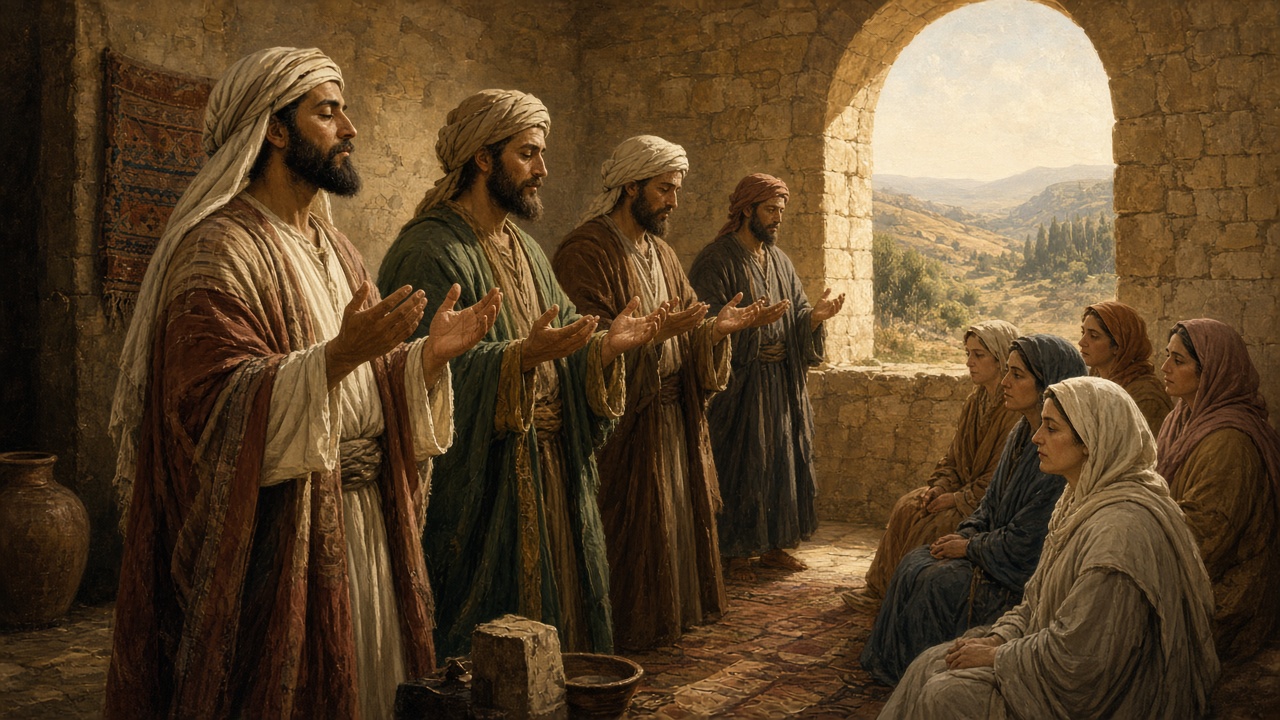
- This chapter urges that petitions, prayers, intercessions, and thanksgiving be offered for everyone, including kings and all those in authority, so that believers may lead tranquil and quiet lives in all godliness and dignity. It also says there is one God and one mediator between God and men, the man Christ Jesus, who gave himself as a ransom for all.Sources: the Bible text itself
- When the letter says that Adam was formed first, and then Eve, it appeals to the first man of Genesis. Easton's Bible Dictionary (1897) explains that Adam is a Babylonian word meaning 'red,' the generic name for man, with the same meaning in Hebrew and Assyrian, and that he was formed from the dust of the earth.Sources: the Bible text itself · Adam
- The letter says it was not Adam who was deceived, but the woman, who was deceived and fell into transgression. Easton's Bible Dictionary (1897) says Eve means 'life' or 'living,' the name Adam gave his wife, and that the account of her creation is given in Genesis 2:21-22.Sources: the Bible text itself · Eve
Notes written with AI assistance from open sources (Theographic Bible Metadata, CC BY-SA 4.0; Easton’s Bible Dictionary, public domain) and reviewed before publishing.
Credits and license for this translation
Yai Wɨn Kɨbiya
The New Testament in the Sepik Iwam Language of Papua New Guinea
Nupela Testamen long tokples Sepik Iwam long Niugini
copyright © 1989 Wycliffe Bible Translators, Inc.
Language: Sepik Iwam (Iwam, Sepik)
Translation by: Wycliffe Bible Translators
This translation is made available to you under the terms of the
Creative Commons Attribution-Noncommercial-No Derivatives license 4.0.
You may share and redistribute this Bible translation or extracts from it in any format, provided that:
You include the above copyright and source information.
You do not sell this work for a profit.
You do not change any of the words or punctuation of the Scriptures.
Pictures included with Scriptures and other documents on this site are licensed just for use with those Scriptures and documents.
For other uses, please contact the respective copyright owners.
2012-10-23
Source: http://png.bible/iws/ · eBible.org