Hebrews 2
Riveduta Bibbia 1927 · Tap a verse to see its cross-references.
1Perciò bisogna che ci atteniamo vie più alle cose udite, che talora non siam portati via lungi da esse. 2Perché, se la parola pronunziata per mezzo d’angeli si dimostrò ferma, e ogni trasgressione e disubbidienza ricevette una giusta retribuzione, 3come scamperemo noi se trascuriamo una così grande salvezza? La quale, dopo essere stata prima annunziata dal Signore, ci è stata confermata da quelli che l’aveano udita, 4mentre Dio stesso aggiungeva la sua testimonianza alla loro, con de’ segni e de’ prodigi, con opere potenti svariate, e con doni dello Spirito Santo distribuiti secondo la sua volontà. 5Difatti, non è ad angeli ch’Egli ha sottoposto il mondo a venire del quale parliamo; 6anzi, qualcuno ha in un certo luogo attestato dicendo: Che cos’è l’uomo che tu ti ricordi di lui o il figliuol dell’uomo che tu ti curi di lui? 7Tu l’hai fatto di poco inferiore agli angeli; l’hai coronato di gloria e d’onore; 8tu gli hai posto ogni cosa sotto i piedi. Col sottoporgli tutte le cose, Egli non ha lasciato nulla che non gli sia sottoposto. Ma al presente non vediamo ancora che tutte le cose gli siano sottoposte; 9ben vediamo però colui che è stato fatto di poco inferiore agli angeli, cioè Gesù, coronato di gloria e d’onore a motivo della morte che ha patita, onde, per la grazia di Dio, gustasse la morte per tutti. 10Infatti, per condurre molti figliuoli alla gloria, ben s’addiceva a Colui per cagion del quale son tutte le cose e per mezzo del quale son tutte le cose, di rendere perfetto, per via di sofferenze, il duce della loro salvezza. 11Poiché e colui che santifica e quelli che son santificati, provengon tutti da uno; per la qual ragione egli non si vergogna di chiamarli fratelli, 12dicendo: Annunzierò il tuo nome ai miei fratelli; in mezzo alla raunanza canterò la tua lode. 13E di nuovo: Io metterò la mia fiducia in Lui. E di nuovo: Ecco me e i figliuoli che Dio mi ha dati. 14Poiché dunque i figliuoli partecipano del sangue e della carne, anch’egli vi ha similmente partecipato, affinché, mediante la morte, distruggesse colui che avea l’impero della morte, cioè il diavolo, 15e liberasse tutti quelli che per il timor della morte erano per tutta la vita soggetti a schiavitù. 16Poiché, certo, egli non viene in aiuto ad angeli, ma viene in aiuto alla progenie d’Abramo. 17Laonde egli doveva esser fatto in ogni cosa simile ai suoi fratelli, affinché diventasse un misericordioso e fedel sommo sacerdote nelle cose appartenenti a Dio, per compiere l’espiazione dei peccati del popolo. 18Poiché, in quanto egli stesso ha sofferto essendo tentato, può soccorrere quelli che son tentati.
Did you know?
Sharing humanity, crowned through suffering
- Hebrews 2 recalls that the message spoken by angels was binding, and that every transgression and disobedience received its just punishment, then asks how anyone can escape who neglects so great a salvation. That salvation was first announced by the Lord, confirmed to us by those who heard him, and affirmed by God through signs, wonders, various miracles, and gifts of the Holy Spirit distributed according to his will.Sources: the Bible text itself
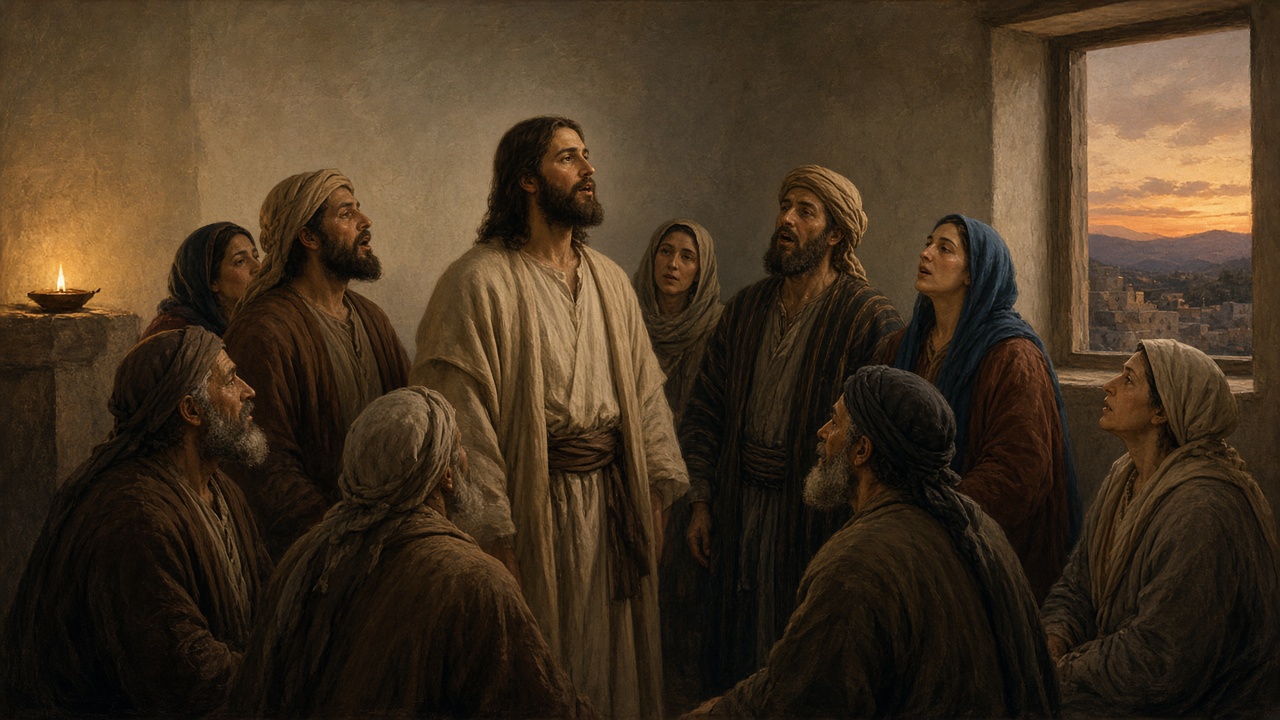
- The chapter quotes a testimony that man was made a little lower than the angels, crowned with glory and honor, with everything placed under his feet. When God subjected all things to him, he left nothing outside his control, yet at present we do not see everything subject to him. Jesus, made a little lower than the angels, is now crowned with glory and honor because he suffered death, so that by the grace of God he might taste death for everyone.Sources: the Bible text itself
- Hebrews 2 says Jesus helps not angels but the descendants of Abraham, and that he had to be made like his brothers in every way so that he might become a merciful and faithful high priest in service to God, to make atonement for the sins of the people. Abraham, son of Terah, is called father of a multitude and described as the heir of the promises.Sources: the Bible text itself · Abraham
Notes written with AI assistance from open sources (Theographic Bible Metadata, CC BY-SA 4.0; Easton’s Bible Dictionary, public domain) and reviewed before publishing.
Credits and license for this translation
Riveduta Bibbia 1927
The Holy Bible in Italian, Riveduta 1927
Public Domain
Language: lingua italiana (Italian)
Contributor: Bible Society in Italy
The Diodati Bible was published in 1885
2019-12-17
Source: http://ebible.org/ita1927/ · eBible.org