Ecclesiastes 6
Riveduta Bibbia 1927 · Tap a verse to see its cross-references.
1V’è un male che ho veduto sotto il sole e che grava di frequente sugli uomini: 2eccone uno a cui Dio dà ricchezze, tesori e gloria, in guisa che nulla manca all’anima sua di tutto ciò che può desiderare, ma Dio non gli dà il potere di goderne; ne gode uno straniero. Ecco una vanità e un male grave. 3Se uno generasse cento figliuoli, vivesse molti anni sì che i giorni de’ suoi anni si moltiplicassero, se l’anima sua non si sazia di beni ed ei non ha sepoltura, io dico che un aborto è più felice di lui; 4poiché l’aborto nasce invano, se ne va nelle tenebre, e il suo nome resta coperto di tenebre; 5non ha neppur visto né conosciuto il sole e nondimeno ha più riposo di quell’altro. 6Quand’anche questi vivesse due volte mille anni, se non gode benessere, a che pro? Non va tutto a finire in un medesimo luogo? 7Tutta la fatica dell’uomo è per la sua bocca, e nondimeno l’appetito suo non è mai sazio. 8Che vantaggio ha il savio sopra lo stolto? O che vantaggio ha il povero che sa come condursi in presenza de’ viventi? 9Veder con gli occhi val meglio del lasciar vagare i propri desideri. Anche questo è vanità e un correr dietro al vento. 10Ciò che esiste è già stato chiamato per nome da tempo, ed è noto che cosa l’uomo è, e che non può contendere con Colui ch’è più forte di lui. 11Moltiplicar le parole è moltiplicare la vanità; che pro ne viene all’uomo? 12Poiché chi sa ciò ch’è buono per l’uomo nella sua vita, durante tutti i giorni della sua vita vana, ch’egli passa come un’ombra? E chi sa dire all’uomo quel che sarà dopo di lui sotto il sole?
Did you know?
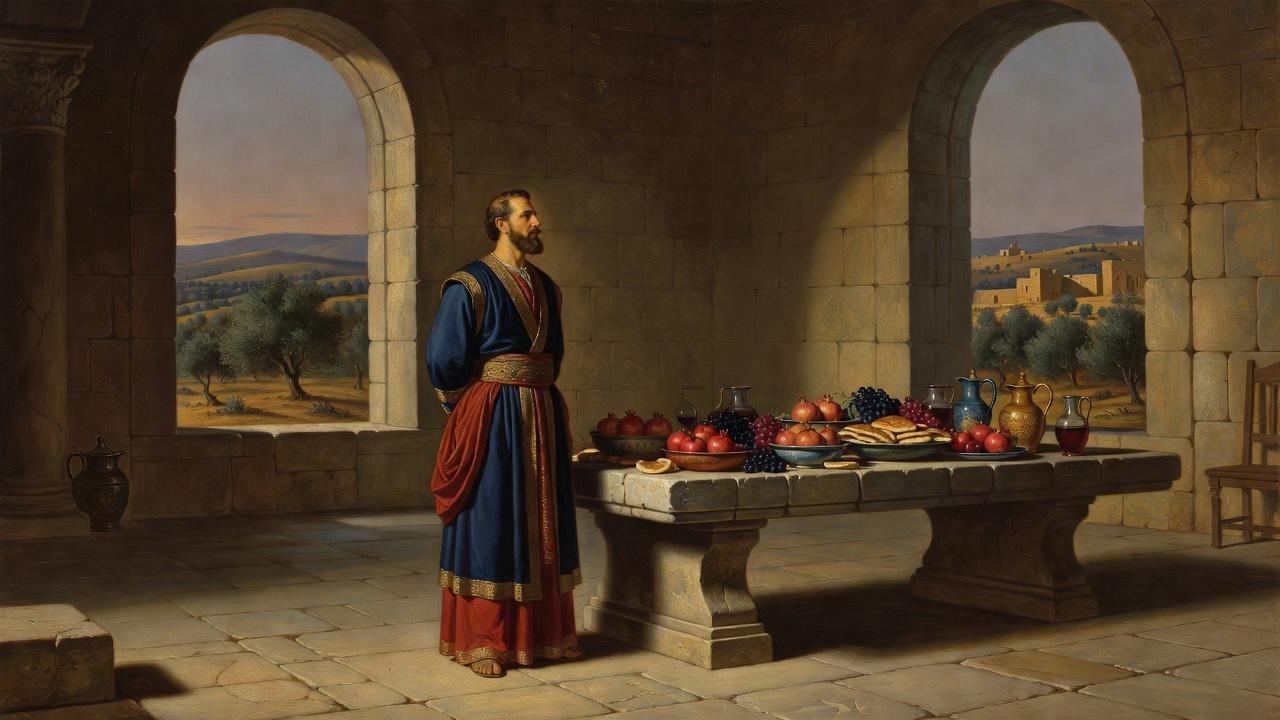
The Vanity of Unsatisfied Wealth
- In ancient thought, having a long life and fathering many children were considered the highest signs of blessing. Ecclesiastes observes, however, that even living two thousand years and fathering a hundred children is hollow if a person cannot enjoy their prosperity or receive a proper burial.Sources: the Bible text itself
- The author points out that although human labor is spent satisfying basic physical needs such as food, human appetite and desire remain continually unfulfilled. He contrasts enjoying what is directly present before the eyes with the ceaseless wandering of unsatisfied cravings.Sources: the Bible text itself
- The chapter emphasizes human limitations, noting that mortals cannot dispute with what has been established by one stronger than they are. Because life is fleeting like a shadow, humans cannot fully know what is truly good for them or foresee what will happen after they are gone.Sources: the Bible text itself
Notes written with AI assistance from open sources (Theographic Bible Metadata, CC BY-SA 4.0; Easton’s Bible Dictionary, public domain) and reviewed before publishing.
Credits and license for this translation
Riveduta Bibbia 1927
The Holy Bible in Italian, Riveduta 1927
Public Domain
Language: lingua italiana (Italian)
Contributor: Bible Society in Italy
The Diodati Bible was published in 1885
2019-12-17
Source: http://ebible.org/ita1927/ · eBible.org