Ecclesiastes 3
Riveduta Bibbia 1927 · Tap a verse to see its cross-references.
1Per tutto v’è il suo tempo, v’è il suo momento per ogni cosa sotto il cielo: 2un tempo per nascere e un tempo per morire; un tempo per piantare e un tempo per svellere ciò ch’è piantato; 3un tempo per uccidere e un tempo per guarire; un tempo per demolire e un tempo per costruire; 4un tempo per piangere e un tempo per ridere; un tempo per far cordoglio e un tempo per ballare; 5un tempo per gettar via pietre e un tempo per raccoglierle; un tempo per abbracciare e un tempo per astenersi dagli abbracciamenti; 6un tempo per cercare e un tempo per perdere; un tempo per conservare e un tempo per buttar via; 7un tempo per strappare e un tempo per cucire; un tempo per tacere e un tempo per parlare; 8un tempo per amare e un tempo per odiare; un tempo per la guerra e un tempo per la pace. 9Che profitto trae dalla sua fatica colui che lavora? 10Io ho visto le occupazioni che Dio dà agli uomini perché vi si affatichino. 11Dio ha fatto ogni cosa bella al suo tempo; egli ha perfino messo nei loro cuori il pensiero della eternità, quantunque l’uomo non possa comprendere dal principio alla fine l’opera che Dio ha fatta. 12Io ho riconosciuto che non v’è nulla di meglio per loro del rallegrarsi e del procurarsi del benessere durante la loro vita, 13ma che se uno mangia, beve e gode del benessere in mezzo a tutto il suo lavoro, è un dono di Dio. 14Io ho riconosciuto che tutto quello che Dio fa è per sempre; niente v’è da aggiungervi, niente da togliervi; e che Dio fa così perché gli uomini lo temano. 15Ciò che è, è già stato prima, e ciò che sarà è già stato, e Dio riconduce ciò ch’è passato. 16Ho anche visto sotto il sole che nel luogo stabilito per giudicare v’è della empietà, e che nel luogo stabilito per la giustizia v’è della empietà, 17e ho detto in cuor mio: “Iddio giudicherà il giusto e l’empio poiché v’è un tempo per il giudicio di qualsivoglia azione e, nel luogo fissato, sarà giudicata ogni opera”. 18Io ho detto in cuor mio: “Così è, a motivo dei figliuoli degli uomini perché Dio li metta alla prova, ed essi stessi riconoscano che non sono che bestie”. 19Poiché la sorte de’ figliuoli degli uomini è la sorte delle bestie; agli uni e alle altre tocca la stessa sorte; come muore l’uno, così muore l’altra; hanno tutti un medesimo soffio, e l’uomo non ha superiorità di sorta sulla bestia; poiché tutto è vanità. 20Tutti vanno in un medesimo luogo; tutti vengon dalla polvere, e tutti ritornano alla polvere. 21Chi sa se il soffio dell’uomo sale in alto, e se il soffio della bestia scende in basso nella terra? 22Io ho dunque visto che non v’è nulla di meglio per l’uomo del rallegrarsi, nel compiere il suo lavoro; tale è la sua parte; poiché chi lo farà tornare per godere di ciò che verrà dopo di lui?
Did you know?
A Time for Every Season
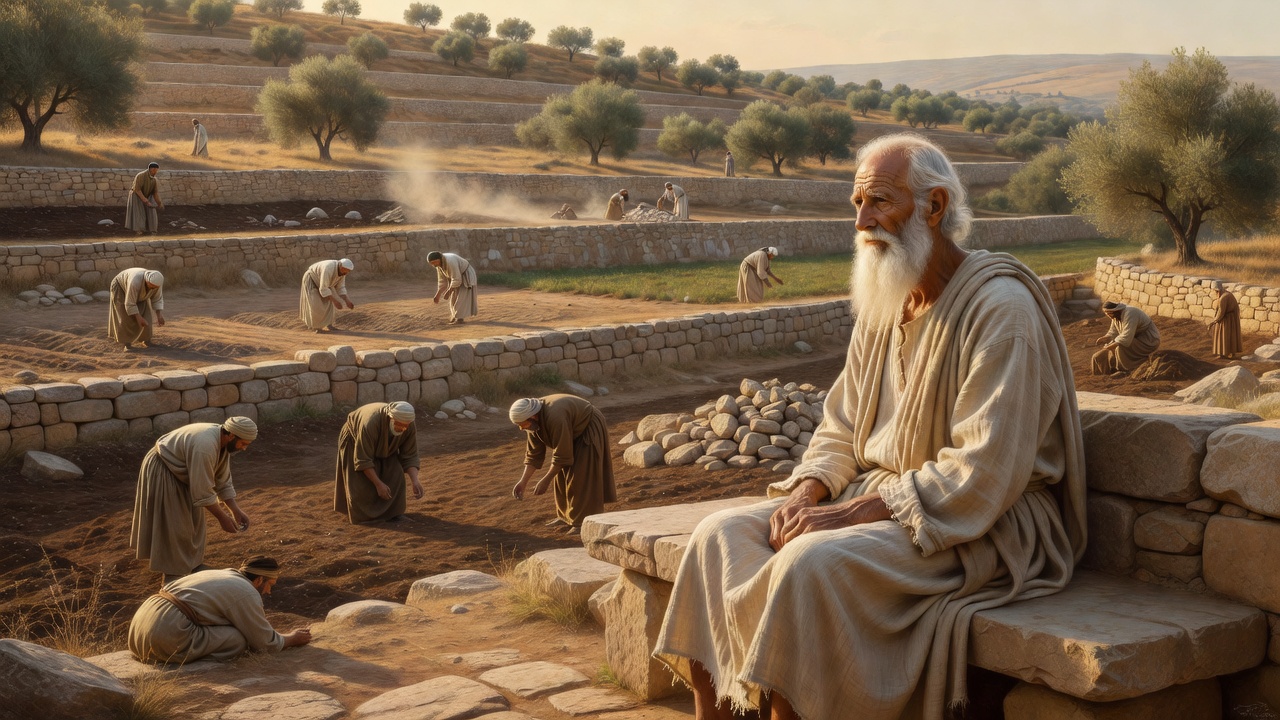
- The chapter opens with a famous poem of fourteen pairs of contrasting opposites, spanning birth and death, planting and uprooting, mourning and dancing, and war and peace. This literary structure illustrates the complete spectrum of human experience appointed under heaven.Sources: the Bible text itself
- The author observes that God has placed eternity in the human heart, yet mortals remain unable to fully comprehend what God does from beginning to end.Sources: the Bible text itself
- Reflecting on mortality, the text notes that both humans and beasts return to the dust. In light of this shared physical fate, the Teacher concludes that enjoying one's daily labor, food, and drink is a gift from God.Sources: the Bible text itself
Notes written with AI assistance from open sources (Theographic Bible Metadata, CC BY-SA 4.0; Easton’s Bible Dictionary, public domain) and reviewed before publishing.
Credits and license for this translation
Riveduta Bibbia 1927
The Holy Bible in Italian, Riveduta 1927
Public Domain
Language: lingua italiana (Italian)
Contributor: Bible Society in Italy
The Diodati Bible was published in 1885
2019-12-17
Source: http://ebible.org/ita1927/ · eBible.org