Psalms 32
Diodati Bibbia 1885 · Tap a verse to see its cross-references.
Felicità di chi ha ottenuto il perdono. Invito al pentimento
Maschil di Davide
1BEATO colui la cui trasgressione è rimessa,
E il cui peccato è coperto!
2Beato l'uomo a cui il Signore non imputa iniquità,
E nel cui spirito non vi è frode alcuna!
3Mentre io mi son taciuto, le mie ossa si sono invecchiate,
Nel mio ruggire di tutto dì.
4Perciocchè giorno e notte la tua mano era aggravata sopra me,
L'umor mio era divenuto simile ad arsure di state. (Sela.)
5Io ti ho dichiarato il mio peccato, non ho coperta la mia iniquità,
Io ho detto: Io confesserò le mie trasgressioni al Signore;
E tu hai rimessa l'iniquità del mio peccato. (Sela.)
6Perciò ogni uomo pio ti farà orazione
Nel tempo che tu puoi esser trovato;
Nel tempo di diluvio di grandi acque, esse non pur perverranno a lui.
7Tu sei il mio ricetto, tu mi guarderai di distretta,
Tu mi circonderai di canti di liberazione. (Sela.)
8Io voglio ammaestrarti ed insegnarti la via,
Per la quale devi camminare;
E consigliarti, avendo l'occhio sopra te.
9Non siate come il cavallo, nè come il mulo, che sono senza intelletto;
La cui bocca conviene frenare con morso e con freno,
Altrimente non si accosterebbero a te.
10Molti dolori avverranno all'empio;
Ma benignità intornierà colui che si confida nel Signore.
11Rallegratevi nel Signore, e fate festa, o giusti;
E giubilate, voi tutti che siete diritti di cuore.
Did you know?
The Joy of Forgiveness and Guidance
- The psalm opens with the title designating it as a Maskil of David, a term traditionally associated with an instructional or contemplative song, reflecting on the contrast between the distress of hidden sin and the blessing of forgiveness.Sources: the Bible text itself
- The Hebrew term Selah appears three times in this psalm (verses 4, 5, and 7), commonly interpreted as a musical pause or a moment for reflection during the recitation of the text.Sources: the Bible text itself
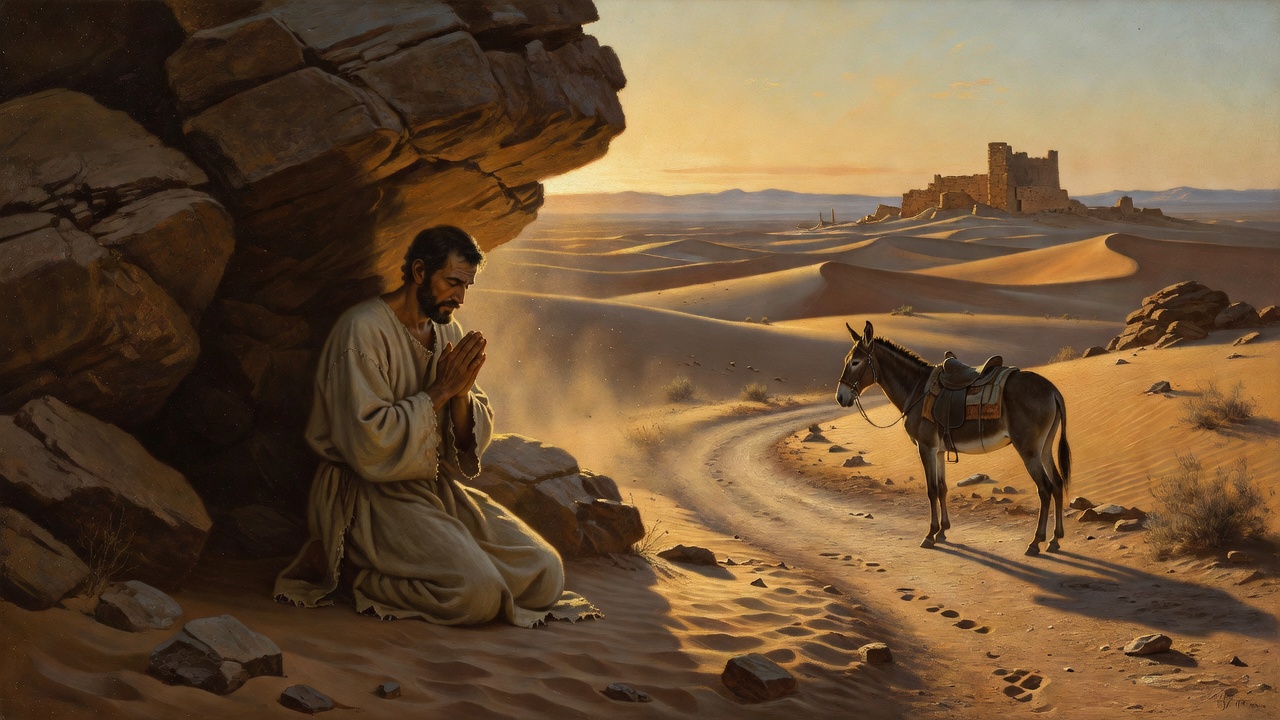
- The psalm uses the imagery of working animals, contrasting the willing follower of divine counsel with stubborn horses and mules that require a bit and bridle to be guided.Sources: the Bible text itself
Notes written with AI assistance from open sources (Theographic Bible Metadata, CC BY-SA 4.0; Easton’s Bible Dictionary, public domain) and reviewed before publishing.
Credits and license for this translation
Diodati Bibbia 1885
The Holy Bible in Italian, translated by Giovanni Diodati in 1641 and revised in 1821
Public Domain
Language: Italiano (Italian)
Contributor: United Bible Societies
Diodati Bibbia 1885
2025-05-03
Source: http://ebible.org/ita1885/ · eBible.org