Malachi 4
Diodati Bibbia 1885 · Tap a verse to see its cross-references.
1Perciocchè, ecco, quel giorno viene, ardente come un forno; e tutti i superbi, e chiunque opera empiamente, saran come stoppia; e il giorno che viene li divamperà, ha detto il Signor degli eserciti; talchè non lascerà loro nè radice, nè ramo.
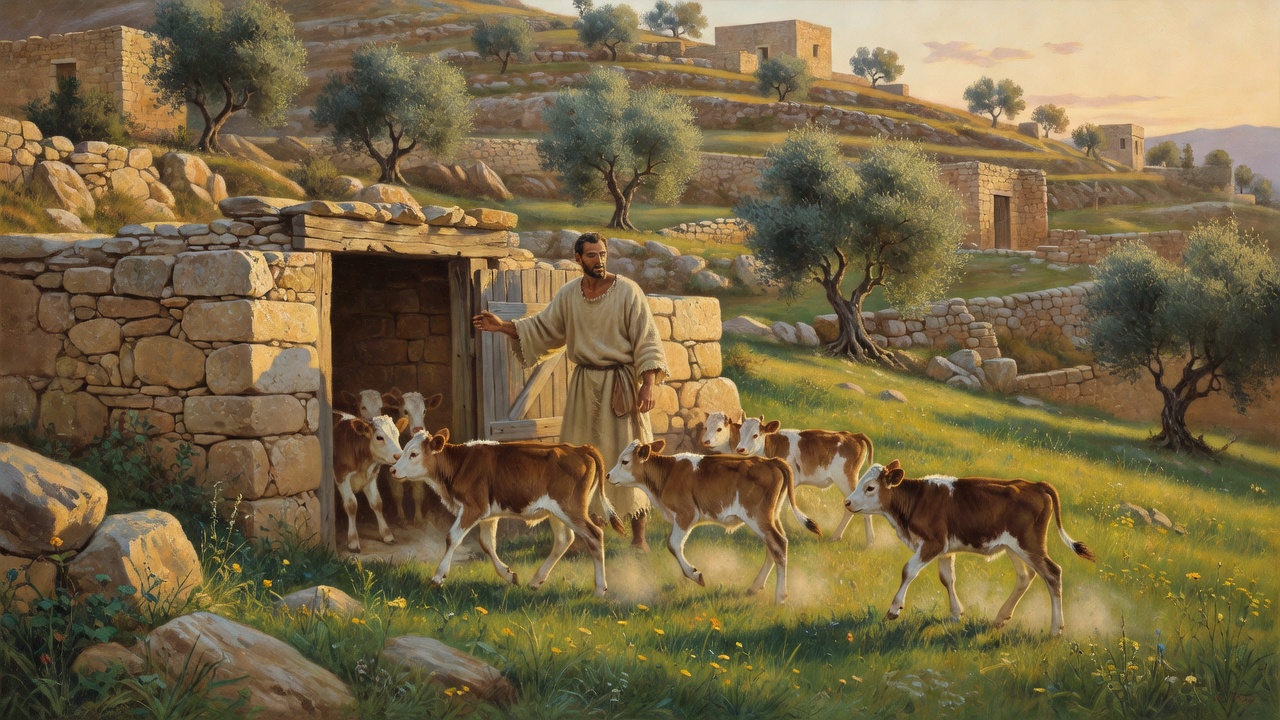
2Ma a voi, che temete il mio Nome, si leverà il Sole della giustizia, e guarigione sarà nelle sue ale; e voi uscirete, e saltellerete a guisa di vitelli di stia. 3E calpesterete gli empi; perciocchè saran come cenere sotto la pianta de' vostri piedi, nel giorno che io opererò, ha detto il Signor degli eserciti.
4Ricordatevi della Legge di Mosè, mio servitore; al quale io ordinai, in Horeb, statuti e leggi, per tutto Israele.
5Ecco, io vi mando il profeta Elia, avanti che venga quel grande e spaventevole giorno del Signore. 6Ed egli convertirà il cuor de' padri a' figliuoli, e il cuor de' figliuoli a' lor padri; che talora io non venga, e non percuota la terra di sterminio a modo d'interdetto.
Did you know?
The Day of the Lord and the Promise of Elijah
- Malachi calls on Israel to remember the law given to Moses at Mount Horeb. Horeb is a biblical name for the mountainous range where Mount Sinai stands, the site where the Israelites encamped and received divine statutes and ordinances.Sources: the Bible text itself · Horeb · Moses
- The passage concludes with the promise that Elijah the prophet will be sent before the great Day of the Lord to reconcile parents and children. In the biblical narrative, Elijah was a prophet from Tishbe who delivered messages during the reign of King Ahab.Sources: the Bible text itself · Elijah
- Malachi uses vivid agricultural imagery to describe the coming judgment and restoration, contrasting evildoers reduced to dry stubble in a fire with the faithful, who are pictured leaping with joy like calves let out of a stall.Sources: the Bible text itself
Notes written with AI assistance from open sources (Theographic Bible Metadata, CC BY-SA 4.0; Easton’s Bible Dictionary, public domain) and reviewed before publishing.
Places in this chapter
- Mount Horeb · Today: Jebel Musa · 28.540, 33.973 · verse 4
Only places identified with high confidence are shown (90% or more according to the scholarly sources compiled by OpenBible). Period map: DARE (Digital Atlas of the Roman Empire), CC BY 4.0; modern map: © OpenStreetMap contributors; places: OpenBible.info (CC BY 4.0).
Credits and license for this translation
Diodati Bibbia 1885
The Holy Bible in Italian, translated by Giovanni Diodati in 1641 and revised in 1821
Public Domain
Language: Italiano (Italian)
Contributor: United Bible Societies
Diodati Bibbia 1885
2025-05-03
Source: http://ebible.org/ita1885/ · eBible.org