Revelation 3
Ʉbhʉragɨ Ubhuhya Mʉkɨgambʉ chi Ikikiizʉ · Tap a verse to see its cross-references.
Ɨnyarʉbha kʉbhaatʉ bha risengerero rya Saridi
1Neho ʉmʉʉtʉ wuyo nchu Umwana wʉ Ʉmʉʉtʉ akangʼeha kʉgamba, “Ʉmwandɨkɨrɨ maraika wa risengerero rya Saridi, ʉmʉbhʉʉrɨrɨ:
“Inyɨ nɨrakangata zekoro muhungatɨ za Mungu na nɨna zenzota muhungatɨ. Ganʉ nego amangʼana gaanɨ!
“Nɨmɨnyirɨ amahocha gaanyu. Mʉrarorekana nɨ‑bhahʉru, nawe mukuurɨ. 2Motengeeze! Mʉnajɨ amasuuhu ganʉ gasaagirɨ, kʉ kʉbha garɨ haguhɨ kukwa. Amahocha gaanyu gakɨɨrɨ kuhikɨra chɨmbu Mungu waanɨ akwenda. 3Muhiitɨ ganʉ mwijibhwɨ, na chɨmbu mwigwirɨ. Nangʉ mʉgagwatɨ, mutigɨ ʉbhʉbhɨ. Mʉrɨɨtamɨ kotengeeza, nɨraaza nchu umwibhi na mʉtakomenya ribhaga rɨnʉ nikuhika kwa niimwɨ.
4“Nawe kʉna abhahɨmba bhasuuhu gatɨ waanyu Saridi iyo, bhanʉ bhakɨɨrɨ kubhuruurya zengebho zaabhʉ ko kokora ʉbhʉbhɨ. Bharabha hamwɨmwɨ na niinyɨ, bhariibhʉhibhwa zengebho zɨnzɨrʉ, kʉ kʉbha abhaatʉ bhayo bhareenderwa. 5Ʉmʉʉtʉ wʉwʉʉsi wʉnʉ araahizɨ, nɨramwibhʉhya zengebho zɨnzɨrʉ ncha bhayo. Nɨtakuruusha iriina ryazɨ mʉkɨtabhʉ chʉ ʉbhʉhʉru, nawe nɨramwisirirya mʉbhʉtangɨ bhwa Bhaabha Mungu na bhamaraika bhaazɨ.
6“Wʉ ʉkʉtwɨ iitegeerere amangʼana ganʉ Ekoro Ɨndɨndu ɨkʉbhʉʉrɨra amasengerero.”
Ɨnyarʉbha kʉbhaatʉ bha risengerero rya Firadɨrifiya
7Ʉmʉʉtʉ wurya akangʼeha kʉgamba, “Ʉmwandɨkɨrɨ maraika wa risengerero rya Firadɨrifiya, ʉmʉbhʉʉrɨrɨ:
“Inyɨ mʉrɨndu nɨrɨ na we eheene, naatu niinyɨ ninu uruhunguru rwʉ ʉmʉtɨmi Daudi. Niriigarɨ ikisikʉ, atareeho ʉwʉndɨ wʉnʉ araatʉrɨ kwigʉra. Naatu niriigʉrɨ, atareeho ʉwʉndɨ wʉnʉ araatʉrɨ kwigara. Ganʉ nego amangʼana gaanɨ!
8“Nɨmɨnyirɨ amahocha gaanyu. Mwitegeerere! Inyɨ niigwirɨ ikisikʉ, atareeho ʉmʉʉtʉ wʉnʉ akʉtʉra kwigara. Nangabha nguru zaanyu, ni‑suuhu, nawe mugwatirɨ amiija gaanɨ, mʉtaanyangirɨ kʉbha abhahɨmba bhaanɨ mʉrɨ. 9Mwitegeerere! Nɨrabhaha abhahɨmba bha Shɨtaani bhanʉ bhakwibhɨrɨkɨra Abhayaahudi nawe ɨtarɨ, naatu bhaana ɨkɨbhɨɨhi. Mmbe bhanʉ nɨrabhakora bhaazɨ bhabhahigamɨrɨ. Bhayo bhʉʉsi bharamenya nɨbhasɨɨgirɨ imwɨ.
10“Rɨraaza ribhaga ryɨ ɨnyaakʉ kʉʉsɨ yʉʉsi, na abhaatʉ bhʉʉsi bharagemwa. Nawe ribhaga riyo nɨrabhariibha kʉ kʉbha mukiigumirirya ɨnyaakʉ chɨmbu nabharagɨɨnʼyɨ. 11Nɨraaza bhwangʉ! Mʉgagwatɨrɨrɨ bhwaheene amazʉmu ganʉ mʉnagʉ, korereke ʉmʉʉtʉ ataaza abharuushɨ ɨbhɨrʉngʉ bhyanyu.
12“Ʉmʉʉtʉ wʉwʉʉsi wʉnʉ araahizɨ, nɨramokora abhɨ rirʉmbɨrʉ rya rihekaaru rya Mungu kwisaarʉ, wʉʉsi atakurwa muyo. Akʉmara nɨramwandɨka iriina rya Mungu ni iriina ryʉ ʉrʉbhɨri rwa Mungu. Ʉrʉbhɨri rʉnʉ nɨ‑Yɨrusarɨɨmu iihya, rʉnʉ ruriituumɨ kurwa mwisaarʉ kwa Mungu. Naatu nɨramwandɨka iriina ryanɨ riihya.
13“Wʉ ʉkʉtwɨ iitegeerere amangʼana ganʉ Ekoro Ɨndɨndu ɨkʉbhʉʉrɨra amasengerero.”
Ɨnyarʉbha kʉbhaatʉ bha risengerero rya Raʉdikiya
14Ʉmʉʉtʉ wurya akangʼeha kʉgamba, “Ʉmwandɨkɨrɨ maraika wa risengerero rya Raʉdikiya, ʉmʉbhʉʉrɨrɨ:
“Inyɨ niinyɨ nɨrabhirikirwa Garamɨ, wʉnʉ akomenyeekererya amaheene ga Mungu koheene. Inyɨ niinyɨ ʉbhʉtangɨ bhwi ibhityɨnyi bhyʉsi bhɨnʉ Mungu aatɨɨmirɨ. Ganʉ nego amangʼana gaanɨ!
15“Inyɨ nɨmɨnyirɨ amahocha gaanyu. Nɨmɨnyirɨ mʉtarɨ bhamititu hamwɨ morero. Hakɨrɨku mʉbhɨ morero hamwɨ bhamititu! 16Nawe kʉ kʉbha muhyukirɨ, mʉtarɨ morero hamwɨ bhamititu, nɨrabharʉka murwɨ mumunywa gwanɨ. 17Mʉrabhuga, ‘Itwɨ, nɨ‑bhaniibhi. Twiniibhiryɨ bhʉkʉngʼu. Tone ebhegero bhyʉsi, tʉtakusuuhirwa nʉʉrʉ hasuuhu!’ Mʉtɨɨzɨ imwɨ nɨ‑bhanyʉʉhɨrɨru, moreenderwa kororerwa ɨbhɨgʉngi, bhahabhɨ mʉrɨ, bhahʉku mʉrɨ ɨnʉ mʉrɨ tʉʉhʉ. 18Kwɨbhu nɨrabhatongera mʉgʉrɨ ɨzahaabhu kurwa ɨwaanɨ, ɨzahaabhu yɨnʉ yʉjibhwɨ no omorero korereke mʉbhɨ bhaniibhi. Mʉgʉrɨ ne engebho ɨnzɨrʉ, mukundikiryɨ ɨtʉʉhʉ yanyu korereke mʉtarora zɨsʉni. Mʉgʉrɨ ʉmʉtɨ gʉ ʉkʉbhahaka mʉmɨɨsʉ korereke morore.
19“Inyɨ nɨhaatongera na kuhiinya abhaatʉ bhanʉ nɨbhasɨɨgirɨ. Mmbe mʉbhɨ nu ubhwigumirirya na mutigɨ ʉbhʉbhɨ. 20Mwitegeerere! Inyɨ nimiiriirɨ kukisikʉ nɨrabhɨrɨkɨra. Ʉmʉʉtʉ wʉnʉ ariigwɨ riraka ryanɨ nu ukunyiigʉrɨra ikisikʉ, nɨrasikɨra munyumba yaazɨ na tʉrarya hamwɨmwɨ.
21“Ʉmʉʉtʉ wʉwʉʉsi wʉnʉ araahizɨ, nɨramwisiririrya kwikara na niinyɨ kukitumbɨ chanɨ chɨ ɨkɨtɨmi, chɨmbu inyɨ nahizirɨ, nikiikara na Bhaabha kukitumbɨ chazɨ chʉ ʉbhʉtɨmi.
22“Wʉ ʉkʉtwɨ iitegeerere amangʼana ganʉ Ekoro Ɨndɨndu ɨkʉbhʉʉrɨra amasengerero.”
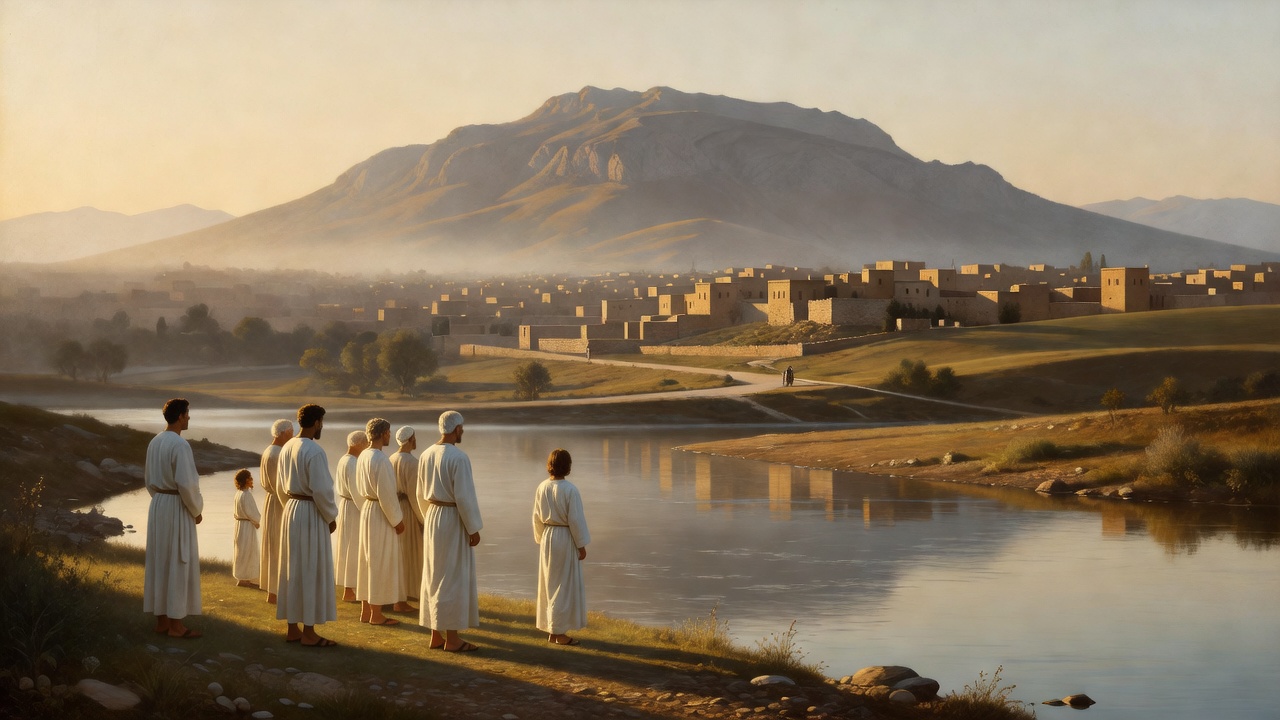
Did you know?
Letters to Sardis, Philadelphia, and Laodicea
- Revelation 3 is a set of letters to churches in three cities of Asia Minor. Sardis, the metropolis of Lydia, stood on the river Pactolus at the foot of Mount Tmolus. Philadelphia, a name that means “brotherly love,” lay about twenty-five miles southeast of Sardis, while Laodicea stood on the Lycus, where Phrygia and Lydia meet, about forty miles east of Ephesus.Sources: Sardis · Philadelphia · Laodicea · the Bible text itself
- Laodicea was first called Diospolis and then Rhoas. It was later named Laodicea after Laodice, the wife of Antiochus II, king of Syria, who rebuilt it. Easton's Bible Dictionary (1897) calls it one of the most important and flourishing cities of Asia Minor and an early leading center of Christianity; in the letter, that church is said to claim that it is rich, has grown wealthy, and needs nothing.Sources: Laodicea · the Bible text itself
- The letter to Philadelphia speaks of a “synagogue of Satan” and of people who claim to be Jews but whom it calls liars. Satan means “adversary” or “accuser,” and in the New Testament the name is used interchangeably with the devil.Sources: Satan · the Bible text itself
Notes written with AI assistance from open sources (Theographic Bible Metadata, CC BY-SA 4.0; Easton’s Bible Dictionary, public domain) and reviewed before publishing.
Places in this chapter
- Sardis · 38.488, 28.040 · verses 1, 4
- Philadelphia · Today: Alaşehir · 38.350, 28.517 · verse 7
- Jerusalem · 31.777, 35.234 · verse 12
- Laodicea · Today: Laodicea on the Lycus · 37.836, 29.108 · verse 14
Only places identified with high confidence are shown (90% or more according to the scholarly sources compiled by OpenBible). Period map: DARE (Digital Atlas of the Roman Empire), CC BY 4.0; modern map: © OpenStreetMap contributors; places: OpenBible.info (CC BY 4.0).
Credits and license for this translation
Ʉbhʉragɨ Ubhuhya Mʉkɨgambʉ chi Ikikiizʉ
Ikizu: Ʉbhʉragɨ Ubhuhya Mʉkɨgambʉ chi Ikikiizʉ (New Testament+) for Tanzania
copyright © 2024 Wycliffe Bible Translators, Inc.
Language: (Ikizu)
Contributor: Wycliffe USA
This translation is made available to you under the terms of the
Creative Commons Attribution Share-Alike license 4.0.
You have permission to share and redistribute this Bible translation in any format and to make reasonable revisions and adaptations of this translation, provided that:
You include the above copyright and source information.
If you make any changes to the text, you must indicate that you did so in a way that makes it clear that the original licensor is not necessarily endorsing your changes.
If you redistribute this text, you must distribute your contributions under the same license as the original.
Pictures included with Scriptures and other documents on this site are licensed just for use with those Scriptures and documents.
For other uses, please contact the respective copyright owners.
Note that in addition to the rules above, revising and adapting God's Word involves a great responsibility to be true to God's Word. See Revelation 22:18-19.
2025-05-03
Source: http://ebible.org/ikz/ · eBible.org