Matthew 6
Ʉbhʉragɨ Ubhuhya Mʉkɨgambʉ chi Ikikiizʉ · Tap a verse to see its cross-references.
Amiija igʉrʉ wʉ ʉkʉsakirya abhahabhɨ
1“Mwangarɨrɨ! Mʉtakora amahocha amazʉmu korereke abhaatʉ bhabharore. Nawe mʉraakorebhu, mʉtakʉsʉngʼaana ʉmʉbhanʉ gwʉgwʉsi kurwa kwa Wuusʉ wa mwisaarʉ.
2“Mmbe, hanʉ ʉkʉsakirya ʉmʉhabhɨ, ʉtaraarɨka kɨnʉ okokora. Ʉtakora chɨmbu abhabhɨɨhi bhahaakora mʉmarwazɨrʉ na kʉnzɨra korereke abhaatʉ bhabhagʉngɨ. 3Nɨrabhabhʉʉrɨra amaheene, ebho bhamarirɨ kʉsʉngʼaana ʉmʉbhanʉ gwabhʉ. Nawe hanʉ ʉkʉsakirya ʉmʉʉtʉ, okobhoko kwazʉ kwʉ ʉbhʉmʉsi kʉtamenya ganʉ okobhoko ku ubhuryʉ kokokora, 4korereke ʉbhʉsakirya bhwazʉ bhʉbhɨ bhwa mbisi. Oreekorebhu, Wuusʉ wʉnʉ ahaarora ganʉ giibhisirɨ, arakʉsamba.
Amiija igʉrʉ wʉ ʉkʉsabha Mungu
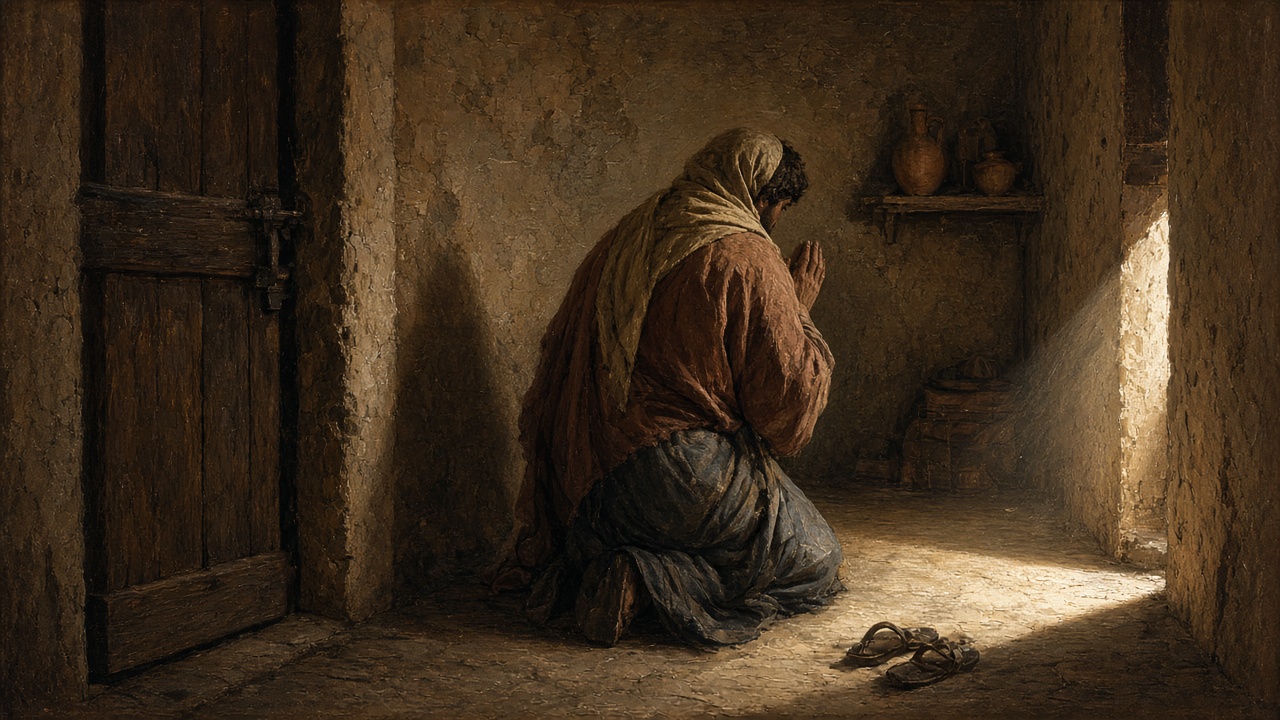
5“Na hanʉ mʉkʉsabha, mʉtabha ncha abhabhɨɨhi. Ebho bhahaasɨɨga kʉsabha bhiimiiriirɨ mʉmarwazɨrʉ na rusizʉ wɨ ɨnzɨra korereke abhaatʉ bhabharore. Nɨrabhabhʉʉrɨra amaheene, bhamarirɨ kʉsʉngʼaana ʉmʉbhanʉ gwabhʉ gwʉsi. 6Nawe awɨ hanʉ ʉkʉsabha, usikɨrɨ ɨgatɨ na wiigarɨ ikisikʉ. Akʉmara ʉsabhɨ kwa Wuusʉ wʉnʉ atakororekana. Na Wuusʉ wʉnʉ ahaarora ganʉ giibhisirɨ, arakutuha.
7“Hanʉ mʉkʉsabha, mʉtabha mʉraparʉkaparʉka ncha abhaatʉ bhanʉ bhatɨɨzɨ Mungu. Ebho bhahiiseega kʉbha bhariigwa igʉrʉ wa amangʼana amaaru. 8Mʉtatuubhana na bhayo, kʉ kʉbha Wuusʉ amɨnyirɨ ganʉ mukwenda, nʉʉrʉ mʉkɨɨrɨ kʉmʉsabha. 9Mmbe imwɨ mʉsabhɨbhu:
‘Bhaabha wɨɨtʉ wʉnʉ uri mwisaarʉ,
iriina ryazʉ rikumibhwɨ.
Ʉbhʉtɨmi bhwazʉ bhuuzɨ.
10Ubhwɨndi bhwazʉ bhokorwe mʉʉsɨ hanʉ,
chɨmbu mwisaarʉ iyo.
11Otohe reero ibhyakurya bhyɨtʉ bhya kɨrakabhu.
12Otobheerere ʉbhʉbhɨ bhwɨtʉ,
chɨmbu na niitwɨ tʉkʉbhabheerera bhanʉ bhatʉsaririiryɨ.
13Ʉtatusikirya mubhitiimotiimo,
nawe ʉtʉsabhʉrɨ nʉ ʉmʉbhɨ wurya,
[kʉ kʉbha ʉbhʉtɨmi, na zinguru, nu ubhukumibhwa, ni‑bhyazʉ kemerano.
Garamɨ!]’ ”
14Yɨɨsu akangʼeha kʉgamba, “Arɨɨbhɨ mʉrabheerera abhaatʉ ʉbhʉbhɨ bhwabhʉ, imwʉsi Wuusʉ wa mwisaarʉ arabhabheerera. 15Nawe mʉraatamɨ kobheerera abhaatʉ amabhɨ gaabhʉ, na niimwɨ Wuusʉ wa mwisaarʉ atakʉbhabheerera amabhɨ gaanyu.
Amiija igʉrʉ wu ukwiyima kurya
16“Hanʉ mukwiyima kurya, ubhushʉ bhwanyu bhoteerekanʼya kurumɨka chɨmbu abhabhɨɨhi bhahaakora. Ebho bhahaakikinyara ubhushʉ bhwabhʉ korereke abhaatʉ bharore kʉbha bhiiyimirɨ kurya. Nɨrabhabhʉʉrɨra amaheene, bhamarirɨ kʉsʉngʼaana ʉmʉbhanʉ gwabhʉ. 17Nawe awɨ hanʉ ukwiyima ukurya, wiisaabhɨ ubhushʉ na wisisityɨ amaguta mumutwɨ, 18korereke abhaatʉ bhatamenya kʉbha wiiyimirɨ kurya. Wuusʉ wʉnʉ atakororekana, wʉnʉ ahaarora ganʉ giibhisirɨ, arakʉsamba.
Amiija igʉrʉ wu ubhuniibhi
19“Mutiibhɨɨkɨra ikibhumbɨkʉ mʉʉsɨ, hanʉ amasɨrɨbhɨ ni ikutu bhɨhaasarya, na abhiibhi bharaasha zinyumba korereke bhiibhɨ. 20Nawe mwibhɨɨkɨrɨ ikibhumbɨkʉ mwisaarʉ, ɨnʉ amasɨrɨbhɨ ni ikutu bhɨtakʉsarya na hanʉ abhiibhi bhatakwasha nʉʉrʉ kwibha. 21Hʉhʉʉsi hanʉ ikibhumbɨkʉ chazʉ kɨrɨ, neho ne ekoro yaazʉ ɨrɨ.
22“Amɨɨsʉ nego ɨkɨmʉrɨ chʉ ʉmʉbhɨrɨ. Arɨɨbhɨ mahʉru, ʉmʉbhɨrɨ gwazʉ gwʉsi gʉrabha nu ubhwɨrʉ. 23Nawe arɨɨbhɨ amɨɨsʉ gaazʉ marwɨrɨ, ʉmʉbhɨrɨ gwazʉ gwʉsi gʉrabha kiirimya. Mmbe, ubhwɨrʉ bhʉnʉ bhʉrɨ mʉmʉbhɨrɨ bhuriichʉrɨ kʉbha ikiirimya, kɨrabha kiirimya kɨhaari bhʉkʉngʼu!
24“Atareeho ʉmʉʉtʉ wʉnʉ akʉtʉra kohokerya abhakʉrʉ bhabhɨrɨ, kʉ kʉbha aratʉra kubhiihirirwa ʉwʉmwɨ na kʉsɨɨga ʉwʉndɨ, hamwɨ kugwatana nʉ ʉwʉmwɨ na korega ʉwʉndɨ. Na niimwɨ, mʉtakʉtʉra kohokerya Mungu ne ebhegero hamwɨmwɨ!
Amiija igʉrʉ wʉ ʉkʉnyaaka
25“Mmbe nɨrabhabhʉʉrɨra, mʉtanyaakɨra ubhwikari bhwanyu kʉbha mʉraryakɨ, hamwɨ mʉranywakɨ, hamwɨ muriibhohakɨ. Awɨɨ, ubhwikari bhʉtakʉkɨra ibhyakurya, nʉ ʉmʉbhɨrɨ gʉtakʉkɨra zengebho? 26Morore ibhinyunyi. Bhɨtakʉhamba na bhɨtakogesa na kʉbhɨɨka mʉkɨtara. Nawe, Wuusʉ wa mwisaarʉ, ahaabhiriisha. Awɨɨ, imwɨ mʉtaana ubhwera bhʉkʉrʉ kʉkɨra ibhinyunyi bhiyo? 27Wɨɨwɨ gatɨ waanyu aratʉra kwiyongera nʉʉrʉ ɨɨsa yɨmwɨ mubhwikari bhwazɨ kukwinyaacha kwazɨ?
28“Kwakɨ muriinyaacha igʉrʉ wa zengebho? Morore chɨmbu ɨbhɨbharyʉ bhekomera. Bhɨtakokora meremo nʉʉrʉ bhɨtakutuma. 29Nawe nɨrabhabhʉʉrɨra, nʉʉrʉ ʉmʉtɨmi Sɨrɨmaani nu ubhuniibhi bhwazɨ bhwʉsi, atiibhʉhirɨ bhwaheene nchɨ ɨbhɨbharyʉ bhiyo! 30Arɨɨbhɨ Mungu ariibhohya bhwaheenebhu ɨbhɨbharyʉ bhya mwitɨrɨgʉ bhɨnʉ reero bhereho na tabhʉʉri bhɨrataashwa momorero, nangʉ aratamabhwɨ kubhiibhohya imwɨ, abhaatʉ bhu ubhwisirirya ubhusuuhu?
31“Mmbe mʉtabha na makɨbhwɨ muriibhuurya, ‘Tʉraryakɨ? Tʉranywakɨ?’ hamwɨ ‘Turiibhohakɨ?’ 32Amangʼana gayo gʉʉsi, bharaganyaakɨra abhaatʉ bhanʉ bhatɨɨzɨ Mungu. Wuusʉ wa mwisaarʉ ɨɨzɨ kʉbha moreenda gʉʉsi gayo. 33Nawe momohye hinga ʉbhʉtɨmi bhwa Mungu na kokora amangʼana ge eheene, na agandɨ gayo gʉʉsi arabhoongereererya. 34Mmbe, mutiinyaacha igʉrʉ wa tabhʉʉri, kʉ kʉbha tabhʉʉri iriinyaakɨra iyeene. Zɨnyaakʉ za reero ziriisa kwa reero.
Did you know?
Secret righteousness and trust
- This chapter is part of the Sermon on the Mount. An event listing dates that sermon to AD 28 and records it as lasting one day.Sources: Sermon on the Mount · the Bible text itself
- Jesus says not to sound a trumpet in the synagogues and streets when giving to the needy, as the hypocrites do in order to be honored. He also warns against praying on street corners to be seen and against fasting with a disfigured face; instead, he describes praying in an inner room with the door shut, and fasting with an anointed head and a washed face.Sources: the Bible text itself
- Jesus says that not even Solomon in all his glory was adorned like one of the lilies of the field. A dictionary entry explains that his Hebrew name, Shelomoh, means “Peaceful,” that he was David’s son by Bathsheba, and that Nathan called him Jedidiah, “beloved of the Lord”; his reign is recorded in 1 Kings 1–11 and 2 Chronicles 1–9.Sources: the Bible text itself · Solomon
Notes written with AI assistance from open sources (Theographic Bible Metadata, CC BY-SA 4.0; Easton’s Bible Dictionary, public domain) and reviewed before publishing.
Credits and license for this translation
Ʉbhʉragɨ Ubhuhya Mʉkɨgambʉ chi Ikikiizʉ
Ikizu: Ʉbhʉragɨ Ubhuhya Mʉkɨgambʉ chi Ikikiizʉ (New Testament+) for Tanzania
copyright © 2024 Wycliffe Bible Translators, Inc.
Language: (Ikizu)
Contributor: Wycliffe USA
This translation is made available to you under the terms of the
Creative Commons Attribution Share-Alike license 4.0.
You have permission to share and redistribute this Bible translation in any format and to make reasonable revisions and adaptations of this translation, provided that:
You include the above copyright and source information.
If you make any changes to the text, you must indicate that you did so in a way that makes it clear that the original licensor is not necessarily endorsing your changes.
If you redistribute this text, you must distribute your contributions under the same license as the original.
Pictures included with Scriptures and other documents on this site are licensed just for use with those Scriptures and documents.
For other uses, please contact the respective copyright owners.
Note that in addition to the rules above, revising and adapting God's Word involves a great responsibility to be true to God's Word. See Revelation 22:18-19.
2025-05-03
Source: http://ebible.org/ikz/ · eBible.org