Matthew 11
Ʉbhʉragɨ Ubhuhya Mʉkɨgambʉ chi Ikikiizʉ · Tap a verse to see its cross-references.
1Hanʉ Yɨɨsu aamarirɨ kuswaja abhɨɨga bhaazɨ ikumi na bhabhɨrɨ, akatanʉra kuja mʉzɨmbɨri ɨzɨndɨ za Gariraaya kwija na kurwazɨra abhaatʉ.
Yoohana Ʉmʉbhatiizi aratʉma abhɨɨga bhaazɨ kwa Yɨɨsu
2Ribhaga riyo, Yoohana Ʉmʉbhatiizi aarɨ mokebhoho. Hanʉ iigwirɨ ganʉ Kiriisitʉ akokora, akatʉma abhɨɨga bhaazɨ abhamwɨ bhamubhuuryɨ, 3“Awɨ naawɨ Kiriisitʉ wʉnʉ akuuza, kisha tʉrɨndɨ ʉwʉndɨ?”
4Yɨɨsu akabhagarukirya, “Mujɨ mʉbhʉʉrɨrɨ Yoohana ganʉ gʉʉsi mukwigwa na korora. 5Abhahʉku bhararora, abharema bharagenda, abhagenge bharahora, abharibhi bha amatwɨ bhariigwa, abhaku bhararyʉka na abhahabhɨ bhararwazirwa Ɨngʼana Ɨnzʉmu. 6Hakɨrɨku ʉmʉʉtʉ wʉnʉ ataana makɨbhwɨ igʉrʉ waanɨ.”
7Hanʉ abhɨɨga bha Yoohana bhaabhuukirɨ, Yɨɨsu akatanga kʉbhʉʉrɨra riribhita amangʼana igʉrʉ wa Yoohana. Akabhabhuurya, “Mʉkaja mwitɨrɨgʉ kororakɨ? Korora ʉmʉʉtʉ wʉnʉ akwisirirya amangʼana gʉʉsi ncha rikʉrɨ rɨnʉ rɨhaasingishwa nʉ ʉmʉkama? 8Mʉkaja kororakɨ? Mʉkaja korora ʉmʉʉtʉ wʉnʉ iibhʉhirɨ zengebho zɨnzʉmu za riguri? Zɨyi! Abhaatʉ bhanʉ bhahiibhoha zengebho zɨnzʉmu za riguri, bhahiikara muzinyumba za abhatɨmi. 9Nawe mʉkaja kororakɨ? Ʉmʉrʉʉtɨrɨri? Hee, nɨrabhabhʉʉrɨra, Yoohana nɨ‑mʉkʉrʉ kʉkɨra ʉmʉrʉʉtɨrɨri. 10Wuyo newe wʉnʉ Amaandɨkʉ Amarɨndu gaagambirɨ igʉrʉ waazɨ, ‘Rora, nɨratʉma umutumwa waanɨ mʉbhʉtangɨ bhwazʉ, wʉnʉ araakokonzere ɨnzɨra.’ 11Nɨrabhabhʉʉrɨra amaheene, mʉbhaatʉ bhʉʉsi bhanʉ bhiibhwirɨ kʉʉsɨ, akɨɨrɨ kobhoneka ʉmʉkʉrʉ kʉkɨra Yoohana Ʉmʉbhatiizi. Nawe, ʉmʉʉtʉ umusuuhu kʉkɨra bhʉʉsi mʉbhʉtɨmi bhwa mwisaarʉ, newe ʉmʉkʉrʉ kʉkɨra Yoohana. 12Kwɨma hanʉ Yoohana Ʉmʉbhatiizi aarɨ ararwaza kuhika reero yɨnʉ, abhaatʉ bhakɨɨrɨ bhariitanʼya ʉbhʉtɨmi bhwa mwisaarʉ, na abhaatʉ abhakararu bhareenda kobhogega kwa nguru. 13Amiija gʉʉsi ga abharʉʉtɨrɨri ni imigirʉ ja Musa bhɨkarootorera kuhika ribhaga rya Yoohana. 14Arɨɨbhɨ muriisirirya ʉbhʉrʉʉti bhwabhʉ, Yoohana newe Ɨɨriya, wʉnʉ aagambirwɨ kʉbha araaza. 15Wʉ ʉkʉtwɨ, iitegeerere.
16“Nawe, urwibhʉrʉ rʉnʉ nirutuubhanʼyɨ nakɨ? Rutuubhɨɨnɨ na abhaana bhanʉ bhakwikara momoteera bharabhɨrɨkɨra abhakɨndichabhʉ, bharabhuga, 17‘Tʉkabhatemera ekereere, nawe mʉtaabhinirɨ! Tʉkɨɨmba amɨɨmbʉ gu ukwarama, nawe mʉtaaririrɨ!’ 18Ɨbhuɨbhu hanʉ Yoohana iizirɨ, aarɨ atakurya ibhyakurya bhya amanarʉ na atakunywa idivaayi, bhakabhuga, ‘Wʉnʉ ana amasambwa!’ 19Umwana wʉ Ʉmʉʉtʉ akaaza, ararya ibhyakurya bhya amanarʉ na kunywa idivaayi, bhakabhuga, ‘Rora! Nɨ‑mʉsʉʉhʉ, munywi, mʉsaani wa abharihya bha rigʉʉti na bhʉ ʉbhʉbhɨ!’ Nawe nʉʉrʉbhu, ubhwʉbhʉʉri bhwa Mungu bhʉhaamenyeekererya ga amaheene kʉnzɨra ya amahocha ga abhaatʉ bhaazɨ.”
Horeera zɨmbɨri zɨnʉ zaangirɨ kutiga ʉbhʉbhɨ
20Neho Yɨɨsu akatanga kʉhama zɨmbɨri zɨnʉ aakʉrirɨmu ɨbhɨsɨgʉ bhyaru, kʉ kʉbha zɨkaanga kutiga ʉbhʉbhɨ bhwazʉ. 21Akabhuga, “Horeera imwɨ abhaatʉ bha Korazini! Horeera imwɨ, abhaatʉ bha Bhɨtɨsaida! Angabhɨɨrɨ ɨbhɨsɨgʉ bhɨnʉ bhyakʉriibhwɨ kwa niimwɨ, bhyangakʉrirwɨ mʉzɨmbɨri za abhasarya bha Tiiro na Sidʉʉni, bhaarɨ bharatiga ʉbhʉbhɨ bhwabhʉ kukwibhoha amagonera na kwihaka riibhu. 22Nawe nɨrabhabhʉʉrɨra, urusikʉ rwɨ ɨtɨnɨrʉ, Mungu arabhaha imwɨ ɨnyaakʉ kʉkɨra abhaatʉ bha Tiiro na Sidʉʉni. 23Na niimwɨ, abhaatʉ bha Kapɨrinaumu, muriiseega mʉratiiribhwa kuhika mwisaarʉ? Zɨyi! Muriikibhwa kuhika momorero gwa nyaari. Angabhɨɨrɨ ɨbhɨsɨgʉ bhɨnʉ bhɨkʉrirwɨ kwa niimwɨ bhyangakʉrirwɨ mʉrʉbhɨri rwa Sodoma, ʉrʉbhɨri ruyo rwarɨ rʉrabhaho kuhika reero yɨnʉ. 24Nawe nɨrabhabhʉʉrɨra, urusikʉ rwɨ ɨtɨnɨrʉ, Mungu arabhanyaacha bhʉkʉngʼu kʉkɨra ɨnyaakʉ yʉ ʉrʉbhɨri rwa Sodoma.”
Yɨɨsu nɨ‑hagero hu ukwoyeera
25Ribhaga riyo Yɨɨsu akabhuga, “Bhaabha, Ʉmʉkʉrʉ wa risaarʉ nɨ ɨɨsɨ, ʉzʉmiryɨ, kʉ kʉbha amangʼana ganʉ ʉbhabhisirɨ bha amangʼɨɨni na abhasʉmi, ʉgatɨɨrɨ habhwɨrʉ kʉbhanʉ, bhanu ubhwisirirya ncha abhaana abhasuuhu. 26Ɨbhu nɨmbu, yakʉzʉmɨɨrɨ.”
27Akʉmara Yɨɨsu akabhuga, “Bhaabha angʼɨɨrɨ bhyʉsi. Atareeho wʉnʉ ɨɨzɨ Umwana, kuruushaku Bhaabha umwene. Na atareeho wʉnʉ ɨɨzɨ Bhaabha, kuruushaku Umwana, na wʉwʉʉsi wʉnʉ Umwana areende kumwerecha.
28“Muuzɨ kwa niinyɨ bhʉʉsi bhanʉ mʉkʉnyaaka na kuritoherwa ni imirigʉ, na niinyɨ nɨrabhooyeerya. 29Mwibhohe ijʉki yaanɨ, mwɨgɨ kurwa kwa niinyɨ, kʉ kʉbha inyɨ, nɨ‑mʉnyʉʉhu na mwikʉʉmu wu umwʉyʉ. Ijʉki|alt="Nira" src="lb00021c.tif" size="col" loc="MAT 11:29" copy="Louise Bass © The British & Foreign Bible Society, 1994" ref="11:29" Neho mʉkʉbha no omorembe mumyʉyʉ janyu, 30kʉ kʉbha ijʉki yaanɨ nɨ‑hʉhʉ kogega, nu umurigʉ gwanɨ mʉhʉhʉ.”
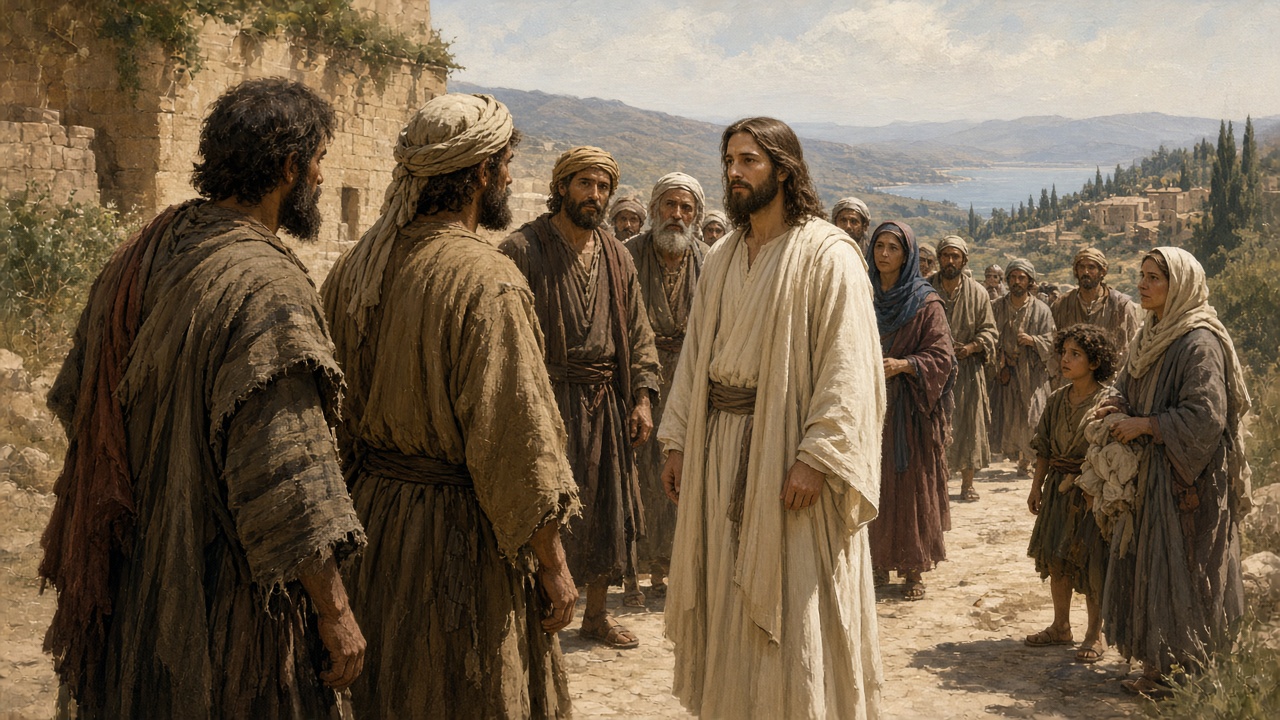
Did you know?
John's question and the cities that did not repent
- From prison, John sent his disciples to ask whether Jesus was the one who was to come. Jesus told the crowds that John was more than a prophet—the messenger sent ahead to prepare the way—and, if they were willing to accept it, the Elijah who was to come. A Bible dictionary calls John the forerunner and says his mission was already the subject of prophecy, citing Isaiah 40:3 and Malachi 3:1; it also introduces Elijah as the Elias of the New Testament.Sources: the Bible text itself · John the Baptist · Elijah
- Jesus then denounced Chorazin, Bethsaida, and Capernaum, where most of his miracles had been performed, because they did not repent. A dictionary identifies Chorazin with modern Kerazeh, about two and a half miles up the Wady Kerazeh from Capernaum, and says that Capernaum, absent from the Old Testament, became Jesus' own city after he left Nazareth. It places Bethsaida on the east side of the lake, two miles up the Jordan in Gaulonitis, enlarged by Philip the tetrarch and named Julias after the emperor's daughter, though some have supposed there was only one Bethsaida, near where the Jordan enters the lake.Sources: the Bible text itself · Chorazin · Capernaum · Bethsaida
- He set those cities against Tyre and Sidon, which he said would have repented long ago in sackcloth and ashes, and against Sodom, which he said would have remained to this day. Sidon, on the Mediterranean coast about twenty-five miles north of Tyre, was the oldest Phoenician city there and the mother city of Tyre. A dictionary says the commerce of the whole world was gathered into Tyre's warehouses, and that Sodom, in the vale of Siddim, was destroyed by fire from heaven so completely that no trace of it has been found.Sources: the Bible text itself · Sidon · Tyre · Sodom
Notes written with AI assistance from open sources (Theographic Bible Metadata, CC BY-SA 4.0; Easton’s Bible Dictionary, public domain) and reviewed before publishing.
Places in this chapter
- Galilee · 32.760, 35.527 · verse 1
- Sidon · Today: Sandikli archaeological site in Sidon · 33.561, 35.372 · verses 21, 22
- Tyre · 33.271, 35.196 · verses 21, 22
Only places identified with high confidence are shown (90% or more according to the scholarly sources compiled by OpenBible). Period map: DARE (Digital Atlas of the Roman Empire), CC BY 4.0; modern map: © OpenStreetMap contributors; places: OpenBible.info (CC BY 4.0).
Credits and license for this translation
Ʉbhʉragɨ Ubhuhya Mʉkɨgambʉ chi Ikikiizʉ
Ikizu: Ʉbhʉragɨ Ubhuhya Mʉkɨgambʉ chi Ikikiizʉ (New Testament+) for Tanzania
copyright © 2024 Wycliffe Bible Translators, Inc.
Language: (Ikizu)
Contributor: Wycliffe USA
This translation is made available to you under the terms of the
Creative Commons Attribution Share-Alike license 4.0.
You have permission to share and redistribute this Bible translation in any format and to make reasonable revisions and adaptations of this translation, provided that:
You include the above copyright and source information.
If you make any changes to the text, you must indicate that you did so in a way that makes it clear that the original licensor is not necessarily endorsing your changes.
If you redistribute this text, you must distribute your contributions under the same license as the original.
Pictures included with Scriptures and other documents on this site are licensed just for use with those Scriptures and documents.
For other uses, please contact the respective copyright owners.
Note that in addition to the rules above, revising and adapting God's Word involves a great responsibility to be true to God's Word. See Revelation 22:18-19.
2025-05-03
Source: http://ebible.org/ikz/ · eBible.org