John 3
Ʉbhʉragɨ Ubhuhya Mʉkɨgambʉ chi Ikikiizʉ · Tap a verse to see its cross-references.
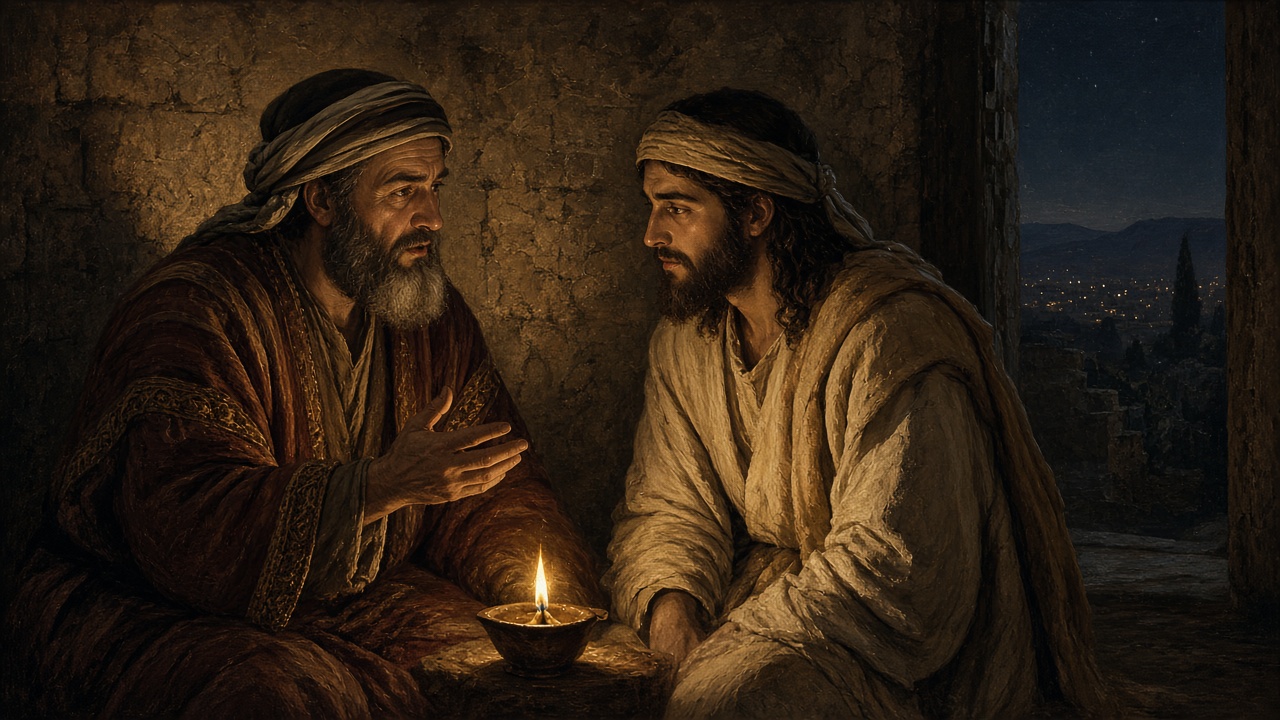
Nikʉdɨɨmu arataarɨra Yɨɨsu
1Aareho ʉmʉkangati wʉmwɨ wa Abhayaahudi wa riribhita rya Abhafarisaayo, iriina ryazɨ Nikʉdɨɨmu. 2Rusikʉ rʉmwɨ ubhutikʉ, akaja kwa Yɨɨsu, akamʉbhʉʉrɨra, “Umwija, tʉmɨnyirɨ kʉbha awɨ ni‑mwija wʉnʉ utumirwɨ na Mungu, kʉ kʉbha atareeho ʉmʉʉtʉ wʉnʉ akʉtʉra kokora ɨbhɨsɨgʉ bhɨnʉ awɨ okokora, arɨɨbhɨ Mungu atarɨ hamwɨmwɨ nawe.”
3Yɨɨsu akabhuga, “Nɨrakʉbhʉʉrɨra amaheene, atareeho ʉmʉʉtʉ wʉnʉ akʉtʉra kusikɨra mʉbhʉtɨmi bhwa Mungu arɨɨbhɨ akɨɨrɨ kwibhurwa rwa kabhɨrɨ.”
4Nikʉdɨɨmu akabhuurya Yɨɨsu, “Ʉmʉʉtʉ aratʉrabhwɨ kwibhurwa rwa kabhɨrɨ mʉkaruka? Aratʉra kʉgarʉka mʉnda ya unina korereke iibhurwɨ naatu?”
5Yɨɨsu akamʉgarukirya, “Nɨrakʉbhʉʉrɨra amaheene, atareeho ʉmʉʉtʉ wʉnʉ akʉtʉra kusikɨra mʉbhʉtɨmi bhwa Mungu arɨɨbhɨ akɨɨrɨ kwibhurwa kʉmanzi na kwe Ekoro Ɨndɨndu. 6Ʉmʉʉtʉ ahiibhurwa na abhiibhuri bhaazɨ, kʉnzɨra yʉ ʉmʉbhɨrɨ, nawe ʉbhʉhʉru ubhuhya bhwahaarwa kwe Ekoro Ɨndɨndu. 7Ʉtarʉgʉʉra kʉ kʉbha nikubhuuriirɨ, ‘Moreenderwa mwibhurwɨ rwa kabhɨrɨ.’ 8Ekoro Ɨndɨndu ituubhɨɨnɨ nʉ ʉmʉkama gʉnʉ gukuhuuta kwerekera ɨnʉ gukwenda. Ʉratʉra kwigwa kuhuuta kwaku, nawe ʉtɨɨzɨ ɨnʉ gukurwɨra nɨ ɨnʉ gukuja. Nɨmbu ɨrɨ kʉmʉʉtʉ wʉwʉʉsi wʉnʉ iibhwirwɨ ne Ekoro Ɨndɨndu.”
9Nikʉdɨɨmu akabhuurya Yɨɨsu, “Nangʉ, ʉmʉʉtʉ aratʉrabhwɨ kwibhurwabhu?”
10Yɨɨsu akamʉgarukirya, “Awɨ ni‑mwija wʉnʉ ukusuukwa bhʉkʉngʼu mucharʉ cha Iziraɨri, ʉtɨɨzɨ amangʼana gayo? 11Nɨrakʉbhʉʉrɨra amaheene, itwɨ tʉragamba ganʉ tʉmɨnyirɨ, na tʉramenyeekererya ganʉ tʉrʉʉzɨ. Nawe imwɨ mʉtakwisirirya ʉbhʉmɨnyɨɨkɨrɨri bhwɨtʉ. 12Nɨbhabhuuriirɨ amangʼana ganʉ gakokorwa kʉʉsɨ kʉnʉ, nawe imwɨ mʉtakwisirirya. Nangʉ mʉranyiisiriryabhwɨ hanʉ nɨkʉbhabhʉʉrɨra ɨngʼana ya amangʼana ganʉ gakokorwa mwisaarʉ? 13Atareeho ʉmʉʉtʉ wʉwʉʉsi wʉnʉ agiirɨ mwisaarʉ. Nawe Umwana wʉ Ʉmʉʉtʉ newe iizirɨ kurwa mwisaarʉ.
14“Hanʉ Abhiiziraɨri bhaarɨ kʉkɨbhara, Musa akakora risambwa rye enzoka yɨ ɨshabha na kuritiirya kʉkɨtɨ korereke bhahore. Ɨbhuɨbhu nu Umwana wʉ Ʉmʉʉtʉ, areenderwa kutiiribhwa, 15korereke abhaatʉ bhʉʉsi bhanʉ bhakumwisirirya bhabhɨ nʉ ʉbhʉhʉru bhwa kemerano.”
16Mmbe, Mungu akasɨɨga ɨɨsɨ, kuhika akahurucha umwana waazɨ umumwɨmwɨ aazɨ mʉʉsɨ, korereke abhaatʉ bhʉʉsi bhanʉ bhakumwisirirya bhatarimɨra, nawe bhabhɨ nʉ ʉbhʉhʉru bhwa kemerano. 17Mungu ataatumirɨ Umwana waazɨ kʉʉsɨ kʉnʉ korereke atɨnɨrɨ abhaatʉ, nawe abhasabhʉrɨ kʉhɨtɨra kwewe. 18Ʉmʉʉtʉ wʉnʉ akwisirirya atakutinirwa. Nawe ʉmʉʉtʉ wʉnʉ atakumwisirirya, amarirɨ kutinirwa kʉ kʉbha akɨɨrɨ kwisirirya Umwana waazɨ umumwɨmwɨ. 19Ɨtɨnɨrʉ nɨ‑yɨnʉ, Umwana wa Mungu arɨɨtirɨ ubhwɨrʉ mʉʉsɨ mʉnʉ, nawe abhaatʉ bhasɨɨgirɨ kʉbha mukiirimya kʉkɨra kʉbha mubhwɨrʉ, kʉ kʉbha amahocha gaabhʉ nɨ‑mabhɨ. 20Abhaatʉ bhʉʉsi bhanʉ bhahaakora amahocha amabhɨ, ebho bhahaabhiihirirwa ubhwɨrʉ bhuyo. Bhatakwenda kuuza mubhwɨrʉ, korereke amahocha gaabhʉ amabhɨ gataaza komenyekana. 21Nawe abhaatʉ bhʉʉsi bhanʉ bhahaakora amahocha ga maheene, ebho bhahaamohya kʉbha mubhwɨrʉ bhuyo, korereke emenyekanɨ kʉbha Mungu newe akʉbhaha ʉbhʉnaja bhwʉ ʉkʉgakora.
Yoohana Ʉmʉbhatiizi aramenyeekererya Yɨɨsu
22Mmbe, hanʉ gayo gaahitirɨ, Yɨɨsu na abhɨɨga bhaazɨ bhakaja mucharʉ cha Yudeya. Akiikara iyo kwibhaga irebhe, akabha arabhatiiza abhaatʉ. 23Yoohana wʉʉsi aarɨ arabhatiiza abhaatʉ Ainʉʉni, haguhɨ nʉ ʉrʉbhɨri rwa Sarɨmu. Gaareho amanzi maaru iyo, na abhaatʉ bhakaja kwa Yoohana korereke abhabhatiizɨ. 24Kwibhaga riyo, Yoohana aarɨ akɨɨrɨ kugwatwa na kutuurwa mokebhoho.
25Rusikʉ rʉmwɨ, abhɨɨga bha Yoohana bhakatanga kʉhakaana nʉ Ʉmʉyaahudi wʉmwɨ igʉrʉ wi isimʉka yʉ ʉkʉbhɨngukya. 26Neho bhakaja kwa Yoohana, bhakamʉbhʉʉrɨra, “Umwija, ʉrahiita ʉmʉʉtʉ wʉnʉ aarɨ na naawɨ imwambʉkʉ wɨ ɨkɨtaarʉ cha Yorodaani na ʉkamenyeekererya amangʼana gaazɨ? Nangwɨnʉ wʉʉsi arabhatiiza, na abhaatʉ bhʉʉsi bharaja kwewe!”
27Yoohana akabhuga, “Ʉmʉʉtʉ atakʉtʉra kobhona ekegero chʉchʉsi, arɨɨbhɨ Mungu akɨɨrɨ komoha. 28Imwɨ nɨ‑bhamɨnyɨɨkɨrɨri bhaanɨ, nɨkabhuga, ‘Inyɨ nɨtarɨ Kiriisitʉ, nawe Mungu antumirɨ korereke nɨmʉkangatɨrɨ Kiriisitʉ.’ 29Umuryakari aheenderwa kuja kumukwɨri. Inyɨ nangɨ omobheja wu umukwɨri, nimiiriirɨ rusizʉ waazɨ na nɨrazomerwa kwigwa riraka ryazɨ. Maheene ne‑meremo gɨnʉ gɨnzʉmɨɨrɨ bhʉkʉngʼu. 30Ereenderwa Yɨɨsu abhɨ ʉmʉkʉrʉ kʉnkɨra, na niinyɨ nɨbhɨ umunyi.”
Amangʼana ga wʉnʉ aruurɨ mwisaarʉ
31Ewe wʉnʉ aruurɨ mwisaarʉ, anʉ ʉbhʉnaja igʉrʉ wa bhyʉsi. Wʉwʉʉsi wʉnʉ akurwa kʉʉsɨ, aragamba amangʼana ga mʉʉsɨ mʉnʉ. Nawe wʉnʉ aruurɨ mwisaarʉ, anʉ ʉbhʉnaja igʉrʉ wa bhyʉsi. 32Ewe aramenyeekererya ganʉ aarʉʉzɨ na kwigwa, nawe atareeho ʉmʉʉtʉ wʉnʉ akwisirirya ʉbhʉmɨnyɨɨkɨrɨri bhwazɨ. 33Ʉmʉʉtʉ wʉwʉʉsi wʉnʉ akwisirirya ʉbhʉmɨnyɨɨkɨrɨri bhwazɨ, areerekeererya kʉbha Mungu nɨ‑wa amaheene, 34kʉ kʉbha wʉnʉ atumirwɨ na Mungu, ahaagamba amangʼana gaazɨ, kʉ kʉbha Mungu amʉhɨɨrɨ Ekoro Ɨndɨndu ɨtaana ekerengo. 35Bhaabha Mungu amʉsɨɨgirɨ Umwana waazɨ, na amʉhɨɨrɨ ʉbhʉnaja igʉrʉ we ebhegero bhyʉsi. 36Ʉmʉʉtʉ wʉwʉʉsi wʉnʉ akwisirirya Umwana wa Mungu, wuyo anʉ ʉbhʉhʉru bhwa kemerano. Nawe ʉmʉʉtʉ wʉwʉʉsi wʉnʉ akumwanga, wuyo ataana ʉbhʉhʉru bhwa kemerano, kʉ kʉbha ʉbhʉrʉrʉ bhwa Mungu bhʉrakaja kʉbha igʉrʉ waazɨ.
Did you know?
New birth and John's witness
- Nicodemus, whose name means "the people is victor," was a Pharisee and a member of the Sanhedrin. He came to Jesus at night to learn more of his teaching, and the Gospel calls him a leader of the Jews; Jesus addresses him as Israel's teacher.Sources: Nicodemus · the Bible text itself
- After this conversation, Jesus and his disciples went into the Judean countryside, under the Romans the southernmost of the three divisions of Palestine. John was also baptizing at Aenon near Salim, because water was plentiful there; Salim, whose name means "peaceful," lay west of the Jordan. Aenon means "springs," and Easton's Bible Dictionary (1897) places it probably near the upper source of the Wady Far'ah, an open valley full of springs running from Mount Ebal to the Jordan.Sources: the Bible text itself · Judea · Aenon · Salim
- In this chapter John tells his disciples that he is not the Christ but was sent ahead of him, and the narrative notes that he had not yet been thrown into prison. Easton's Bible Dictionary (1897) describes him as the forerunner of Jesus, of priestly descent, and says that his mission was the subject of prophecy.Sources: the Bible text itself · John the Baptist
Notes written with AI assistance from open sources (Theographic Bible Metadata, CC BY-SA 4.0; Easton’s Bible Dictionary, public domain) and reviewed before publishing.
Places in this chapter
- Jerusalem · 31.777, 35.234 · verse 22
- Judea · Today: Judea 1 · 31.777, 35.234 · verse 22
- Jordan · Today: Jordan River · 31.761, 35.558 · verse 26
Only places identified with high confidence are shown (90% or more according to the scholarly sources compiled by OpenBible). Period map: DARE (Digital Atlas of the Roman Empire), CC BY 4.0; modern map: © OpenStreetMap contributors; places: OpenBible.info (CC BY 4.0).
Credits and license for this translation
Ʉbhʉragɨ Ubhuhya Mʉkɨgambʉ chi Ikikiizʉ
Ikizu: Ʉbhʉragɨ Ubhuhya Mʉkɨgambʉ chi Ikikiizʉ (New Testament+) for Tanzania
copyright © 2024 Wycliffe Bible Translators, Inc.
Language: (Ikizu)
Contributor: Wycliffe USA
This translation is made available to you under the terms of the
Creative Commons Attribution Share-Alike license 4.0.
You have permission to share and redistribute this Bible translation in any format and to make reasonable revisions and adaptations of this translation, provided that:
You include the above copyright and source information.
If you make any changes to the text, you must indicate that you did so in a way that makes it clear that the original licensor is not necessarily endorsing your changes.
If you redistribute this text, you must distribute your contributions under the same license as the original.
Pictures included with Scriptures and other documents on this site are licensed just for use with those Scriptures and documents.
For other uses, please contact the respective copyright owners.
Note that in addition to the rules above, revising and adapting God's Word involves a great responsibility to be true to God's Word. See Revelation 22:18-19.
2025-05-03
Source: http://ebible.org/ikz/ · eBible.org