Ephesians 5
Ʉbhʉragɨ Ubhuhya Mʉkɨgambʉ chi Ikikiizʉ · Tap a verse to see its cross-references.
Ukwikara chɨmbu Mungu akwenda
1Kwɨbhu mwɨgɨ Mungu, kʉ kʉbha imwɨ, nɨ‑bhaana bhaazɨ abhasɨɨgwa. 2Mwikarɨ kʉbhʉsɨɨgi chɨmbu Kiriisitʉ aatʉsɨɨgirɨ, akiihurucha kukwa igʉrʉ wɨɨtʉ, akabha ikimweso kɨnʉ kekoreetya kwa Mungu.
3Nawe mʉtabhirwaku igʉrʉ wɨ ɨtaarʉ, umwʉyʉ gwe ebhegero, nu ubhubhuruuru bhwʉbhwʉsi kʉ kʉbha amangʼana gayo gatakwenderwa kʉbharɨndu bha Mungu. 4Mʉtagamba mangʼana ga sʉni ganʉ gataana bhwera, na kʉhakaana, gayo gatakwenderwa, nawe mʉgambɨ amangʼana gu ukukumya Mungu. 5Momenye, kwigomba ebhegero kwangɨ okosengera amasambwa. Momenye na kʉkandikija kʉbha abhiimani, abhabhɨ na abhasɨɨgi bhɨ ɨtaarʉ bhatakʉgabha chʉchʉsi mʉbhʉtɨmi bhwa Kiriisitʉ na bhwa Mungu.
6Mutiisirirya kʉkangiribhwa na mʉʉtʉ kwa amangʼana ganʉ gataana bhwera, kʉ kʉbha amangʼana ncha gayo, garagirya Mungu abhatɨnɨrɨ bhanʉ bhatakumwigwa. 7Mmbe mʉtagwatana na abhaatʉ ncha bhayo, 8kʉ kʉbha ɨkarɨ imwʉsi mwarɨ ikiirimya, nawe nangwɨnʉ mʉbhɨɨrɨ ubhwɨrʉ kʉMʉkʉrʉ Yɨɨsu. Mwikarɨ ncha abhaana bhu ubhwɨrʉ. 9Amangʼana ganʉ gakwerekenʼya muriikara mubhwɨrʉ ne‑kokora amazʉmu gʉʉsi, ganʉ Mungu akwenda, na ga amaheene. 10Mokore umucha komenya nɨ‑kɨgʉrʉkɨ kekozomera Ʉmʉkʉrʉ. 11Mʉtagwatana na amangʼana gaabhʉ amabhɨ, nawe mʉgatʉʉrɨ habhwɨrʉ, 12kʉ kʉbha ganʉ gakokorwa kwebho kimbisi nɨ‑sʉni kʉgagamba. 13Nawe chʉchʉsi kɨnʉ kikumurikwa nu ubhwɨrʉ kɨhaarorekana, na ganʉ gari mukiirimya gatakʉsaaga muryamurya, garabha ubhwɨrʉ. 14Necho ɨrabhugwa,
“Bhʉʉka awɨ wʉnʉ uhindiirɨ,
uryʉkɨ kurwa mʉbhaku,
na Kiriisitʉ arakʉmʉrɨka.”
15Nangʉ mwiyangarɨrɨ chɨmbu mukwikara, mutiikara ncha abhageege nawe mwikarɨ ncha bhu ubhwʉbhʉʉri. 16Mʉtarimirya ribhaga, kʉ kʉbha ribhaga rɨnʉ ni‑rya amabhɨ. 17Kwɨbhu mʉtabha bhageege, momenye ubhwɨndi bhwʉ Ʉmʉkʉrʉ nɨkɨ. 18Naatu mʉtagwatwa amarwa, kʉ kʉbha ɨragirya kokora amangʼana ganʉ gatanzabhɨɨnɨ, nawe mwizuribhwɨ ne Ekoro Ɨndɨndu. 19Kʉgayo, mʉbhɨ mʉragambana kwa zabhuri, amɨɨmbʉ na zɨtɨnzi za mokoro ɨnʉ mʉrɨɨmba na kuriiryatɨra Ʉmʉkʉrʉ mumyʉyʉ janyu. 20Na mʉbhʉʉrɨrɨ Bhaabha Mungu azʉmiryɨ, sikʉ zʉʉsi kʉmangʼana gʉʉsi, kuriina ryʉ Ʉmʉkʉrʉ wɨɨtʉ Yɨɨsu Kiriisitʉ.
21Mwisʉʉkɨ abheene kobheene kʉ kʉbha yu ubhusuuku bhʉnʉ mʉnabhwɨ kwa Kiriisitʉ.
Abhasubhɨ na abhakari
22Abhakari imwɨ, mʉsʉʉkɨ abhasubhɨ bhaanyu chɨmbu mʉkʉsʉʉka Ʉmʉkʉrʉ Yɨɨsu. 23Moreenderwa kokorabhu kʉ kʉbha umusubhɨ ni‑mutwɨ gwa mʉkaazɨ, chɨmbu Kiriisitʉ wʉʉsi ni‑mutwɨ gwa risengerero. Neewe nɨ‑Mʉsabhuri wʉ ʉmʉbhɨrɨ gwazɨ. 24Mmbe chɨmbu risengerero rɨkʉsʉʉka Kiriisitʉ, ɨbhuɨbhu na abhakari bhʉʉsi bhasʉʉkɨ abhasubhɨ bhaabhʉ kʉmangʼana gʉʉsi.
25Imwɨ abhasubhɨ, mʉsɨɨgɨ abhakari bhaanyu chɨmbu Kiriisitʉ wʉʉsi aasɨɨgirɨ risengerero, akiihurucha kukwa igʉrʉ waryʉ. 26Akakorabhu korereke arekore rirɨndu kwa kuryoja kwa amanzi, kwingʼana ryazɨ. 27Akeenda ibhonere risengerero rirɨndu, rɨnʉ rɨtaana isoro nʉʉrʉ kobhenga kwʉkwʉsi. 28Ɨbhuɨbhu ɨrabheenda abhasubhɨ bhʉʉsi kʉsɨɨga abhakari bhaabhʉ chɨmbu ɨmɨbhɨrɨ jabhʉ abheene. Wʉnʉ akʉsɨɨga mʉkaazɨ ahiisɨɨga umwene. 29Atareeho ʉmʉʉtʉ wʉnʉ ahaabhiihirirwa ʉmʉbhɨrɨ gwazɨ, nawe ahaagutuga na kugwangarɨra. Ɨbhu nɨmbu Kiriisitʉ wʉʉsi akwangarɨra risengerero, 30kʉ kʉbha itwɨ ni‑bhiimʉ bhyʉ ʉmʉbhɨrɨ gwazɨ. 31“Igʉrʉ wa gayo, umusubhɨ aratiga wiisɨ na unina, aragwatana na mʉkaazɨ, na bhabhɨrɨ bhayo bharabha mʉbhɨrɨ gʉmwɨ.” 32Imbisi yiyo nɨ‑kʉrʉ, nawe inyɨ nɨragamba amangʼana ga Kiriisitʉ na risengerero.
33Nawe na niimwɨ imwʉsi nɨrabhabhʉʉrɨra, abhasubhɨ bhʉʉsi mʉsɨɨgɨ abhakari bhaanyu chɨmbu mwisɨɨgirɨ imubheene, na abhakari bhʉʉsi bhareenderwa kʉsʉʉka abhasubhɨ bhaabhʉ.
Did you know?
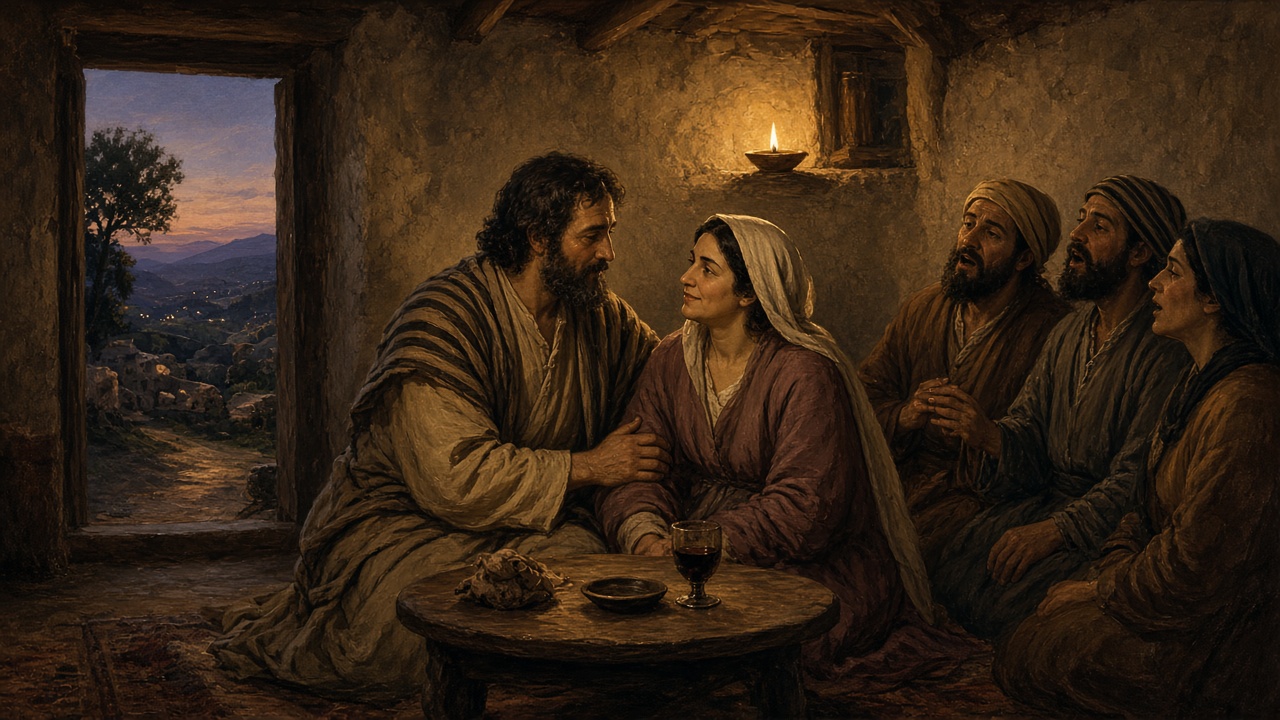
Love, light, and the household
- Ephesians 5 opens by calling readers to imitate God as beloved children and to walk in love, just as Christ loved them and gave himself up for them as a fragrant sacrificial offering to God.Sources: the Bible text itself
- The chapter says its readers were once darkness but are now light in the Lord, and that the fruit of the light is all goodness, righteousness, and truth. It also cites a saying that calls the sleeper to wake and rise from the dead, promising that Christ will shine on that person.Sources: the Bible text itself
- A call to submit to one another out of reverence for Christ introduces the instructions for wives and husbands. Husbands are told to love their wives as Christ loved the church and gave himself up for her, and the chapter calls the union of husband and wife a profound mystery concerning Christ and the church.Sources: the Bible text itself
Notes written with AI assistance from open sources (Theographic Bible Metadata, CC BY-SA 4.0; Easton’s Bible Dictionary, public domain) and reviewed before publishing.
Credits and license for this translation
Ʉbhʉragɨ Ubhuhya Mʉkɨgambʉ chi Ikikiizʉ
Ikizu: Ʉbhʉragɨ Ubhuhya Mʉkɨgambʉ chi Ikikiizʉ (New Testament+) for Tanzania
copyright © 2024 Wycliffe Bible Translators, Inc.
Language: (Ikizu)
Contributor: Wycliffe USA
This translation is made available to you under the terms of the
Creative Commons Attribution Share-Alike license 4.0.
You have permission to share and redistribute this Bible translation in any format and to make reasonable revisions and adaptations of this translation, provided that:
You include the above copyright and source information.
If you make any changes to the text, you must indicate that you did so in a way that makes it clear that the original licensor is not necessarily endorsing your changes.
If you redistribute this text, you must distribute your contributions under the same license as the original.
Pictures included with Scriptures and other documents on this site are licensed just for use with those Scriptures and documents.
For other uses, please contact the respective copyright owners.
Note that in addition to the rules above, revising and adapting God's Word involves a great responsibility to be true to God's Word. See Revelation 22:18-19.
2025-05-03
Source: http://ebible.org/ikz/ · eBible.org