Colossians 3
Ʉbhʉragɨ Ubhuhya Mʉkɨgambʉ chi Ikikiizʉ · Tap a verse to see its cross-references.
1Nangʉ, kʉ kʉbha muryukirɨ hamwɨmwɨ na Kiriisitʉ, momohye amangʼana ga mwisaarʉ ɨnʉ Kiriisitʉ ikɨɨrɨ, ʉrʉbhaara rwu ubhuryʉ rwa Mungu. 2Mwiseege amangʼana ganʉ gari mwisaarʉ, mutiiseega ganʉ garɨ kʉʉsɨ, 3kʉ kʉbha mʉkakwa nʉ ʉbhʉhʉru bhwanyu bhubhisirwɨ hamwɨmwɨ na Kiriisitʉ kwa Mungu, 4ewe newe ʉbhʉhʉru bhwanyu. Hanʉ arerorekanɨ, neho na niimwɨ mʉraarorekanɨ hamwɨmwɨ nawe mubhwɨrʉ bhwazɨ.
5Mmbe, mutigɨ amangʼana gʉʉsi ga kʉʉsɨ ganʉ garɨ kʉbhaniimwɨ, ɨtaarʉ, umwʉyʉ ʉmʉbhɨ, amiisɨɨgi amabhɨ, nu umwʉyʉ gwe ebhegero. Kʉbha nu umwʉyʉ gwe ebhegero kutuubhɨɨnɨ no okosengera amasambwa. 6Amangʼana gayo, nego gakokora Mungu atɨnɨrɨ abhaatʉ bhanʉ bhatakumwigwa. 7Ɨkarɨ, imwʉsi mwarɨ muriikara kʉrɨngʼaana na amangʼana gayo, hanʉ mwarɨ kugwatana na abhaatʉ ncha bhayo. 8Nawe nangʉ mutigɨ amangʼana gayo gʉʉsi, hamwɨmwɨ nʉ ʉbhʉrʉrʉ, ubhwigatani, ʉbhʉbhɨ, amatuki na ganʉ gatakwenderwa muminywa janyu. 9Mutiibhʉʉrɨra ʉrʉrɨmɨ, kʉ kʉbha mutigirɨ ubhwikari bhwɨ ɨkarɨ hamwɨmwɨ na amahocha gaaku, 10na mwibhʉhirɨ obhoronge ubhuhya. Mungu umwene akateema obhoronge bhuyo, na arangʼeha kokora bhutuubhanɨ bhʉkʉngʼu neewe, korereke mʉtʉrɨ komomenya bhwaheene. 11Hanʉ bhʉtareeho bhwahʉkani gatɨ wʉ Ʉmʉyaahudi na wʉnʉ atarɨ Ʉmʉyaahudi, wʉnʉ asaarirwɨ na wʉnʉ atasaarirwɨ, umugini hamwɨ umushɨnzi, mbʉʉsa nu umwiyagaaruri. Nawe Kiriisitʉ newe gʉʉsi kwa gʉʉsi, ewe arɨ kʉbhaniimwɨ.
12Nangʉ, kʉ kʉbha imwɨ mʉbhɨɨrɨ abharobhorwa bha Mungu, na abharɨndu abhasɨɨgwa, mʉbhɨ nu umwʉyʉ gwɨ ɨbhɨgʉngi, ʉbhʉzʉmu, ubhusuuku, ʉbhʉnyʉʉhu nu ubhwigumirirya. 13Arɨɨbhɨ wʉmwɨ waanyu ana ringʼana nʉ ʉmʉkɨndichazɨ, mwigege na kwibheerera. Moreenderwa kwibheerera chɨmbu Ʉmʉkʉrʉ aabhabhɨɨrɨɨrɨ. 14Kʉkɨra gayo gʉʉsi mʉsɨɨganɨ, kʉ kʉbha ʉbhʉsɨɨgi nebhwe bhukugwatanʼya bhʉʉsi mubhumwɨmwɨ bhʉnʉ bhʉnagirɨ. 15Omorembe gwa Kiriisitʉ gʉkangatɨ mumyʉyʉ janyu, kʉ kʉbha negwe mubhirikiriirwɨ kʉmʉbhɨrɨ gʉmwɨ. Na mʉbhɨ mʉrakumya Mungu. 16Ringʼana rya Kiriisitʉ ryikarɨ kwa bhwaru kʉbhaniimwɨ, ɨnʉ muriiyija na kwiyangirija kubhwʉbhʉʉri bhwʉsi. Mwɨmbɨrɨ Mungu kumyʉyʉ janyu na kumukumya, kwa zabhuri, amɨɨmbʉ na zɨtɨnzi za mokoro.
17Gʉgʉʉsi ganʉ mʉkʉgamba hamwɨ kokora, mokore kuriina ryʉ Ʉmʉkʉrʉ Yɨɨsu, mʉrabhʉʉrɨra Bhaabha Mungu azʉmiryɨ kʉhɨtɨra kwawɨ.
Ubhwikari ʉbhʉzʉmu muzinyumba za Abhakiriisitʉ
18Abhakari imwɨ, mʉsʉʉkɨ abhasubhɨ bhaanyu, chɨmbu ikwenderwa kʉbhaatʉ bhanʉ bhakwisirirya Ʉmʉkʉrʉ Yɨɨsu. 19Na niimwɨ abhasubhɨ, mʉsɨɨgɨ abhakari bhaanyu, mʉtabha bhahaari kwebho. 20Na niimwɨ abhaana, mʉsʉʉkɨ abhiibhuri bhaanyu kʉmangʼana gʉʉsi, kʉ kʉbha okokorabhu kʉrazomera Ʉmʉkʉrʉ Yɨɨsu. 21Na niimwɨ bha bhaabha, moteendeerya abhaana bhaanyu, korereke bhataaza kukwa imyʉyʉ. 22Na niimwɨ bhambʉʉsa, mʉsʉʉkɨ abhakʉrʉ bhaanyu komeremo jʉsi. Mokorebhu, ɨtarɨ hanʉ bhakʉbharora korereke mwikombe kwabhʉ, nawe mʉbhasʉʉkɨ ribhaga ryʉsi kʉbhʉgʉrʉrʉku bhu umwʉyʉ, kʉ kʉbha mʉrasengera Ʉmʉkʉrʉ Yɨɨsu. 23Ryʉryʉsi rɨnʉ mʉrakora, mokore kumwʉyʉ, chɨmbu mokohokerya Ʉmʉkʉrʉ, ɨtarɨ abhaatʉ. 24Muhiitɨ kʉbha arabhaha ʉmʉbhanʉ gwɨ ɨgabhʉ. Kwɨbhu mohokerye Ʉmʉkʉrʉ Kiriisitʉ. 25Nawe wʉwʉʉsi wʉnʉ akokora amabhɨ arasʉngʼaana kʉrɨngʼaana nʉ ʉbhʉbhɨ bhwazɨ, kʉ kʉbha Ʉmʉkʉrʉ ataana kɨmbʉrʉʉri.
Did you know?
New life in one body and at home
- This chapter pictures a changed life as a change of clothing. Readers are said to have taken off the old self with its practices and put on the new self, which is being renewed in knowledge in the image of its Creator. They are then told to clothe themselves with hearts of compassion, kindness, humility, gentleness, and patience, and to put on love over all these virtues as the bond of perfect unity.Sources: the Bible text itself
- The chapter lists Greek and Jew, circumcised and uncircumcised, barbarian, Scythian, slave and free, and declares that here none of these distinctions remains, because Christ is all and is in all.Sources: the Bible text itself
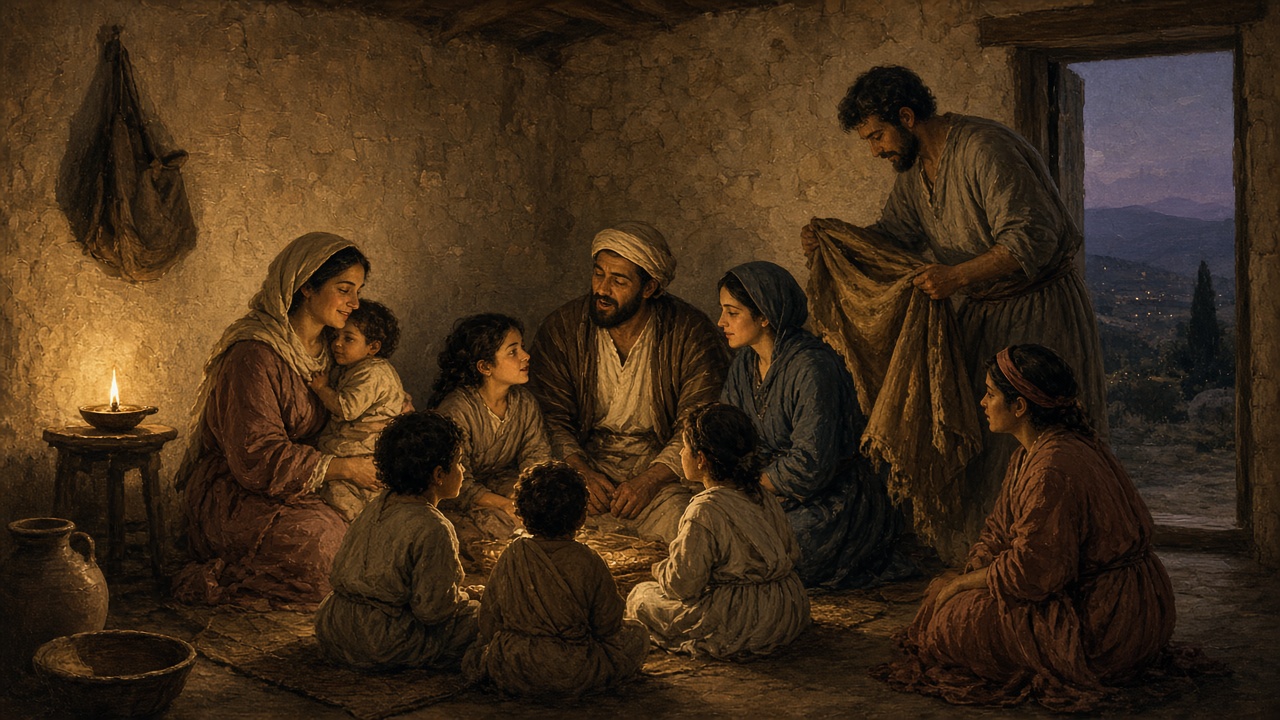
- The chapter then gives instructions for household relationships: wives and husbands, children and parents, and slaves and their earthly masters. Fathers are warned not to provoke their children, so that the children will not become discouraged. Slaves are told to obey with sincerity of heart, not only while they are being watched, and to work with their whole being for the Lord rather than for men, with the promise of an inheritance from the Lord as a reward; whoever does wrong will be repaid, and there is no favoritism.Sources: the Bible text itself
Notes written with AI assistance from open sources (Theographic Bible Metadata, CC BY-SA 4.0; Easton’s Bible Dictionary, public domain) and reviewed before publishing.
Credits and license for this translation
Ʉbhʉragɨ Ubhuhya Mʉkɨgambʉ chi Ikikiizʉ
Ikizu: Ʉbhʉragɨ Ubhuhya Mʉkɨgambʉ chi Ikikiizʉ (New Testament+) for Tanzania
copyright © 2024 Wycliffe Bible Translators, Inc.
Language: (Ikizu)
Contributor: Wycliffe USA
This translation is made available to you under the terms of the
Creative Commons Attribution Share-Alike license 4.0.
You have permission to share and redistribute this Bible translation in any format and to make reasonable revisions and adaptations of this translation, provided that:
You include the above copyright and source information.
If you make any changes to the text, you must indicate that you did so in a way that makes it clear that the original licensor is not necessarily endorsing your changes.
If you redistribute this text, you must distribute your contributions under the same license as the original.
Pictures included with Scriptures and other documents on this site are licensed just for use with those Scriptures and documents.
For other uses, please contact the respective copyright owners.
Note that in addition to the rules above, revising and adapting God's Word involves a great responsibility to be true to God's Word. See Revelation 22:18-19.
2025-05-03
Source: http://ebible.org/ikz/ · eBible.org