Acts 24
Ʉbhʉragɨ Ubhuhya Mʉkɨgambʉ chi Ikikiizʉ · Tap a verse to see its cross-references.
Paaurʉ mʉbhʉtangɨ bhwa Fɨriiki
1Hanʉ zaahitirɨ zisikʉ isaanʉ, kuhaani ʉmʉkʉrʉ Ananiya akahiringita kuja kʉrʉbhɨri rwa Kaisaariya. Aarɨ hamwɨmwɨ na abhakaruka bhorebhe bha Abhayaahudi, nu umwimiiririri wʉmwɨ wa abhaatʉ ni imigirʉ, arabhirikirwa Tɨrituurʉ. Bhakaja kʉgamba Paaurʉ kumwanangwa Fɨriiki. 2Hanʉ Paaurʉ aabhirikiirwɨ, Tɨrituurʉ akatanga kʉgamba amangʼana gʉkʉmʉgamba, akabhuga, “Umugungwa Fɨriiki, kwibhaga irɨɨhu tʉzʉmɨrɨɨrwɨ omorembe, na kʉbhʉkangati bhwazʉ amangʼana maaru mabhɨ garazʉmibhwa mucharʉ kɨnʉ. 3Tʉragiisirirya ibhaga ryʉsi, hagero hʉhʉʉsi, na kwa bhusuuku bhwʉsi. 4Nangʉ nɨtaaza kokora unihɨ, nɨrakʉsabha utwitegeerere hasuuhu.
5“Tʉrʉʉzɨ kʉbha ʉmʉʉtʉ wʉnʉ nɨ‑mʉsɨɨgʉ, arasiigirirya Abhayaahudi bhakore rirɨgɨ abheene kobheene kʉzɨɨsɨ ɨzɨndɨ zʉʉsi. Ewe newe ʉmʉkangati ʉmʉkʉrʉ wɨ ɨnyangi ya Abhanazarɨɨti. 6Naatu akagema kubhuruurya rihekaaru, tʉkamugwata, [tokeenda kʉmʉtɨnɨra kʉrɨngʼaana ni imigirʉ jɨtʉ. 7Nawe ʉmʉkʉrʉ wa abhasirikarɨ Rusiya, akaaza akamuruusha kwa niitwɨ kwa nguru. 8Akabhaswaja bhanʉ bhakʉmʉgamba, bhaazɨ mʉbhʉtangɨ bhwazʉ, bhamʉgambɨ kwa naawɨ.] Hanʉ aumwene ukumubhuurya ʉratʉra kwobhoora kurwa kwawe amangʼana ganʉ gakugirya tʉmʉgambɨ.” 9Abhayaahudi abhandɨ bhʉʉsi bhakiisirirya, amangʼana gʉʉsi ga Tɨrituurʉ, nɨ‑ga amaheene.
10Hanʉ umwanangwa Fɨriiki ʉrʉtirɨ Paaurʉ ichara korereke yiibhagɨrɨ, ewe akabhuga, “Nɨmɨnyirɨ kʉbha awɨ waarɨ umutiniri kucharʉ kɨnʉ kumyaka myaru, nangʉ niriibhagɨra inyimwene mʉbhʉtangɨ bhwazʉ kobhozomerwa. 11Aumwene ʉratʉra komenya kʉbha, zɨkɨɨrɨ kʉhɨta zisikʉ ikumi ni ibhɨrɨ kwɨma nijɨ Yɨrusarɨɨmu kosengera Mungu. 12Bhanʉ bhakʉngamba bhatambwɨnɨ nɨrahakaana na mʉʉtʉ wʉwʉʉsi mwihekaaru. Bhatambwɨnɨ nɨrasiigirirya iribhita rya abhaatʉ mʉmarwazɨrʉ ga Abhayaahudi hamwɨ ʉrʉbhaara rwʉrwʉsi rurya rwʉ ʉrʉbhɨri ruyo. 13Bhatakʉtʉra nʉʉrʉ kuhurucha amaheene ga amangʼana ganʉ gakugirya bhangambɨ.
14“Nawe niriisirirya, inyɨ nɨrasengera Mungu wʉnʉ bhasʉʉkʉrʉ bhaasɨngɨɨrɨ, kʉnzɨra ya Yɨɨsu, yɨnʉ ebho bhakʉbhɨrɨkɨra, ɨnyangi yʉ ʉrʉrɨmɨ. Niriisirirya ebhegero bhyʉsi bhɨnʉ bhikwisiriranʼya ni imigirʉ ja Musa na kɨnʉ chandikirwɨ mʉbhɨtabhʉ bhya Abharʉʉtɨrɨri. 15Inyɨ ninu ubhwisɨgi kwa Mungu, bhʉnʉ bhʉʉsi bhakwisega kʉbha, araryʉra abhaku bhʉʉsi, bhe eheene na bhanʉ bhatarɨ bhe eheene. 16Kʉgayo niriinarya kʉbha ne ekoro ɨnzɨrʉ mʉbhʉtangɨ bhwa Mungu na mʉbhʉtangɨ bhwa abhaatʉ sikʉ zʉʉsi.
17“Imyaka myaru gihitirɨ nɨtaarɨ Yɨrusarɨɨmu, nɨkagarʉka hayo korereke koreeta ʉbhʉsakirya kʉbhaatʉ bhi icharʉ chanɨ na kuhurucha ikimweso kwa Mungu. 18Hanʉ bhambwɨnɨ mwihekaaru nɨrakora ʉbhʉsɨngɨri bhuyo, naarɨ nɨmarirɨ kwibhɨngukya, na nɨtaarɨ nɨrasikɨra muyo na abhaatʉ bhaaru, na nɨtaakʉrirɨ irɨgɨ ryʉryʉsi. Nawe bhaarɨ bhareho Abhayaahudi obhorebhe kurwa icharʉ cha Asiya. 19Nebho bhɨɨndirwɨ bhagambɨ ringʼana ryʉryʉsi rɨnʉ bhanaryʉ igʉrʉ waanɨ. 20Hamwɨ abhaatʉ bhanʉ bharɨ hanʉ, bhagambɨ, nɨ‑bhʉbhɨkɨ bhʉnʉ bhaabhubhwɨnɨ kwa niinyɨ hanʉ bhaanyimiiriiryɨ mʉbhʉtangɨ bhwi ichandarʉ chabhʉ. 21Hamwɨ bhakarora kɨbhɨ hanʉ nagambirɨ kwiraka ikʉrʉ mʉbhʉtangɨ bhwabhʉ kʉbha, ‘Inyɨ nɨratinirwa mʉbhʉtangɨ bhwazʉ reero kʉ kʉbha niriisirirya kʉbha abhaku bhararyʉka.’ ”
22Neho Fɨriiki, wʉnʉ aarɨ amɨnyirɨ bhwaheene amangʼana gɨ ɨnzɨra ya Yɨɨsu, akakubhya ikiina, akabhuga, “Nɨratɨnɨra ikiina chanyu, hanʉ ʉmʉkʉrʉ wa abhasirikarɨ Risiya araahikɨ hanʉ.” 23Fɨriiki akatʉma ʉmʉkʉrʉ wa abhasirikarɨ ʉwʉndɨ amuriibhɨ Paaurʉ, nawe amohe umweya, na abhasaani bhaazɨ bhiisiriribhwɨ kʉmʉsakirya.
Paaurʉ mʉbhʉtangɨ bhwa Fɨriiki na Durusiira
24Hanʉ zaahitirɨ zisikʉ suuhu, Fɨriiki akaaza hamwɨmwɨ na Durusiira, ʉmʉkari waazɨ wɨ Ɨkɨyaahudi. Akatʉma abhaatʉ bhabhɨrɨkɨrɨ Paaurʉ, korereke amwitegeerere ribhaga rɨnʉ akʉgamba igʉrʉ wu ubhwisirirya kwa Yɨɨsu Kiriisitʉ. 25Hanʉ Paaurʉ aarɨ akongʼeha kʉgamba igʉrʉ we eheene nʉ ʉkʉbha ne ekerengo, nɨ ɨtɨnɨrʉ yɨnʉ ikuuza, Fɨriiki akʉʉbhaha na kʉgamba, “Gayo giisirɨ nangʉ! Ʉratʉra kuja, nɨraabhone ribhaga nɨrakʉbhɨrɨkɨra naatu.” 26Hamwɨmwɨ na gayo, Fɨriiki akiisega kʉbha arahaabhwa zimpirya na Paaurʉ, akamʉbhɨrɨkɨra manga kaaru kʉgambana neewe.
27Hanʉ jahitirɨ imyaka ɨbhɨrɨ, Pʉriikiyʉ Fɨsitʉ akagwata ikitumbɨ chʉ ʉbhʉkʉrʉ cha Fɨriiki. Na kʉ kʉbha Fɨriiki aarɨ areenda kwikomba Abhayaahudi, akatiga Paaurʉ arɨ mokebhoho.
Did you know?
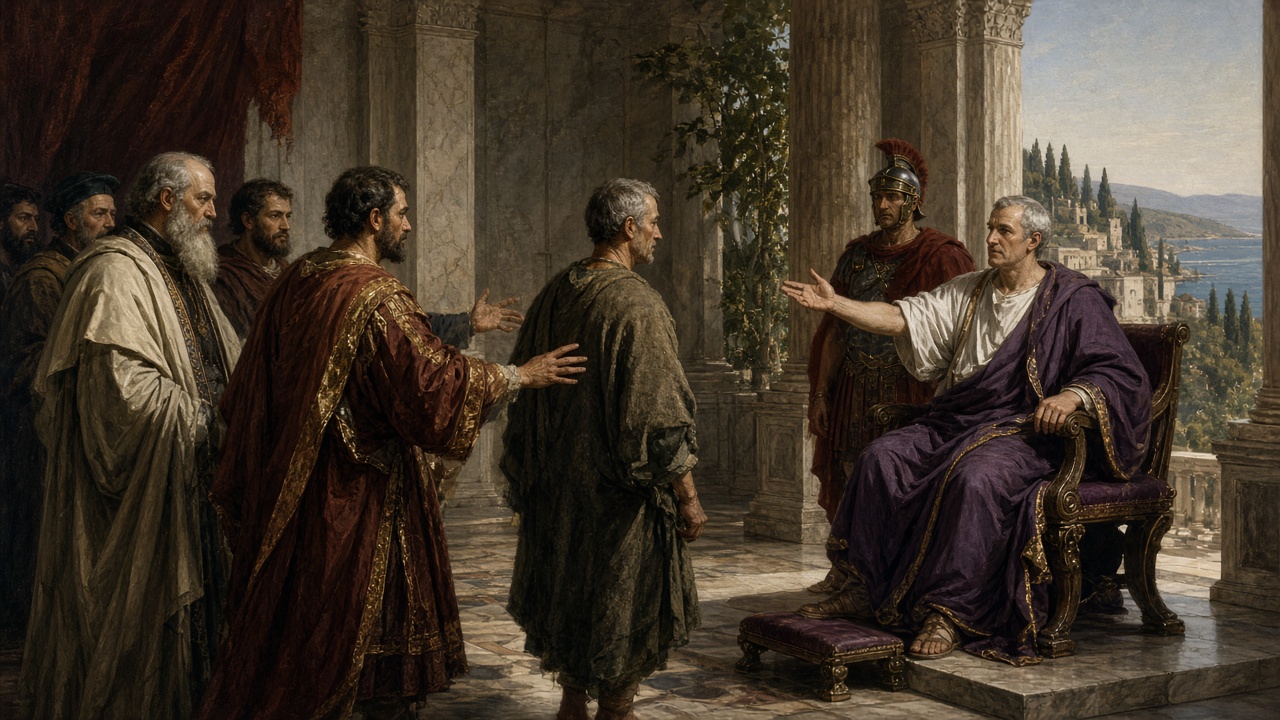
Paul before Felix
- The high priest Ananias came down with some elders and a lawyer named Tertullus, whom Easton's Bible Dictionary describes as a Roman advocate employed by the Jews to state their case against Paul before Felix. Tertullus praised the governor and then called Paul a pestilence who stirred up dissension among the Jews all over the world, a ringleader of the sect of the Nazarenes, and a man who had tried to desecrate the temple. The dictionary links that opening praise with Felix's clearing the country of bandits and impostors.Sources: the Bible text itself · Tertullus · Felix
- Felix, who was well informed about the Way, adjourned the hearing and kept Paul under guard, while allowing him some freedom and letting friends meet his needs. The account says he hoped Paul would offer a bribe and so sent for him often; Easton's Bible Dictionary likewise says he appears to have expected a bribe and therefore held several interviews with him. After two years Porcius Festus succeeded him—Easton's Bible Dictionary (1897) dates that appointment to A.D. 60—and, wishing to do the Jews a favor, Felix left Paul in prison.Sources: the Bible text itself · Felix · Portius Festus
- Several days later Felix returned with his wife Drusilla, who was Jewish, and listened as Paul spoke about faith in Christ Jesus and about righteousness, self-control, and the coming judgment; Felix became frightened and sent him away. Easton's Bible Dictionary (1897) identifies Drusilla as the third and youngest daughter of Herod Agrippa I and says Felix induced her to leave her husband, Azizus, king of Emesa. The same entry says that she and her son perished in the eruption of Mount Vesuvius in A.D. 79.Sources: the Bible text itself · Drusilla
Notes written with AI assistance from open sources (Theographic Bible Metadata, CC BY-SA 4.0; Easton’s Bible Dictionary, public domain) and reviewed before publishing.
Places in this chapter
- Caesarea · Today: Caesarea Maritima · 32.500, 34.892 · verse 1
- Jerusalem · 31.777, 35.234 · verses 11, 17
- Asia · 38.400, 28.300 · verse 18
Only places identified with high confidence are shown (90% or more according to the scholarly sources compiled by OpenBible). Period map: DARE (Digital Atlas of the Roman Empire), CC BY 4.0; modern map: © OpenStreetMap contributors; places: OpenBible.info (CC BY 4.0).
Credits and license for this translation
Ʉbhʉragɨ Ubhuhya Mʉkɨgambʉ chi Ikikiizʉ
Ikizu: Ʉbhʉragɨ Ubhuhya Mʉkɨgambʉ chi Ikikiizʉ (New Testament+) for Tanzania
copyright © 2024 Wycliffe Bible Translators, Inc.
Language: (Ikizu)
Contributor: Wycliffe USA
This translation is made available to you under the terms of the
Creative Commons Attribution Share-Alike license 4.0.
You have permission to share and redistribute this Bible translation in any format and to make reasonable revisions and adaptations of this translation, provided that:
You include the above copyright and source information.
If you make any changes to the text, you must indicate that you did so in a way that makes it clear that the original licensor is not necessarily endorsing your changes.
If you redistribute this text, you must distribute your contributions under the same license as the original.
Pictures included with Scriptures and other documents on this site are licensed just for use with those Scriptures and documents.
For other uses, please contact the respective copyright owners.
Note that in addition to the rules above, revising and adapting God's Word involves a great responsibility to be true to God's Word. See Revelation 22:18-19.
2025-05-03
Source: http://ebible.org/ikz/ · eBible.org