Acts 12
Ʉbhʉragɨ Ubhuhya Mʉkɨgambʉ chi Ikikiizʉ · Tap a verse to see its cross-references.
Peetero aratuurwa mokebhoho
1Kuzisikʉ ziyo, ʉmʉtɨmi Heroode Agiripa akatanga kʉbhanyaacha abhiisirirya obhorebhe bha risengerero rya Yɨrusarɨɨmu. 2Akaswaja Yaakobho umuhiiri waazɨ Yoohana, iitwɨ kwɨ ɨpanga. 3Hanʉ aarʉʉzɨ kʉbha ɨngʼana yiyo ɨbhazʉmɨɨrɨ Abhayaahudi, akaswaja Peetero wʉʉsi agwatwɨ. Gayo gakakorebhwa ribhaga ryi isigukuru yɨ Ɨmɨkaatɨ Gɨnʉ Gɨtarɨ Mitunduuru. 4Hanʉ bhaamarirɨ kugwata Peetero, Heroode akaswaja atuurwɨ mokebhoho. Akamʉtʉʉra mʉmabhoko ga amaribhita ane ga abhasirikarɨ bhane bhane, korereke bhamuriibhɨ bhwaheene. Akeenda kʉmʉtɨnɨra mʉbhʉtangɨ bhwa abhaatʉ, hanʉ ɨraahɨtɨ isigukuru yɨ Ɨpasaka. 5Peetero aarɨ abhʉhirwɨ mokebhoho, nawe risengerero ryarɨ rɨramʉsabhɨra bhʉkʉngʼu kwa Mungu.
6Ubhutikʉ bhwu urusikʉ rʉnʉ Heroode aarɨ ɨndirɨ kuhurucha Peetero bhʉkahika. Ewe aarɨ ahindiirɨ gatɨgatɨ wa abhasirikarɨ bhabhɨrɨ, naatu aarɨ asibhikirwɨ ne emenyororo ɨbhɨrɨ. Abhasirikarɨ abhandɨ bhaarɨ igʉtʉ wi ikisikʉ bharariibha. 7Hayohayo, maraika wʉ Ʉmʉkʉrʉ akiimɨɨrɨra ʉrʉbhaara rʉnʉ Peetero aarɨ, ubhwɨrʉ bhʉkabhanza ɨgatɨ muyo. Maraika wuyo akabhaatʉra Peetero mʉrʉbharu, akamʉpambʉra, aramʉbhʉʉrɨra, “Gororoka bhwangʉ!” Ibhaga riyoriyo emenyororo ja kʉmabhoko gaazɨ gɨkatɨnɨka, gɨkagwa haasɨ.
8Neho maraika akamʉbhʉʉrɨra, “Ibhoha zengebho zaazʉ ni ibhikwɨra bhyazʉ.” Peetero akakora chɨmbu maraika aamubhuuriirɨ. Akʉmara maraika akamʉbhʉʉrɨra, “Wiibhohe nɨ ɨkanzʉ yaazʉ, untunɨ!” 9Peetero akamutuna maraika wurya, bhakarwa mokebhoho, nawe Peetero ataamɨnyirɨ kʉbha ɨbhɨsɨgʉ bhiyo bhyʉsi bhya maraika bhyarɨ bhya amaheene, akakina kʉbha araroota. 10Peetero na maraika wuyo bhakahɨta kumuriibhi we embere na wa kabhɨrɨ, bhakahika kukisikʉ chi ichʉma chu ukusikɨrɨra kʉrʉbhɨri. Ikisikʉ kiyo kikiigʉka ichene, bhakarwa mokebhoho na kusikɨra mʉrʉbhɨri. Bhakahɨta kwipanda rɨmwɨ, neho maraika wuyo akataana na Peetero.
11Neho Peetero akoobhoora kwa ganʉ gaamuhurukiirɨ, akabhuga, “Nangʉ nʉbhʉʉrirɨ obhoheene kʉbha, Ʉmʉkʉrʉ atumirɨ maraika waazɨ, akantuurya kurwa mʉmabhoko ga Heroode na kurwa kʉmabhɨ gʉʉsi ganʉ Abhayaahudi bhaasɨɨmiryɨ bhankorere!”
12Hanʉ Peetero ʉʉbhʉʉrirɨbhu, akaja wa Mariyamu unina Yoohana, wʉnʉ aarɨ arabhirikirwa Maaroko. Mumujɨ hayo, neho abhiisirirya bhaaru bhaarɨ bhiibhiringirɨ, bharasabhɨra Peetero kwa Mungu. 13Peetero akahuna ikisikʉ, muucha wʉmwɨ omohocha, iriina ryazɨ Rooda, akaaza kwigʉra ikisikʉ. 14Hanʉ ʉbhʉʉrirɨ kʉbha ni‑raka rya Peetero, akazomerwa bhʉkʉngʼu, akɨɨbha kumwigʉrɨra, akaryara kʉgarʉka mʉʉsi. Akabhabhʉʉrɨra bhʉʉsi kʉbha, “Peetero imiiriirɨ kukisikʉ!”
15Bhakamʉbhʉʉrɨra, “Awɨ ʉsarirɨ?” Nawe umuucha wuyo akakandikija kʉgamba nɨmbu ɨrɨ. Bhakabhuga, “Wuyo nɨ‑maraika waazɨ.”
16Ribhaga riyo Peetero aarɨ arakaja kuhuna ikisikʉ. Hanʉ bhiigwirɨ ikisikʉ, bhakamorora, bhakarʉgʉʉra bhʉkʉngʼu. 17Peetero akabhanʉngɨra okobhoko bhakirɨ, akabhaganɨra chɨmbu Ʉmʉkʉrʉ Yɨɨsu amuruushiryɨ mokebhoho. Neho akabhabhʉʉrɨra, “Amangʼana gayo, mʉbhʉʉrɨrɨ Yaakobho na abhiisirirya abhandɨ.” Akʉmara Peetero akarwa hayo, akaja ahandɨ.
18Hanʉ bhwakɨɨrɨ, abhasirikarɨ bhi inyumba ye ekebhoho bhakʉʉbhaha bhʉkʉngʼu igʉrʉ wa amangʼana ganʉ gaamubhwɨnɨ Peetero. 19Heroode akaswaja abhasirikarɨ bhaazɨ bhamohye Peetero, nawe atarʉrɨkɨɨnɨ. Akabhabhuurya abhasirikarɨ bhanʉ bhaarɨ bhakumuriibha, neho akaswaja bhiitwɨ.
Akʉmara Heroode akarwa Yudeya hayo, akaja kʉrʉbhɨri rwa Kaisaariya, akiikarayo kwibhaga.
Ukukwa kʉmʉtɨmi Heroode
20Ʉmʉtɨmi Heroode aarɨ abhiigataniirɨ bhʉkʉngʼu abhaatʉ bhʉ ʉrʉbhɨri rwa Tiiro na Sidʉʉni. Abhaatʉ bhayo bhakiisiriranʼya hamwɨmwɨ, bhakatʉma abhaatʉ kwa Heroode kʉmʉsabha, bhiigwanɨ bhabhɨ no omorembe, kʉ kʉbha zɨmbɨri zaabhʉ zaarɨ zɨrabhona ibhyakurya kurwa ɨɨsɨ ya Heroode. Abhaatʉ bhayo bhakiisasaama Bhurasito, wʉnʉ aarɨ umwimiiririri wi inyumba yʉ ʉmʉtɨmi Heroode, iisiriranʼyɨ nabhʉ mʉbhʉtangɨ bhwa Heroode.
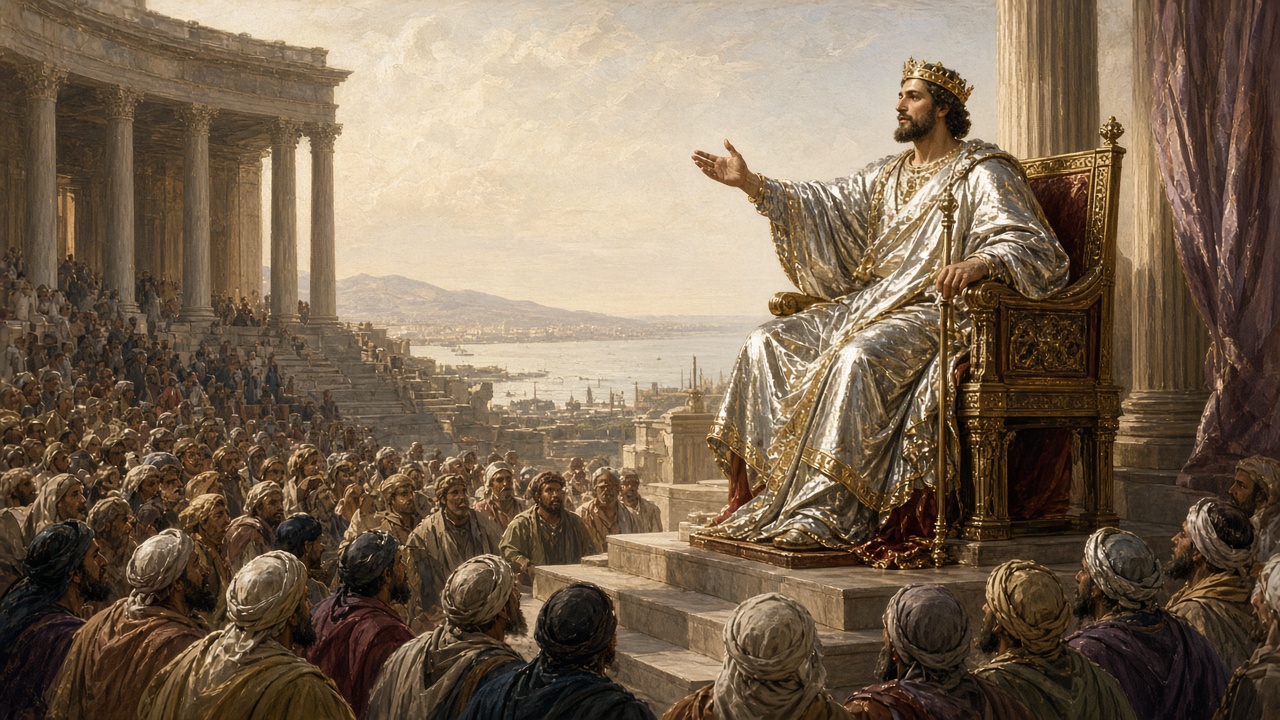
21Urusikʉ rʉnʉ rwarɨ rʉrʉbhwɨrwɨ, ʉmʉtɨmi Heroode akiibhoha zengebho zaazɨ zɨ ɨkɨtɨmi, akiikara kukitumbɨ chazɨ chɨ ɨkɨtɨmi, akarwaza mʉbhʉtangɨ bhwa abhaatʉ bhayo. 22Neho abhaatʉ bhayo bhakazomerwa na kʉrɨgɨsa bharabhuga, “Rɨnʉ rɨtarɨ iraka rya mʉʉtʉ! Rɨnʉ ni‑raka rya mungu!” 23Rogendo rʉmwɨ maraika wʉ Ʉmʉkʉrʉ akatema Heroode kubhurwɨrɨ bhwa rikʉʉrimʉ, kʉ kʉbha atamukumiryɨ Mungu, akakwa.
24Nawe ɨngʼana ya Mungu ɨkakaja kʉnyaragana gatɨ wa abhaatʉ, abhiisirirya bhakaaruha bhʉkʉngʼu.
25Hanʉ Bharinaabha na Sauri bhaamarirɨ emeremo jabhʉ jʉ ʉkʉbhasakirya abhiisirirya bha mʉrʉbhɨri rwa Yɨrusarɨɨmu, bhakagega Yoohana wʉnʉ aarɨ arabhirikirwa Maaroko, bhakagarʉka neewe Antiyʉkiya.
Did you know?
Peter's escape and Herod's death
- The King Herod of this chapter is Herod Agrippa I, grandson of Herod the Great, who in time held his grandfather's entire kingdom and the title of king. He put James to death and imprisoned Peter. Easton's Bible Dictionary (1897) says that on the second day of a festival honoring the emperor Claudius, Agrippa appeared in the great theatre at Caesarea wearing magnificent silver robes; it was early in the day, and the sun's rays dazzled those who saw him.Sources: Herod Agrippa I · the Bible text itself
- The James killed with the sword was James the son of Zebedee, brother of the apostle John, a fisherman who had worked in partnership with Peter. Easton's Bible Dictionary (1897) calls him the first of the apostles to be put to death and says that Herod Agrippa had him beheaded. The James whom Peter tells the believers to notify is another man: the same dictionary identifies him as the James who headed the church in Jerusalem.Sources: James (Son of Zebedee) · James (Brother of Jesus) · the Bible text itself
- Once he knew he was free, Peter went to the house of Mary, mother of John Mark, in Jerusalem, which Easton's Bible Dictionary (1897) calls a common meeting place of the disciples; many people were gathered there praying. The servant who came to the outer gate was Rhoda, a name that means a rose; overjoyed at his voice, she ran inside to announce him and forgot to open the gate. John, also called Mark, was Mary's son—Mark, his Roman name, gradually replaced the Jewish name John—and he later left Jerusalem with Barnabas and Saul.Sources: Mary (Mother of John Mark) · Rhoda · John Mark · the Bible text itself
Notes written with AI assistance from open sources (Theographic Bible Metadata, CC BY-SA 4.0; Easton’s Bible Dictionary, public domain) and reviewed before publishing.
Places in this chapter
- Caesarea · Today: Caesarea Maritima · 32.500, 34.892 · verse 19
- Judea · Today: Judea 1 · 31.777, 35.234 · verse 19
- Sidon · Today: Sandikli archaeological site in Sidon · 33.561, 35.372 · verse 20
- Tyre · 33.271, 35.196 · verse 20
- Jerusalem · 31.777, 35.234 · verse 25
Only places identified with high confidence are shown (90% or more according to the scholarly sources compiled by OpenBible). Period map: DARE (Digital Atlas of the Roman Empire), CC BY 4.0; modern map: © OpenStreetMap contributors; places: OpenBible.info (CC BY 4.0).
Credits and license for this translation
Ʉbhʉragɨ Ubhuhya Mʉkɨgambʉ chi Ikikiizʉ
Ikizu: Ʉbhʉragɨ Ubhuhya Mʉkɨgambʉ chi Ikikiizʉ (New Testament+) for Tanzania
copyright © 2024 Wycliffe Bible Translators, Inc.
Language: (Ikizu)
Contributor: Wycliffe USA
This translation is made available to you under the terms of the
Creative Commons Attribution Share-Alike license 4.0.
You have permission to share and redistribute this Bible translation in any format and to make reasonable revisions and adaptations of this translation, provided that:
You include the above copyright and source information.
If you make any changes to the text, you must indicate that you did so in a way that makes it clear that the original licensor is not necessarily endorsing your changes.
If you redistribute this text, you must distribute your contributions under the same license as the original.
Pictures included with Scriptures and other documents on this site are licensed just for use with those Scriptures and documents.
For other uses, please contact the respective copyright owners.
Note that in addition to the rules above, revising and adapting God's Word involves a great responsibility to be true to God's Word. See Revelation 22:18-19.
2025-05-03
Source: http://ebible.org/ikz/ · eBible.org