2 Corinthians 9
Ʉbhʉragɨ Ubhuhya Mʉkɨgambʉ chi Ikikiizʉ · Tap a verse to see its cross-references.
Ʉbhʉsakirya kubhiisirirya bha Yɨrusarɨɨmu
1Nɨtaana ha kʉbhaandɨkɨra igʉrʉ wʉ ʉbhʉsakirya bhwanyu kwa abharɨndu bha Mungu, 2kʉ kʉbha nɨmɨnyirɨ munu umwʉyʉ gwʉ ʉkʉbhasakirya abhandɨ. Necho kikugirya niriikumya igʉrʉ waanyu kʉbhaatʉ bha Makɨdʉniya, nɨrabhabhʉʉrɨra, imwɨ abhaatʉ bhi icharʉ cha Akaaya, mukiihurucha kuhurucha kwɨma umwaka gʉnʉ gwahitirɨ. Umucha gwanyu gʉkʉrirɨ abhaaru gatɨ waabhʉ kʉbha nu umwʉyʉ gwu ukuhurucha. 3Mmbe, nɨratʉma abhakɨndichɨtʉ bhanʉ, korereke mʉtʉrɨ kwerecha maheene kʉbha mukiihurucha kuhurucha, chɨmbu nabhabhuuriirɨ abhaatʉ bha Makɨdʉniya. Nɨtakwenda amangʼana ganʉ niikumiiryɨ igʉrʉ waanyu, garorekanɨ gataana bhwera. 4Gayo gʉʉsi ɨtaaza kʉbha sʉni hanʉ niriizɨ kwa niimwɨ hamwɨmwɨ na Abhamakɨdʉniya abhandɨ na kobhona mʉkɨɨrɨ kʉbhanʉra, chɨmbu twarɨ nu ubhwisɨgi bhʉkʉrʉ kurwa kwa niimwɨ, na niimwɨ korora zɨsʉni bhʉkʉngʼu. 5Nangʉ nɨkarora nɨ‑bhwaheene nɨbhasabhɨ abhakɨndichɨtʉ bhanʉ bhakangatɨ kuuza kwa niimwɨ, korereke mʉtʉʉrɨ bhwaheene ebhegero chɨmbu mwaragirɨ kuhurucha. Kʉnzɨra yiyo mʉrabha muhurukiryɨ kwa kwenda imubheene, ɨtarɨ kwa kʉhatɨkwa.
Ukuhurucha ikimweso kumwʉyʉ gwo obhozomerwa
6Muhiitɨ ringʼana rɨnʉ, “Wʉnʉ akʉhamba bhisuuhu, aragesa bhisuuhu, na wʉnʉ akʉhamba bhyaru, aragesa bhyaru.” 7Abhaatʉ bhʉʉsi bhahuruchɨ chɨmbu bhɨɨndirɨ mumyʉyʉ jabhʉ, bhatahurucha kwa kwitiimaata hamwɨ kwa kʉhatɨkwa, kʉ kʉbha Mungu asɨɨgirɨ abhaatʉ bhanʉ bhakuhurucha kumwʉyʉ gʉmwɨ. 8Mungu aratʉra kʉbharorera ɨbhɨgʉngi kʉkɨra chɨmbu mukwenda, korereke ibhaga ryʉsi mʉbhɨ na bhyʉsi bhɨnʉ mukwenda, na mongʼehe kokora amazʉmu bhʉkʉngʼu. 9Chɨmbu yandikirwɨ mʉMaandɨkʉ Amarɨndu,
“Ahurukiryɨ kumwʉyʉ gwazɨ gwʉsi, ahɨɨrɨ abhahabhɨ,
ɨbhɨgʉngi bhyazɨ ni‑bhya kemerano.”
10Mungu newe akoha ʉmʉhambi zimbusurʉ zʉ ʉkʉhamba ni ibhyakurya. Ɨbhuɨbhu, arabhaha imwɨ zendetere zʉ ʉkʉhamba na kozoongera. Ewe arabhaha na kobhoongera ubhweryakoro. 11Arabhaha ubhuniibhi kwa gʉʉsi, korereke mʉtʉrɨ kʉbha bheeryakoro sikʉ zʉʉsi. Hayo neho abhaatʉ bhakukumya Mungu igʉrʉ we ebhegero bhɨnʉ tʉkʉbhahirɨra kurwa kwa niimwɨ. 12Ɨrabhabhu, kʉ kʉbha emeremo ju ubhweryakoro gɨnʉ mokokora, gɨtakʉsakirya abharɨndu bha Mungu bhanʉ bhasuuhiirwɨ abheene, nawe gɨragirya abhaatʉ bhaaru bhakumyɨ Mungu. 13Bharagʉnga Mungu, kʉ kʉbha emeremo janyu gereerecha imwɨ nɨ‑bhahocha bhazʉmu. Na bharamʉgʉnga kʉ kʉbha mwisiriiryɨ Ɨngʼana Ɨnzʉmu igʉrʉ wa Kiriisitʉ, na kʉ kʉbha yu ubhweryakoro bhwanyu bhwʉ ʉkʉbhasakirya ebho na abhaatʉ bhʉʉsi. 14Bharabha bharabhasabhɨra kwa Mungu, bhariigomba kʉbha hamwɨmwɨ na niimwɨ igʉrʉ wɨ ɨbhɨgʉngi bhɨnʉ Mungu abhahɨɨrɨ imwɨ. 15Akumibhwɨ Mungu kʉbhɨgʉngi bhyazɨ ɨbhɨkʉrʉ bhɨnʉ bhɨhɨtɨɨrɨɨnʼyɨ.
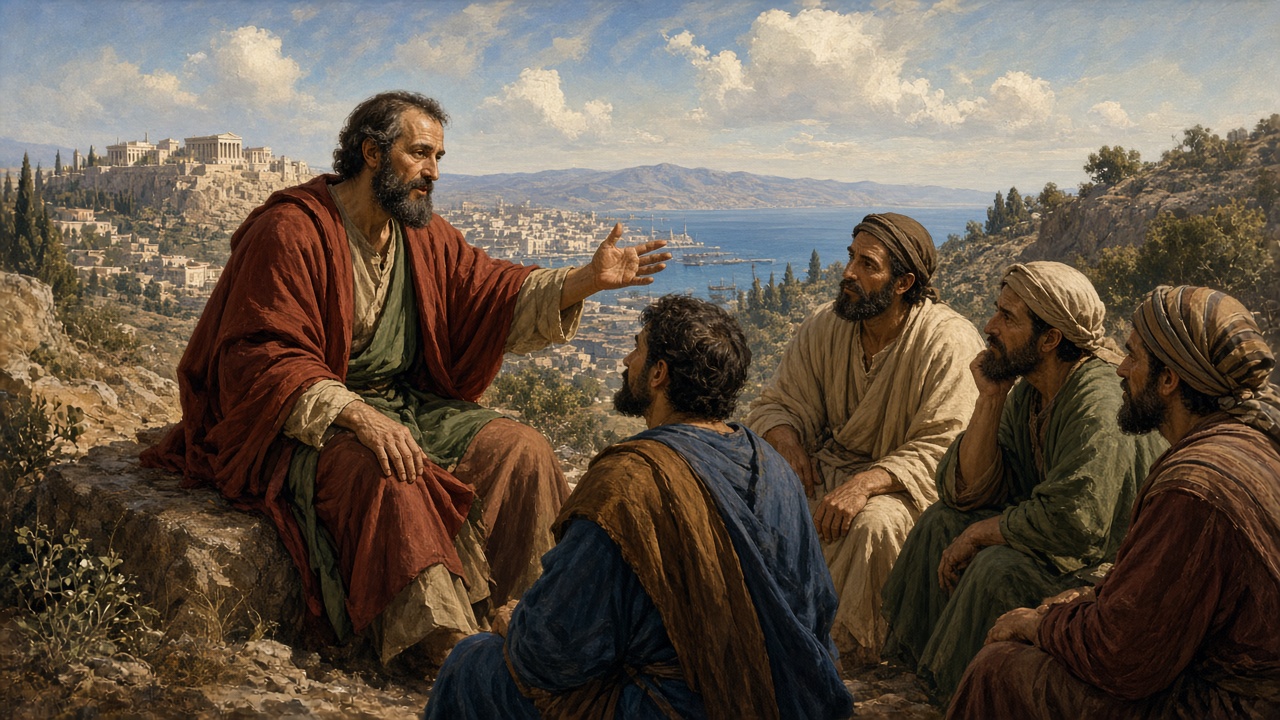
Did you know?
Generosity between Achaia and Macedonia
- Macedonia was a Roman province lying north of Greece, and Achaia was the other of the two provinces into which the Romans divided Greece, applying that name to the whole Peloponnesus and the south. Writing to believers in Achaia, Paul says he has been boasting to the Macedonians that they were ready to give.Sources: Macedonia · Achaia · the Bible text itself
- Paul says that since the previous year the people of Achaia had been ready to give, and that their zeal had stirred most of the Macedonians to do the same. He is sending the brothers ahead so that his boast about them will not prove empty if any Macedonians come with him and find them unprepared.Sources: the Bible text itself
- The name Achaia originally referred to a narrow strip of territory in Greece, northwest of the Peloponnesus. In the New Testament the name is always used in the later, wider sense that the Romans gave it, for the southern province as a whole.Sources: Achaia
Notes written with AI assistance from open sources (Theographic Bible Metadata, CC BY-SA 4.0; Easton’s Bible Dictionary, public domain) and reviewed before publishing.
Places in this chapter
- Jerusalem · 31.777, 35.234 · verses 1, 12
- Achaia · 38.720, 22.540 · verse 2
- Macedonia · 41.600, 22.540 · verses 2, 4
Only places identified with high confidence are shown (90% or more according to the scholarly sources compiled by OpenBible). Period map: DARE (Digital Atlas of the Roman Empire), CC BY 4.0; modern map: © OpenStreetMap contributors; places: OpenBible.info (CC BY 4.0).
Credits and license for this translation
Ʉbhʉragɨ Ubhuhya Mʉkɨgambʉ chi Ikikiizʉ
Ikizu: Ʉbhʉragɨ Ubhuhya Mʉkɨgambʉ chi Ikikiizʉ (New Testament+) for Tanzania
copyright © 2024 Wycliffe Bible Translators, Inc.
Language: (Ikizu)
Contributor: Wycliffe USA
This translation is made available to you under the terms of the
Creative Commons Attribution Share-Alike license 4.0.
You have permission to share and redistribute this Bible translation in any format and to make reasonable revisions and adaptations of this translation, provided that:
You include the above copyright and source information.
If you make any changes to the text, you must indicate that you did so in a way that makes it clear that the original licensor is not necessarily endorsing your changes.
If you redistribute this text, you must distribute your contributions under the same license as the original.
Pictures included with Scriptures and other documents on this site are licensed just for use with those Scriptures and documents.
For other uses, please contact the respective copyright owners.
Note that in addition to the rules above, revising and adapting God's Word involves a great responsibility to be true to God's Word. See Revelation 22:18-19.
2025-05-03
Source: http://ebible.org/ikz/ · eBible.org