1 John 3
Ʉbhʉragɨ Ubhuhya Mʉkɨgambʉ chi Ikikiizʉ · Tap a verse to see its cross-references.
Ukwikara ncha abhaana bha Mungu
1Morore chɨmbu Bhaabha Mungu atʉsɨɨgirɨ bhʉkʉngʼu, kʉbha itwɨ tubhirikirwɨ abhaana bhaazɨ! Maheene nɨmbu tʉrɨ. Nawe abhaatʉ bhanʉ bhatakwigwa Mungu, bhatakwobhoora kʉbha itwɨ, nɨ‑bhaana bha Mungu, kʉ kʉbha bhatamwɨzɨ ewe. 2Abhasɨɨgwa bhaanɨ, tʉmɨnyirɨ kʉbha nangʉ itwɨ nɨ‑bhaana bha Mungu, nawe ɨkɨɨrɨ komenyekana bhwaheene chɨmbu tʉrɨɨbhɨ hanʉ Kiriisitʉ arɨɨgarʉkɨ naatu. Nawe tʉmɨnyirɨ, tʉratuubhana neewe, kʉ kʉbha tʉramorora chɨmbu arɨ. 3Ʉmʉʉtʉ wʉwʉʉsi wʉnʉ akwisega kʉbha aratuubhana na Kiriisitʉ ahiibhɨngukya, korereke abhɨ mʉrɨndu ncha Kiriisitʉ.
4Wʉwʉʉsi wʉnʉ akokora ʉbhʉbhɨ, arasarya imigirʉ ja Mungu, kʉ kʉbha okokora ʉbhʉbhɨ, nekwe ʉkʉsarya imigirʉ. 5Mwɨzɨ kʉbha Kiriisitʉ akaaza kʉʉsɨ, korereke aruushɨ ʉbhʉbhɨ bhwɨtʉ. Naatu ewe ataana ʉbhʉbhɨ bhwʉbhwʉsi. 6Nangʉ ɨrɨ habhwɨrʉ, wʉwʉʉsi wʉnʉ akongʼeha kʉbha nu ubhumwɨmwɨ neewe, atakongʼeha kokora ʉbhʉbhɨ. Nawe wʉwʉʉsi wʉnʉ akongʼeha kokora ʉbhʉbhɨ, atɨɨzɨ Kiriisitʉ nɨ‑wɨɨwɨ, na atamʉmɨnyirɨ.
7Nangʉ, abhaana bhaanɨ abhasɨɨgwa, mutiisirirya ʉmʉʉtʉ wʉwʉʉsi abharimiryɨ. Wʉwʉʉsi wʉnʉ akokora amangʼana ge eheene, ane eheene chɨmbu ewe, ne‑we eheene. 8Nawe wʉwʉʉsi wʉnʉ akongʼeha kokora ʉbhʉbhɨ, nɨ‑mʉʉtʉ wa Shɨtaani. Tʉmɨnyirɨ, kʉ kʉbha Shɨtaani angʼɨhirɨ kokora ʉbhʉbhɨ kwɨma ʉbhʉtangɨ. Nawe Umwana wa Mungu akaaza kʉʉsɨ, korereke asaryɨ emeremo ja Shɨtaani.
9Wʉwʉʉsi wʉnʉ abhɨɨrɨ umwana wa Mungu, atakongʼeha kokora ʉbhʉbhɨ, kʉ kʉbha anʉ ʉbhʉhʉru bhwa Mungu. Atakʉtʉra kongʼeha kokora ʉbhʉbhɨ, kʉ kʉbha ni‑mwana wa Mungu. 10Nawe ʉmʉʉtʉ wʉnʉ atakokora amangʼana ge eheene, hamwɨ wʉnʉ atasɨɨgirɨ umuhiiri waazɨ, wuyo atarɨ umwana wa Mungu. Ɨbhu nɨmbu tukwahʉkanʼya abhaana bha Mungu na abhaana bha Shɨtaani.
Mʉsɨɨganɨ
11Kwɨma hanʉ mwatangirɨ kwisirirya, mwigwirɨ amangʼana kʉbha toreenderwa kʉsɨɨgana itubheene kobheene. 12Tʉtabha ncha Kaɨni, chɨmbu aakangatirwɨ na Shɨtaani, akiita umunyi waazɨ. Nɨ‑kwakɨ akamwita? Akamwita kʉ kʉbha amahocha gaazɨ gaarɨ mabhɨ, nawe gu umunyi waazɨ gaarɨ ge eheene.
13Nangʉ abhahiiri bhaanɨ, mʉtarʉgʉʉra arɨɨbhɨ abhaatʉ bhanʉ bhatakwigwa Mungu bharaabhabhiihirirwɨ. 14Itwɨ tʉmɨnyirɨ turuurɨ muzinguru zu uruku, na nangʉ tʉnʉ ʉbhʉhʉru bhwa kemerano. Tʉmɨnyirɨbhu, kʉ kʉbha tʉsɨɨgirɨ abhahiiri bhɨɨtʉ. Nawe ʉmʉʉtʉ wʉwʉʉsi wʉnʉ ataana ʉbhʉsɨɨgi, akɨɨrɨ muzinguru zu uruku. 15Wʉwʉʉsi wʉnʉ akubhiihirirwa umuhiiri waazɨ, ni‑mwiti. Mwɨzɨ kʉbha atareeho mwiti wʉnʉ anʉ ʉbhʉhʉru bhwa kemerano mʉmʉbhɨrɨ gwazɨ.
16Hanʉ Kiriisitʉ aaruushiryɨ ubhwikari bhwazɨ igʉrʉ wɨɨtʉ, akatwerekenʼya ʉbhʉsɨɨgi bhwa amaheene. Naatu na niitwɨ, toreenderwa kuruusha ubhwikari bhwɨtʉ igʉrʉ wa abhahiiri bhɨɨtʉ. 17Ʉmʉʉtʉ wʉwʉʉsi we ebhegero bhyu ukwisa, areemorore umuhiiri waazɨ anu ubhwɨndi, nawe ataana umwʉyʉ gwɨ ɨbhɨgʉngi gwʉ ʉkʉmʉsakirya, nangʉ arabha nʉ ʉbhʉsɨɨgi bhwa Mungu?
18Abhaana bhaanɨ abhasɨɨgwa, tʉtasɨɨgana kwa amangʼanabhu, nawe tʉsɨɨganɨ heene ku kwikorera amazʉmu. 19Tʉrɨsɨɨganɨbhu, neho tʉraamenye kʉbha itwɨ, nɨ‑bhaatʉ bhe eheene, naatu imyʉyʉ jɨtʉ gɨrahoreera mʉbhʉtangɨ bhwa Mungu. 20Nʉʉrʉ arɨɨbhɨ turiitinirwɨ mozekoro zɨɨtʉ kʉbha tʉkʉrirɨ ʉbhʉbhɨ, tʉmɨnyirɨ Mungu newe ʉmʉkʉrʉ kʉkɨra zekoro zɨɨtʉ, ne ewe amɨnyirɨ gʉʉsi.
21Abhasɨɨgwa bhaanɨ, arɨɨbhɨ tʉtatiniirwɨ mozekoro zɨɨtʉ, tʉratʉra kʉbha nʉ ʉbhʉkararu bhu ukwisuka mʉbhʉtangɨ bhwa Mungu. 22Naatu tʉrasʉngʼaana kurwa kwawe ryʉryʉsi rɨnʉ tʉkʉsabha, kʉ kʉbha turiigwa amaswaja gaazɨ na kokora ganʉ gakomozomera.
23Amaswaja gaazɨ nego ganʉ, kʉbha turyisiriryɨ iriina ryu Umwana waazɨ, Yɨɨsu Kiriisitʉ, na kʉsɨɨgana chɨmbu atʉragɨɨnʼyɨ. 24Ʉmʉʉtʉ wʉwʉʉsi wʉnʉ akugwata amaswaja ga Mungu, anu ubhumwɨmwɨ neewe. Mungu wʉʉsi anu ubhumwɨmwɨ neewe. Tʉmɨnyirɨ kʉbha Mungu ariikara mubhumwɨmwɨ na niitwɨ kʉ kʉbha tone Ekoro Ɨndɨndu yɨnʉ atʉhɨɨrɨ.
Did you know?
Children of God and brotherly love
- The warning not to be like Cain recalls Adam and Eve's firstborn, a tiller of the ground, whose brother Abel followed a pastoral life. They presented offerings: Abel's, of the firstlings and the fat of his flock, was accepted as more excellent, and Cain, whose offering was of the fruit of the ground, became very angry. The letter says Cain belonged to the evil one and murdered Abel because his own deeds were evil and his brother's were righteous.Sources: Cain · the Bible text itself
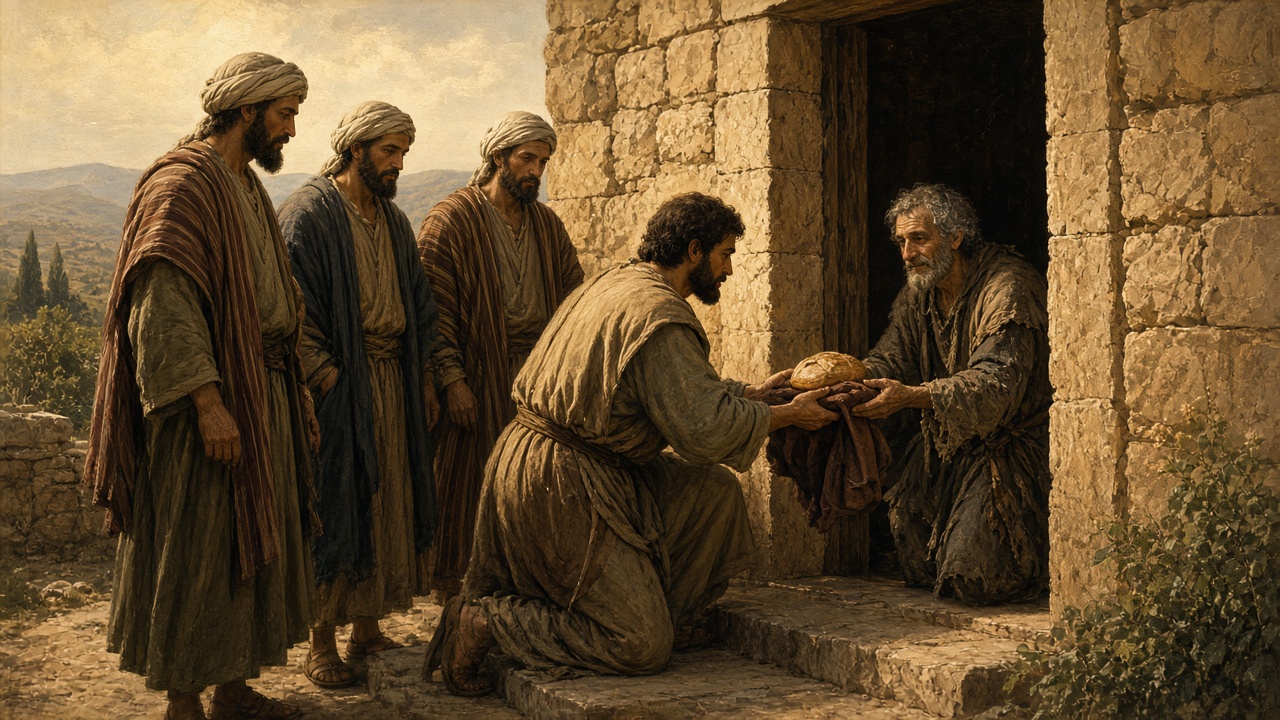
- In this chapter, hating a brother is treated as murder: everyone who hates his brother is a murderer, and eternal life does not reside in a murderer. Love is known because Jesus laid down his life for us, and the readers are told they ought to lay down their lives for their brothers.Sources: the Bible text itself
- The children of God are distinguished from the children of the devil by practicing righteousness and by loving one's brother. The message heard from the beginning is that we should love one another, and God's commandment is to believe in the name of his Son, Jesus Christ, and to love one another as he commanded.Sources: the Bible text itself
Notes written with AI assistance from open sources (Theographic Bible Metadata, CC BY-SA 4.0; Easton’s Bible Dictionary, public domain) and reviewed before publishing.
Credits and license for this translation
Ʉbhʉragɨ Ubhuhya Mʉkɨgambʉ chi Ikikiizʉ
Ikizu: Ʉbhʉragɨ Ubhuhya Mʉkɨgambʉ chi Ikikiizʉ (New Testament+) for Tanzania
copyright © 2024 Wycliffe Bible Translators, Inc.
Language: (Ikizu)
Contributor: Wycliffe USA
This translation is made available to you under the terms of the
Creative Commons Attribution Share-Alike license 4.0.
You have permission to share and redistribute this Bible translation in any format and to make reasonable revisions and adaptations of this translation, provided that:
You include the above copyright and source information.
If you make any changes to the text, you must indicate that you did so in a way that makes it clear that the original licensor is not necessarily endorsing your changes.
If you redistribute this text, you must distribute your contributions under the same license as the original.
Pictures included with Scriptures and other documents on this site are licensed just for use with those Scriptures and documents.
For other uses, please contact the respective copyright owners.
Note that in addition to the rules above, revising and adapting God's Word involves a great responsibility to be true to God's Word. See Revelation 22:18-19.
2025-05-03
Source: http://ebible.org/ikz/ · eBible.org