1 Corinthians 2
Ʉbhʉragɨ Ubhuhya Mʉkɨgambʉ chi Ikikiizʉ · Tap a verse to see its cross-references.
Kurwaza ɨngʼana igʉrʉ wa Yɨɨsu Kiriisitʉ
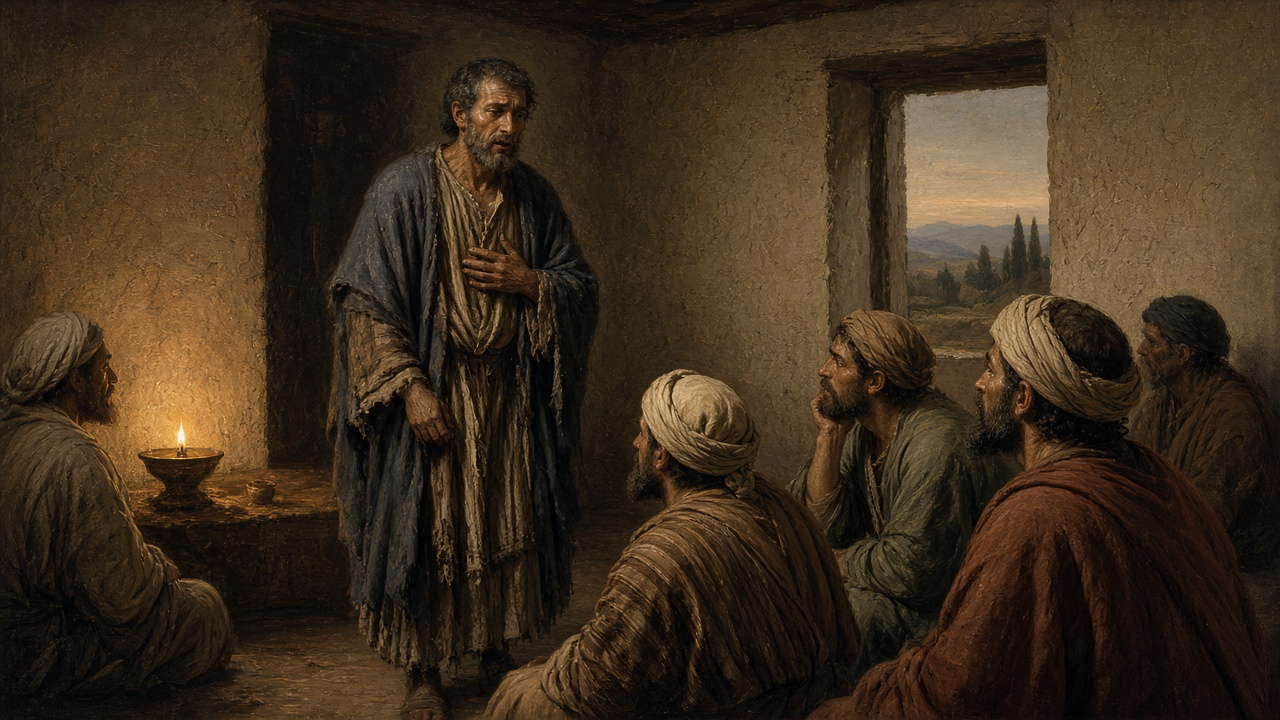
1Abhahiiri bhaanɨ, hanʉ niizirɨ kwa niimwɨ nɨkaaza kʉbharwazɨra igʉrʉ wu ubhwɨndi bhwa Mungu bhʉnʉ bhwarɨ bhubhisirwɨ, nɨtaagambirɨ kwa bhʉkaari bhwa amangʼana nʉʉrʉ kubhwʉbhʉʉri. 2Hanʉ naarɨ kwa niimwɨ, nekeenda nɨgambɨ amangʼana igʉrʉ wa Yɨɨsu Kiriisitʉ, kɨnda ukukwa kwazɨ kʉmʉsarabha, na nɨtaagambirɨ ekegero ɨkɨndɨ. 3Ribhaga riyo naarɨ mʉnyʉʉhɨrɨru, naarɨ nu ubhwʉbha, naatu naarɨ nɨrarigita bhʉkʉngʼu. 4Hanʉ naarɨ niriija na kurwaza, nɨtaagambirɨ amangʼana kubhwʉbhʉʉri bhwanɨ, korereke nɨbhakorokombe imwɨ munyiisiriryɨ. Nawe amanaga ge Ekoro Ɨndɨndu nego ganyɨrɨkiryɨ amaheene. 5Nɨkakorabhu, korereke ubhwisirirya bhwanyu bhutiisega ubhwʉbhʉʉri bhwa abhaatʉ, nawe bhwisege amanaga ga Mungu.
Ubhwʉbhʉʉri kurwa kwe Ekoro Ɨndɨndu
6Nangʉ tʉragamba amangʼana gu ubhwʉbhʉʉri kʉbhaatʉ bhanʉ bhakʉngʼirɨ mubhwisirirya, nawe ubhwʉbhʉʉri bhuyo bhʉtarɨ bhwɨ ɨɨsɨ yɨnʉ, na bhʉtarɨ kwa abhakangati bhɨ ɨɨsɨ, bhanʉ bhakʉhɨta. 7Ubhwʉbhʉʉri bhʉnʉ tʉkʉraganʼya ni‑mbisi ya Mungu yɨnʉ yaarɨ ibhisirwɨ. Nebhwe Mungu ɨɨndirɨ kwɨma aarɨ akɨɨrɨ kʉbhʉmba ɨɨsɨ, korereke atokorere amazʉmu. 8Atareeho nʉʉrʉ wʉmwɨ mʉbhakangati bhɨ ɨɨsɨ wʉnʉ aamɨnyirɨ ubhwʉbhʉʉri bhuyo, kʉ kʉbha bhangʉʉbhʉʉrirɨ, bhataarɨ bharamʉbhamba kʉmʉsarabha Ʉmʉkʉrʉ wu ubhukumya. 9Nawe chɨmbu yandikirwɨ mʉMaandɨkʉ Amarɨndu,
“Ganʉ Mungu aabhakʉrɨɨrɨ bhanʉ bhamʉsɨɨgirɨ,
atareeho ʉmʉʉtʉ wʉnʉ aagarʉʉzɨ nʉʉrʉ kugiigwa,
atareeho ʉmʉʉtʉ wʉnʉ aagatɨɨrɨ mumwʉyʉ gwazɨ.”
10Nawe itwɨ, Mungu akatwerecha gayo kʉhɨtɨra Ekoro Ɨndɨndu, kʉ kʉbha Ekoro Ɨndɨndu ɨhaatugunkurya gʉʉsi, nʉʉrʉ ɨsɨɨmi ya Mungu yɨnʉ ibhisirwɨ. 11Nɨ‑wɨɨwɨ wʉnʉ akʉtʉra komenya ganʉ ʉmʉʉtʉ ʉwʉndɨ akwiseega? Ekoro yaazɨ iyeene neyo ɨmɨnyirɨ. Ɨbhuɨbhu na ganʉ Mungu akwiseega, atareeho wʉnʉ akʉtʉra kʉgamenya. Ekoro ya Mungu iyeene neyo yɨɨzɨ. 12Mungu atʉhɨɨrɨ itwɨ Ekoro yaazɨ, ɨtarɨ zekoro za kʉʉsɨ, korereke tʉgamenye ganʉ tʉhɨɨrwɨ kʉrʉbhangʉ rwa Mungu. Tʉtakwiseega chɨmbu abhaatʉ bhanʉ bhakwiseega ga kʉʉsɨ, bhahiiseega.
13Na tʉtakʉgamba amangʼana ganʉ twijibhwɨ nu ubhwʉbhʉʉri bhwa abhaatʉ, nawe amangʼana ganʉ twijibhwɨ ne Ekoro ya Mungu. Tʉragarʉra amangʼana ge Ekoro ya Mungu kʉbhanʉ bhane Ekoro yiyo. 14Nawe ʉmʉʉtʉ wʉnʉ ataana Ekoro ya Mungu, atakʉsʉngʼaana ganʉ gakurwa kwe Ekoro ya Mungu, kʉ kʉbha kwawɨ gayo nɨ‑ga kegeege. Atakʉtʉra kogoobhoora, kʉ kʉbha gamɨnyɨkɨɨnɨ kʉbhʉsakirya bhwe Ekoro ya Mungu. 15Ʉmʉʉtʉ wʉnʉ akʉkangatwa ne Ekoro ya Mungu aragiisʉnza gʉʉsi, nawe ewe, ʉmʉʉtʉ wʉwʉʉsi atakʉtʉra kumwisʉnza. 16Chɨmbu Amaandɨkʉ Amarɨndu gakubhuga,
“Nɨ‑wɨɨwɨ wʉnʉ amɨnyirɨ ganʉ Ʉmʉkʉrʉ Mungu akwiseega?
Na nɨ‑wɨɨwɨ wʉnʉ akʉtʉra kʉmʉgambanʼya?”
Nawe, itwɨ turiiseega amangʼana chɨmbu Kiriisitʉ akugiiseega.
Did you know?
Christ crucified and the Spirit's wisdom
- The writer says he did not come with eloquence or wisdom when he proclaimed the testimony about God. He had resolved to know nothing while he was with them except Jesus Christ and him crucified, and he came in weakness, fear, and much trembling, so their faith would rest on God's power rather than on human wisdom.Sources: the Bible text itself
- The wisdom spoken among the mature is not the wisdom of this age or of its rulers, who are coming to nothing. It is called God's mysterious, hidden wisdom, destined for glory before time began; those rulers did not understand it, or they would not have crucified the Lord of glory.Sources: the Bible text itself
- The chapter says God has revealed by the Spirit what lies beyond human sight, hearing, and imagination. Only a person's own spirit knows that person's thoughts, and only the Spirit of God knows God's thoughts. The natural person does not accept what comes from the Spirit, treats it as foolishness, and cannot understand it, because it is spiritually discerned.Sources: the Bible text itself
Notes written with AI assistance from open sources (Theographic Bible Metadata, CC BY-SA 4.0; Easton’s Bible Dictionary, public domain) and reviewed before publishing.
Credits and license for this translation
Ʉbhʉragɨ Ubhuhya Mʉkɨgambʉ chi Ikikiizʉ
Ikizu: Ʉbhʉragɨ Ubhuhya Mʉkɨgambʉ chi Ikikiizʉ (New Testament+) for Tanzania
copyright © 2024 Wycliffe Bible Translators, Inc.
Language: (Ikizu)
Contributor: Wycliffe USA
This translation is made available to you under the terms of the
Creative Commons Attribution Share-Alike license 4.0.
You have permission to share and redistribute this Bible translation in any format and to make reasonable revisions and adaptations of this translation, provided that:
You include the above copyright and source information.
If you make any changes to the text, you must indicate that you did so in a way that makes it clear that the original licensor is not necessarily endorsing your changes.
If you redistribute this text, you must distribute your contributions under the same license as the original.
Pictures included with Scriptures and other documents on this site are licensed just for use with those Scriptures and documents.
For other uses, please contact the respective copyright owners.
Note that in addition to the rules above, revising and adapting God's Word involves a great responsibility to be true to God's Word. See Revelation 22:18-19.
2025-05-03
Source: http://ebible.org/ikz/ · eBible.org