Mark 10
Tẹsitamenti Ikne n'Ọnu Ikwere · Tap a verse to see its cross-references.
Ọgba nnam
1Jizọsi whọga zne n'ike ẹli Judiya n'aznụ Osimini Jọdani kịyari, agịda ele badnụ jipịya kwno hne ọ zị. Lele kpa o mesi, o neezni be nhne.
2Agwna ele Farisi vakwnusi a, sịkwa a, “Ọ bụru ọma n'iwu nyerukna gba nnwerne a nnam?” Be naakpa a iru.
3Ọ sịkwa be, “Kịni bụ nhne Mozizi nyernu anụ n'iwu?”
4Be kaa, “Mozizi kweruru nyerukna gba ọkwukwo nnam nyee nnwerne a, chịhala a.”
5Jizọsi kanụ be, “Kwnornu nụ mkpọma ọjo anụ kpayarụ Mozizi gbarụ iwu ka n'ọkwukwo. 6Kọvu hite n'ọpanizo okike ọwa, Chiokike kpuru be nyerukna nụ nyerinya. 7Kwnornu nụ ka, nyerukna jaagharụ nda a nụ nne a, takwnụsi n'ẹhni nnwerne a, 8be lawụru jọogho otu anọ-ẹhni. Be bụ́ma badnụ lawụru, kọvu otu anọ-ẹhni. 9Nhne Chiokike knekọtaru, badnụ tọ́mana a.”
10Nga be bnarnụ nụ rime ọro, ele sno apna a sịkwa a ajịji gbasịri ọka ka berere. 11Ọ kanụ be, “Nye ọbula ke jaagba nnwerne a nnam lụ nnwerne berere, neemegidne a ọyi. 12Ọ bụru masị nụ nnwerne gba nzi a nnam, gbọru nzi berere, o neeme masị ọyi.”
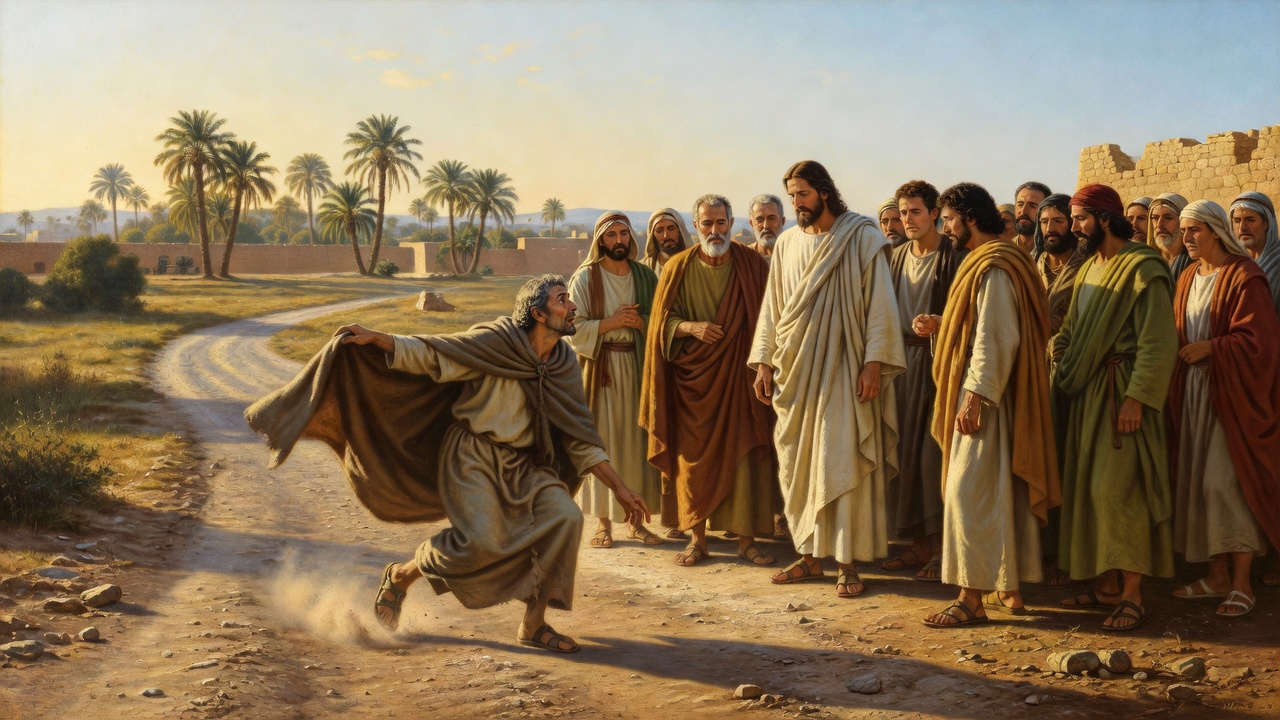
Jizọsi gọziri rụmu takịri
13Ele badnụ nookwuyanu Jizọsi rụmu takịri ma ọ kpatụ be aka, kọvu ele sno apna a bigbọru ele kwuyaru be. 14Nga Jizọsi whnụrnu a, o we ẹhni k'agịda, ọ kanụ be, “Anụ gharụ rụmu takịri ma be vakwnusi m, anụ bnósni be, kwnornu nụ ẹli-eze Chiokike bụ ke ele nụ kpa. 15Me kanụ anụ ezi ọka, nye ọbula ke jéegweru ẹli-eze Chiokike lele nnwọ matị, ọ jáabna nụ rime a rịa rịa.” 16O kwuru be n'aka a lawụru, tụkwasi be aka a, gọzi be.
Otu nye ọchichi
17Nga Jizọsi whọgaru n'apna, otu nyenum gbakwnusi a, gbunu a mpnerne ọchi, sịkwa a, “Ọmamarna Nye-zni-nhne, kịni bụ nhne me jeeme ma m kehịa m bụdnu kwó okwo?”
18Jizọsi sarụ a, “Kịni kpayarụ i noosukwu m nye ọma? Ọ zá nye bụ nye ọma, okwolem otu badnụ, bụ Chiokike kpọi. 19Ị maam kpakara nhne be nyernu n'iwu, i gbúkọ badnụ, ị mékọ ọyi, i znúkọ buznu, ị gbákọ akebne aghalaghala, i mégbukọ badnụ, sọbisinu nda i nụ nne i.”
20Ọ kanụ a, “Nye-zni-nhne, kpakara nhne ka bụ nhne me bịtaru hite n'ikoro m.”
21Jizọsi leru a anya ọma, kanụ a, “Otu nhne gwnarnụ ị jeeme, la, re kpakara nhne i nwernu, kesi ele mboni, i jeenwe ẹkwnu n'oligwe, vaa, sno m.” 22Ruwhnu gbarụru a n'ọka wam, ọ la, naagbarụ ruwhnu, kwnornu nụ o nwernu ẹkwnu k'agịda.
23Jizọsi leru anya gburugburu, kanụ ele sno apna a, “Le kpa o jiri ra ẹhni ele nwernu ẹkwnu ọ bna n'ẹli-eze Chiokike!”
24Ọka wam du ele sno apna a ẹhni, kọvu nụ Jizọsi ka masịnu be, “Rụmu m, le kpa o jiri ra ẹhni ọ bna n'ẹli-eze Chiokike. 25Ọ zịnu anọhia kamẹli ewheke ọ gawhe n'anya alanga karụ ele nwernu ẹkwnu ọ bna n'ẹli-eze Chiokike!”
26O du kpakara ele sno apna a ẹhni k'agịda, be sịkwarita ẹhni be, “Ndakwanụ nye be jọoznohia?”
27Jizọsi leru be anya kaa, “Hne badnụ zị be jéemeli a, kọvu ọ bụ́o hne Chiokike zị. Be meli kpakara nhne hne Chiokike zị.”
28Pita panịzo naakanụ a, “Le, a sịgbasiri kpakara nhne a nwernu, snornu ị.”
29Jizọsi kanụ, “Me kanụ anụ ezi ọka, ọ zá nye ọbula ke sịgbasiri ọro, mọbu rụmu nwene rukna, mọbu rụmu nwene rinya, mọbu nne, mọbu nda, mọbu rụmu, mọbu ẹkwu kwnornu m nụ izi ọma, 30ke jáanahịa karụ riwhu nga riwhu n'ige ka, ọro nụ rụmu nwene rukna, nụ rụmu nwene rinya, nụ nne, nụ rụmu, nụ ẹkwu, be nụ mmekpẹhni masị, nụ bụdnu kwó okwo n'ige vagwụ nụ ruwhnu. 31Kọvu agịda ele be ọsno jọobu ele ipne-aznụ, ele ipne-aznụ jọobu ele be ọsno.”
Jizọsi kwuru ọka gbasịru // ẹnwu a ke mgba ẹto
32Nga be zị n'apna neezne Jerusẹlem, Jizọsi neezne nụ ruwhnu be, o du ele sno apna a ẹhni, ele snogwu a n'aznụ nọotu ogwnu. O kwuru kwno nri nụ badnụ lawụru wam ichne, panịzo naakanụ be nhne jeeme a. 33Ọ kanụ be, “A neezne Jerusẹlem, be jeegweru Nnwọ ke Badnụ nyewhete n'aka ele risi arịohna nụ n'aka ele zni iwu ele Ju, be jaama a ikpe ẹnwu, gweru a nyee n'aka ele bụ́o ele Ju. 34Be jeeme a nhne rụmu, gbụ a ọnu mini, pnịa nhne, gbu a, nga ọbochi ẹto whemernu o jeehi n'ẹnwu lizọ.”
Arịrio rụmu Zebidi
35Jemisi nụ Jọni rụmu Zebidi, vakwnusi Jizọsi, rịo a, “Nye-zni-nhne, a nọorio ma i menu aị nhne ọbula a jọorio ị.”
36Ọ sịkwa be, “Kịni bụ nhne anụ noopio me menu anụ?”
37Be kanụ a, “Mee kpa a jaadazịri otu n'akarikwnunga ị, otu n'akarita ị, n'igwugwu ị.”
38Jizọsi kanụ be, “Anụ máa nhne anụ nọorio. Anụ jọonwoli okiko ke me nọonwo? Mọbu be wụli anụ mini ke be nọowu m?”
39Be kanụ a, “A nwernu rikne.”
Jizọsi kanụ be, “Okiko me nọonwo bụ ke anụ jọonwo, mini be wụru m bụ ke be jọowu anụ. 40Kọvu ọ dazị n'akarikwnunga m nụ akarita m bụ́o ke m n'onyega. Ọ bụ ke ele Chiokike bịkwatannu a.”
41Nga ele sno apna a nri ke gwnarnụ nụrnu a, be wesanụ Jemisi nụ Jọni ẹhni k'agịda. 42Jizọsi sukwukọta be, kanụ be, “Anụ magwụ nụ ele be gwnụrnu n'ele risi ke ele bụ́o ele Ju neeme ele be nẹechi kpa ọ masịri be, ele kwu be ji aka rikne nẹechi ele zị nụ mkpururu be. 43Kọvu ọ bụ́o kpam n'esilawụru anụ. Nye pioru ọ bụru nye kwu n'esilawụru anụ jọobu nye neeznenu anụ izi. 44Nye pioru ọ bụru nye mbọm n'esilawụru anụ, jọobu ọhi kpakara anụ. 45Kwnornu nụ Nnwọ ke Badnụ váge ma be znenu a izi, kọvu ma o neeznenu ele berere izi, ma o gweru masị bụdnu a nyee, ma ọ bụru nhne ọgbahia agịda badnụ.”
Jizọsi gwọru Batimọsi // nye isni
46Be vadu Jeriko, nga Jizọsi nọowhoga nụ Jeriko, ya nụ ele sno apna a nụ agịda ele badnụ, Batimọsi nnwọ rukna Timọsi nye kpuru isni dazị nụ ngeri apna nọorio nhne. 47Nga ọ nụrnu nụ ọ bụ Jizọsi nye Nazarẹti neewhe, ọ panịzo neesi okokoba, naakwnakwu a, “Jizọsi, Nnwọ Devidi, dọnu m obirizi.”
48Agịda ele badnụ bigbọru a ma o kpusnime ọnu a, kọvu o siwama k'agịda, “Jị Nnwọ Devidi, dọnu m obirizi.”
49Jizọsi gwuzoru, kaa, “Anụ sukwu a.”
Be sukwu nye isni wam, kanụ a, “Mkpọma si i rikne, lizọ, o noosukwu ị.”
50Ọ chịwhume iwo a, wụlizo, kwnusi Jizọsi.
51Jizọsi sịkwa a, “Kịni bụ nhne i pioru me menu i?”
Nye isni wam kaa, “Nyenwe aị, mee ma m whnụrnu m ọsno.”
52Jizọsi kanụ a, “La, ọkwnata mkpọma ị znọhialam jị.”
Ngangam o bete ọ whnụ ọsno, snornu Jizọsi n'apna.
Did you know?
Discipleship and Faith on the Road to Jerusalem
- As Jesus and His followers traveled toward Jerusalem through Jericho in the Jordan valley, they encountered Bartimaeus, whose name means the son of Timaeus. Sitting by the roadside as a blind beggar, he repeatedly called Jesus the 'Son of David' before receiving his sight and following Him along the road.Sources: Jericho · Bartimaeus · Timaeus · the Bible text itself
- James and John, the sons of the Galilean fisherman Zebedee, asked Jesus for the two highest seats of honor at His right and left hand. Jesus used their request to contrast Gentile rulers who lord authority over others with the kingdom of God, where whoever wants to be first must become the servant and slave of all.Sources: James (Son of Zebedee) · John the Apostle · Zebedee · the Bible text itself
Notes written with AI assistance from open sources (Theographic Bible Metadata, CC BY-SA 4.0; Easton’s Bible Dictionary, public domain) and reviewed before publishing.
Places in this chapter
- Jordan · Today: Jordan River · 31.761, 35.558 · verse 1
- Judea · Today: Judea 1 · 31.777, 35.234 · verse 1
- Jerusalem · 31.777, 35.234 · verses 17, 32, 33
- Jericho · Today: Tell el Alayiq · 31.852, 35.436 · verse 46
- Nazareth · 32.702, 35.298 · verse 47
Only places identified with high confidence are shown (90% or more according to the scholarly sources compiled by OpenBible). Period map: DARE (Digital Atlas of the Roman Empire), CC BY 4.0; modern map: © OpenStreetMap contributors; places: OpenBible.info (CC BY 4.0).
Credits and license for this translation
Tẹsitamenti Ikne n'Ọnu Ikwere
New Testament in Ikwere
copyright © 2010 Wycliffe
Language: Ikwere
Translation by: Wycliffe
Ikwerre – (ikw) Nigeria
The Iwerre language of Nigeria can also be spelled Ikwere and Ikwerri. This language is spoken primarily by the Ikwerre people who live in the Rivers State of Nigeria and is one of the many ethnic groups in the Niger Delta. There were more than 23,000 speakers of this language in 1973. There is also a considerable local interest in literacy and grammar.
Copyright Information
© 2010, The Nigeria Bible Translation Trust. All rights reserved.
This translation text is made available to you under the
terms of the Creative Commons License: Attribution-Noncommercial-No Derivative Works.
( http://creativecommons.org/licenses/by-nc-nd/3.0/ )
In addition, you have permission to port the text to different file formats, as long as you
do not change any of the text or punctuation of the Bible.
You may share, copy, distribute, transmit, and extract portions
or quotations from this work, provided that you include the above copyright
information:
You must give Attribution to the work.
You do not sell this work for a profit.
You do not make any derivative works that change any of the actual words or punctuation of the Scriptures.
Permissions beyond the scope of this license may be
available if you contact
us with your request.
Printed book ISBN 9789789076369
New
The New Testament
in Ikwere
© 2010, The Nigeria Bible Translation Trust. All rights reserved.
This translation is made available to you under the terms of the
Creative Commons Attribution-Noncommercial-No Derivatives license 4.0.
You may share and redistribute this Bible translation or extracts from it in any format, provided that:
You include the above copyright and source information.
You do not sell this work for a profit.
You do not change any of the words or punctuation of the Scriptures.
Pictures included with Scriptures and other documents on this site are licensed just for use with those Scriptures and documents.
For other uses, please contact the respective copyright owners.
2019-08-09
Source: http://ebible.org/ikwNT/ · eBible.org