Luke 9
Tẹsitamenti Ikne n'Ọnu Ikwere · Tap a verse to see its cross-references.
Jizọsi zihalaru nri // nụ badnụ lawụru
1Jizọsi sukwukọta ele izi nri nụ ẹbo wam n'otu, nyee be rikne nụ rikne ọchichi ọ chịhala rẹnwu ọjo nụ ọ gwọ nrịria. 2O zihala be zne kpọ okwo ẹli-eze Chiokike, gwọ ele nrịria. 3Ọ kanụ be, “Anụ jí nhne ọbula kpa anụ neezne. Anụ jí mkpara mọbu rẹkpa, mọbu brẹdi, mọbu ịwai, anụ chị́ iwo lawụru. 4Ọro ọbula anụ bnarnụ, anụ dazịri pịi tem anụ whọga n'ẹli-ọhna wam. 5Ọ bụru nụ ele badnụ nábnanyana anụ, anụ whọga n'ẹli-ọhna wam, lịsnama rịzna ke zị n'ọchi anụ, ma ọ bụru nhne akebne megidne be.”
6Be whọga, zne hite n'otu ẹli zne ẹli berere, nọokpo okwo izi ọma, nọogwo ele nrịria kpakara ọhna.
Ọ gbagwojiri Erọdu anya
7Nga Erọdu nye nẹechi Galili nụrnu kpakara nhne neeme, ọ gbagwojiri a anya, kwnornu nụ agwna ele badnụ naakaa nụ Jọni hilem n'ẹnwu lizọ, 8ele berere naakaa nụ Ẹlaija whụyaru iwhne, ele berere naakaa nụ otu nụ rime ele ọwhnurninya gbaka hiri n'ẹnwu lizọ. 9Erọdu kaa, “M biri m Jọni risi, nyele bụ nye ka me nọonu nhne gbasịri a?” O pio ọ whnụ Jizọsi.
Jizọsi nyernu // pokwu badnụ isne wiri
10Nga ele izi wam hiehnarnu, be kanụ Jizọsi nhne be mernu. O kwuru be whọga ichne, zne ẹli Bẹtesaida. 11Nga igbudu badnụ wam mahịaru, be snornu a. O kwubnanya be, kwunu be ọka gbasịri ẹli-eze Chiokike, gwọ masị ele nrịria.
12N'ogbednachi nga chi neeji, nri nụ badnụ lawụru wam vakwnusi Jizọsi, kanụ a, “Zihala ele ka ma be zne nụ rime ẹli-ọhna ma nụ rime ẹkwu, zụru nhne oriri, dnanyị n'abalị a, kwnornu nụ a zị nụ hne kọru owu.”
13Jizọsi sarụ be, “Anụ nyee be nhne be jeeri.”
Be sarụ a, “Nhne a nwernu hna kwolem ike brẹdi isne nụ aznụ lawụru, okwolem ma a jeezne zụya wiri a jeenye igbudu badnụ ka.” 14Pokwu ele rukna isne zị pịi.
Kọvu Jizọsi kanụ ele sno apna a, “Anụ mee ma be dazịri ẹli nụ mkpụru nri badnụ isne, mkpụru nri badnụ isne.”
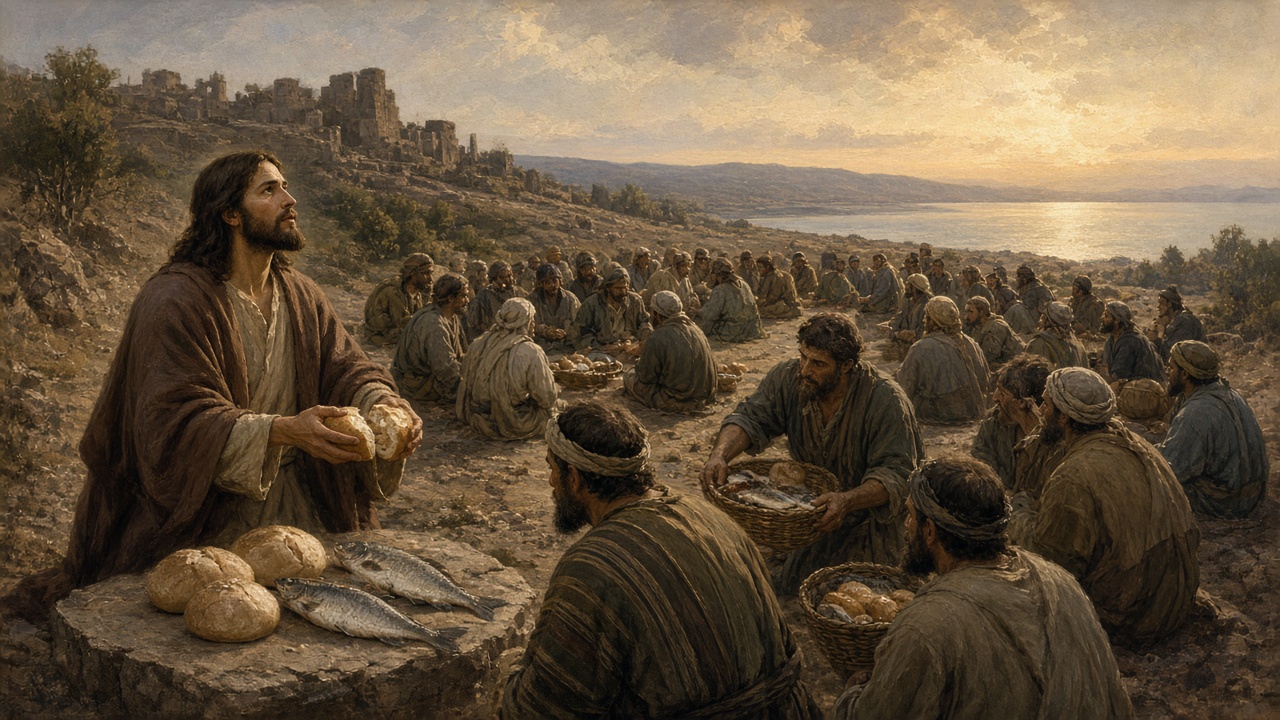
15Ele sno apna a mee kpam, nye ọbula dazịri ẹli. 16Jizọsi gweru ike brẹdi isne wam nụ aznụ lawụru wam, le anya n'oligwe, tụ mmamma, nyawama be. O nyee be ele sno apna a, be nyee igbudu badnụ wam. 17Kpakara be ri, riji rụwho, ele sno apna a tụtukota rụvnuruvnu ke gwarnụ, nri nụ nkịta lawụru jihịaru.
Pita kahịaru nye Jizọsi bụ
18Otu ọbochi, nga Jizọsi neekpe okpukpe ichne, ele sno apna a nụ ya zị, ọ sịkwa be, “Ele badnụ be naakaa nụ me bụ nyele?”
19Be sarụ a, “Agwna be naakaa, Jọni Nye Wụ Mini, ele berere naakaa, Ẹlaija, ele berere masị naakaa, otu nụ rime ele ọwhnurninya gbaka hiri n'ẹnwu lizọ.”
20Kọvu Jizọsi sịkwa be, “Anụ n'iwhuru anụ, anụ kanụ nụ m bụ m nyele?”
Pita sarụ a, “Ị bụ Karaịsi ke Chiokike.”
Jizọsi kwuru ọka // gbasịri ẹnwu a
21Jizọsi dọ be aka nụ nsnị be kánụ nye ọbula. 22Ọ kanụ be, “Nnwọ ke Badnụ jaatarịri agịda awhnụwhnu, ele okno badnụ nụ ele risi arịohna nụ ele neezni iwu ele Ju jọoju a, be gbu a, nga ọbochi ẹto whemernu, o jeehi n'ẹnwu lizọ berere.”
23Ọ kanụ kpakara be, “Ọ bụru nụ nye ọbula joosno m n'aznụ, o jọoju ẹhni a, vuru ọgba a kpakara ọbochi sno m. 24Kwnornu nụ nye ọbula ke noopio ọ znọhia bụdnu a, jootuwhu a, kọvu nye ọbula ke jootuwhu bụdnu a kwnornu m, jọoznohia a. 25Mbnarna kịni bụ nhne badnụ jeenwe ọ bụru nụ ọ rihịa kpakara ọwa n'iru, kọvu tuwhume bụdnu a? 26Nye ọbula ke iwhnerne m nụ ikwu-ọnu m jọotu, Nnwọ ke Badnụ jọotu iwhnerne nye wam nga ọ jaava n'igwugwu a nụ n'igwugwu ke Nda a nụ ke ele enine izi nsọ. 27N'ezi me kanụ anụ, agwna ele gwuzo hna jọ́onwu ẹnwu tem be whnụ ẹli-eze Chiokike.”
Onwoghari ke Jizọsi
28Nga ọbochi ẹsato whemernu kpa Jizọsi kwuru ikwu-ọnu ka, o kwuru Pita, Jọni nụ Jemisi yisinu ẹhni a zne n'olu rugwu kpe okpukpe. 29Kpa o zị neekpe okpukpe, ruwhnu a gbanwornu, iwo naacha va-a-a, neeke eke lele amụma. 30Ngangam, be whnụ ele rukna lawụru nụ ya nookwurita ọka, be bụ Mozizi nụ Ẹlaija. 31Be whụyaru n'igwugwu, be nụ Jizọsi kwu ọka gbasịri ẹnwu a ke jeemezu nụ Jerusẹlem. 32Anyarna tụru Pita nụ ele nụ ya zị, kọvu nga anya dnornu be, be whnụrnu igwugwu Jizọsi nụ ele rukna lawụru be nụ a gwuzo. 33Kpa be nọowhoga hne Jizọsi zị, Pita kanụ a, “Nda-aị-kwu, ọ bụru ọma a dazịri hna. Ngwa ma a wu ọro-ẹka ẹto hna, otu ke i, otu ke Mozizi, otu Ẹlaija.” (Ọ máa nhne o jookwu.)
34Kpa ọ kpu ọka ka n'ọnu, erumeru oligwe whụyaru kpusni be, ogwnu tụru be kpa be zị n'erumeru oligwe wam. 35Otu akpịri hiri n'erumeru oligwe wam, kaa, “Ka bụ Nnwọ m, nye me họhiaru, anụ bnotenu a nsnị.”
36Nga akpịri wam kwukworu, be whnụrnu Jizọsi nsnụnu a. Ele sno apna a bịtaru nhne be whnụrnu nụ mkpọma be, ọ zá nye be kannụ nhne be whnụrnu ige wam.
Jizọsi gwọru // wikoro rukna
37N'ekile a, nga be hiri nụ rugwu wam hiedna, igbudu badnụ vakwnusiri Jizọsi. 38Otu nwerukna hiri n'igbudu badnụ wam siwama lụlo, “Nye-zni-nhne, bikno le nnwọ m rukna anya, kwnornu nụ ọ bụ otu nnwọ me nwernu. 39Rẹnwu ọjo nwụgwu a, o si lụlo, o vudna n'ẹli nọodo a, ọ nọogbo okoto n'ọnu, o gbu ọkwnu sụ ọ sịgbasi a, ma o gbu a. 40M rịasno ele sno apna ị ma be chịhala a, kọvu be nwée rikne.”
41Jizọsi sarụ be, “Anụ ebiri ka nwée ọkwnata mkpọma, ele mkpọma hịri aghị, me nụ anụ jaadazị dụ ngele? Me jeesinu anụ mkpọma dụ ngele?” Ọ kanụ nwerukna wam, “Kwuya nnwọ ị rukna hna.”
42Nga nnwọ rukna wam naava, rẹnwu ọjo wam vudna a n'ẹli, dọsi a rikne. Kọvu Jizọsi bigbọru rẹnwu ọjo wam, gwọ a, kwuhnata a nda a. 43Rikne ẹrnu Chiokike duru kpakara be ẹhni.
Jizọsi kwukwnornu ọka // gbasịri ẹnwu a
Kpakara nhne o neeme noodu ele badnụ ẹhni, Jizọsi kanụ ele sno apna a, 44“Anụ bno nsnị nhne me naakanụ anụ. Be jeegweru Nnwọ ke Badnụ resi n'aka ele badnụ.” 45Kọvu be ghọ́yage nhne o nookwu. O bụ nhne tugwaru otugwa n'anya be, be máa nhne ọ bụ. Ogwnu kwéle be sịkwa a nhne gbasịri a.
Nyele kakwo ibne a?
46Ele sno apna a bete neesigha ọka n'esilawụru be nye kakwo ibne a. 47Nga Jizọsi mahịaru nhne zị be nụ mkpọma, o kwuru otu watakịri gwuzote a nụ ngeri a. 48Ọ kanụ be, “Nye ọbula ke jaanarnụ watakịri ka nụ rẹwhna m, nanarnụ m, nye ọbula ke nanarnụ m, nanarnụ nye ziyaru m. Kwnornu nụ nye kakwo matị n'esilawụru anụ, nye wam bụ nye kakwo.”
Nye zá neemegidne anụ, // dagwụnu anụ
49Jọni kanụ a, “Nda-aị-kwu, a whnụrnu otu badnụ ke naachịhala rẹnwu ọjo nụ rẹwhna ị, a bnosni a, kwnornu nụ ọ zá noosno aị.”
50Jizọsi kaa, “Anụ bnósni a, kwnornu nụ nye zá neemegidne anụ, dagwụnu anụ.”
Otu mgbu kwéle // ọ nabnanya Jizọsi
51Kpa ige nọodu ọ jaala oligwe, Jizọsi kpebilem o zne Jerusẹlem. 52O zihala ele izi nụ ruwhnu a, be zne otu ẹli Sameria ma be mekwatanụ a nhne. 53Kọvu ele ẹli wam kwéle ọ nabnanya a, kwnornu nụ ọ nụ lele nụ o neezne Jerusẹlem. 54Nga ele sno apna a Jemisi nụ Jọni whnụrnu ka, be sịkwa a, “Nyenwe aị, ị pioru ma a sukwudna bẹkwnu n'oligwe rnegbukwo kpakara be?”
55Kọvu nụ Jizọsi tụhnasnarnu, bigbọ be. 56[Ọ kaa, “Anụ máa enine anụ nwernu. Nnwọ ke Badnụ váge ma o gbu badnụ, kọvu ọ znọhia bụdnu badnụ.”] Be whe zne ẹli berere.
Nhne o joowhu ele // sno apna Jizọsi
57Kpa be neezne nụ apna, otu nwerukna kanụ a, “M joosno i hne ọbula i neezne.”
58Jizọsi kanụ a, “Edu nwernu mkpewu hne be dnanyị, ọnunu oligwe nwernu alịkwu hne be zukwa inwe, kọvu Nnwọ ke Badnụ nwée hne ọ jaabịta risi a.”
59Ọ kanụ nye berere, “Sno m.”
Kọvu nwerukna wam kaa, “Nyenwe aị, kweru me beru ọsno lite nda m.”
60Jizọsi kanụ a, “Gharụ ele nwụrnu ọnwu ma be lite ele nwụrnu ọnwu ibne be, kọvu zne kpọ okwo izi ọma ẹli-eze Chiokike.”
61Nye berere kwno kaa, “Nyenwe aị, m joosno i, kọvu kweru m me beru ọsno zne bekwu ele ọro m ikwu ipne-aznụ.”
62Jizọsi kanụ a, “Ọ zá nye ọbula ke yisiri aka nụ mfama ẹkwu ke anọ ọro nọopnughari, dazịri neele anya n'aznụ, kwesiri ẹli-eze Chiokike.”
Did you know?
Mission, identity, and the road to Jerusalem
- Herod the tetrarch, perplexed by reports about Jesus, is Herod Antipas, Herod's son by Malthace. He said he had beheaded John, while some claimed that John had risen from the dead, others that Elijah the Tishbite, the "Elias" of the New Testament, had appeared, and still others that a prophet of old had arisen. One chronology of these events dates John's beheading to AD 29.Sources: Herod Antipas · Elijah · John Beheaded · the Bible text itself
- After the apostles returned, Jesus withdrew with them to a town called Bethsaida, where he welcomed the crowds, spoke about the kingdom of God, and fed about five thousand men with five loaves and two fish. Easton's Bible Dictionary (1897) places this Bethsaida on the east side of the lake, two miles up the Jordan, in the region of Gaulonitis; Philip the tetrarch enlarged it and called it Julias, after the emperor's daughter. Some have supposed there was only one Bethsaida, built on both sides of the lake near where the Jordan enters it; the entry identifies the ruins as et-Tel.Sources: Bethsaida · the Bible text itself
- Peter, originally called Simon, answered that Jesus is "the Christ of God." About eight days later Jesus took Peter, James, and John up a mountain to pray; Moses and Elijah appeared in glory and spoke about the departure Jesus was about to accomplish at Jerusalem. James, elder brother of John and a fisherman in partnership with Peter, was with them; he and John were called Boanerges, "sons of thunder," probably because of their boldness and energy, and later they asked whether they should call down fire from heaven on a village of the Samaritans that would not welcome Jesus because he was heading for Jerusalem.Sources: Simon Peter · James (Son of Zebedee) · the Bible text itself
Notes written with AI assistance from open sources (Theographic Bible Metadata, CC BY-SA 4.0; Easton’s Bible Dictionary, public domain) and reviewed before publishing.
Places in this chapter
Only places identified with high confidence are shown (90% or more according to the scholarly sources compiled by OpenBible). Period map: DARE (Digital Atlas of the Roman Empire), CC BY 4.0; modern map: © OpenStreetMap contributors; places: OpenBible.info (CC BY 4.0).
Credits and license for this translation
Tẹsitamenti Ikne n'Ọnu Ikwere
New Testament in Ikwere
copyright © 2010 Wycliffe
Language: Ikwere
Translation by: Wycliffe
Ikwerre – (ikw) Nigeria
The Iwerre language of Nigeria can also be spelled Ikwere and Ikwerri. This language is spoken primarily by the Ikwerre people who live in the Rivers State of Nigeria and is one of the many ethnic groups in the Niger Delta. There were more than 23,000 speakers of this language in 1973. There is also a considerable local interest in literacy and grammar.
Copyright Information
© 2010, The Nigeria Bible Translation Trust. All rights reserved.
This translation text is made available to you under the
terms of the Creative Commons License: Attribution-Noncommercial-No Derivative Works.
( http://creativecommons.org/licenses/by-nc-nd/3.0/ )
In addition, you have permission to port the text to different file formats, as long as you
do not change any of the text or punctuation of the Bible.
You may share, copy, distribute, transmit, and extract portions
or quotations from this work, provided that you include the above copyright
information:
You must give Attribution to the work.
You do not sell this work for a profit.
You do not make any derivative works that change any of the actual words or punctuation of the Scriptures.
Permissions beyond the scope of this license may be
available if you contact
us with your request.
Printed book ISBN 9789789076369
New
The New Testament
in Ikwere
© 2010, The Nigeria Bible Translation Trust. All rights reserved.
This translation is made available to you under the terms of the
Creative Commons Attribution-Noncommercial-No Derivatives license 4.0.
You may share and redistribute this Bible translation or extracts from it in any format, provided that:
You include the above copyright and source information.
You do not sell this work for a profit.
You do not change any of the words or punctuation of the Scriptures.
Pictures included with Scriptures and other documents on this site are licensed just for use with those Scriptures and documents.
For other uses, please contact the respective copyright owners.
2019-08-09
Source: http://ebible.org/ikwNT/ · eBible.org