Luke 11
Tẹsitamenti Ikne n'Ọnu Ikwere · Tap a verse to see its cross-references.
Jizọsi znirni nhne // gbasịri okpukpe
1Ọ dụ otu ọbochi Jizọsi zị neekpe okpukpe n'otu hnanụm, nga o kpekworu, otu nụ ele sno apna kanụ a, “Nyenwe aị, zni aị kpa be kpe okpukpe lele kpa Jọni znirni ele sno apna a.”
2Ọ kanụ be, “Nga anụ neekpe, anụ kaa,
‘Nda aị,
rẹwhna ị bụru nhne zị nsọ.
Ẹlị-eze ị va.
3Nyee aị wiri tna, ke joozunu aị ọbochi tna.
4Gbarụnu aị mmehie aị,
lele kpa a jaagbarụnu ele mehieru aị.
I yísi aị nụ rime nhne ọrnurna.’ ”
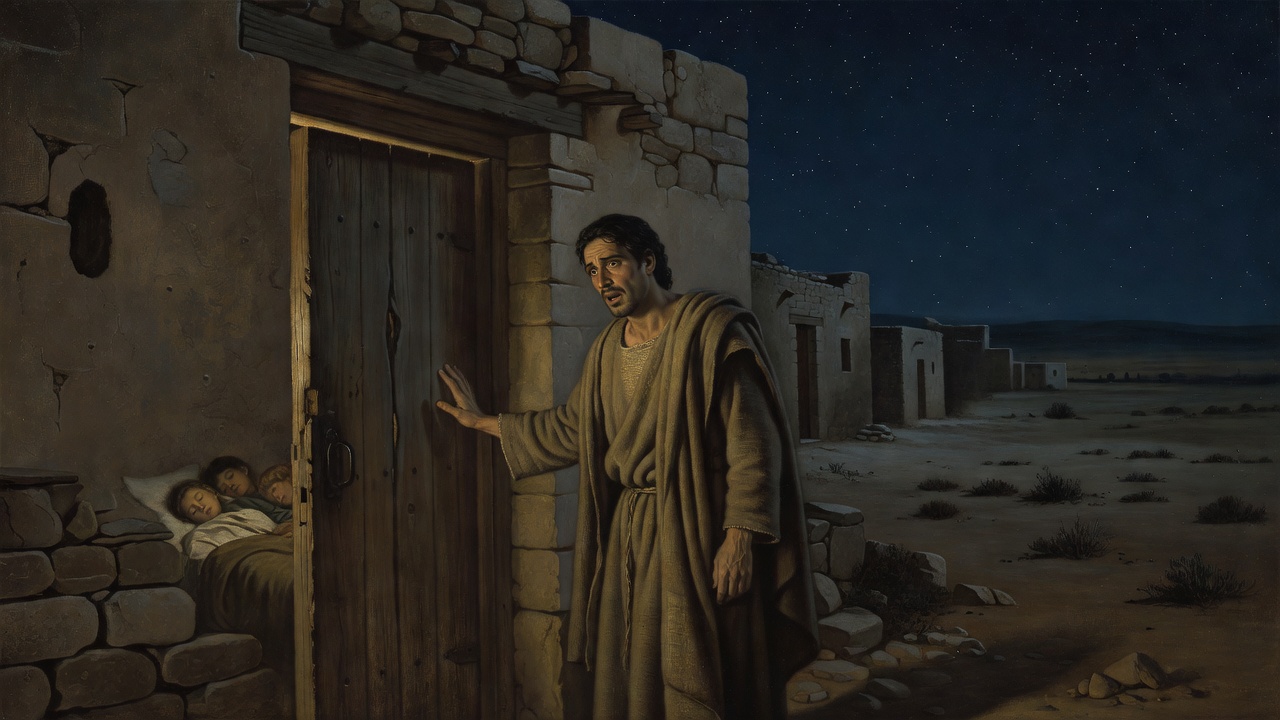
5Ọ kanụ be, “Ọ bụru nụ otu nụ rime anụ nwernu enyi, o znekwnusi a n'esilawụru abalị, kaa, ‘Enyi m, gbaznisi m ike brẹdi ẹto. 6Otu enyi m berere vakwnusiri m, m nwée m nhne me jeenye a.’
7“Enyi a hi nụ rime ọro sa a, ‘Ị kpákna m ẹhni. M tụsnilem ọro, me nụ rụmu m dnanyị n'ọkpata. M jéenwe rikne lizọ nye i nhne ọbula.’ 8Me kanụ anụ, ọ bụ n'ezi nụ o jéelizọ nye a kwnornu nụ ọ bụ enyi a, kọvu kwnornu nụ iwhnerne zá nọotu nye ọrio, o jeelizọ nye a.
9“Kpam masị, me kanụ anụ, anụ rịo, be jeenye anụ, anụ pio, anụ joopiohịa, anụ znu aka n'ọnu-mgbo, be jaagbamanụ. 10Kwnornu nụ nye ọbula ke nọorio, nọoriohia, nye noopio, noopiohịa, nye nooznu aka nụ mgbo be jaagbamanụ a.
11“Ndaa nye bụ nda n'esilawụru anụ, nye nnwọ a jọorio aznụ, o nyee a agwọ? 12Mọbu ọ rịo a ẹkwna ọchichi, o nyee a akpị? 13Ọ bụru anụ ele jọogburu ẹhni anụ nụ bụjo mahịaru o nyee rụmu anụ nkesi bụru ọma, ọ kọ bụru Nda anụ ke oligwe, ọ bụ nụ o jéenye ele nọorio a Enine Nsọ?”
Jizọsi nụ Bẹlizibolu
14Jizọsi naachịhala rẹnwu ọjo ke dnarnụ mgbu. Nga rẹnwu ọjo wam whọgaru, nwerukna wam ke dnarnụ mgbu kwuru ọka, o du kpakara ele badnụ ẹhni. 15Kọvu agwna be kaa, “O ji rikne Bẹlizibolu nye risi ele rẹnwu ọjo naachịhala rẹnwu ọjo.” 16Ele berere naakpa a iru, kaa, o gesi be nhne elekema hi n'oligwe.
17Jizọsi mahịaru mkpọma be, ọ kanụ be, “Ẹli-eze ọbula kewama megidne ẹhni a, ọ jọotubiri etekne, ọro ọbula kewama megidne ẹhni a, ọ jaadna. 18Ọ bụru nụ Setani kewama megidne ẹhni a, ẹli-eze a jóogwuzoli. M nookwu ka kwnornu nụ anụ karụ nụ m ji m rikne Bẹlizibolu naachịhala rẹnwu ọjo. 19Kịtna, ọ bụru nụ m ji m rikne Bẹlizibolu naachịhala rẹnwu ọjo, ele sno anụ ji rikne nyele naachịhala be? Be jọobu ele ikpe anụ. 20Kọvu ọ bụru nụ m ji m aka Chiokike naachịhala rẹnwu ọjo, ẹli-eze Chiokike dụlam anụ ẹhni.
21“Nga nye dikne woru mgwna ọgwnu a, neese ọro a, ẹkwnu a zị n'udno. 22Kọvu nga nye kakwo a rikne varụ, megbu a, ọ nahọru a kpakara mgwna ọgwnu a ke ọ tụkwasiri mkpọma, kesa ẹkwnu a.
23“Nye dágwụnu m, neemegidne m, nye snóne m chịkota nhne, nọobosa ọbosa.
Rẹnwu ọjo hiehnarnu
24“Nga rẹnwu ọjo hiri nụ rime badnụ whọga, o znegharị n'ẹli chna chna chna, noopio hne o joozukwa inwe. Ọ bụru nụ ọ whnụ́na, ọ kaa, ‘M jaalahna n'ọro me hiri whụya.’ 25Nga ọ vaduru, ọ whnụ nụ be zasnarnụ ọro wam bịkwata nhne nkarị. 26O jeezne chịri rẹnwu ọjo ẹsau ibne a ele nwernu risi rikne karụ a, be wuru nụ rime nye wam. Ọnodi ipne-aznụ nye wam jọhnasi bụjo karụ kpa ọ zị nụ mbọm.”
Nye ọwa ọma n'ezi
27Kpa Jizọsi zị nookwu ọka ka, otu nwerinya siwama n'igbudu badnụ wam, “Rụwho ke vuru i nụ rẹma ke i nwọrnu bụ nhne be gọziri ọgozi.”
28Jizọsi sarụ, “Ele ọwa ọma karụkwo bụ ele nọonu ikwu-ọnu Chiokike, neeme be.”
Nhne elekema ke Jona
29Kpa igbudu badnụ wam gbakọru hne Jizọsi zị, ọ kanụ be, “Ebiri ọjo ka noopio nhne elekema, ọ zá nhne elekema be jeenye be, okwolem nhne elekema Jona. 30Lele kpa Jona bụ nhne elekema ke ele Ninive, ọ bụ kpa Nnwọ ke Badnụ jọobunu ebiri ka. 31Eze nyerinya Seba jeelizọ ya nụ ele ebiri ka bna n'ikpe, ọ jaama be ikpe, kwnornu nụ o hiri n'ọsotoma k'ọwa va nụrnu akọniche Solomọni. Kọvu le, nhne kakwo Solomọni zị hna. 32Ele Ninive jeelizọ, be nụ ebiri ka bna n'ikpe, be jaama be ikpe, kwnornu nụ be tụhnasnarnu mkpọma n'ọkpo okwo Jona. Kọvu le, nhne kakwo Jona zị hna.
Iwhne ke ẹhni
33“Ọ zá nye jọomusi tọnji bịta a nụ hne tugwaru otugwa, mọbu bịta nụ mkpururu nkịta. Tnụnuma, be bịta a n'olu nhne be bịta tọnji, ma ele naabnanya ọro whnụrnu iwhne a. 34Anya bụ iwhne ke ẹhni. Ọ bụru nụ anya ị bụru ọma, kpakara ẹhni ị jọobu iwhne iwhne. Kọvu ọ bụru nụ anya ị bụ́o ọma, kpakara ẹhni i jaagba ọchichiri. 35Anụ ledukọm anya ọ zị iwhne ke zị anụ n'ẹhni bọ ghọ ọchichiri. 36Ka kpayarụ, ọ bụru nụ kpakara ẹhni ị bụ iwhne iwhne, ọ zá ngeri ke gbarụ ọchichiri, kpakara ẹhni ị jọobu iwhne lele nga tọnji nọomukwasi ị iwhne a.”
Ele Farisi nụ // ele zni iwu ele Ju
37Nga Jizọsi kwukworu ọka ka, otu nye Farisi sukwu a, ọ va snornu a ri wiri, o snornu a zne, ọ dazịri n'ikpechi. 38Nye Farisi wam whnụrnu nụ Jizọsi kwọ́ge aka bete ri wiri, o du a ẹhni.
39Nyenwe aị kanụ a, “Kịtna anụ ele Farisi beru ọsno snụ aznụ okiko nụ agbụgba wiri, kọvu nụ ọwho-anya nụ agwa ọjo jihịaru nụ rime anụ. 40Anụ ele iwhnirniwhno! Ọ bụ́o otu badnụ wam mernu rime okiko nụ aznụ a? 41Anụ gweru nhne zị nụ rime agbụgba wiri dọnu ele mboni obirizi, kpakara nhne jaazịnu anụ rịchna.
42“Awhnụwhnu zịnu anụ ele Farisi, kwnornu nụ anụ nọokwu otu nga nụ nri ke kpakara mkpọro ọkwukwo nwernu ẹknarna ọma ke ẹkwu, kọvu anụ jụru ikpe zị snam nụ ọwhnun'anya Chiokike. Ọ zị mkpa nụ anụ znernu eme nhne ka nụ ke berere.
43“Awhnụwhnu zịnu anụ, ele Farisi, kwnornu nụ anụ whnụrnu risi ngadna n'ọro ọgbako anụ n'anya, ọ naamasị anụ ele badnụ neebekwu anụ ikwu n'ahịa.
44“Awhnụwhnu zịnu anụ, ele Farisi, kwnornu nụ anụ nụ lele ilili ke ele badnụ máa nọozo ọchi n'olu a.”
45Otu nye ọgwnu iwu sarụ Jizọsi, “Nye-zni-nhne, ọka ka i nookwu naakpasị aị iwhnerne.”
46Jizọsi sarụ nye ọgwnu iwu wam, “Awhnụwhnu jaazịnu anụ ele ogwnu iwu, kwnornu nụ anụ noovute ele badnụ ivu rịnya be vuru, kọvu anụ n'iwhuru anụ jéegweru otu mkpaka anụ yinu be aka. 47Awhnụwhnu zịnu anụ, kwnornu nụ anụ noowu ilili ele ọwhnurninya, ele nda anụ ọknani gburu. 48Anụ bụ ele akebne nụ ele kwnagidnernu nhne ele nda anụ ọknani mernu, be gburu ele ọwhnurninya, anụ wu ilili be. 49Chiokike nụ nhne ọmuma a karụ, ‘M jeeziznenu be ele ọwhnurninya nụ ele izi, be joogbu agwna be, be jaakpakna ele berere ẹhni.’ 50Kam kpayarụ, ebiri ka jaata awhnụwhnu kpakara ọvnarna ele ọwhnurninya be gburu hite n'ọpanizo ọwa, 51hite n'ọvnarna Ebelị dụ n'ọvnarna Zakaraya, nye be gburu n'iketa ojo arịohna nụ hne zị nsọ. Owe! Me kanụ anụ, ebiri ka jọokwu kpakara ọgwo ọvnarna ka.
52“Awhnụwhnu zịnu anụ ele ọgwnu iwu, kwnornu nụ anụ gwemernu snambị ke naagbama ọnuhna akọniche, anụ bnáge, anụ kwéle ele pioru ọ bna be bna.”
53Nga Jizọsi hiri nụ pịi whọga, ele Farisi nụ ele zni iwu ele Ju nookwunu a ọnu rikne, nẹesikwa ajịji agịda nhne. 54Be needne, noopio ma be jọonu nhne be jeeji bno a nhne.
Did you know?
Prayer, Signs, and Woes
- Jesus speaks of the blood of all the prophets, from the blood of Abel to the blood of Zechariah, who was killed between the altar and the sanctuary. Abel was the second son of Adam and Eve and was killed by his brother Cain. Easton's Bible Dictionary (1897) identifies this Zechariah as the son or grandson of the high priest Jehoiada, stoned at the king's command in the court of the house of the Lord after he condemned the king and the people, and notes that Jesus alludes to that murder in this chapter.Sources: the Bible text itself · Abel · Zacharias
- Jesus says this generation will be given no sign except the sign of Jonah: as Jonah was a sign to the Ninevites, so the Son of Man will be a sign to this generation, and the men of Nineveh, who repented at his preaching, will condemn it at the judgment, because someone greater than Jonah is here. Easton's Bible Dictionary (1897) describes Jonah, son of Amittai of Gath-hepher, as a prophet of Israel and a missionary to Nineveh, and calls him a type of the Son of Man. It describes Nineveh as a great and populous city, the flourishing capital of the Assyrian empire.Sources: the Bible text itself · Jonah · Nineveh
- After Jesus drives out a demon that was mute, some say he does it by Beelzebul, the prince of the demons. Easton's Bible Dictionary (1897) explains the name Satan as adversary or accuser, says the New Testament uses it interchangeably with the devil, and lists Beelzebub among his titles. Jesus answers that every kingdom divided against itself will be laid waste, and asks how Satan's kingdom can stand if Satan is divided against himself.Sources: the Bible text itself · Satan
Notes written with AI assistance from open sources (Theographic Bible Metadata, CC BY-SA 4.0; Easton’s Bible Dictionary, public domain) and reviewed before publishing.
Places in this chapter
Only places identified with high confidence are shown (90% or more according to the scholarly sources compiled by OpenBible). Period map: DARE (Digital Atlas of the Roman Empire), CC BY 4.0; modern map: © OpenStreetMap contributors; places: OpenBible.info (CC BY 4.0).
Credits and license for this translation
Tẹsitamenti Ikne n'Ọnu Ikwere
New Testament in Ikwere
copyright © 2010 Wycliffe
Language: Ikwere
Translation by: Wycliffe
Ikwerre – (ikw) Nigeria
The Iwerre language of Nigeria can also be spelled Ikwere and Ikwerri. This language is spoken primarily by the Ikwerre people who live in the Rivers State of Nigeria and is one of the many ethnic groups in the Niger Delta. There were more than 23,000 speakers of this language in 1973. There is also a considerable local interest in literacy and grammar.
Copyright Information
© 2010, The Nigeria Bible Translation Trust. All rights reserved.
This translation text is made available to you under the
terms of the Creative Commons License: Attribution-Noncommercial-No Derivative Works.
( http://creativecommons.org/licenses/by-nc-nd/3.0/ )
In addition, you have permission to port the text to different file formats, as long as you
do not change any of the text or punctuation of the Bible.
You may share, copy, distribute, transmit, and extract portions
or quotations from this work, provided that you include the above copyright
information:
You must give Attribution to the work.
You do not sell this work for a profit.
You do not make any derivative works that change any of the actual words or punctuation of the Scriptures.
Permissions beyond the scope of this license may be
available if you contact
us with your request.
Printed book ISBN 9789789076369
New
The New Testament
in Ikwere
© 2010, The Nigeria Bible Translation Trust. All rights reserved.
This translation is made available to you under the terms of the
Creative Commons Attribution-Noncommercial-No Derivatives license 4.0.
You may share and redistribute this Bible translation or extracts from it in any format, provided that:
You include the above copyright and source information.
You do not sell this work for a profit.
You do not change any of the words or punctuation of the Scriptures.
Pictures included with Scriptures and other documents on this site are licensed just for use with those Scriptures and documents.
For other uses, please contact the respective copyright owners.
2019-08-09
Source: http://ebible.org/ikwNT/ · eBible.org