John 8
Tẹsitamenti Ikne n'Ọnu Ikwere · Tap a verse to see its cross-references.
Nwerinya be nwụgwuru // n'ọyi
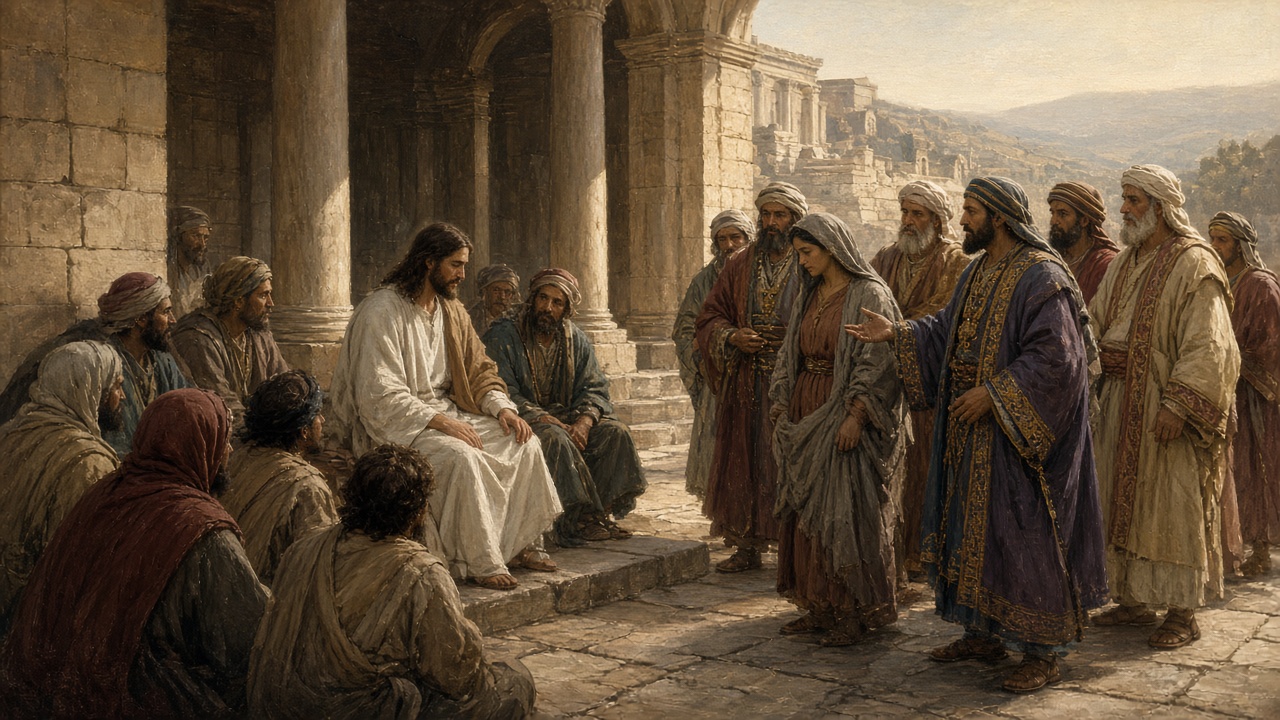
1Jizọsi znernu nụ Rugwu Olivu. 2N'ọnu ọsisi, ọ lahna n'Ọro Nsọ Chiokike, kpakara ele badnụ gba a gburugburu, ọ dazịri ẹli bete neezni be nhne. 3Ele zni iwu ele Ju nụ ele Farisi kwuyanụ a otu nwerinya be nwụgwuru n'ọyi, be gwuzote a n'esilawụru be. 4Be kaa, “Nye-zni-nhne, a nwụgwuru nwerinya ka hne ya nụ nyerukna dnanyị. 5N'iwu aị, Mozizi karụ be gweru akaworugwu tụgbu a. Kịni bụ nhne i kwuru?” 6Be kwuru ka naakpa a iru ma be bno Jizọsi nhne.
Kọvu Jizọsi whudnahie ẹli gweru mkpaka a gba nhne nụ rịzna. 7Be zị kọriri nẹesikwa a, o lizọ, kanụ be, “Nye ọbula n'esilawụru anụ ke mékọlele mmehie beru ọsno tụ a akaworugwu.” 8O whudnahie ẹli berere naagba nhne nụ rịzna.
9Nga be nụrnu a, be hite nụ nye okno badnụ dụ nụ nye matị, otu otu be whọga kwo. Ọ gwnata Jizọsi nụ nwerinya wam. 10Jizọsi lizọ, sịkwa a, “Nwerinya, ndaa ele noobno i nhne? Ọ zá nye gwnarnụ ke jaama ị ikpe?”
11Nwerinya wam kaa, “Ọ zá, sụ Nda-aị-kwu.”
Jizọsi kanụ a, “M máge m masị m jị ikpe, kọvu la, i méma mmehie berere.”]
Jizọsi, iwhne ke ọwa
12Jizọsi kakwnonu be, “Mawa bụ iwhne ke ọwa. Nye ọbula ke joosno m jeenwe iwhne ke bụdnu, o jéezne izne n'ọchichiri.”
13Ele Farisi kaa, “Ị naagbanụ ẹhni ị akebne kịtna, nhne i nookwu bụ́o ezi ọka.”
14Jizọsi sarụ be, “Ọ bụbedi nụ m naagbanụ ẹhni m akebne, nhne me nookwu bụ ezi ọka, kwnornu nụ m magwụ m hne me hi nụ hne me neezne. 15Anụ neekpe ikpe lele badnụ. M zá m neekpe nye ọbula ikpe. 16Ọ bụru nụ me kpe ikpe, ikpe m ziri ezi kwnornu nụ me nụ nsnụnu m zá n'ikpe, me nụ Nda m nye ziyaru m zị. 17Be gbarụ a n'iwu anụ, nụ akebne badnụ lawụru gbarụ bụ ezi ọka. 18M gbanụ m ẹhni m akebne, Nda m nye ziyaru m gbakwnonu m akebne.”
19Be sịkwa a, “Ndaa hne Nda ị zị?”
Jizọsi sarụ be, “Anụ máa m, anụ máa masị Nda m. Ọ bụru nụ anụ magwụ nye me bụ, anụ znernu amahịa Nda m.” 20Jizọsi kwuru kpakara nhne ka nga o neezni nhne n'Ọro Nsọ Chiokike, nụ rime hne be naabịta igbe ịwai. Ọ zá nye tụkwasiri a aka megidne a kwnornu nụ ige a yáavage.
Anụ jéezneli hne me // neezne
21Jizọsi kanụ be berere, “M jaala, anụ joopio m, anụ jọonwu nụ rime mmehie anụ. Anụ jéenwe rikne va hne me jaala.”
22Ele risi ele Ju kaa, “Ọ kaa nụ a jáavali hne ọ naala. O joogbu ẹhni a sa?”
23Jizọsi kanụ be, “Anụ hi hna, kọvu m hi m n'olu va. Anụ bụ ele ọwa ka, kọvu m bụ́o m nye ọwa ka. 24Ọ bụ nhne me jiri kanụ anụ nụ anụ jọonwu nụ rime mmehie anụ. Ọ bụru nụ anụ kwége nụ m bụ m nye me bụ, anụ jọonwu nụ rime mmehie anụ.”
25Be sịkwa a, “Ị bụ nyele?”
Jizọsi kanụ be, “M bụ m nye me karụ nụ m bụ m n'ọziri. 26M nwernu m agịda nhne me jookwu n'ikpe megidne anụ. Kọvu nye ziyaru m bụ ezi ọka, m jaakanụ ọwa nhne me nụrnu hite n'ọnu a.”
27Be ghọ́yage nhne o nookwu gbasịri Nda. 28Ka kpayarụ, Jizọsi kannụ be, “Nga anụ jeegwelizọ Nnwọ ke Badnụ olu, ige wam anụ jaamahịa nụ m bụ m nye me bụ. Ọ zá nhne ke me neeme nụ rikne aka ke m, kọvu m neezni kpakara nhne Nda m znirni m. 29Nye wam ziyaru m dagwụnu m, ọ ghárụla me nụ nsnụnu m rịa rịa, kwnornu nụ m neeme nhne naamasị a kpakara ige.” 30Agịda ele nụrnu nhne Jizọsi kwuru kweru nụ ya.
Badnụ nwernu ẹhni a n'ezi
31Jizọsi kanụ ele Ju ele ke kweru nụ ya, “Ọ bụru nụ anụ dazịgidne n'ikwu-ọnu m, anụ jọoburu ele sno apna m n'ezi. 32Anụ jaamahịa ezi ọka, ezi ọka wam jeeme anụ nwernu ẹhni anụ.”
33Be sarụ Jizọsi, “A bụ rụmu Ebereham, a bụ́kolele ọhi n'aka badnụ ọbula. Ndaa kpa ị naakaa nụ a jeenwernu ẹhni aị?”
34Jizọsi sarụ be, “Me kanụ anụ ezi ọka, nye ọbula ke neeme mmehie bụ ọhi ke mmehie. 35Ọhi zá naadazịgidne n'ọro tim tọm, kọvu nnwọ nwe ọro ọkwnukokwnu. 36Ọ bụru nụ Nnwọ jeeme anụ nwernu ẹhni anụ, anụ jeenwernu ẹhni anụ n'ezi. 37M magwụ m nụ anụ bụ rụmu Ebereham, kọvu anụ noopio o gbu m, kwnornu nụ anụ kwége ikwu-ọnu m. 38M naakanụ anụ nhne Nda m gesiri m, kọvu anụ neeme nhne nda anụ kannụ anụ.”
39Be sarụ a, “Ebereham bụ nda aị.”
Jizọsi kanụ be, “Ọ bụru nụ Ebereham bụ nda anụ n'ezi, anụ jọornu ẹrnu Ebereham rnụrnu. 40Nhne me mernu bụ ọ kanụ anụ ezi ọka me nụrnu n'ọnu Chiokike, anụ noopio o gbu m. Ebereham méne kpam. 41Anụ neeme nhne anụ nda anụ mernu.”
Be kaa, “Chiokike bụ Nda a nwernu kpọi. A bụ́o rụmu ọyi.”
Rụmu ke Ekwensu
42Jizọsi kanụ be, “Ọ bụru nụ Chiokike bụ Nda anụ n'ezi, anụ znernu ọwhnu m n'anya, kwnornu nụ m hi m hne Chiokike zị whụya, va hna. M váge m nụ rikne aka ke m, kọvu ya ziyaru m. 43Nhne mernu anụ ghọ́yage nhne me nookwu, ọ bụ nụ anụ bnóge nsnị n'ikwu-ọnu m. 44Anụ bụ rụmu nda anụ Ekwensu, anụ jọornu ẹrnu nda anụ noopio. Ọ bụ nye noogbu badnụ hite n'ọpanizo. Ọ zị́la n'ezi ọka, kwnornu nụ ezi ọka zá nụ rime a. Omen'ẹli a bụ ọ gha aghalaghala, kwnornu nụ o bụ nye aghalaghala nụ nda kpakara aghalaghala. 45Me nookwunu anụ ezi ọka, kọvu anụ zá neekweru m. 46Nyele n'esilawụru anụ jaama m ikpe mmehie? Ọ bụru nụ me kanụ anụ ezi ọka, kịni mernu anụ kwége m? 47Nye ọbula bụ ke Chiokike joobno nsnị ikwu-ọnu Chiokike. Kọvu anụ jóobno nsnị kwnornu nụ anụ bụ́o ele ke Chiokike.”
Jizọsi nụ Ebereham
48Ele Ju sarụ Jizọsi, “A kwukwaru nkarị nga a kwuru nụ ị bụ nye Sameria ke rẹnwu ọjo nwụgwu.”
49Jizọsi kanụ be, “Ọ zá rẹnwu ọjo nwụgwu m, kọvu m neenye Nda m igwugwu, kọvu anụ zá neenye m igwugwu. 50M zá m noopio igwugwu ke m. O nwernu nye ke noopio igwugwu m, nye wam bụ nye ikpe. 51Me kanụ anụ ezi ọka, ọ bụru nụ nye ọbula bịta ikwu-ọnu m, ọ jọ́owhnu ẹnwu anya rịa rịa.”
52Ele Ju kanụ a, “Kịtna hne a mahịaru nụ rẹnwu ọjo nwụgwu ị. Ebereham nụ kpakara ele ọwhnurninya nwụrnu ẹnwu. Ị zị hna naakaa nụ nye ọbula ke jaabịta ikwu-ọnu ị jọ́onwu ọnwu rịa rịa. 53Nda aị Ebereham nwụrnu ẹnwu. Ị kákwole Ebereham nụ ele ọwhnurninya ele nwụrnu ẹnwu. I che nụ ị bụ dị nyele?”
54Jizọsi sarụ, “Ọ bụru nụ me nyee ẹhni m igwugwu, ọ zá nhne ọ bụ. Nda m nye anụ naakaa nụ ọ bụ Chiokike anụ neenye m igwugwu. 55Ọ bụ n'ezi nụ anụ máa nye ọ bụ rịa rịa. Kọvu m maam nye ọ bụ. Ọ bụru me kaa nụ m máam nye ọ bụ, m jọoburu nye aghalaghala lele anụ, kọvu m magwụ m nye ọ bụ, m naabịta ikwu-ọnu a. 56Nda anụ Ebereham nwernu ovu ọso n'ọnu nụ ọ jọowhnu ọbochi m, ọ whnụ masị a, ọ nwụdnarnu.”
57Ele Ju kanụ a, “Ị yóoduge nri awha isne, ị whnụrnu Ebereham n'ezi?”
58Jizọsi kanụ be, “Me kanụ anụ ezi ọka, m zị m sụ be mụrnu Ebereham.” 59Be chịri akaworugwu be jọotugbu a, kọvu Jizọsi tugwa ẹhni a, hi n'Ọro Nsọ Chiokike whọga.
Did you know?
Light, Law, and Abraham
- John 8 opens as Jesus goes to the Mount of Olives and returns early in the morning to the temple courts, where he sits and teaches the people who gather. The Mount of Olives is a ridge east of Jerusalem, separated from the city by the Kidron valley and named for the olive trees that cover its sides.Sources: the Bible text itself · Mount of Olives
- Scribes and Pharisees bring in a woman caught in adultery and ask Jesus what he says about Moses' command in the Law to stone such a woman, seeking to test him and to gain a basis for accusing him. Still in the temple courts, near the treasury, Jesus later says, "I am the light of the world." A dated event list places both episodes in AD 29, each lasting one day.Sources: the Bible text itself · Woman Caught in Adultery · Light of the World/I am discourse
- When Jesus says that the truth will set them free, his hearers answer that they are Abraham's descendants and have never been slaves to anyone. Abraham is called "father of a multitude"; he was the son of Terah and the heir of the promises. After Jesus declares, "before Abraham was born, I am," they pick up stones to throw at him.Sources: the Bible text itself · Abraham
Notes written with AI assistance from open sources (Theographic Bible Metadata, CC BY-SA 4.0; Easton’s Bible Dictionary, public domain) and reviewed before publishing.
Places in this chapter
- Mount of Olives · 31.778, 35.246 · verse 1
Only places identified with high confidence are shown (90% or more according to the scholarly sources compiled by OpenBible). Period map: DARE (Digital Atlas of the Roman Empire), CC BY 4.0; modern map: © OpenStreetMap contributors; places: OpenBible.info (CC BY 4.0).
Credits and license for this translation
Tẹsitamenti Ikne n'Ọnu Ikwere
New Testament in Ikwere
copyright © 2010 Wycliffe
Language: Ikwere
Translation by: Wycliffe
Ikwerre – (ikw) Nigeria
The Iwerre language of Nigeria can also be spelled Ikwere and Ikwerri. This language is spoken primarily by the Ikwerre people who live in the Rivers State of Nigeria and is one of the many ethnic groups in the Niger Delta. There were more than 23,000 speakers of this language in 1973. There is also a considerable local interest in literacy and grammar.
Copyright Information
© 2010, The Nigeria Bible Translation Trust. All rights reserved.
This translation text is made available to you under the
terms of the Creative Commons License: Attribution-Noncommercial-No Derivative Works.
( http://creativecommons.org/licenses/by-nc-nd/3.0/ )
In addition, you have permission to port the text to different file formats, as long as you
do not change any of the text or punctuation of the Bible.
You may share, copy, distribute, transmit, and extract portions
or quotations from this work, provided that you include the above copyright
information:
You must give Attribution to the work.
You do not sell this work for a profit.
You do not make any derivative works that change any of the actual words or punctuation of the Scriptures.
Permissions beyond the scope of this license may be
available if you contact
us with your request.
Printed book ISBN 9789789076369
New
The New Testament
in Ikwere
© 2010, The Nigeria Bible Translation Trust. All rights reserved.
This translation is made available to you under the terms of the
Creative Commons Attribution-Noncommercial-No Derivatives license 4.0.
You may share and redistribute this Bible translation or extracts from it in any format, provided that:
You include the above copyright and source information.
You do not sell this work for a profit.
You do not change any of the words or punctuation of the Scriptures.
Pictures included with Scriptures and other documents on this site are licensed just for use with those Scriptures and documents.
For other uses, please contact the respective copyright owners.
2019-08-09
Source: http://ebible.org/ikwNT/ · eBible.org