Hebrews 10
Tẹsitamenti Ikne n'Ọnu Ikwere · Tap a verse to see its cross-references.
Karaịsi kwarụ arịohna // zuru ọhna otu mgba
1Iwu wam bụ enine nhne ọma ke jaava, ọ bụ́o nhne wam, kam kpayarụ, o nwée rikne hite nụ arịohna ke be naakwa ige ọbula mee ele naava ọ kpọ risi ẹli zu ozu. 2Ọ bụru nụ ele neekpenu Chiokike zị rịchna nụ rime ovu, ikpe mmehie ba mána be. Kpakara ọkwa arịohna znernu okwome. 3Kọvu kpakara arịohna wam bụ nhne ke neechenwanyanụ be mmehie be hite n'awha dụ n'awha. 4Kwnornu nụ ọvnarna ehni nụ owu nwée rikne vume mmehie.
5Kam kpayarụ nga Karaịsi varụ n'ọwa, ọ karụ,
“Arịohna nụ nkesi ruwhnu ọma másige i,
kọvu ị bịtannu m anọ-ẹhni o bnonu ị nsnị.
6Ovu zá nọoso ị n'ọnu
kwnornu arịohna ọkporne bẹkwnu mọbu arịohna mmehie.
7M kaa, ‘Chiokike, le, m valẹm
o mee nhne i pioru me mee,
lele kpa be gbarụ nhne gbasịri m n'ọkwukwo nsọ.’ ”
8Ke mbọm, ọ karụ, i píole arịohna nụ nkesi ruwhnu ọma, mọbu arịohna ọkporne bẹkwnu mọbu arịohna mmehie, ọ bụ n'ezi nụ iwu wam karụ be mee kpam. 9Ọ kaa, “Chiokike, le, m valẹm o mee nhne i pioru me mee.” O gwemernu nhne ke mbọm ma ọ zị kpa o gwuzote nhne ke ẹbo. 10Kwnornu nụ Jizọsi Karaịsi mernu nhne Chiokike pioru o mee, ọ snụsnamarnu mmehie aị hite n'arịohna ke o jiri ẹhni a kwa otu mgba ke zuru ọhna. 11Nye ọkwa arịohna ọbula noogwuzo kpakara ọbochi nọornu ẹrnu a, naakwa otu arịohna agịda ige. Kọvu kpakara arịohna ka nwée rikne noovume mmehie. 12Kọvu nga nye arịohna ka kwarụ arịohna ke zị ọkwnukokwnu kwnornu mmehie, ọ dazịri ẹli n'akarikwnunga Chiokike. 13Hite n'ige wam, ọ zị neese ige Chiokike jaabịta ele irno a lele nhne ọgbakwasi ọchi a. 14Hite nụ otu arịohna, o mernu ele zị snam hite nụ mmehie zu ozu ọkwnukokwnu.
15Enine Nsọ naagbanụ aị akebne ka hite nụ nhne o kwuru nụ mbọm,
16“Ka bụ njọ-ẹhni ke me nụ be jaagba,
n'ọbochi ke jaava, bụ nhne Jihova kwuru,
m jeeyisi iwu m nụ rime ovu be,
m jaagbakwasị be n'echiche be.”
17Ọ kaa kwno berere,
“M jéechenwanya arụru-ẹli be,
nụ mmehie be berere.”
18Kịtna, ọ gbarụnnu be kpakara mmehie be, arịohna berere zá kwnornu mmehie. 19Kam kpayarụ, rụmu nda m, a nwernu ovu siri rikne ọ bnazne nụ Hne Kakwo Nsọ hite n'ọvnarna Jizọsi. 20Ọ gbamannụ aị apna ikne ke zị bụdnu hite n'ikpe obnosni wam ke bụ anọ-ẹhni a. 21A nwernu nye risi arịohna ke kakwo, nye neelegidne ọro Chiokike anya. 22Ngwa ma a gweru mkpọma zị rịchna nụ ezi ọkwnata ọvu, nụ ovu ikpe mána vakwnusi Chiokike, ya nụ ẹhni be jiri mini zị rịchna snụsnama. 23Ngwa ma a knetasị olile anya ke ọkwnata ovu aị aka rikne, kwnornu nụ nye kweru aị mkwna jaabịta mkwna o kweru. 24A gbalị mee nhne joovulizọ ọwhnun'anya n'ovu ibne aị hite n'ọrnu ẹrnu ọma. 25A ghása ọgbako rụmu nda n'otu lele kpa agwna ele badnụ neeme. Kọvu a kwnagidne ibne aị ke kakwo kpa ọbochi wam naava ndụndu.
26Ọ bụru nụ a jaazị kọriri neeme mmehie hne a nụrnu ezi ọka wam, ọ zá arịohna berere be jaakwa kwnornu aị. 27Kọvu nhne ke gwnarnụ bụ olile anya ke tụ ogwnu ke ikpe, ya nụ ke okne bẹkwnu ke jeerne ele neemegidne Chiokike. 28Nye ọbula ke dnarnụ Iwu Mozizi nwụrnu ẹnwu hne badnụ lawụru mọbu ẹto gbagidnernu a akebne, be dọ́nnu a obirizi. 29Anụ le kpa ikpe wam jaazị rikne bụ awhnụwhnu nye wam jaata bụ nye lednarnụ Nnwọ Chiokike anya, nye kpọ́ge ọvnarna ọgba-njọ-ẹhni ke Chiokike nhne, ke snụsnamarnu mmehie a, nye lednarnụ Enine Nsọ ke oru anya. 30Kwnornu nụ a magwụ nye karụ, “Mawa nwe mmegwnahịa, m jeemegwnarnụ.” Jihova kwuru berere, “Jihova jeekpe ele ke a ikpe.” 31Ọ bụ nhne tụ ogwnu ọ dnabna n'aka Chiokike ke zị bụdnu.
32Anụ chenwanya ọbochi ele ke wheru ewhe kpa anụ snụrnu ovu kpa iwhne Karaịsi mụkwasiri anụ nụ rime kpakara awhnụwhnu. 33Agwna ige anụ bụru ele be kpasịri iwhnerne n'ọhna, ige berere anụ dasịri ele berere be neemegbu emegbu n'ikwnu. 34Anụ dọnnu ele zị n'ikelu obirizi. Nga be nahọru anụ nhne anụ nwernu, ovu sọru anụ n'ọnu kwnornu nụ anụ magwụ nụ anụ nwernu ẹkwnu ke jaazị ọkwnukokwnu n'oligwe.
35Anụ túwhu ovu osi rikne anụ, o jeenwe ọgwo ẹrnu zị agịda. 36Anụ snụta ovu ma anụ nwernu rikne mee nhne Chiokike pioru, nahịa masị nhne o kweru nụ mkwna. 37Kwnornu,
“Ige matị,
nye wam jaava bụ nye jaava, o jóogbu ọkwnu.
38Kọvu, nye mee mma ke m jeehi n'ọkwnata ovu zịri bụdnu,
ọ bụru nụ nye ọbula lahna aznụ,
nhne gbasịri a jọ́oso m ovu n'ọnu.”
39Kọvu a bụ́o ele naalahna aznụ, whu etekne, a bụ ele kweru dụ n'ọznohia mkpụru ovu.
Did you know?
A Sacrifice Offered Once for All
- The law is called only a shadow of the good things to come. Sacrifices repeated year after year, and the blood of bulls and goats, are said to remind worshipers of sins rather than take those sins away; by contrast, the sacrifice of the body of Jesus Christ is presented as sanctifying people once for all.Sources: the Bible text itself
- Every priest is pictured standing day after day to offer the same sacrifices, which can never take away sins. After one sacrifice for sins, this Priest is said to have sat down at the right hand of God, and the chapter speaks of a new and living way into the Most Holy Place through the curtain of his body.Sources: the Bible text itself
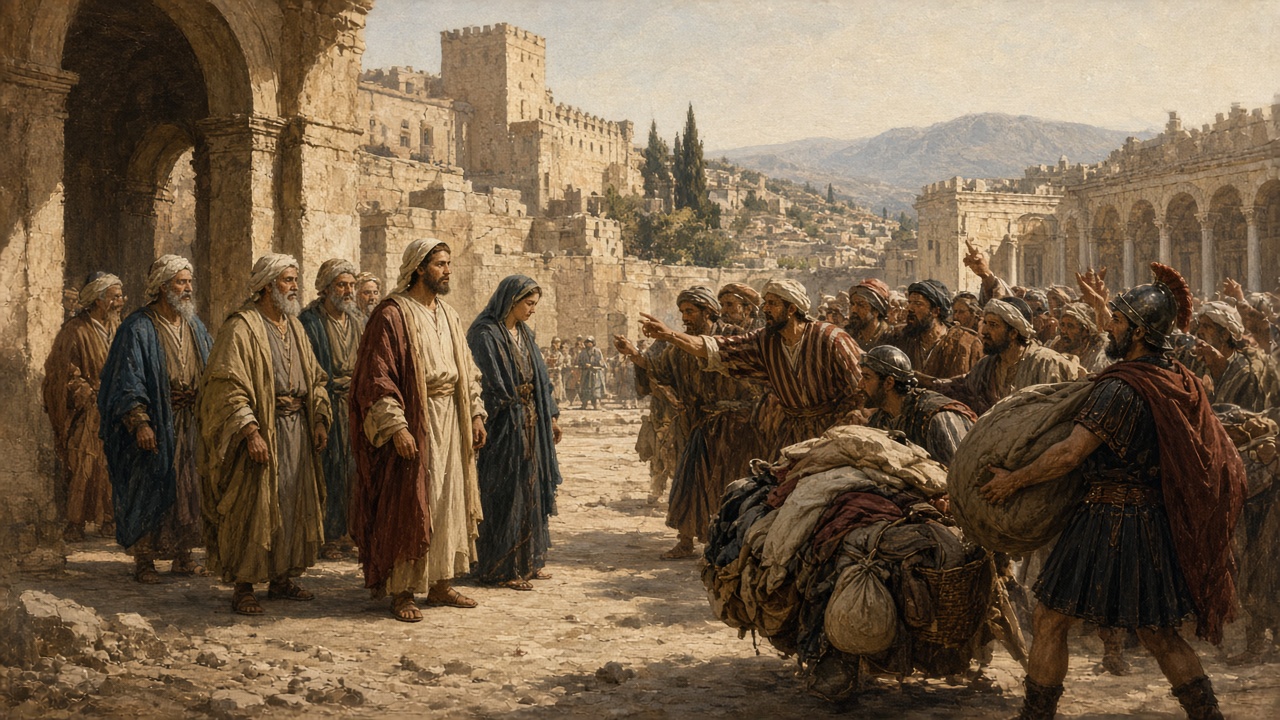
- Rejecting the law of Moses, the chapter says, brought death without mercy on the testimony of two or three witnesses. It then recalls an earlier time when the readers endured public ridicule and persecution, stood with those so treated, sympathized with people in prison, and joyfully accepted the confiscation of their property.Sources: the Bible text itself
Notes written with AI assistance from open sources (Theographic Bible Metadata, CC BY-SA 4.0; Easton’s Bible Dictionary, public domain) and reviewed before publishing.
Places in this chapter
Only places identified with high confidence are shown (90% or more according to the scholarly sources compiled by OpenBible). Period map: DARE (Digital Atlas of the Roman Empire), CC BY 4.0; modern map: © OpenStreetMap contributors; places: OpenBible.info (CC BY 4.0).
Credits and license for this translation
Tẹsitamenti Ikne n'Ọnu Ikwere
New Testament in Ikwere
copyright © 2010 Wycliffe
Language: Ikwere
Translation by: Wycliffe
Ikwerre – (ikw) Nigeria
The Iwerre language of Nigeria can also be spelled Ikwere and Ikwerri. This language is spoken primarily by the Ikwerre people who live in the Rivers State of Nigeria and is one of the many ethnic groups in the Niger Delta. There were more than 23,000 speakers of this language in 1973. There is also a considerable local interest in literacy and grammar.
Copyright Information
© 2010, The Nigeria Bible Translation Trust. All rights reserved.
This translation text is made available to you under the
terms of the Creative Commons License: Attribution-Noncommercial-No Derivative Works.
( http://creativecommons.org/licenses/by-nc-nd/3.0/ )
In addition, you have permission to port the text to different file formats, as long as you
do not change any of the text or punctuation of the Bible.
You may share, copy, distribute, transmit, and extract portions
or quotations from this work, provided that you include the above copyright
information:
You must give Attribution to the work.
You do not sell this work for a profit.
You do not make any derivative works that change any of the actual words or punctuation of the Scriptures.
Permissions beyond the scope of this license may be
available if you contact
us with your request.
Printed book ISBN 9789789076369
New
The New Testament
in Ikwere
© 2010, The Nigeria Bible Translation Trust. All rights reserved.
This translation is made available to you under the terms of the
Creative Commons Attribution-Noncommercial-No Derivatives license 4.0.
You may share and redistribute this Bible translation or extracts from it in any format, provided that:
You include the above copyright and source information.
You do not sell this work for a profit.
You do not change any of the words or punctuation of the Scriptures.
Pictures included with Scriptures and other documents on this site are licensed just for use with those Scriptures and documents.
For other uses, please contact the respective copyright owners.
2019-08-09
Source: http://ebible.org/ikwNT/ · eBible.org