Acts 16
Tẹsitamenti Ikne n'Ọnu Ikwere · Tap a verse to see its cross-references.
Timoti snornu Pọlu // nụ Saịlasi zne
1Pọlu zne Dẹbi nụ Lisitira. Otu nye sno apna Jizọsi zị pịi, nye rẹwhna a bụ Timoti, nne a bụ nyerinya Ju ke kweru ekwe, kọvu nda a bụ nye Giriki. 2Kpakara rụmu nda ele zị nụ Lisitira nụ Aịkoniom nookwu Timoti ọka ọma. 3Pọlu pioru o kwuru Timoti zne, ọ kpa a nka. O mernu ka kwnornu nụ kpakara ele Ju wu n'ẹli ka maam nụ nda a bụ́o nye Ju. 4Kpa be neezne hite n'otu ẹli-ọhna dụ n'ẹli-ọhna berere, be nyee ele kweru ekwe iwu ke ele izi nụ ele okno badnụ zị nụ Jerusẹlem nyernu, kanụ be be bịta kpakara iwu ka. 5Kpakara ọgbako Chiokike gwuzosi rikne n'ọkwnata ovu, naabahnasị n'ọbochi n'ọbochi.
Pọlu whnụrnu ọwhnurninya // nụ Torasi
6Be gawhe n'esilawụru ẹli Firigia nụ Galasia, kwnornu nụ Enine Nsọ kwéle be kpọ okwo izi ọma nụ ẹli Esia. 7Nga be dụru n'ike ẹli Misia, be pio o zne ẹli Bitinia, kọvu Enine Jizọsi kwéle be. 8Kam kpayarụ be jiri zne Misia nụ Torasi. 9Pọlu whnụ ọwhnurninya n'abalị hne ọ whnụrnu otu nwerukna Masidonia, gwuzo nụ ruwhnu a naarịasno a, “Bikno, va Masidonia yisinu aị aka.” 10Kpa Pọlu whnụrnu ọwhnurninya ka, ngangam a jiknernu o zne Masidonia, kwnornu nụ a kweru nụ Chiokike sukwuru aị kpọ okwo izi ọma pịi.
Lidiya nụ ele ọro a
11A kwọru ọgbo hite nụ Torasi otu ngam zne Samotirasi, n'ekile a zne Niapolisi. 12A hite nụ pịi zne Filipaị, ẹli ele Rom nẹechi ke bụ risi ọchichi ẹli Masidonia. A dazịri ọbochi ele nụ ele n'ẹli wam. 13N'Ọbochi Ozukwa Inwe a whọga n'ẹli-ọhna zne ngeri osimini, hne a leru anya nụ a jọowhnu hne be kpe okpukpe. A dazịri ẹli bete o kwunu ele rinya ele gbakọru pịi ọka. 14Otu nye bnoteru nsnị bụ Lidiya nye hi nụ Taịtira, nye neere iwo odno odno. O bụ nwerinya neekpenu Chiokike, Nyenwe aị kpume mkpọma a, o bno nsnị nhne Pọlu nookwu. 15Nga be wụru a mini ya nụ kpakara ele ọro a, o sukwu aị, kaa, “Ọ bụru nụ anụ kweru nụ m bụ m nye kweru nụ Nyenwe aị, anụ va dazịri n'ọro m.” O kwnagidne aị.
Pọlu nụ Saịlasi n'ọro ikelu
16Otu ọbochi kpa a neezne hne okpukpe, otu ọhi rinya nye rẹnwu ọjo nwụgwu zuru aị, nye nookwu nhne jeeme n'ige zị nụ ruwhnu. Ọ naakpanụ ele nwe a agịda ịwai hite n'ọwhnurninya. 17Nnwọ rinya ka snornu aị nụ Pọlu neesi okokoba, kaa, “Ele rukna ka bụ ele izi Chiokike ke Kakwo Nhne Dum Olu. Be neegesi anụ apna anụ jeenwe ọznohia.” 18Ka bụ nhne o neeme agịda ọbochi, tem ovu we Pọlu ẹhni, ọ tụhnasna kanụ rẹnwu ọjo wam, “M ji m rẹwhna Jizọsi Karaịsi nyee i iwu, hi nụ rime a whụya.” Rẹnwu ọjo wam hi nụ rime a whụya ngangam.
19Nga ele nwe a whnụrnu nụ apna be neeji naakpa ịwai mesnirni, be pnụrnu Pọlu nụ Saịlasi zne n'esilawụru ahịa n'aka ele nẹechi ẹli-ọhna. 20Be gwuzote be nụ ruwhnu ele risi, kaa, “Ele rukna ka bụ ele Ju, be neegweya mkpakpọ nụ rime ẹli-ọhna aị. 21Be neezni omen'ẹli ke megidnernu iwu aị ele Rom, ke a nwée rikne bịtali mọbu mee nhne be neezni.”
22Agịda badnụ wam yisi aka megidne be, ele risi dọwa iwo Pọlu nụ Saịlasi, nyee iwu be pnịa be nhne. 23Nga be pnịakworu be nhne k'agịda, be tụbna be nụ rime ọro ikelu, kanụ nye risi ọro ikelu o legidne be anya nkarị. 24Nga nye risi ọro ikelu nụrnu iwu ka, ọ tụbna be nụ rime rime ọro ikelu, tụsi ọchi be nụ rime igwe isisi.
25N'esilawụru abalị Pọlu nụ Saịlasi bete neekpe okpukpe, nọogwnunu Chiokike eri ọznarni, ele ikelu berere noobnonu be nsnị. 26Ngangam, ẹli tnernu enye, ke mernu ntụ-ẹli ọro ikelu mernu imerne. Ngangam, kpakara ọnuhna gbamarnụ, ijigba dnahnala n'ẹhni kpakara ele ikelu. 27Nye risi ọro ikelu wam tnenyarnụ n'anyarna, nga ọ whnụrnu kpakara ọro ikelu gbamarnụ, o che nụ kpakara ele ikelu gbawhulem, ọ mnịornu ama-ọgwnu a ma o gbu ẹhni a. 28Kọvu Pọlu siwama okokoba, kaa, “I mékasị ẹhni ị nhne, kpakara aị zị hna.”
29Nye nye risi ọro ikelu wam kaa be nyee a tọnji, ọ gbabna rime ọro ikelu, ọ marnụ rụruru dna n'ẹli n'ọchi Pọlu nụ Saịlasi. 30O kwuhịa be, sịkwa be, “Ele nwe m, kịni bụ nhne me jeeme ma be znọhia m?”
31Be kaa, “Kweru nụ Nyenwe aị Jizọsi, be jọoznohia jị nụ ele ọro ị.” 32Be kwunu a izi ọma Nyenwe aị, ya nụ kpakara ele zị n'ọro a. 33N'ige abalị wam, nye risi ọro ikelu wam kwuru be, snụ ẹnya be, otu ngam be wụ ya nụ ele ọro a mini. 34Nye risi ọro ikelu wam kwuru Pọlu nụ Saịlasi la n'ọro a, nyee be wiri, mkpọma sọru a n'ọnu, ya nụ ele ọro a, kwnornu nụ be kweruru nụ Chiokike.
35N'ọsisi, ele risi ẹli-ọhna zizne ele badnụ be sịgbasi ele rukna wam la. 36Nye risi ọro ikelu wam kanụ Pọlu, “Ele risi nyernu iwu jị nụ Saịlasi la. Anụ la n'udno.”
37Kọvu Pọlu kanụ ele wam be duyaru, “Be mágele aị ikpe nhne ọjo ọbula, be pnịa aị nhne n'ahịa, hne a bụ ele Rom. Be tụbna aị n'ọro ikelu. Kịtna, be nẹesigbasi aị nụ mgwụgwa? Ọ́za! Ele ọchichi ele risi ẹli-ọhna jaava hna, gbahịa aị n'ọro ikelu.”
38Ele wam znernu kanụ ele risi ẹli-ọhna nhne Pọlu kwuru. Nga be nụrnu nụ be bụ ele Rom, ogwnu tụru be. 39Be zne rịasno be, gbahịa be n'ọro ikelu, kanụ be whọga nụ rime ẹli be. 40Pọlu nụ Saịlasi whọga n'ọro ikelu, zne n'ọro Lidiya. Be nụ rụmu nda whnụ, be kwunu be ikwu-ọnu ọsnuta mkpọma, gharụ be, la.
Did you know?
From Lystra to Philippi
- At Lystra, Paul met Timothy, a disciple of whom the brothers in Lystra and Iconium spoke well, the son of a believing Jewish woman and a Greek father. Wanting him as a companion, Paul had him circumcised on account of the Jews there, who knew that his father was Greek. Easton's Bible Dictionary (1897) says Timothy probably lived in Lystra and seems to have been converted during Paul's earlier visit.Sources: the Bible text itself · Timotheus
- After being kept from speaking in the province of Asia, Paul and his companions traveled through Phrygia and Galatia. At the border of Mysia they were not permitted to enter Bithynia, so they went down to Troas, Mysia's chief port on the northwest coast of Asia Minor, a city named for ancient Troy about four miles to the north. There a night vision of a man of Macedonia pleading for help led them to sail to that Roman province north of Greece.Sources: the Bible text itself · Mysia · Troas · Macedonia
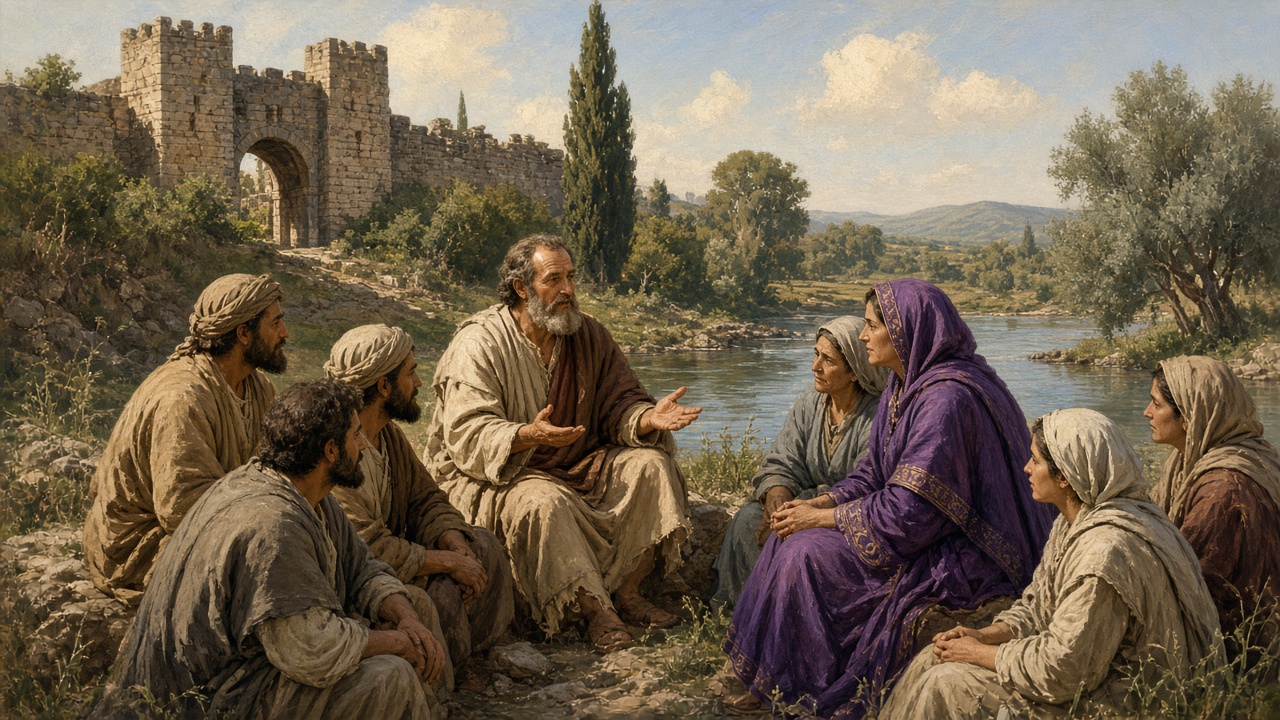
- In the Roman colony of Philippi, Paul and his companions found a customary place of prayer by the river outside the city gate, where women had gathered. Among them was Lydia, a dealer in purple cloth from Thyatira and a worshiper of God; after she and her household were baptized, she persuaded the travelers to stay at her house. Easton's Bible Dictionary (1897) describes her as a proselyte of considerable wealth and as the first person in Europe to embrace Christianity.Sources: the Bible text itself · Lydia
Notes written with AI assistance from open sources (Theographic Bible Metadata, CC BY-SA 4.0; Easton’s Bible Dictionary, public domain) and reviewed before publishing.
Places in this chapter
- Lystra · Today: Tel Lystra · 37.602, 32.338 · verses 1, 2
- Iconium · Today: Konya · 37.872, 32.492 · verse 2
- Jerusalem · 31.777, 35.234 · verse 4
- Asia · 38.400, 28.300 · verse 6
- Galatia · 39.267, 32.983 · verse 6
- Phrygia · 39.000, 31.000 · verse 6
- Bithynia · 40.500, 31.000 · verse 7
- Mysia · 40.000, 28.500 · verses 7, 8
- Troas · Today: Alexandria Troas · 39.752, 26.159 · verses 8, 11
- Greece · 37.972, 23.727 · verse 9
- Macedonia · 41.600, 22.540 · verses 9, 10, 12
- Neapolis · Today: Kavala · 40.935, 24.415 · verse 11
- Samothrace · Today: Samothraki · 40.450, 25.583 · verse 11
- Philippi · 41.012, 24.285 · verse 12
- Thyatira · Today: Akhisar · 38.920, 27.837 · verse 14
Only places identified with high confidence are shown (90% or more according to the scholarly sources compiled by OpenBible). Period map: DARE (Digital Atlas of the Roman Empire), CC BY 4.0; modern map: © OpenStreetMap contributors; places: OpenBible.info (CC BY 4.0).
Credits and license for this translation
Tẹsitamenti Ikne n'Ọnu Ikwere
New Testament in Ikwere
copyright © 2010 Wycliffe
Language: Ikwere
Translation by: Wycliffe
Ikwerre – (ikw) Nigeria
The Iwerre language of Nigeria can also be spelled Ikwere and Ikwerri. This language is spoken primarily by the Ikwerre people who live in the Rivers State of Nigeria and is one of the many ethnic groups in the Niger Delta. There were more than 23,000 speakers of this language in 1973. There is also a considerable local interest in literacy and grammar.
Copyright Information
© 2010, The Nigeria Bible Translation Trust. All rights reserved.
This translation text is made available to you under the
terms of the Creative Commons License: Attribution-Noncommercial-No Derivative Works.
( http://creativecommons.org/licenses/by-nc-nd/3.0/ )
In addition, you have permission to port the text to different file formats, as long as you
do not change any of the text or punctuation of the Bible.
You may share, copy, distribute, transmit, and extract portions
or quotations from this work, provided that you include the above copyright
information:
You must give Attribution to the work.
You do not sell this work for a profit.
You do not make any derivative works that change any of the actual words or punctuation of the Scriptures.
Permissions beyond the scope of this license may be
available if you contact
us with your request.
Printed book ISBN 9789789076369
New
The New Testament
in Ikwere
© 2010, The Nigeria Bible Translation Trust. All rights reserved.
This translation is made available to you under the terms of the
Creative Commons Attribution-Noncommercial-No Derivatives license 4.0.
You may share and redistribute this Bible translation or extracts from it in any format, provided that:
You include the above copyright and source information.
You do not sell this work for a profit.
You do not change any of the words or punctuation of the Scriptures.
Pictures included with Scriptures and other documents on this site are licensed just for use with those Scriptures and documents.
For other uses, please contact the respective copyright owners.
2019-08-09
Source: http://ebible.org/ikwNT/ · eBible.org