2 Corinthians 4
Tẹsitamenti Ikne n'Ọnu Ikwere · Tap a verse to see its cross-references.
Ẹkwnu ke zị nụ rime // ite rịzna
1Kam kpayarụ, hne Chiokike nyernu aị ẹrnu ka hite n'obirizi a, a jéekwe inwe gwụ aị. 2Tnụnuma, a sịgbasiri kpakara nhne ke tugwaru otugwa ke tụ iwhnerne. A zá nọogho aghịgho mọbu mee ikwu-ọnu Chiokike aghalaghala. A gwuzo nụ ruwhnu Chiokike nookwu ezi ọka, neegesi ele badnụ nụ a bụ ele ezi ọka. 3Ọ bụru nụ be tugwaru izi ọma a nọokpo okwo a otugwa, ọ bụ n'anya ele noowhu owhu. 4Chi ke ọwa ka mernu mkpọma ele ke kwé ekwe gba ọchichiri. O mernu be whnụ́na iwhne ke izi ọma nọomukwasi be, bụ izi ọma igwugwu Karaịsi, nye bụ oyiyi ke Chiokike n'ezi. 5Kwnornu nụ a zá nọokponu ẹhni aị okwo, kọvu a nọokpo okwo Jizọsi Karaịsi bụ Nyenwe aị, aị n'iwhuru aị bụ ele izi anụ kwnornu Karaịsi. 6Chiokike wam ke karụ, “Iwhne mụ n'ọchichiri,” bụ otu Chiokike wam ke mernu iwhne a mụkwasi nụ mkpọma aị, ma a mụhia igwugwu Chiokike ke a nọowhnu nụ ruwhnu Karaịsi.
7A nwernu ẹkwnu ka nụ rime ite rịzna, ke neegesi nụ rikne ke kakwo rikne hi nụ Chiokike, ọ bụ́o nụ rime aị. 8Be naakpakna aị ẹhni n'apna ọbula, kọvu inwe zá nọogwu aị, a neenwe mkpọma lawụru, kọvu inwe zá nọogwu aị. 9Ele irno naakpakna aị ẹhni, kọvu Chiokike ghásala aị etekne. Be mekasi aị ẹhni, kọvu a nwụ́na. 10A vu n'ẹhni aị ẹnwu Jizọsi ige ọbula, ma bụdnu Jizọsi whụya iwhne nụ rime aị. 11Aị ele zị bụdnu zị n'ọnu ẹnwu ige ọbula kwnornu Jizọsi, ma bụdnu a whụya iwhne n'anọ-ẹhni aị ke nọonwu ọnwu. 12Kam kpayarụ, ẹnwu nọornu ẹrnu nụ rime aị, kọvu bụdnu zị nụ rime anụ.
13Be gbarụ n'ọkwukwo nsọ, kaa, “M kwuru m ọka kwnornu nụ m kweru m.” A ji otu enine ọkwnata ovu wam kwu ọka kwnornu nụ a kweru ekwe. 14A magwụ nụ Chiokike wam ke mernu Jizọsi hi n'ẹnwu lizọ, jeeme a snornu Jizọsi hi n'ẹnwu lizọ masị, mee aị nụ anụ gwuzoru nụ ruwhnu a. 15Kpakara nhne ka bụ kwnornu anụ, ma oru ke naabanụ anụ ọba dụnu agịda ele badnụ, ma be tụnu Chiokike mmamma k'agịda, neenye a igwugwu.
16Kam kpayarụ, inwe zá nọogwu aị, ọ bụ n'ezi nụ a naata ẹhni n'anọ-ẹhni aị, kọvu badnụ ke enine aị zị ikne ikne hite n'ọbochi dụ n'ọbochi. 17Awhnụwhnu matị ka a naata neegweyanụ aị okne igwugwu ke zị ọkwnukokwnu ke kakwo kpakara awhnụwhnu. 18A zá neele anya nhne a nọowhnu anya, kọvu nhne a whnụ́ anya. Kwnornu nụ nhne a nọowhnu anya zị ige matị, kọvu nhne a zá nọowhnu anya zị ọkwnukokwnu.
Did you know?
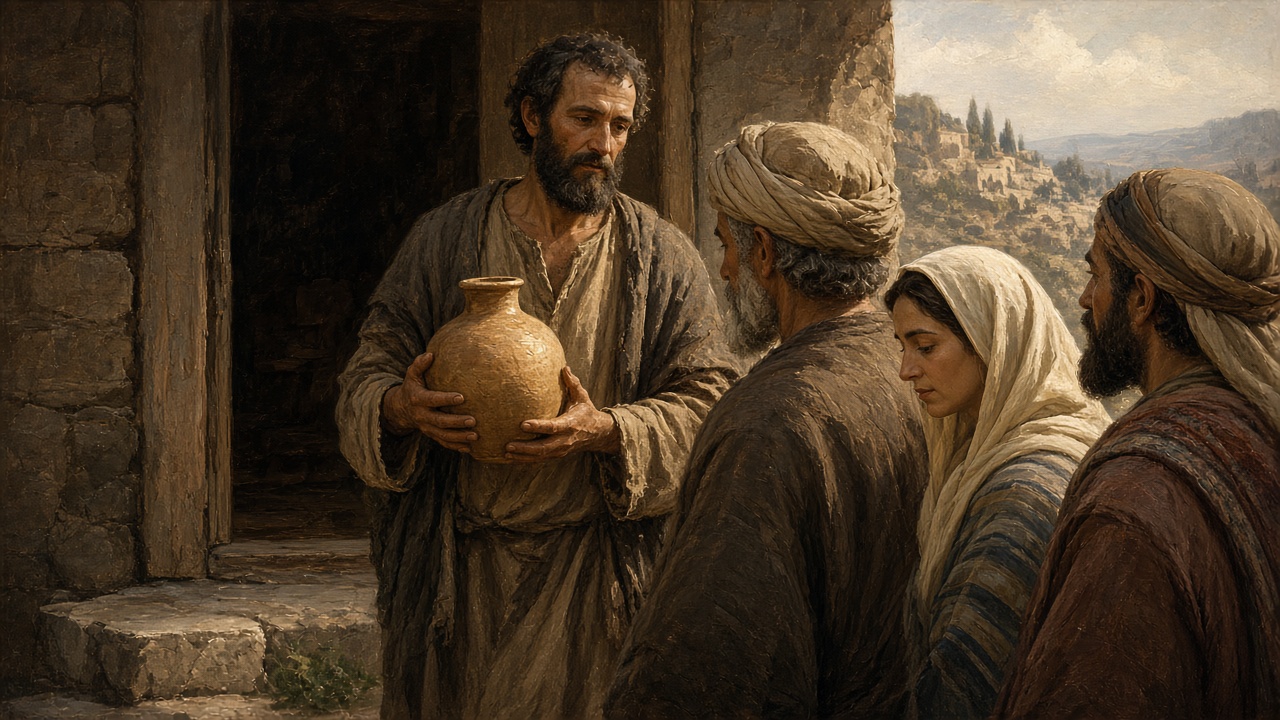
Treasure in Jars of Clay
- In this chapter the speakers say that, because God in his mercy has given them this ministry, they do not lose heart. They have renounced secret and shameful ways: they do not practice deceit or distort the word of God, but by the open proclamation of the truth they commend themselves to every person's conscience in the sight of God.Sources: the Bible text itself
- Their message is pictured as a treasure held in jars of clay, so that this surpassingly great power is shown to be from God and not from them. The same contrast runs through their hardships: hard pressed on all sides but not crushed, perplexed but not in despair, persecuted but not forsaken, struck down but not destroyed.Sources: the Bible text itself
- Light is the chapter's other central image. God, who said, "Let light shine out of darkness," is said to have shone his light in their hearts to give the light of the knowledge of the glory of God in the face of Jesus Christ. They proclaim not themselves but Jesus Christ as Lord, and themselves as servants of those they address, for Jesus' sake; if the gospel is veiled, the text says it is veiled to those who are perishing, whose minds "the god of this age" has blinded.Sources: the Bible text itself
Notes written with AI assistance from open sources (Theographic Bible Metadata, CC BY-SA 4.0; Easton’s Bible Dictionary, public domain) and reviewed before publishing.
Credits and license for this translation
Tẹsitamenti Ikne n'Ọnu Ikwere
New Testament in Ikwere
copyright © 2010 Wycliffe
Language: Ikwere
Translation by: Wycliffe
Ikwerre – (ikw) Nigeria
The Iwerre language of Nigeria can also be spelled Ikwere and Ikwerri. This language is spoken primarily by the Ikwerre people who live in the Rivers State of Nigeria and is one of the many ethnic groups in the Niger Delta. There were more than 23,000 speakers of this language in 1973. There is also a considerable local interest in literacy and grammar.
Copyright Information
© 2010, The Nigeria Bible Translation Trust. All rights reserved.
This translation text is made available to you under the
terms of the Creative Commons License: Attribution-Noncommercial-No Derivative Works.
( http://creativecommons.org/licenses/by-nc-nd/3.0/ )
In addition, you have permission to port the text to different file formats, as long as you
do not change any of the text or punctuation of the Bible.
You may share, copy, distribute, transmit, and extract portions
or quotations from this work, provided that you include the above copyright
information:
You must give Attribution to the work.
You do not sell this work for a profit.
You do not make any derivative works that change any of the actual words or punctuation of the Scriptures.
Permissions beyond the scope of this license may be
available if you contact
us with your request.
Printed book ISBN 9789789076369
New
The New Testament
in Ikwere
© 2010, The Nigeria Bible Translation Trust. All rights reserved.
This translation is made available to you under the terms of the
Creative Commons Attribution-Noncommercial-No Derivatives license 4.0.
You may share and redistribute this Bible translation or extracts from it in any format, provided that:
You include the above copyright and source information.
You do not sell this work for a profit.
You do not change any of the words or punctuation of the Scriptures.
Pictures included with Scriptures and other documents on this site are licensed just for use with those Scriptures and documents.
For other uses, please contact the respective copyright owners.
2019-08-09
Source: http://ebible.org/ikwNT/ · eBible.org