1 Timothy 6
Tẹsitamenti Ikne n'Ọnu Ikwere · Tap a verse to see its cross-references.
1Nye ọbula ke bụ ọhi whnụ nụ ọ nọoso nye nwe a anya lele kpa o kwesiri, ma be gharụ ọ kaja rẹwhna Chiokike nụ iznizni a. 2Ele ọhi ke ele nwe be kweru nụ Chiokike lédna be anya, kwnornu nụ be bụ rụmu nda. Tnụnuma, be rnụnu be ẹrnu ka mma kwnornu nụ ele neerihịa mbnarna n'ẹrnu be bụ ele kweru ekwe, ele be whnụrnu n'anya. Ka bụ nhne i kwesiri neezni, ma be neeme masị be.
Ọwhnu ịwai n'anya
3Ọ bụru nụ nye ọbula neezni iznizni aghalaghala, ke kwéle nụ n'iznizni ke nọotu ogwnu Chiokike nụ iznizni ke zị snam ke Nyenwe aị Jizọsi Karaịsi, 4nye wam bụ nye oknomokno. Kọvu ọ máa nhne ọbula. Echiche a bụ́o ọma, ka noodubna nụ okno ọka, nụ ọwho-anya, ọlu ọgwnu, ọka ọjo, anya ọjo, 5ọdogbuta zị n'esilawụru ele ovu ọjo, ele tuwhuru ezi ọka. Be neeche nụ okpenu Chiokike bụ apna be jeeji neenwehịa iru ke be.
6Kọvu okpenu Chiokike nụ rụwho ojiji bnarnụ mbnarna k'agịda. 7Kwnornu nụ ọ zá nhne a vuru va n'ọwa, a nwée masị rikne vuru nhne ọbula whọga nụ rime a. 8Kọvu ọ bụru nụ a nwernu wiri oriri nụ iwo o kpusni ẹto aị, ka kwesiri o ji aị rụwho. 9Ele noopio ọ bụru ele eze naadnabna nụ rime ọrnurna nụ mbịta, nụ agịda nhne iwhnirniwhno ke naakpakna be ẹhni, ke noodubna ele badnụ nụ mwhu. 10Kwnornu nụ ọwhnun'anya ịwai bụ mgbarẹgwnugwnu kpakara nhne ọjo zị ọdo nụ ọdo. Agwna ele noopio ịwai k'agịda kpawhuru n'ọkwnata ovu, gweru agịda nhne igbugbu mekasi ẹhni be ẹhni.
Lụ ọgwnu ọma // ke ọkwnata ovu
11Kọvu, jị badnụ ke Chiokike, gbanahọru kpakara nhne ka. Tnụnuma, snornu ome mma, ọtu ogwnu Chiokike, ọkwnata ovu, ọwhnun'anya, ndidi nụ ọzi wọhnernerne. 12Lụ ọgwnu ọma ke ọkwnata ovu. Jikwasi bụdnu kwó okwo aka ke Chiokike nyernu i nga ị kwuhịaru ọkwnata ovu i nkarị nụ ruwhnu agịda ele akebne. 13Nụ ruwhnu Chiokike nye neenye kpakara nhne bụdnu, nụ Karaịsi Jizọsi, nye gbarụ akebne ọma nụ ruwhnu Pọntiosi Paịleti, m neenye i iwu, 14bịta nhne ka ma ị gharụ o nwe ntụpo nụ ọtna tem Nyenwe aị Jizọsi Karaịsi va, 15nye Chiokike jeegweya n'ige ke a, nye nwe ngọzi, nye nẹechi kpọi, Eze kakwo ele eze, nụ Nyenwe kakwo ele nwe. 16Chiokike ke zị bụdnu ọkwnukokwnu, nye wu n'iwhne ke ọ zá nye nwernu rikne vadu ndụndu, nye ọ zá nye whnụleru anya, mọbu whnụli a anya, ọson'anya nụ rikne bụru ke a tim tọm. Amịm.
17Dọ ele eze ke ọwa ka aka nụ nsnị be bụ́o ele oknomokno, be tụ́kwasi ẹkwnu be ovu, ke jáazị tim tọm, kọvu be tụkwasi Chiokike ovu nye naasama aka a neenye aị kpakara nhne bụru ọma ke a neeri. 18Dọ be aka nụ nsnị, be mee nhne bụru ọma, be bụru ele barụ aba n'ome nhne bụru ọma, ele ovu ọma ke neekesi ele badnụ nhne be nwernu. 19Be mee kpam, be nọotu ntụ-ẹli bụru ọma ke zị kwem n'ige naava, ma be nwehịa bụdnu ke bụ ezi.
20Timoti, legidne nhne be yisiri ị n'aka anya nkarị. Whọga nụ nhne ọbula ke neegweya ikwu-ọnu ke neemegidne ogwnu Chiokike nụ ọka iwhnirniwhno ke nụ lele nụ o nwernu akọniche, kọvu o nwée. 21Agwna ele badnụ snornu a kpawhu n'ọkwnata ovu.
Oru Chiokike dazịnu anụ.
Did you know?
Godliness, Contentment, and Timothy's Charge
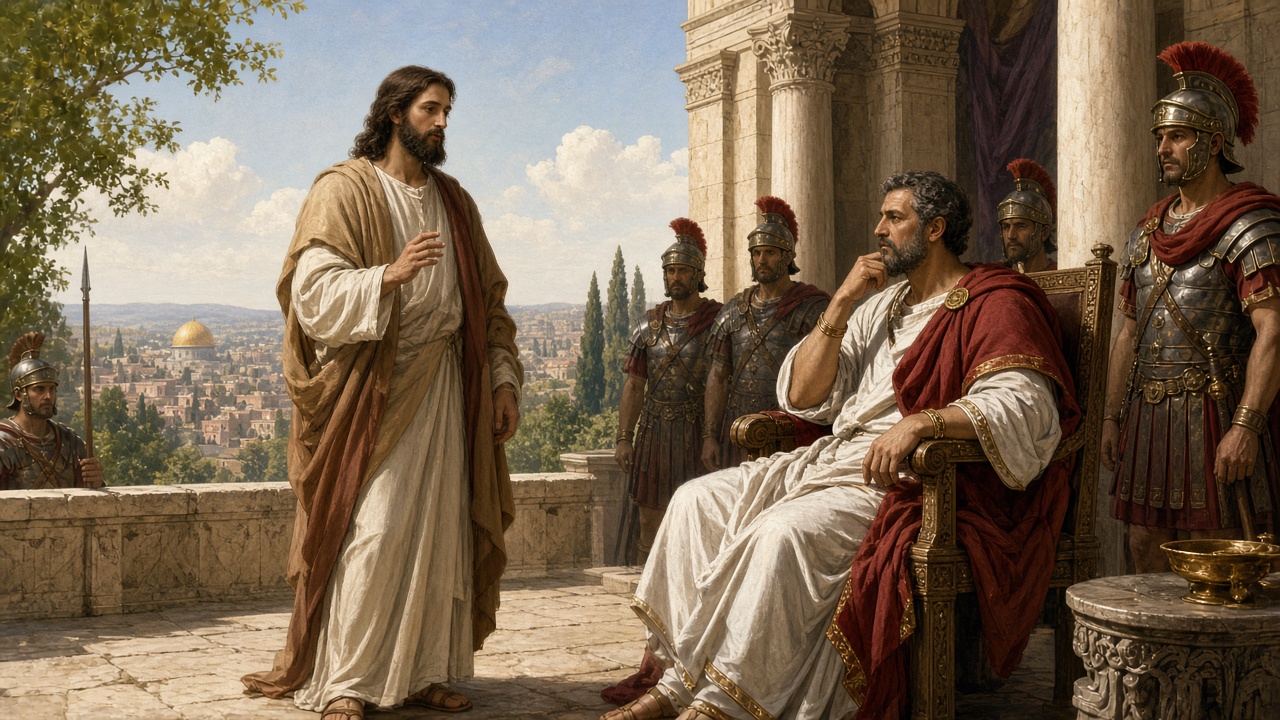
- This chapter's solemn charge recalls that Christ Jesus made the good confession in his testimony before Pontius Pilate. Pilate was the sixth Roman procurator of Judea, from A.D. 26 to 36, with headquarters at Caesarea, though he often went up to Jerusalem; his time in office covered the ministries of John the Baptist and of Jesus, and his name is remembered especially in connection with Jesus' trial.Sources: the Bible text itself · Pontius Pilate
- The chapter addresses Timothy as a man of God and tells him to guard what has been entrusted to him. The name Timotheus means honoring God. He was a young disciple and Paul's companion on many journeys; his mother Eunice and his grandmother Lois are mentioned as eminent for their piety, and his father was a Greek.Sources: the Bible text itself · Timotheus
Notes written with AI assistance from open sources (Theographic Bible Metadata, CC BY-SA 4.0; Easton’s Bible Dictionary, public domain) and reviewed before publishing.
Credits and license for this translation
Tẹsitamenti Ikne n'Ọnu Ikwere
New Testament in Ikwere
copyright © 2010 Wycliffe
Language: Ikwere
Translation by: Wycliffe
Ikwerre – (ikw) Nigeria
The Iwerre language of Nigeria can also be spelled Ikwere and Ikwerri. This language is spoken primarily by the Ikwerre people who live in the Rivers State of Nigeria and is one of the many ethnic groups in the Niger Delta. There were more than 23,000 speakers of this language in 1973. There is also a considerable local interest in literacy and grammar.
Copyright Information
© 2010, The Nigeria Bible Translation Trust. All rights reserved.
This translation text is made available to you under the
terms of the Creative Commons License: Attribution-Noncommercial-No Derivative Works.
( http://creativecommons.org/licenses/by-nc-nd/3.0/ )
In addition, you have permission to port the text to different file formats, as long as you
do not change any of the text or punctuation of the Bible.
You may share, copy, distribute, transmit, and extract portions
or quotations from this work, provided that you include the above copyright
information:
You must give Attribution to the work.
You do not sell this work for a profit.
You do not make any derivative works that change any of the actual words or punctuation of the Scriptures.
Permissions beyond the scope of this license may be
available if you contact
us with your request.
Printed book ISBN 9789789076369
New
The New Testament
in Ikwere
© 2010, The Nigeria Bible Translation Trust. All rights reserved.
This translation is made available to you under the terms of the
Creative Commons Attribution-Noncommercial-No Derivatives license 4.0.
You may share and redistribute this Bible translation or extracts from it in any format, provided that:
You include the above copyright and source information.
You do not sell this work for a profit.
You do not change any of the words or punctuation of the Scriptures.
Pictures included with Scriptures and other documents on this site are licensed just for use with those Scriptures and documents.
For other uses, please contact the respective copyright owners.
2019-08-09
Source: http://ebible.org/ikwNT/ · eBible.org