Mark 12
Elu Ọhụn: Ẹkụkwọ-Nsọ (Azụụn Ọhụn rịn'a) · Tap a verse to see its cross-references.
Ilu Jesu Gi Ndị Wẹ Ye Ugbo Lefụ Ẹnya Ta
1Jesu nọ tama nị wẹ ilu, sị, “Okẹnnyẹ ohu nwẹ alị vaịnị, hụn o kẹnhunmẹ ụgba, guzi olu wẹ nọ a pịnpụha manya-vaịnị ye imẹ ẹ, tụn ụlọ nche imẹ ẹ, bu ya wụ alị vaịnị che ẹka ndị sikọ d'a rụn n'a e-gbu-e-ke, ọ nọ jẹnmẹ alị ịhịan. Alị-vaịnị lẹ ebe wẹ nọ a pịnpụha manya-vaịnị rịn'a|src="lb00103b.jpg" size="span" loc="MRK 12" copy="Horace Knowles; The British & Foreign Bible Society" ref="12.1" 2O ru ogẹn vaịnị, ọ nọ zijẹn odibo ohu d'e kunrun ndị hụ ugbo hụ rị ẹka d'e wẹhẹ hụn wẹ ketọn'a. 3Wẹ nọ kwọndọn onyẹ hụ o zijẹn, gbu e ili, gbama a ẹka chụpụ. 4Okẹnnyẹ hụ nọ zijẹn ni wẹ odibo ọzọ, wẹ nọ ti ẹ ihiẹn isi, gbe ifẹnrẹn ye ẹ ihun. 5Ọ nọ zijẹnzi ọzọ, wẹ nọ gbu ẹ. Ẹrịra kẹ wẹ mẹzi ndị bu ọda o zijẹnzi; e gbu wẹ ndị hụ imẹ wẹ ili, gbu ndị hụ imẹ wẹ ozun.
6Onyẹ ohu sụọ họdụ o kelẹni zi: ezi nwa a. Omẹgụụ, ọ nọ zijẹn ni wẹ nwa a, sị, ‘Wẹ jẹnkọ d'a gbaye nwa m.’ 7Kanị ndị hụ nọ sị ibe wẹ, ‘Onyẹni sikọ d'e weri uku ẹ ile omẹgụụ, bịa nị nị ẹnyi gbu ẹ kẹni ihiẹn nkẹ e ru ẹ ẹka wụrụ nke ẹnyi!’ 8'Ya wẹ nọ kwọndọn nwa a hụ, gbu ẹ, gha imẹ ugbo hụ tụpụ a.”
9“Kị ọnụ ro nị 'ya kẹ onyẹ hụ nwẹ ugbo hụ jẹnkọ d'e mẹ? O sikọ d'a bịa d'e tikpọ ndị hụ, we alị-vaịnị hụ ye ndị ọzọ.
10Ụnụ e ke gụntu ẹ imẹ Ẹhụhụọ-nsọ nị
‘Ọmụma hụ ndị rị a tụn ụlọ jụ a wụrụọlẹ ọmụma gi ụlọ.
11Di-nwọnni-ẹnyi 'ya mẹ ẹ,
ihiẹn a tụ ẹnya rọ ebe ẹnyi rị!’ ”
12Makẹni ndị-ndu ndị Ju a ghọtagụọ nị uwẹ k'ọ ta nị ilu hụ, wẹ te nọ chọ nị wẹ nwụnrụn a, kanị egun ndị rị ebahụn anịnị wẹ. Wẹ nọ la a tọ, gha ebahụn pụ.
Ajụjụ Banyeni Ịkụ Ụgwọ-isi
13Ya ndị-ndu nọ zi ndị hụ imẹ ndị Itu-Farisi lẹ ndị itu Hẹrọdụ d'a chọ ihiẹn rị Jesu ọnụ, nị wẹ gi ẹ kwọndọn ẹ. 14Wẹ nọ bịa d'e kunrun Jesu, sị a, “Onyẹ-nkuzi, ẹnyi a marịnghọ n'ị wụ onyẹ ezioku, nị y'a ra lee ịhịan ẹnya ihun, y'a ra gbeyeni ịhịan, kama, y'a kuzi ụzọ Osolobuẹ k'ọ rị. Gwa ẹnyi nwan, ọ hụghọ mma nị ẹnyi kụ eze-kanị wụ Siza ụgwọ-isi ra ọ rị mma? 15Nị ẹnyi kụ wẹ ra ẹnyi akụlẹ?” Kanị, Jesu a hụngụọ a nị wẹ gi ẹro bịa, ọ nọ sị wẹ, “Kị haịn ụnụ gi e shini m ọnyan? Wẹhẹ ni ni m akpụrụ egho dinarịọsị, nị m lele ẹ.”
16Wẹ nọ wẹhẹn'ẹ akpụrụ ego dinarịọsị ohu. Ọ nọ sị wẹ, “Isi lẹ ẹfan onyẹ wụ hụnnị?” Wẹ nọ sị a, “Nke Siza rọ.”
17Jizọsị nọ sị wẹ, “We ni ihiẹn Siza ye Siza, ọnụ e we ihiẹn Osolobuẹ ye Osolobuẹ.” Ihiẹn ọ za nọ tụkẹnmẹ wẹ ẹnya.
Ajụjụ Banyeni Ịgha Ọnwụn Lihi
18O nwọn ndị Itu-Sadusi bịa d'e kunrun Jesu. Ndị Itu-Sadusi weri ẹ nị ndị nwụnnị ara lihi. Wẹ nọ jụ Jizọsị ụtaa, sị a, 19“Onyẹ-nkuzi, Mozizi ye ẹnyi iwu, sị, ‘Omẹni okẹnnyẹ a nwụnhụn, latọ nwunyẹ ẹ, bụ ọ mụnị nwa, nwẹnẹ-ẹ-okẹnnyẹ y'a lụma nwunyẹ nwẹnẹ ẹ hụ, kẹni ọ mụdọnni nwẹnẹ ẹ nwụnhụnnị ụmụ.’ 20O nwọn umunẹ ikẹnnyẹ ẹsa; onyẹ ibuzọ imẹ wẹ a lụ nwunyẹ, ọ nwụnhụn bụ ọ mụnị nwa. 21Hụn mẹ wẹ ẹbụọ nọ lụma okpoho hụ, ọ nwụnhụnzị bụ ọ mụnị nwa. Ẹrịra kẹ hụn mẹ wẹ ẹtọ jẹnzi. 22Wẹ mmadụ ẹsa lụgbarị okpoho hụ, nwụnhụnchanrịn, bụ a mụnị wẹ nwa. Omẹgụụ okpoho hụ nọ nwụnhụn. 23Ogẹn ndị nwụnnị jẹnkọ d'e gi lihi, onyẹ k'o jẹnkọ d'a wụ nwunyẹ ẹ, ebe o mẹ ni wẹ ẹsa lụgbarị a?”
24Jesu nọ sị wẹ, “Ụnụ a marịn Ẹkụkwọ-nsọ, ọnụ a marịn ikẹn Osolobuẹ, ya haịn ụnụ gi e fie ụzọ, ẹlẹ 'ya? 25Ogẹn ndị nwụnnị sikọ d'e gi lihi, alụkọ wẹ di lẹ nwunyẹ, eyekọ wẹ wẹ lụrụ, wẹ jẹnkọ d'a rị kẹ ndị mmọn-ozi rị elu-igwee. 26O mẹ nke iweli ndị nwụnnị, ụnụ e ke gụn imẹ Ẹkụkwọ Mozizi, ebẹhụ ọ nọ ku banyeni akụ-ọfịa hụ rị e nwụn ọkụn, kẹ Osolobuẹ dọn sị Mozizi, ‘Mmẹ wụ Osolobuẹ Ebraham, Osolobuẹ Aziki, nị Osolobuẹ Jekọpụ’? 27'Ya wụ n'ọ wụ Osolobuẹ ndị rị ndụn, ẹlẹ nke ndị nwụnhụnnị. Ụnụ e fiechanrịngụọ ụzọ.”
Iwu Kachanrịn Mkpa
28Onyẹ-nkuzi Iwu ohu nọ jẹnzụnhan, nụ kẹ wẹ-wẹ rị a dọ ndọndọ, hụnzị nị Jesu za wẹ ọhụnma, ọ nọ jụ Jesu ọtaa, sị, “Elee iwu kachanrịn mkpa?”
29Jesu nọ za a, sị, “Hụn kachanrịnnị wụ ọnwan: ‘Ọnụ ndị Izrẹlụ, gọn ni ntịn! Di-nwọnni-ẹnyi wụ Osolobuẹ ẹnyi, ịya sụọ wụ Nna.’ 30‘I jẹnkọ d'e gi obi ị ile lẹ enwẹn i ile lẹ uche i ile lẹ ikẹn i ile nwẹ ihiẹn-ọsụsụọ Di-nwọnni-ẹnyi wụ Osolobuẹ i.’ 31Hụn mẹ ẹ ẹbụọ wụ ọnwan: ‘Ihiẹn ibe i sikọ d'a sụọrịrị ị kẹ ihiẹn enwẹn i dọn a sụọ ị.’ O nwọnni iwu ọzọ ka ndịnị.”
32Onyẹ-nkuzi Iwu hụ nọ sị Jizọsị, “Y'e kughọ ọhụnma onyẹ-nkuzi. Eziẹ k'i ku nị Di-nwọnni-ẹnyi sụọ wụ Osolobuẹ, ọzọ arị a, 33lẹni igi obi i ile lẹ nghọha ị ile lẹ ikẹn i ile nwẹ ihiẹn-ọsụsụọ Osolobuẹ lẹ ịnị ihiẹn ibe i a sụọ ị kẹ ihiẹn enwẹn i dọn a sụọ i kachanrịn ẹjan ile wẹ dụn ọkụn lẹ ẹjan ndị ọzọ ile mkpa a rị.”
34Ogẹn Jizọsị gi hụn a n'ọ za ọhụnma, ọ nọ sị onyẹ-nkuzi Iwu hụ, “Y'a nọkunmẹgụọ Alị-eze Osolobuẹ.”
Ogẹn ọnwan gi mẹgụụ, o nwọnzini onyẹ egun nị jụ Jesu ajụjụ.
Ajụjụ Banyeni Mezaya, Onyẹ Hụ Osolobuẹ Tumẹ
35Ogẹn Jesu gi rị imẹ Ụlọ-nsọ a kuzi, ọ nọ sị, “Kị haịn ndị-nkuzi Iwu gi e ku ni Kraịstị wụ nwa Defidi?” 36“Bụ Defidi lẹ enwẹn ẹ ku oku ghahanị Mmọn-nsọ, sị,
‘Di-nwọnni-ẹnyi sị Di-nwọnni-m;
nọdị alị ẹka-nni m,
d'e ru mgbe m bugụụ ndị iṅẹnrẹn i
che okpuru ụkụ ị’
37Ebe o mẹ ni Defidi lẹ enwẹn ẹ kpọ a ‘Di-nwọnni-m,’ nanị k'o dọn nwan wụrụ nwa Defidi?”
Ihiẹn ọ rị e ku hụ a sụọ igunrun hụ ụsụọ.
Jesu A Dọ Wẹ Ẹka-ntịn Banyeni Ndị-nkuzi Iwu
38K'o dọn rị a kuzi, ọ sị, “Kpachanpụ nị ẹnya banyeni ndị-nkuzi Iwu, ọ sụọ wẹ nị w'e yi ẹkwa tueni a ghahunmẹ; ọ sụọzị wẹ nị wẹ e kele wẹ ekele pụ-ichẹn imẹ afịa; 39ọ sụọ wẹ nị w'a nọdị isi-ocho imẹ ụlọ-ofufe, a nọdị isi-ocho wẹ gha e ri oriri. 40W'e gi ẹro e rigbu ikpoho di wẹ nwụn lẹ ụlọ wẹ, e gi ekpere sueni e kpumẹ ẹ. Ikpe-ọmụma wẹ jẹnkọ d'a ka njọ.”
Oyiye Ogbẹnnyẹ Di Ẹ Nwụn Ye
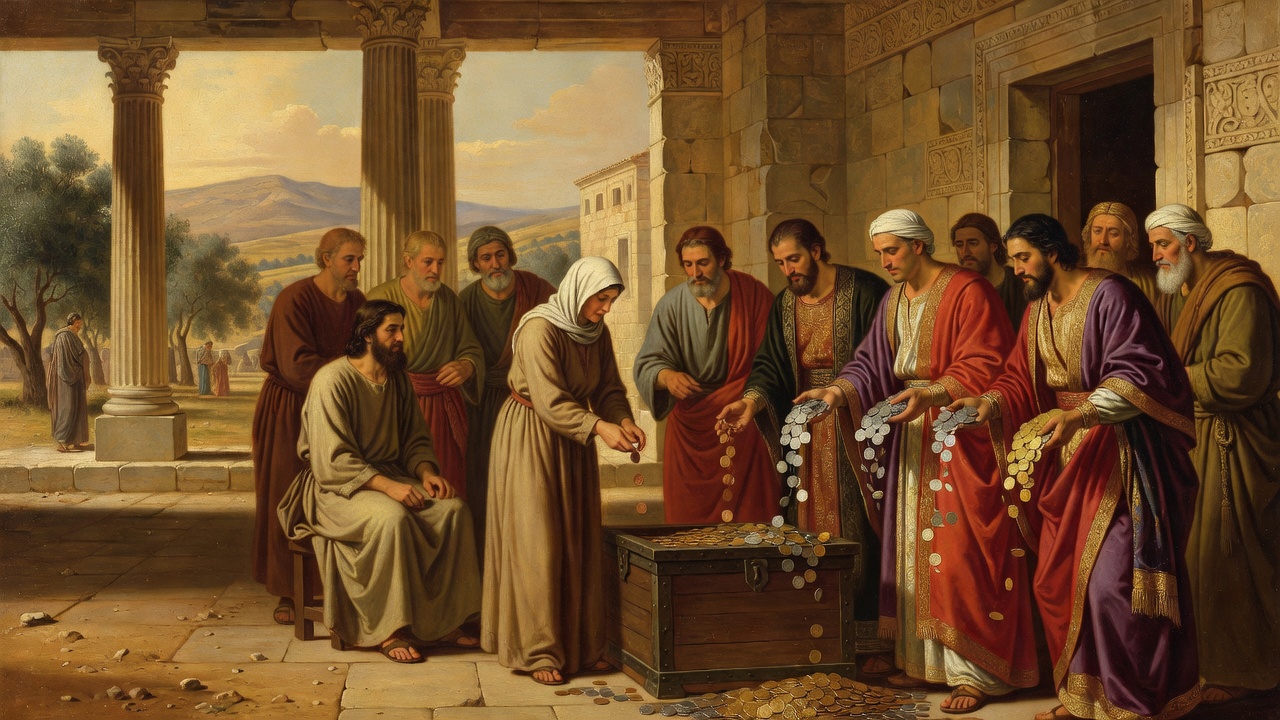
41Jesu nọ nọdị alị bu ihun zinmẹ ebe w'e buche oyiye, e lee kẹ igunrun hụ rị e buche egho imẹ ebẹhụ. Ndị ịdafịn bu ọda hụ e buche egho hini. 42Ogbẹnnyẹ ohu di ẹ nwụn nọ bịa d'e buche akpụrụ egho kọpa ẹbụọ mẹ ẹkẹrẹ, 'ya wụ ịkọbọ. 43Jizọsị nọ kpọ ụmụ-azụụn a, sị wẹ, “Ogbẹnnyẹni di ẹ nwụn buchekarị ịhịan ile hụn rị e buche ego imẹ ebe w'e buche oyiye. 44Makẹni wẹ ile gha imẹ hụn bu ọda wẹ nwẹ ye, kanị 'ya lẹ enwẹn ẹ, k'o mẹhan ogbẹnnyẹ, yechanrịn ihiẹn ile o nwọn, ihiẹn ile o nwọn hụn o gi bi.”
Did you know?
Debates in the Temple
- The Sadducees, who say there is no resurrection, question Jesus about seven brothers and one widow, appealing to what Moses wrote. He points them to the burning bush in the Book of Moses, where God says, “I am the God of Abraham, the God of Isaac, and the God of Jacob.” Abraham, “father of a multitude,” was Terah’s son; Isaac was Abraham’s only son by Sarah; and Jacob was the second-born of the twin sons of Isaac and Rebekah.Sources: the Bible text itself · Abraham · Isaac · Jacob (Israel)
- Asked which commandment is the most important, Jesus begins, “Hear, O Israel, the Lord our God, the Lord is One,” and adds, “Love your neighbor as yourself.” Israel is another name for Jacob, the second-born twin son of Isaac and Rebekah; Jacob’s name is explained as one who follows on another’s heels, or supplanter.Sources: the Bible text itself · Jacob (Israel)
- Teaching in the temple courts, Jesus asks how the scribes can say that the Christ is the Son of David if David himself calls him “Lord.” David, whose name means “Beloved,” was the eighth and youngest son of Jesse, a citizen of Bethlehem, and his early occupation was tending his father’s sheep on the uplands of Judah.Sources: the Bible text itself · David
Notes written with AI assistance from open sources (Theographic Bible Metadata, CC BY-SA 4.0; Easton’s Bible Dictionary, public domain) and reviewed before publishing.
Credits and license for this translation
Elu Ọhụn: Ẹkụkwọ-Nsọ (Azụụn Ọhụn rịn'a)
Revision of New Testament in Ika
copyright © 2010 Wycliffe
Language: Ika
Translation by: Wycliffe
Ika (ikk) Nigeria
In Nigeria the word Ika is not only the name of the Ika
people, but is also used to designate a local government area in the Akwa Ibom
State. The Ika people are a sub group of the Igbo people. It is interesting to note
that Ika is the name of a town in Croatia is one of the eight Annang local
government areas of the local government areas in Akwa Ibom State. An alternative
name for the Ika people is Ika-Annang. There appears to be another dialect of Ika
that is spoken in Delta State of Nigeria.
Copyright Information
© 2010, Wycliffe. All rights reserved.
This translation text is made available to you under the terms of the Creative
Commons License: Attribution-Noncommercial-No Derivative Works. ( http://creativecommons.org/licenses/by-nc-nd/3.0/ ) In addition, you have
permission to port the text to different file formats, as long as you do not change
any of the text or punctuation of the Bible.
You may share, copy, distribute, transmit, and extract portions or quotations from
this work, provided that you include the above copyright information:
You must give Attribution to the work.
You do not sell this work for a profit.
You do not make any derivative works that change any of the actual words or
punctuation of the Scriptures.
Permissions beyond the scope of this license may be available if you contact us
with your request.
Printed book ISBN 9789789037056
Revision
The New Testament
in Ika
© 2010, Wycliffe. All rights
reserved.
This translation is made available to you under the terms of the
Creative Commons Attribution-Noncommercial-No Derivatives license 4.0.
You may share and redistribute this Bible translation or extracts from it in any format, provided that:
You include the above copyright and source information.
You do not sell this work for a profit.
You do not change any of the words or punctuation of the Scriptures.
Pictures included with Scriptures and other documents on this site are licensed just for use with those Scriptures and documents.
For other uses, please contact the respective copyright owners.
2019-08-09
Source: http://ebible.org/ikkNT/ · eBible.org