Matthew 8
Elu Ọhụn: Ẹkụkwọ-Nsọ (Azụụn Ọhụn rịn'a) · Tap a verse to see its cross-references.
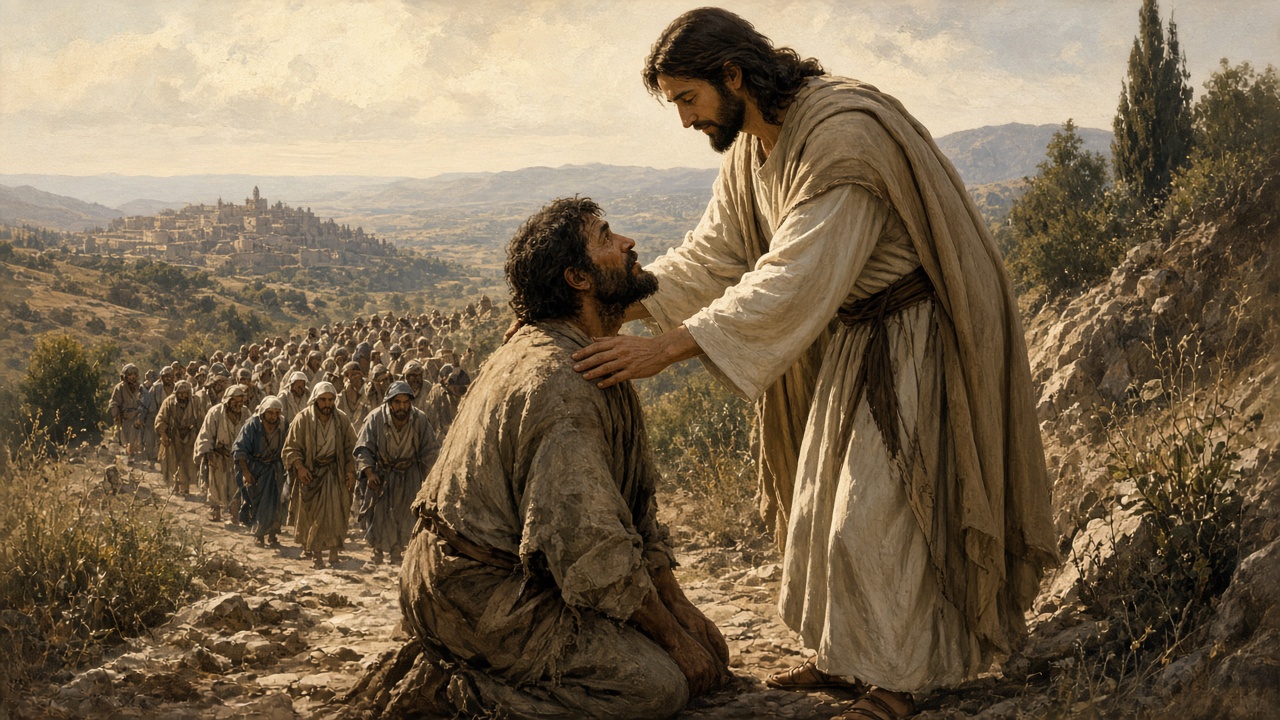
Jizọsị A Zụọ Onyẹ-oti
1Ogẹn Jesu gi hidan enu oke hụ, igunrun hi-ogbe nọ sọnmẹ ẹ. 2'Ya Okẹnnyẹ ohu wụ onyẹ-oti nọ bịa d'e kunrun ẹ, gbun'ẹ osekpu sị, “Di-nwọnni-ẹnyi, ọwụnị y'a chọghọ, i k'e ri-ẹka zụọ m, a rị m ọchan.”
3Jesu nọ tịnpụ ẹka, mẹtụ a, sị, “A chọghọ m, dịnhịn n'ị rị ọchan.” Ozigbo, oti hụ nọ gha a ẹhụ pụ, ọ nọ rị ọchan. 4Jizọsị nọ sị a, “Hụn a n'o nwọnni onyẹ ị gwa ihiẹnni; ka we enwẹn i d'a ghọsị onyẹ nchụ-ẹjan, y'e ye oyiye hụ Mozizi ku imẹ Iwu—gi ghọsị wẹ nị y'a dịnhịngụọ.”
Jizọsị A Zụọ Odibo Onyẹ-isi-agha Ndị Rom
5Ogẹn Jizọsị gi banhan imẹ Kapanọm, onyẹ Romu ohu wụ ọkị-agha, hụn a kị ndị-agha ọgụn-isẹn nọ bịa d'e kunrun ẹ, rịọ a, 6sị, “Di-ọkpa, emu rị a kụ odibo m, o dinẹ edinẹ ụlọ—ọ ra sa ẹka mẹhunmẹ, ọ rị imẹ okẹn afụnfụn.” 7Jizọsị nọ sị a, “M sikọ d'a bịa d'a zụọ a.”
8Kanị onyẹni a kị ndị-agha ọgụn-isẹn nọ sị a, “Di-ọkpa, eruni m onyẹ i sikọ d'a banhan iwe ẹ, ka kuhụ oku sụọ, odibo m k'a dịnhịn. 9Makẹni, mmẹ nwẹn rị okpuru ịhịan, nwọnzikwọ ndị-agha rị okpuru m. M'a sị onyẹ ohu, ‘Jẹn,’ o jẹn; m'a sị onyẹ ọzọ, ‘Bịa,’ ọ bịa; sịzị igbọn m, ‘Mẹ ihiẹnni,’ o mẹ ẹ.”
10Ogẹn Jizọsị gi nụ ihiẹn o ku, ọ tụ a ẹnya; ọ nọ sị ndị rị e sọn n'ẹ, “M rị a gwa ọnụ ezioku, ahụntuni m onyẹ Izrẹlụ nwẹ okukwe nọ ẹnịna. 11M rị a gwa ụnụ, ndị bụ ọda sikọ d'a gha azụụn ile bịa, kẹ azụụn ọwụwa-ẹnya-anwụn kẹ azụụn ndịdan ẹnya-anwụn, bịa d'e sọn Ebraham lẹ Aziki lẹ Jekọpụ e ri oriri imẹ Alị-eze elu-igwee; 12kanị ụmụ Alị-eze, sikọ d'a wụ ndị wẹ tụ ye ezi imẹ ishi, ebe wẹ jẹnkọ d'a nọ a kwan ẹkwan, a ta nkwẹnrẹn-eze.” 13Ọ nọ sị onyẹ hụ hụn a kị ndị-agha ọgụn-isẹn, “Jẹnmẹ; ya rịn'ị k'i dọn kweri.”
Ogẹn hụ hụra, odibo ẹ nọ dịnhịn.
Jizọsị A Zụọ Ndị Bu Ọda
14Ogẹn Jizọsị gi banye iwe Pita, ọ nọ hụn nị nnẹ nwunyẹ Pita dinẹ edinẹ—emu rị a kụ a, ẹhụ-ọkụn rị e nwun ẹ. 15Ọ nọ mẹtụ a ẹka, 'ya ẹhụ-ọkụn hụ nọ hapụ a. Ọ nọ lihi, lemẹ Jizọsị ọbịa.
16Ogẹn ẹnyasị hụ, wẹ nọ wẹhẹ ni Jizọsị ndị bu ọda eje-mmọn rịsọnmẹ imẹ wẹ, ọ nọ gi oku-ọnụ chụpụsọnmẹ mmọn ndịnị wẹ, zụọzịkwọ ndị ile emu rị a kụ. 17Ẹnịna k'o dọn mẹzu ihiẹn Chuku gi onyẹ-amụma wụ Azaya ku. Azaya sị,
“O wepụ ọrịa ẹnyi, buru emu ẹnyi.”
Ihiẹn Isọn Jizọsị Chọ
18Ogẹn Jizọsị gi hụn igunrun hi-ogbe nọhunmẹ n'ẹ, ọ nọ sị ụmụ-azụụn a fetu mirin hụ. 19'Ya onyẹ-nkuzi Iwu nọ bịa d'e kunrun ẹ, sị a, “Di-nwọnni-ẹnyi, m jẹnkọ d'e sọn i ebe ọwụlẹ i jẹnkọ.”
20Jizọsị nọ sị, “Ufu nwọn okporo; nnụnụ e fe elu nwọn ẹkụụ; kanị mmẹ wụ Nwa nke Ịhịan e nwọn ebe m'e buche isi m.” ufu|src="bk00051c.jpg" size="col" loc="MAT 8" copy="Horace Knowles; The British & Foreign Bible Society" ref="8.20" 21Onyẹ ọzọ imẹ ụmụ-azụụn a nọ sị a, “Di-ọkpa, nị m jẹngụụ d'e li nẹdi m.”
22Kanị Jizọsị nọ sị a, “Sọnmẹ m, hapụ ndị nwụnnị nị wẹ li ndị nke wẹ nwụnnị.”
Jizọsị E Tinyụn Ẹbi
23Ogẹn o gi banyegụụ imẹ ụgbọ-mirin, ụmụ-azụụn a nọ sọn ẹ banye. 24Idẹnmizi, ẹbi nọ kpọma, hụn wụ nị ebiri-mirin nọ kpọnbanma imẹ ụgbọ hụ; kalẹ Jizọsị rị ụran. 25'Ya wẹ nọ jẹn d'a kpọtiẹn ẹ, sị, “Di-nwọnni-ẹnyi, zụọpụha ẹnyi! Ẹnyi e d'a la iwi!”
26Ọ nọ sị wẹ, “Kị haịn ọnụ gi a tụ egun? Ụnụ ndị okukwe nta!” 'Ya ọ nọ lihi ọtọ, jụgbọ ẹbi hụ lẹ ebiri-mirin hụ. Ebe ọwụlẹ nọ mẹchanrịn rajụụ. ọ jụgbọ ebiri-mirin ahụn|src="WA03847b.jpg" size="col" loc="MAT 8" copy="Graham Wade; United Bible Societies" ref="8.26"
27Ọ tụkẹnmẹ wẹ ẹnya. Wẹ nọ sị, “Elee ụdị ịhịan wụ ọnwan? Hụn wụ nị ufere lẹ ebiri-mirin e humẹ n'ẹ isi!”
Jizọsị A Zụọ Mmadụ Ẹbụọ Eje-mmọn Rị Imẹ Wẹ
28Ogẹn o gi ru azụụn hụn-ẹbọ—hụn wụ alị ndị Gadara, ikẹnnyẹ ẹbụọ eje-mmọn rị imẹ wẹ nọ gha ikpẹkpẹ bịa d'e kunrun ẹ. Wẹ tumẹ ẹnya, e gbogbo, nke wụ nị o nwọnni onyẹ a saẹka a ghafe azụụn hụ. 29Idumuzi wẹ nọ yi oro, sị, “K'i gi ẹnyi e mẹ Nwa Osolobuẹ? Ị bịa d'e ye ẹnyi afụnfụn bụ ogẹn e ke ru?”
30Igunrun ezin rị ẹhụ ebẹhụ a kpa nni. 31Eje-mmọn ndị hụ nọ rịọ Jesu, sị, “Omẹlẹ y'a chụpụ ẹnyi, dodo zi ẹnyi ye imẹ igunrun ezin hụ.”
32'Ya ọ nọ sị wẹ, “Jẹnmẹ ni!” 'Ya wẹ nọ pụha, banyesọnmẹ imẹ ezin ndị hụ. Igunrun ezin hụ ile nọ kpọtu, zụnban imẹ mirin hụ, ragbu enwẹn wẹ.
33Ndị rị e du ezin ndị hụ nọ gbasi imẹ obodo d'a gwa wẹ ihiẹn ile mẹni lẹ ihiẹn mẹ ikẹnnyẹ ndị hụ eje-mmọn te rị imẹ wẹ. 34'Ya ndị obodo hụ nọ pụha d'e kunrun Jizọsị; ogẹn wẹ gi hụn a, wẹ nọ rịọ a n'ọ gha ẹgbẹrẹ wẹ pụ.
Did you know?
Healings, faith, and the sea
- Capernaum, which Jesus enters in this chapter, was a Galilean city not named in the Old Testament. Easton's Bible Dictionary (1897) says it became his “own city” after he left Nazareth, and it lists the centurion’s appeal and the healing at Peter’s house among the events set there.Sources: Capernaum · the Bible text itself
- Jesus says that many will come from east and west to share the banquet with Abraham, Isaac, and Jacob in the kingdom of heaven. Easton's Bible Dictionary (1897) calls Abraham the son of Terah and heir of the promises, Isaac Abraham’s only son by Sarah, and Jacob—also known as Israel—the younger twin son of Isaac and Rebekah.Sources: the Bible text itself · Abraham · Isaac · Jacob (Israel)
- Matthew presents that evening’s healings as fulfilling words spoken through the prophet Isaiah: “He took on our infirmities and carried our diseases.” Easton's Bible Dictionary (1897) identifies Isaiah as the son of Amoz, who prophesied in the reigns of Uzziah, Jotham, Ahaz, and Hezekiah.Sources: the Bible text itself · Isaiah
Notes written with AI assistance from open sources (Theographic Bible Metadata, CC BY-SA 4.0; Easton’s Bible Dictionary, public domain) and reviewed before publishing.
Places in this chapter
- Gadara · Today: Umm Qais · 32.656, 35.679 · verse 28
Only places identified with high confidence are shown (90% or more according to the scholarly sources compiled by OpenBible). Period map: DARE (Digital Atlas of the Roman Empire), CC BY 4.0; modern map: © OpenStreetMap contributors; places: OpenBible.info (CC BY 4.0).
Credits and license for this translation
Elu Ọhụn: Ẹkụkwọ-Nsọ (Azụụn Ọhụn rịn'a)
Revision of New Testament in Ika
copyright © 2010 Wycliffe
Language: Ika
Translation by: Wycliffe
Ika (ikk) Nigeria
In Nigeria the word Ika is not only the name of the Ika
people, but is also used to designate a local government area in the Akwa Ibom
State. The Ika people are a sub group of the Igbo people. It is interesting to note
that Ika is the name of a town in Croatia is one of the eight Annang local
government areas of the local government areas in Akwa Ibom State. An alternative
name for the Ika people is Ika-Annang. There appears to be another dialect of Ika
that is spoken in Delta State of Nigeria.
Copyright Information
© 2010, Wycliffe. All rights reserved.
This translation text is made available to you under the terms of the Creative
Commons License: Attribution-Noncommercial-No Derivative Works. ( http://creativecommons.org/licenses/by-nc-nd/3.0/ ) In addition, you have
permission to port the text to different file formats, as long as you do not change
any of the text or punctuation of the Bible.
You may share, copy, distribute, transmit, and extract portions or quotations from
this work, provided that you include the above copyright information:
You must give Attribution to the work.
You do not sell this work for a profit.
You do not make any derivative works that change any of the actual words or
punctuation of the Scriptures.
Permissions beyond the scope of this license may be available if you contact us
with your request.
Printed book ISBN 9789789037056
Revision
The New Testament
in Ika
© 2010, Wycliffe. All rights
reserved.
This translation is made available to you under the terms of the
Creative Commons Attribution-Noncommercial-No Derivatives license 4.0.
You may share and redistribute this Bible translation or extracts from it in any format, provided that:
You include the above copyright and source information.
You do not sell this work for a profit.
You do not change any of the words or punctuation of the Scriptures.
Pictures included with Scriptures and other documents on this site are licensed just for use with those Scriptures and documents.
For other uses, please contact the respective copyright owners.
2019-08-09
Source: http://ebible.org/ikkNT/ · eBible.org