Matthew 6
Elu Ọhụn: Ẹkụkwọ-Nsọ (Azụụn Ọhụn rịn'a) · Tap a verse to see its cross-references.
Emẹkwọlẹ Nị Wẹ Hụn Ị
1“Kpachanpụkwọ nị ẹnya amamgbe ihiẹn ọnụ rị e mẹni Osolobuẹ a wụrụ nị ụnụ rị e mẹ ni wẹ hụn ụnụ; makẹni ụnụ mẹ ẹ, ọnụ anarịnkọzị ụgwọ-ọrụn ẹka Nẹdi ụnụ hụn rị elu-igwee.”
Nkuzi Banyeni Imẹni Ndị-igbẹnnyẹ Ọhụnma
2“'Ya wụ, ogẹn ọwụlẹ ọnụ rị e ye ndị igbẹnnyẹ ihiẹn, akụlẹ ni ẹgogo rịkẹ kẹ ndị-ihunnaị dọn e mẹ imẹ ụlọ-ofufe lẹ ọkp'ụzọ, kẹni ịhịan ile hụn ụzọ ja wẹ mma. M rị a gwa ụnụ ezioku, a narịnchanrịngụọlẹ wẹ ụgwọ-ọrụn wẹ. 3Kama, ụnụ gha e ye ndị-igbẹnnyẹ ihiẹn, anịlẹ ni ẹka-ekpẹn ọnụ marịn ihiẹn ẹka-nni ụnụ rị e mẹ, 4kẹni ihiẹn ụnụ mẹ ni ndị-igbẹnnyẹ wụrụ ihiẹn zuerini; nị Nẹdi ụnụ hụn a hụn ihiẹn zuerini kụ ọnụ ụgwọ.”
Nkuzi Banyeni Ekpere
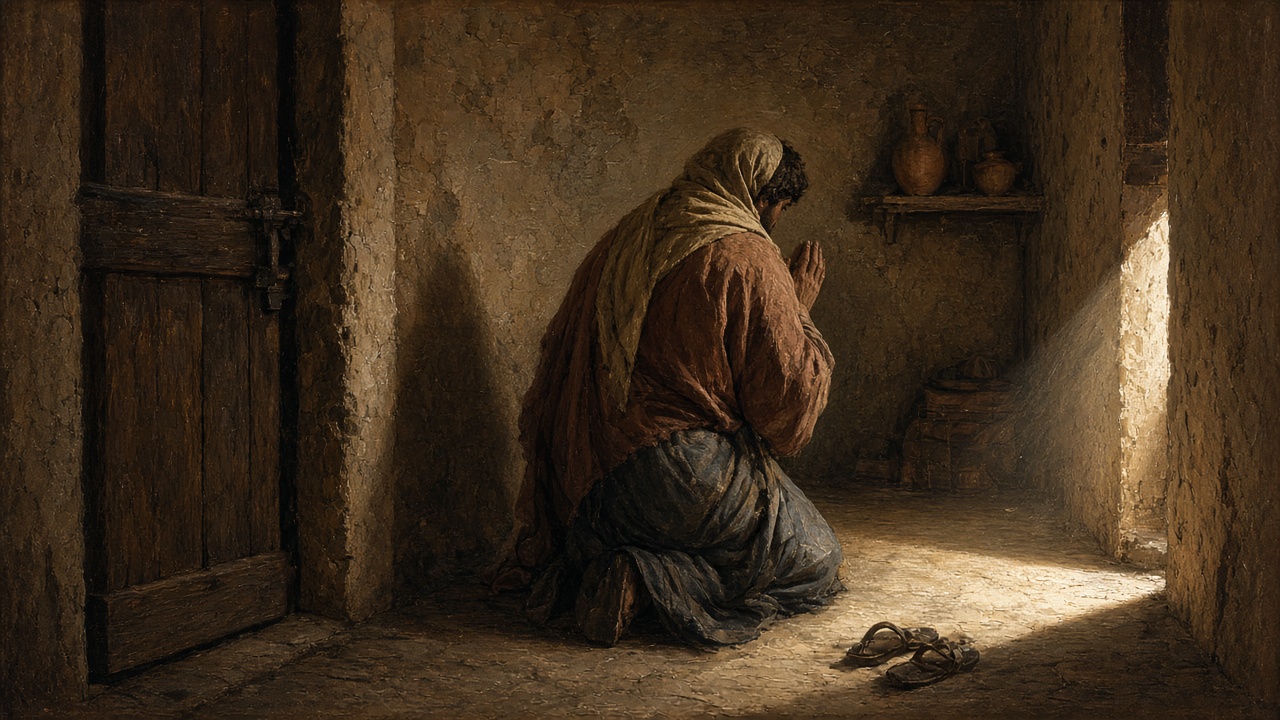
5“Ọzọzị, ụnụ gha e mẹ ekpere, emẹlẹ ni kẹ ndị-ihunnaị, makẹni ọ sụọ wẹ nị w'e turu imẹ ụlọ-ofufe lẹ ọkp'ụzọ e mẹ ekpere, kẹni ịhịan hụn wẹ. Ezioku kẹ m rị a gwa ụnụ, a narịnchanrịngụọlẹ wẹ ụgwọ-ọrụn wẹ. 6Kama, ụnụ jẹnkọnị d'e mẹ ekpere, ban nị mmụlọ, gụnma ụzọ, mẹ ekpere jẹnni Nẹdi ọnụ hụn wẹ ghalẹni e legha; Nẹdi ụnụ hụn a hụn ihiẹn zuerini sikọ d'a kụ ọnụ ụgwọ.”
7“Kanị ụnụ gha e mẹ ekpere, aghalẹ ni e ku oku ohu, e kudọnzi ẹ nọkẹ kẹ ndị hụn ghalẹni e fe Osolobuẹ dọn e mẹ, makẹni wẹ rị e ro ni ọtụtụ-oku wẹ kẹ wẹ sikọ d'e gi nụ ekpere wẹ. 8Anọlẹ ni nwan kẹ wẹ, makẹni Nẹdi ọnụ a marịnghọ ihiẹn rị ụnụ mkpa nị ụnụ d'a rịọma a.” 9“'Ya wụ, e mẹ ni nwan ekpere ẹnịna:
‘Nẹdi ẹnyi hụn rị elu-igwee,
wẹ dọnmẹ ẹfan ị nsọ.
10Alị-eze i ya bịa d'a kịma,
uche i ya mẹ elu-ụwa, rịkẹ kẹ o dọn e mẹ elu-igwee.
11Ye ẹnyi ihiẹn ẹnyi jẹnkọ d'e ri tannị;
12gbagharị ẹnyi eje-ihiẹn ndị ẹnyi mẹ, nọkẹ kẹ ẹnyi dọn gbagharị ndị hụn mẹ ẹnyi eje-ihiẹn.
13Edulẹ ẹnyi ye imẹ ọnwụnwan,
ka gbafụha ẹnyi ẹka Eje-onyẹ hụ.’ ”
14“Ẹghẹẹ, ọnụ gbagharị ndị ọzọ eje-ihiẹn wẹ mẹ ụnụ, Nẹdi ụnụ hụn rị elu-igwee sikọ d'a gbagharịzịkwọ ọnụ; 15kanị, ọwụnị ụnụ agbagharịnị ndị ọzọ eje-ihiẹn ndị wẹ mẹ ụnụ, Nẹdi ụnụ a gbagharịkọ ụnụ eje-ihiẹn ndị ụnụ mẹ.”
Nkuzi Banyeni Ibu-ọnụ
16“Ogẹn ọwụlẹ ụnụ rị e bu-ọnụ, erọnmẹlẹ ni ihun rịkẹ ndị ihunnaị. W'e rọnmẹ ihun, kẹni ịhịan ile hụn nị wẹ rị e bu ọnụ. Ezioku kẹ m rị a gwa ụnụ, a narịnchanrịngụọlẹ wẹ ụgwọ-ọrụn wẹ.”
17“Kama, ọnụ gha e bu ọnụ, te ni udẹn isi ụnụ n'o dẹn, fin ni ihun, ọnụ a ha ntutu, 18amamgbe w'a marịn nị ụnụ rị e bu ọnụ, kẹni Nẹdi ụnụ sụọ, hụn wẹ ghalẹni a hụn, marịn; Nẹdi ọnụ hụn a hụn ihiẹn zuerini sikọ d'a kụ ụnụ ụgwọ.”
Akụ-lẹ-ụba Hụn Rị Elu-igwee
19“Akpatọlẹ ni ni enwẹn ụnụ akụ-lẹ-ụba imẹ ụwanị, ebe ẹkịka sikọ d'a saẹka ripụ a, ebe o sikọ d'a saẹka gba nchara, ebe ohin sikọ d'a saẹka gbukpọ banye, zun. 20Kama, a kpatọ nị nị enwẹn ọnụ akụ-lẹ-ụba elu-igwee, ebe ẹkịka jẹnkọlẹni d'e ri-ẹka ripụ a, ebe o jẹnkọlẹni d'a nọ gba nchara, ebe ohin jẹnkọlẹni d'a saẹka gbukpọ. 21Makẹni ebe akụ-lẹ-ụba ụnụ rị, ịya kẹ obi ọnụ jẹnkọ d'a rịzị.”
Ukpẹ Hụn Zu Oke
22“Ẹnya wụ ukpẹ hụn rị ẹhụ. 'Ya wụ, omẹni ẹnya ụnụ rị ikẹn, ẹhụ ụnụ ile jẹnkọ d'e nwọn ukpẹ. 23Kanị, omẹlẹ ẹnya ọnụ arị ikẹn, ẹhịụ ụnụ ile sikọ d'a wụ ishi-ishi. O mẹ nwan nị ukpẹ hụ rị imẹ ụnụ wụ ishi, ishi hụ sikọ d'a karị ẹka!”
Odibo A Ra Saẹka Fee Nna Ẹbụọ
24“O nwọnni onyẹ a saẹka e fe nna ẹbụọ, makẹlẹ, ohu k'a rịkẹnmẹ ẹ mkpa, hụn-ẹbọ arịkakọ a mkpa; mọbụ o wechanrịn enwẹn ẹ ye ohu, legberi hụn-ẹbọ: y'a sakọ ẹka fe Osolobuẹ lẹ egho.”
Ehuelẹ Uhue, Chọgụụ Nke Osolobuẹ
25“'Ya wụ, m rị a gwa ọnụ, ehuelẹ ni uhue ihiẹn ụnụ jẹnkọ d'e ri mọbụ ihiẹn ụnụ sikọ d'a ra gi rị ndụn mọbụ ihiẹn ụnụ jẹnkọ d'e yiye ẹhụ ọnụ. Ẹlẹ ndụn ka ihiẹn-oriri mkpa? Ẹlẹ ẹhụ ka ẹkwa mkpa? 26Lekpọdẹ nị nnụnụ ndị hụn e fehunmẹni: w'a ra kụn ihiẹn mọbụ e we ihiẹn ugbo mọbụ dọnmẹ ihiẹn imẹ ọban, bụ Nẹdi ọnụ hụn rị elu-igwee hụ e ye wẹ ihiẹn-oriri. Ẹlẹ ụnụ ka wẹ mkpa a rị? 27Onyẹ imẹ ụnụ sikọ d'a saẹka gi uhue ọ rị e hue gi mgbahunmẹ ọkụlọkụ ohu tọcheni? 28Kị haịn ọnụ gizi e hue uhue ihiẹn ụnụ jẹnkọ d'e yi? Lekpọ nị kẹ obobo rị imẹ ọfịa dọn e sue: w'a ra rụn ọrụn, w'a ra kpa ẹkwa; 29kanị, m rị a gwa ọnụ nị, kẹ Solomọnụ nwẹhanlẹ ọghọ, o yini ihiẹn ọwụlẹ rịhan mma kẹ obobo ohu imẹ ndịnị. 30Omẹni Osolobuẹ e yimẹ ẹfịfịa rị ogige ihiẹn rị mma ẹnịna—ẹfịfịa hụn rị ndụn tannị, eki fọn e bu w'ẹ che imẹ ọkụn—o yimẹkọ ụnụ hụn ka mma? Euu, ndị okukwe nta! 31'Ya wụ, ehuelẹ ni nwan uhue, a sị, ‘Kị ẹnyi k'e ri?’ mọbụ ‘Kị ẹnyi k'a ra?’ mọbụ ‘Kị ẹnyi k'e yi?’ 32Ndị kwerilẹni, uwẹ a chụ ihiẹn ndịnị wẹ, bụ ezioku-ezioku, Nẹdi ụnụ hụn rị elu-igwee a marịnghọ nị ihiẹn ndịnị ile rị ọnụ mkpa; 33kama, chọmagụdẹ ni Alị-eze Osolobuẹ lẹ ihiẹn Osolobuẹ chọ, o sikọ d'e yezikwọ ụnụ ihiẹn ndịnị ile.”
34“'Ya wụ, ehuelẹ ni uhue banyeni ekile, makẹni ekile sikọ d'e nwọn nsọngbu nke ẹ; nsọngbu ụhụọhịn e zugụọ n'a.”
Did you know?
Secret righteousness and trust
- This chapter is part of the Sermon on the Mount. An event listing dates that sermon to AD 28 and records it as lasting one day.Sources: Sermon on the Mount · the Bible text itself
- Jesus says not to sound a trumpet in the synagogues and streets when giving to the needy, as the hypocrites do in order to be honored. He also warns against praying on street corners to be seen and against fasting with a disfigured face; instead, he describes praying in an inner room with the door shut, and fasting with an anointed head and a washed face.Sources: the Bible text itself
- Jesus says that not even Solomon in all his glory was adorned like one of the lilies of the field. A dictionary entry explains that his Hebrew name, Shelomoh, means “Peaceful,” that he was David’s son by Bathsheba, and that Nathan called him Jedidiah, “beloved of the Lord”; his reign is recorded in 1 Kings 1–11 and 2 Chronicles 1–9.Sources: the Bible text itself · Solomon
Notes written with AI assistance from open sources (Theographic Bible Metadata, CC BY-SA 4.0; Easton’s Bible Dictionary, public domain) and reviewed before publishing.
Credits and license for this translation
Elu Ọhụn: Ẹkụkwọ-Nsọ (Azụụn Ọhụn rịn'a)
Revision of New Testament in Ika
copyright © 2010 Wycliffe
Language: Ika
Translation by: Wycliffe
Ika (ikk) Nigeria
In Nigeria the word Ika is not only the name of the Ika
people, but is also used to designate a local government area in the Akwa Ibom
State. The Ika people are a sub group of the Igbo people. It is interesting to note
that Ika is the name of a town in Croatia is one of the eight Annang local
government areas of the local government areas in Akwa Ibom State. An alternative
name for the Ika people is Ika-Annang. There appears to be another dialect of Ika
that is spoken in Delta State of Nigeria.
Copyright Information
© 2010, Wycliffe. All rights reserved.
This translation text is made available to you under the terms of the Creative
Commons License: Attribution-Noncommercial-No Derivative Works. ( http://creativecommons.org/licenses/by-nc-nd/3.0/ ) In addition, you have
permission to port the text to different file formats, as long as you do not change
any of the text or punctuation of the Bible.
You may share, copy, distribute, transmit, and extract portions or quotations from
this work, provided that you include the above copyright information:
You must give Attribution to the work.
You do not sell this work for a profit.
You do not make any derivative works that change any of the actual words or
punctuation of the Scriptures.
Permissions beyond the scope of this license may be available if you contact us
with your request.
Printed book ISBN 9789789037056
Revision
The New Testament
in Ika
© 2010, Wycliffe. All rights
reserved.
This translation is made available to you under the terms of the
Creative Commons Attribution-Noncommercial-No Derivatives license 4.0.
You may share and redistribute this Bible translation or extracts from it in any format, provided that:
You include the above copyright and source information.
You do not sell this work for a profit.
You do not change any of the words or punctuation of the Scriptures.
Pictures included with Scriptures and other documents on this site are licensed just for use with those Scriptures and documents.
For other uses, please contact the respective copyright owners.
2019-08-09
Source: http://ebible.org/ikkNT/ · eBible.org