Matthew 26
Elu Ọhụn: Ẹkụkwọ-Nsọ (Azụụn Ọhụn rịn'a) · Tap a verse to see its cross-references.
E Rini Wẹ Jizọsị Ngo
1Ogẹn Jizọsị gi kugụụ ihiẹn ndịnị ile, ọ nọ sị ụmụ-azụụn a, 2“Ụnụ a marịnghọ nị akpụ-ụhụọhịn ẹbụọ ghafegụụ Mmẹmmẹ-Nghafe e ru. Ụhụọhịn hụ kẹ wẹ jẹnkọ d'e gi we mmẹ wụ Nwa nke Ịhịan ye wẹ kpọgbu.”
3Ogẹn ohu hụ o gi rị e ku ihiẹnni, ndị-isi nchụ-ẹjan lẹ ndị-isi rị imẹ ọgwa Kayafasị onyẹ-isi nchụ-ẹjan, e zu. 4Wẹ nọ tụgbama iroro nị wẹ gi nzuzue nwụnrụn Jizọsị gbu. 5Kanị, wẹ nọ sị, “Ẹlẹkwọ ogẹn mmẹmmẹni, amamgbe isusu gha rị.”
E Hukpu Wẹ Jizọsị Udẹn Imẹ Bẹtanị
6Ogẹn Jizọsị gi rị Bẹtanị, iwe onyẹ w'a kpọ Saịmọnụ onyẹ-oti, 7okpoho ohu nọ wẹhẹ ọgọ-alabasta udẹn ṅanrannị rị imẹ ẹ. Ọ nọ hu ẹ ye Jizọsị isi ebe ọ nọdị alị e ri ihiẹn-oriri. 8Kanị ogẹn ụmụ-azụụn a gi hụn ihiẹnni, iwe nọ wemẹ wẹ, wẹ nọ sị, “Elee iwi wụ ọnwan? 9Nkẹ w'e re udẹnni egho hi-ogbe, we ẹ ye ndị-igbẹnnyẹ.” 10Kanị, ogẹn Jizọsị gi marịn ihiẹn wẹ rị e ku, ọ nọ sị wẹ, “Kị haịn ọnụ gi e sọngbu okpohoni? Ihiẹn rị mma k'o mẹni m. 11Ụnụ lẹ ndị igbẹnnyẹ rị ebeni ogẹn ile, kalẹ mmẹ nwẹn esọnkọ ụnụ nọdị ebeni ogẹn ile. 12O gi udẹnni o hukpu m kwademẹ olili m. 13Ezioku kẹ m rị a gwa ọnụ, ebe ọwụlẹ wẹ nọ zi oziọma imẹ ụwa ile, wẹ jẹnkọ d'e ku ihiẹnni o mẹ, gi ẹ a nyanhan a.”
Judas' E Kweri N'ọ Re Jizọsị
14'Ya onyẹ ohu w'a kpọ Judas' Iskarọtụ, hụn wụ onyẹ ohu imẹ mmadụ mmẹbụọ hụ nọ jẹn d'e kunrun ndị-isi nchụ-ẹjan, 15sị wẹ, “Kịnị kẹ ụnụ jẹnkọ d'e ye m omẹni e we m Jizọsị ye ụnụ? Wẹ nọ kụ a mkpụrụ ego ọla (siva) iri-kwasị ọgụn, ego ọrụn akpụ-ụhụọhịn iri kwasị ọgụn,.” 16Gha ogẹn hụ jẹnmẹ, ọ nọ chọma oghere o jẹnkọ d'e gi we Jesu ye wẹ.
Jizọsị Lẹ Ụmụ-azụụn A E Ri Oriri Nghafe
17Ụhụọhịn hụ wẹ gi e bidọn Mmẹmmẹ ahụn wẹ gi e ri Brẹdi nwọnlẹni yisti o gi a fụ, ụmụ-azụụn nọ bịa d'e kunrun Jizọsị, jụ a, sị, “Elebe k'i chọ nị ẹnyi kwademẹ hụn y'a nọ ri Oriri-Nghafe?” 18Ọ nọ sị wẹ, “O nwẹ okẹnnyẹ ohu m zijẹnkọ ụnụ d'e kunrun imẹ obodo; jẹnni d'a sị a, ‘Onyẹ-nkuzi sị, “Ogẹn m e rugụọ, mmẹ lẹ ụmụ-azụụn m sikọ d'a nọdị iwe i mẹ Mmẹmmẹ-Nghafe.” ’ ” 19Ụmụ-azụụn nọ mẹ kẹ Jizọsị dọn zi wẹ, wẹ nọ kwademẹ ihiẹn-oriri Mmẹmmẹ-Nghafe.
20O ru ogẹn ẹnyasị, Jizọsị lẹ ụmụ-azụụn mmẹbụọ hụ nọ nọdị alị e ri ihiẹn-oriri. 21Ebe wẹ rị e ri ihiẹn-oriri hụ, ọ nọ sị, “Ezioku kẹ m rị a gwa ụnụ, onyẹ ohu imẹ ụnụ jẹnkọ d'e re m.” 22Ẹfọ asụọzịnị wẹ ụsụọ, onyẹ-onyẹ nọ sị, “Ẹlẹkwọ mmẹ, Di-nwọnni-ẹnyi, mmẹ rọ?” 23Jizọsị nọ sị, “Onyẹ hụ mẹ lẹ ịya buche ẹka imẹ afẹrẹ jẹnkọ d'e re m. 24Nwa nke Ịhịan lakọ kẹ wẹ dọn de banyen'ẹ, kanị nsọngbu jẹnkọ d'a rị nị onyẹ hụ jẹnkọ d'e we Nwa nke Ịhịan ye wẹ! O te ka onyẹ hụ mma nị amụnị w'a.” 25Judasị hụn sikọ d'e re ẹ ye wẹ nọ sị, “Onyẹ-nkuzi, mmẹ rọ?” Ọ nọ sị a, “Ịyụ ku.”
Oriri-nsọ
26Ebe wẹ rị e ri ihiẹn-oriri ahụn, Jizọsị nọ weri brẹdi, o yegụụ Osolobuẹ ekele, ọ nọ bebe ẹ ye ụmụ-azụụn a, sị, “Weri ni ri, ọnwan wụ ẹhịụ m.” 27Ọ nọ weri mkpu, yegụụ Osolobuẹ ekele, ọ nọ we ẹ ye wẹ, sị, “Ụnụ ile, rarịsọnmẹ ni; 28makẹni ọnwan wụ ẹdeke m, hụn wẹ gi biye nkwerigbama ọhụn hụ Osolobuẹ kwademẹ ẹgbata ịya lẹ ndị nke ẹ ẹka; ẹdeke m hụn wẹ hupụ nị ndị bu ọda, makẹ mgbagharị njọ. 29M rị a gwa ọnụ, arakọzị m manyanị gha mkpụrụ osisi vaịnị pụha d'e ru ụhụọhịn hụ mmẹ lẹ ụnụ jẹnkọ d'a razị a nke ọhụn imẹ Alị-eze Nẹdi m.”
30Ogẹn wẹ gi bụgụụ ẹbụ Mmẹmmẹ-Nghafe, wẹ nọ shi Ugu Olivu.
Jizọsị E Ku Ẹ Nị Pita Jẹnkọ D'a Ghọrị N'ọ Marịn A
31'Ya Jizọsị nọ sị wẹ, “Ukinkinni, ụnụ ile jẹnkọ d'a gba m tọ, makẹni Ẹhụhụọ-nsọ sị, ‘Osolobuẹ jẹnkọ d'e gbu onyẹ-ndu atụnrụn, atụnrụn ile a gbayịya.’ 32Kanị, m ghagụụ ọnwụn lihi, m sikọ d'e buni ụnụ ụzọ si Galili.”
33Pita nọ sị Jizọsị, “O nwọnni ogẹn m'e gi gba ị tọ, ọsụọn'a nị ndị họdụnị a na ị tọ.” 34Jizọsị nọ sị Pita, “M rị a gwa ị ezioku nị ọkpa gini d'a kwan imẹ abalịnị, i jẹnkọ d'a ghọrị mgbe ẹtọ nị y'a marịn m.” 35Pita nọ sị, “Kaka, aghọrịkọ m, ọsụọn'a nị mmẹ lẹ 'yụ jẹnkọ d'a nwụn!” Ụmụ-azụụn ile họdụnị nọ kuzikwọ ẹrịra.
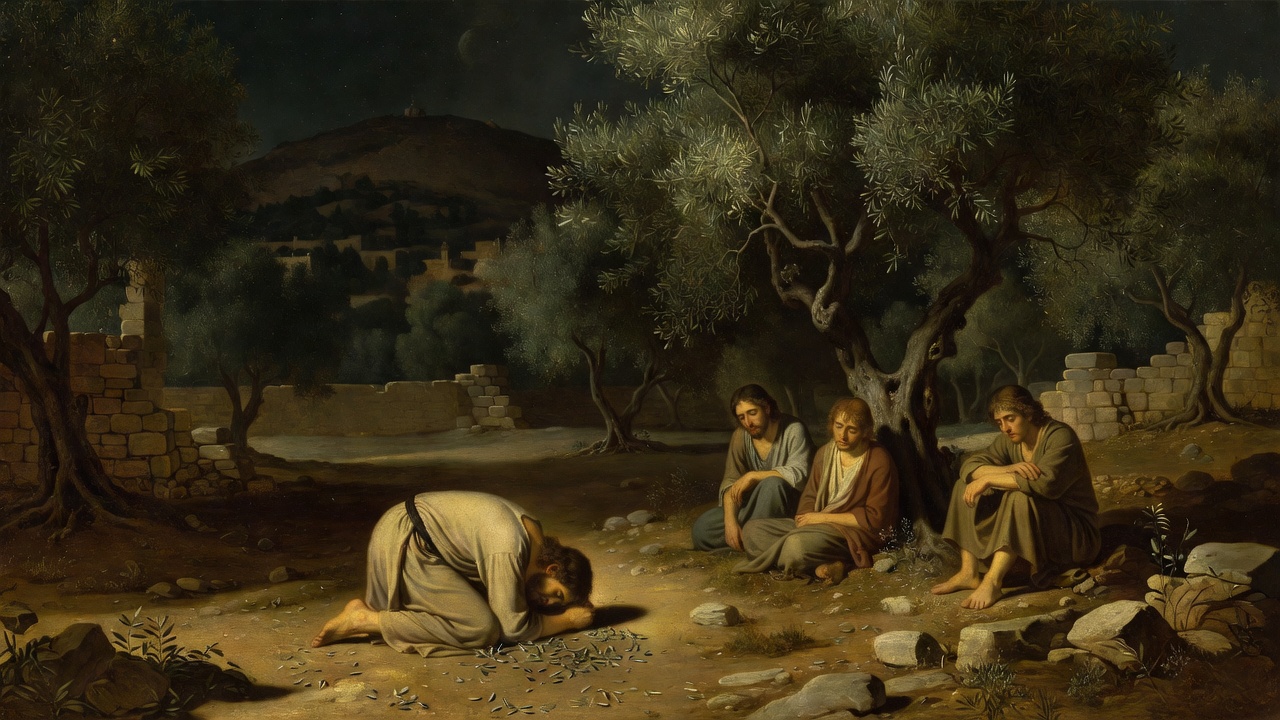
Jizọsị E Mẹ Ekpere Imẹ Ụgba Gẹsẹmani
36'Ya Jizọsị lẹ ụmụ-azụụn a nọ si ebe w'a kpọ Gẹsẹmani. Ọ nọ sị ụmụ-azụụn a, “Nọdị nị alị ebeni nị m jẹnzụka d'e mẹ ekpere.” 37Ọ nọ weri Pita lẹ ụmụ Zẹbẹdi ẹbụọ, ọ nọ sụkụrụma, obi nọ ferimẹ ẹ. 38'Ya ọ nọ sị wẹ, “Obi e d'a gbawapụ m; o d'e gbu m. Nọdị nị ebeni sọn m mụ ẹnya.”
39Ọ nọ jẹnshi ihun ẹkẹrẹ, tụha enwẹn ẹ ye alị, mẹ ekpere, sị, “Baba, omẹni ọ rị nfe, nị mkpu afụnfụnnị ghafe m; kanị, uche i y'a mẹ, ẹlẹ uche m.” 40Ọ nọ bịa d'e kunrun ụmụ-azụụn a; ọ hụn nị wẹ rị ụran, ọ nọ sị Pita, “'Ya wụ, ọnụ e ri-ẹka sọn m mụ ẹnya mgbahunmẹ ọkụlọkụ ohu? 41Mụ nị ẹnya, mẹ ni ekpere, amamgbe ụnụ a danye imẹ ọnwụnwan; ezioku-ezioku, mmọn ịhịan a chọghọ, kanị ndụn gụụ ẹhụ.”
42Ọ nọ pụzị nke mgbe ẹbụọ d'e mẹ ekpere, a sị, “Baba, omẹni mkpu afụnfụnnị asaẹka ghafe bụ aranị m'a, uche i 'ya mẹ.” 43Ọ nọ bịazị ebe wẹ rị, hụn wẹ kẹ wẹ rị ụran, makẹlẹ ẹnya wẹ a nyịntọgụọ.
44Ọ nọ lazị wẹ tọ, pụ d'e mẹ ekpere nke mgbe ẹtọ, e kuzikwọ ihiẹn ohu hụ. 45'Ya ọ nọ bịa d'e kunrun ụmụ-azụụn a, sị wẹ, “Ụnụ rịkwọ ụran, e zuru ikẹn? Lee n'ẹ, ogẹn hụ e rugụọ—e we wẹ Nwa nke Ịhịan ye ndị njọ. 46Lihi ni nị ẹnyi jẹnmẹ. Lee n'ẹ, onyẹ rị e reni m a bịagụọ.”
A Nwụnrụn Wẹ Jizọsị
47Jizọsị rịkwọ e ku okuni, kẹ Judasị hụn wụ onyẹ ohu imẹ ụmụ-azụụn a mmẹbụọ bịa. Judasị lẹ igunrun hi-ogbe wị—wẹ bu ọpịa-agha lẹ ẹgbe. Ndị-isi nchụ-ẹjan lẹ ndị-isi zihẹ wẹ. 48Onyẹ hụn rị e ren'ẹ gwa wẹ ihiẹn wẹ sikọ d'e gi marịn Jesu. Ọ sị, “Onyẹ m jẹnkọ d'e gi isu-ọnụ kele, 'ya wụ onyẹ hụ, nwụnrụn n'a.” 49Ọ nọ bịa d'e kunrun Jizọsị ozigbo, sị, “Ụwa-ọma, Onyẹ-nkuzi!” Ọ nọ su ẹ ọnụ. 50Jizọsị nọ sị a, “Di-ẹnyi, mẹ ihiẹn i bịa d'e mẹ!” 'Ya wẹ nọ kwọndọn Jizọsị, nwụnrụn a. 51Ozigbo, onyẹ ohu imẹ ndị wẹ lẹ Jizọsị wị nọ tịnpụ ẹka, sepụha ọpịa-agha a, banpụ odibo onyẹ-isi nchụ-ẹjan ntịn. 52'Ya Jizọsị nọ sị a, “Wekin ọpịa-agha ị azụụn, makẹni ndị ile e bu ọpịa-agha, sikọ d'a gha ọpịa-agha nwụn. 53I ro ni asa m ẹka rịọ Nẹdi m, o zihẹ ni m ihiẹn karị igunrun ndị mmọn-ozi agha mmẹbụọ ozigbo? 54Kanị, m mẹ ẹrịra, nanị kẹ wẹ jẹnkọ d'e gi mẹzu ihiẹn ndị rị imẹ Ẹhụhụọ-nsọ hụn ku n'o jẹnkọ d'a rị ẹnịna?”
55Ogẹn hụ kẹ Jizọsị gi sị igunrun hụ, “Ụnụ gi ọpịa-agha lẹ ẹgbe bịa d'a nwụnrụn m nọkẹ sị m wụ onyẹ-ohin? Ụhụọhịn ile m'a nọdị alị imẹ Ụlọ-nsọ a kuzi, ọnụ a nwụnrụn nị m. 56Kanị, ihiẹn ndịnị ile rị nwan e mẹ kẹni ihiẹn ndị-amụma ku imẹ Ẹkụkwọ-nsọ mẹzu.” 'Ya ụmụ-azụụn a ile nọ na a tọ, gbama ọsọ.
E We Wẹ Jizọsị Si Ọgwa Kayafasị, Onyẹ-isi Nchụ-ẹjan
57'Ya ndị nwụnrụn Jizọsị nọ we ẹ jẹnni Kayafasị wụ onyẹ-isi nchụ-ẹjan imẹ ọgwa a, ebe ndị-nkuzi Iwu lẹ ndị-isi gbakikomẹ. 58Kanị Pita sọnkọ a d'e ru ọgwa onyẹ-isi nchụ-ẹjan, bụ ẹgbata wẹ te e te. Ya Pita nọ banye, sọn ndị-nche nọdị alị kẹni ọ hụn njẹndemẹ ihiẹnni.
59Ogẹnni, ndị-isi nchụ-ẹjan lẹ Ndị-isi Nkịkwama ile hụ a chọ ihiẹn w'e gi buokin Jizọsị ọnụ kẹni wẹ gbu ẹ; 60kanị, ahụnnị wẹ, ọsụọn'a nị ndị ọshẹri-ntụ pụhanị bu ọda. Omẹgụụ, mmadụ ẹbụọ nọ nwan pụha, 61sị, “Onyẹni sị, ‘M jẹnkọ d'a saẹka tikpọ Ụlọ-nsọ Osolobuẹ, gi akpụ-ụhụọhịn ẹtọ tụnkin ẹ.’ ” 62'Ya onyẹ-isi nchụ-ẹjan nọ lihi, sị, “Y'e nwọn ihiẹn i jẹnkọ d'a shịarị? Kị wụ ihiẹn ndịnị wẹ rị a sị nị 'ya k'i mẹ?” 63Kanị, Jizọsị ekuni ihiẹn ọwụlẹ. Onyẹ-isi nchụ-ẹjan nọ sị a, “E gi m ẹfan Osolobuẹ hụn rị ndụn sị ị gwa ẹnyi mbụnị ịyụ wụ Kraịstị, Nwa Osolobuẹ.”
64Jizọsị nọ sị a, “'Yụ ku ẹ. M rị nwan a gwa ụnụ ile nị ogẹnni ghafegụụ, ụnụ sikọ d'a hụndẹ Nwa nke Ịhịan ebe ọ nọdị alị ẹka-nni Osolobuẹ, Onyẹ hụn nwọn ikẹn ile, hụnzịkwọ a k'ọ rị elu orukpu o gi lala.”
65'Ya onyẹ-isi nchụ-ẹjan nọ tika ẹfẹ hụn 'ya lẹ enwẹn ẹ wụ onyẹ-isi nchụ-ẹjan yi, sị, “O kuọlẹ arụ! Kị ẹnyi rị a chọzịnị ndị ọshẹri? Ọnụ a nụgụọ nwan arụnị o ku! 66Kịnị kẹ ụnụ ro?” Wẹ nọ za, sị, “Ikpe a maọl'a, o jẹnkọ d'a nwụn!” 67Wẹ nọ jụ a ẹsọn ihun, fịan a ihiẹn, ndị hụ imẹ wẹ nọ ma a ọra, 68sị, “Ịyụ hụn sị nị ị wụ Kraịstị, Onyẹ hụ Osolobuẹ Tumẹ, bu amụma n'ị gwa ẹnyi onyẹ fịan ị ihiẹn?”
Pita A Ghọrị N'ọ Marịn Jizọsị
69Ogẹnni, Pita nọdị alị ezi ọgwa, 'ya nwa-agbọọ wụ odibo nọ bịa d'e kunrun ẹ, sị a, “Ịyụ lẹ Jizọsị onyẹ Galili wịzịkwọ.” 70Kanị, ọ nọ ghọrị id'ẹnya wẹ ile, sị, “Amarịn m ihiẹn ị rị e ku.”
71Ogẹn o gi si ebe wẹ gha a banye ezi-ọgwa hụ, nwa-agbọọ ọzọ wụ odibo nọ hụn a, sị ndị turu ebẹhụ, “Onyẹni lẹ Jizọsị onyẹ Nazarẹtị wị.” 72Ọ nọ ghọrịzị, kundẹ Osolobuẹ, sị, “Amarịndẹ m okẹnnyẹ hụ!”
73Ọ nọbezi ẹkẹrẹ, ndị turu ebahụn nọ bịa d'e kunrun Pita, sị a, “Ị wụ onyẹ ohu imẹ wẹ nke-esi, asụsụ ị e sepụhagụọ ị.” 74'Ya Pita nọ kunmẹ Osolobuẹ, sị, “Amarịndẹ m okẹnnyẹ hụ.” Ozigbo hụ, ọkpa nọ kwan. 75Ya Pita nọ nyanhan oku Jizọsị ku, nị, “Ọkpa gini d'a kwan, i jẹnkọ d'a ghọrị mgbe ẹtọ nị y'a marịn m.” Ọ nọ shi ezi d'a kwan ezigbo ẹkwan.
Did you know?
From the plot to the arrest
- The chief priests and elders assembled in the courtyard of Caiaphas to plan a secret arrest. Easton's Bible Dictionary (1897) identifies him as high priest from A.D. 27 to 36, throughout Pilate's administration, and as a Sadducee whose wife was the daughter of Annas, a former high priest. They agreed not to act during the feast, for fear of a riot among the people.Sources: Caiaphas · the Bible text itself
- The anointing took place in Bethany, a village on the southeastern slope of the Mount of Olives, about two miles east of Jerusalem on the road to Jericho; its name is linked to the palm trees that grew there. Jesus was in the home of Simon, a leper of Bethany, when a woman poured expensive perfume on his head as he reclined at the table.Sources: Bethany · Simon · the Bible text itself
- After they had sung a hymn, Jesus and the disciples went out to the Mount of Olives, a ridge east of Jerusalem, named for the olive trees on its slopes and separated from the city by the Kidron valley. Gethsemane, an olive-yard at the foot of that ridge, means “oil-press”; it was a place to which Jesus was accustomed to withdraw with his disciples.Sources: Gethsemane · Mount of Olives · the Bible text itself
Notes written with AI assistance from open sources (Theographic Bible Metadata, CC BY-SA 4.0; Easton’s Bible Dictionary, public domain) and reviewed before publishing.
Places in this chapter
- Mount of Olives · 31.778, 35.246 · verse 30
- Galilee · 32.760, 35.527 · verses 32, 69
- Gethsemane · 31.779, 35.239 · verse 36
- Nazareth · 32.702, 35.298 · verse 71
Only places identified with high confidence are shown (90% or more according to the scholarly sources compiled by OpenBible). Period map: DARE (Digital Atlas of the Roman Empire), CC BY 4.0; modern map: © OpenStreetMap contributors; places: OpenBible.info (CC BY 4.0).
Credits and license for this translation
Elu Ọhụn: Ẹkụkwọ-Nsọ (Azụụn Ọhụn rịn'a)
Revision of New Testament in Ika
copyright © 2010 Wycliffe
Language: Ika
Translation by: Wycliffe
Ika (ikk) Nigeria
In Nigeria the word Ika is not only the name of the Ika
people, but is also used to designate a local government area in the Akwa Ibom
State. The Ika people are a sub group of the Igbo people. It is interesting to note
that Ika is the name of a town in Croatia is one of the eight Annang local
government areas of the local government areas in Akwa Ibom State. An alternative
name for the Ika people is Ika-Annang. There appears to be another dialect of Ika
that is spoken in Delta State of Nigeria.
Copyright Information
© 2010, Wycliffe. All rights reserved.
This translation text is made available to you under the terms of the Creative
Commons License: Attribution-Noncommercial-No Derivative Works. ( http://creativecommons.org/licenses/by-nc-nd/3.0/ ) In addition, you have
permission to port the text to different file formats, as long as you do not change
any of the text or punctuation of the Bible.
You may share, copy, distribute, transmit, and extract portions or quotations from
this work, provided that you include the above copyright information:
You must give Attribution to the work.
You do not sell this work for a profit.
You do not make any derivative works that change any of the actual words or
punctuation of the Scriptures.
Permissions beyond the scope of this license may be available if you contact us
with your request.
Printed book ISBN 9789789037056
Revision
The New Testament
in Ika
© 2010, Wycliffe. All rights
reserved.
This translation is made available to you under the terms of the
Creative Commons Attribution-Noncommercial-No Derivatives license 4.0.
You may share and redistribute this Bible translation or extracts from it in any format, provided that:
You include the above copyright and source information.
You do not sell this work for a profit.
You do not change any of the words or punctuation of the Scriptures.
Pictures included with Scriptures and other documents on this site are licensed just for use with those Scriptures and documents.
For other uses, please contact the respective copyright owners.
2019-08-09
Source: http://ebible.org/ikkNT/ · eBible.org