Matthew 10
Elu Ọhụn: Ẹkụkwọ-Nsọ (Azụụn Ọhụn rịn'a) · Tap a verse to see its cross-references.
Ndị-ozi Mmẹbụọ Pụ-ichẹn
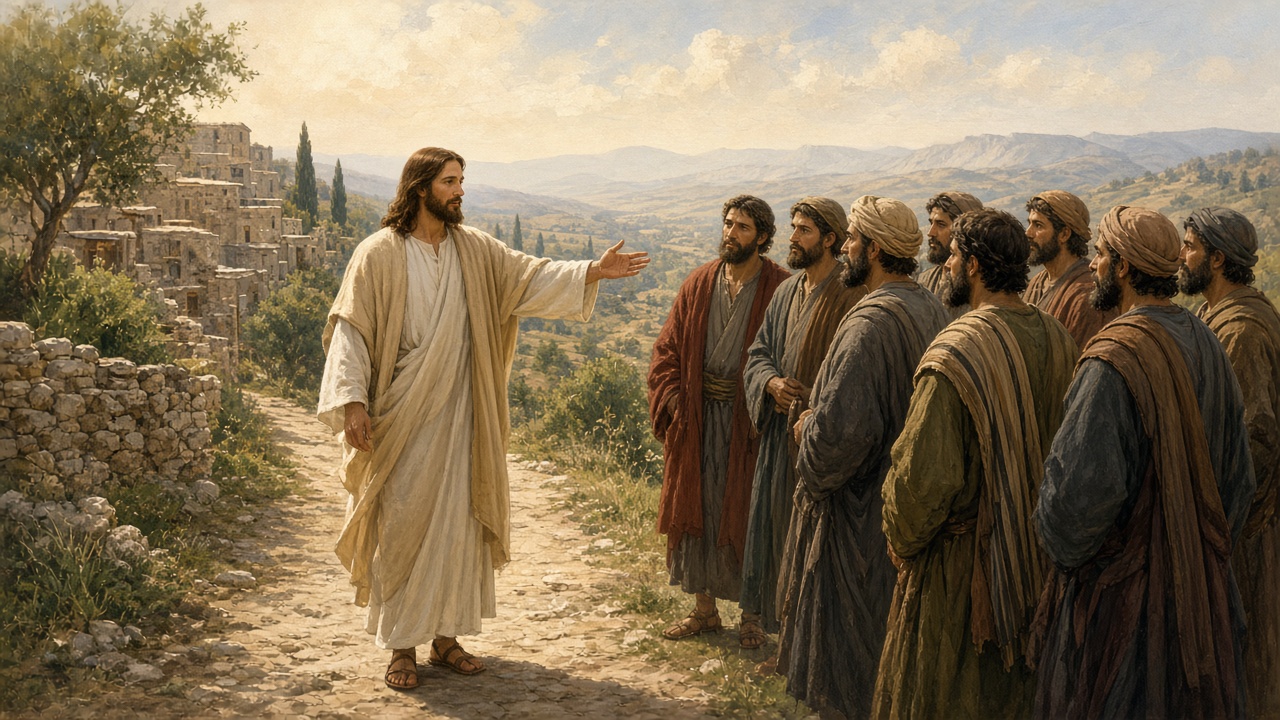
1Jizọsị nọ kpọ ụmụ-azụụn a mmẹbụọ, ye wẹ ikẹn w'e gi chụpụ eje-mmọn lẹ ikẹn w'e gi zụọ ụdị emu ile lẹ ọrịa ile. 2Ndịnị wụ ẹfan ndị-ozi hụ pụ-ichẹn mmẹbụọ, ndị apọstụ mmẹbụọ: ndị ibuzọ wụ Saịmọnụ hụn w'a kpọ Pita nị Andụrụ nwẹnẹ ẹ; Jemisi nwa Zẹbẹdi lẹ Jọnụ nwẹnẹ ẹ; 3ndị ọzọ wụ Filipu lẹ Batolomi; Tamọsị nị Matiu (Matiu hụn e te na ụgwọ-isi); Jemisi nwa Alịfịọsị lẹ Tadịọsị; 4Saịmọnụ hụn te rị ndị gi ẹka-ikẹn e mẹ ni wẹ chụpụ ndị Rom rị a kị alị wẹ; onyẹ ọzọ wụ Judas' Iskarọtụ hụn ren'ẹ ogẹn ikpazụụn.
Ọrụn Mmadụ Mmẹbụọ Hụ
5Jizọsị nọ zipụ mmadụ mmẹbụọnị, sị wẹ, “Ejẹnkwọlẹ ni d'e kunrun ndị wụlẹni ndị Ju; abanyekwọlẹ ni obodo ndị alị Samerịa ọwụlẹ. 6Kanị, jẹnmẹ ni d'e kunrun ndị Izrẹlụ, atụnrụn Osolobuẹ huni. 7Ọnụ jẹnkọnị, e zi ni oziọma, a sị, ‘Alị-eze elu-igwee a rịgụọ nsue.’ 8Zụọ nị ndị emu rị a kụ, kpọtiẹn ni ndị nwụnnị, zụọ nị ndị oti—kẹni wẹ rị ọchan, chụpụ nị eje-mmọn. Ụnụ nwọnhẹn ẹ ọfẹ, ye n'ẹ ọfẹ. 9Ewerilẹ ni ego ọwụlẹ. 10Ebulẹ ni ẹkpa; ewerilẹ ni ẹwuru mọbụ akp'ọkụ ọzọ che ni hụn ụnụ yi; ewerilẹ ni ọkpọ. Makẹni, o furu ni wẹ ye ndị-ọrụn ihiẹn wẹ gi e bi.”
11“Obodo ọwụlẹ ọnụ banye, kẹ hụn shịa ẹfọ kẹ hụn shịalẹni, chọrị nị onyẹ furuni. Nọdị nị iwe ẹ d'e ru ogẹn ụnụ e gi gha obodo ahụn pụ. 12Ọnụ gha a banye imẹ ụlọ hụ, kele ni wẹ. 13Omẹni ndị rị ụlọ hụ e furughọ nke-esi, udọn hụ ụnụ kele a rị nị wẹ; kanị omẹni efuruni wẹ, udọn ụnụ e kinhẹnni ụnụ azụụn. 14Onyẹ ọwụlẹ mọbụ obodo ọwụlẹ nabanhanlẹni ọnụ mọbụ jụ n'o gọnkọ ozi ụnụ ntịn, ụnụ pụkọnị iwe onyẹ hụ mọbụ obodo hụ, tichanpụ nị ẹjan rị ọnụ ọkụ tọ n'a. 15Ezioku kẹ m rị a gwa ụnụ, o sikọ d'a ka obodo hụ njọ karị alị Sodom-lẹ-Gomora Ụhụọhịn Ichin-ikpe.”
Ukpokpo Hụn Lalanị
16“Lee n'ẹ, m rị e zipụ ọnụ nọkẹ ebe wẹ nọ zi atụnrụn jẹn ebe ẹwọrọ rị. E gi ni akọ e bi, rịkẹ agwọ, ka rị nị kẹ nduru hụn ghalẹni a rụ onyẹ ọwụlẹ ẹhụ. 17Kpachanpụ nị ẹnya ebe ịhịan rị, makẹni wẹ jẹnkọ d'e wejẹn ọnụ ọgwa rị ichẹn-ichẹn, fịan ụnụ mkpịnsịn imẹ ụlọ-ofufe wẹ. 18Wẹ sikọ d'e gi ufiri m dọkpụn ọnụ jẹnni ndị Gọvanọ lẹ ndị-nze, ọnwan jẹnkọ d'e mẹ kẹni ụnụ shịa nị m ẹri id'ẹnya wẹ lẹ id'ẹnya ndị alị ndị ọzọ ile wụlẹni ndị Ju. 19Kanị ogẹn w'e gi we ọnụ ye wẹ, ehuelẹ ni uhue banyeni ihiẹn ụnụ jẹnkọ d'e ku mọbụ kẹ ụnụ a dọn ku ẹ, makẹni ụnụ jẹnkọ d'e nwọnhẹn ihiẹn ụnụ jẹnkọ d'e ku ozigbo hụ. 20Makẹni ẹlẹ ụnụ jẹnkọ d'e ku, kama, Mmọn Nẹdi ọnụ jẹnkọ d'e gi ụnụ ku.”
21“Umunẹ jẹnkọ d'e we umunẹ wẹ ye wẹ gbu; ndị nẹdi jẹnkọ d'e we ụmụ wẹ ye wẹ gbu; ụmụ jẹnkọ d'e bunụmanị ndị mụnị wẹ, mẹ wẹ gbu wẹ. 22Ize ụnụ jẹnkọ d'a ban ịhịan ile makẹ ufiri ẹfan m, kanị onyẹ hụn din ndidi d'e ru njẹndemẹ jẹnkọ d'e nwẹ nzụọpụha. 23Wẹ kpokpo ọnụ imẹ obodo ohu, gbasi ni hụn sọnn'ẹ. M rị a gwa ụnụ ezioku nị ụnụ gini d'e jẹnchanrịngụụ obodo ile rị Izrẹlụ, Nwa nke Ịhịan sikọ d'a bịa.
24Onyẹ wẹ rị a zụn ara karị onyẹ rị a zụnn'a, odibo ara karị nna a. 25Ọ hụghọ mma nị onyẹ wẹ rị azụn rị kẹ onyẹ rị a zụnn'a lẹ ni odibo rị kẹ nna a. Ọwụlẹ wẹ kpọ nna hụn nwọn ụlọ ‘Bẹzibọ’ (onyẹ-isi eje-mmọn ile), kị wẹ jẹnkọ d'a kpọ ndị ụlọ a?”
Onyẹ Hụn Furu W'a Tụ Egun Ẹ
26“Ya wụ, atụlẹ ni nwan egun wẹ. Makẹni o nwọnni ihiẹn kpumẹni hụn jẹnkọlẹni d'e kpupụ, mọbụ hụn zuerini hụn jẹnkọlẹni d'a wa. 27Ihiẹn m gwa ọnụ imẹ ishi, ku n'ẹ ifọnrin-ifọn; ihiẹn wẹ kagwa ụnụ, gi n'ẹ yi oro elu ụlọ. Elu ụlọ|src="hk00233B.jpg" size="span" loc="MAT 10" copy="Horace Knowles; The British & Foreign Bible Society" ref="10.27" 28Atụlẹ ni egun ndị hụn sikọ d'a saẹka gbu ẹhụ bụ a sa wẹ ẹka gbu umẹ-ndụn; ka tụ nị egun onyẹ hụ sikọ d'a saẹka tikpọ kẹ umẹ-ndụn kẹ ẹhịụ imẹ ọkụn-mmọn. 29Ẹlẹ ẹbụọ ịkọbọ kẹ w'e re achụ? Kanị o nwọnni achụ ohu hụn sikọ d'a dan alị omẹni Nẹdi ụnụ a nị n'a dan. 30Kẹ ntutu rị ụnụ isi, wẹ gụn wẹ a gụn. 31Ya wụ, atụlẹ nị nwan egun, ọnụ ka mkpa a rị karịdẹ achụ bu ọda.”
Ikupụ A N'ị Wụ Nke Kraịstị Lẹ Ịghọrị Nị Y'ẹlẹ Nke Ẹ
32“Ya wụ, onyẹ ọwụlẹ nọ id'ẹnya ịhịan kupụ a n'ọ wụ nke m, 'ya kẹ m jẹnkọ d'a nọ id'ẹnya Nẹdi m hụn rị elu-igwee kuzikwọ a n'ọ wụ nke m. 33Kanị onyẹ ọwụlẹ nọ id'ẹnya ịhịan ghọrị, sị n'ọ marịn m, m jẹnkọ d'a nọ id'ẹnya Nẹdi m hụn rị elu-igwee sịzịkwọ nị a marịn m'a.”
Ẹlẹ Udọn Kanị Ọpịa-agha
34“Erokwọlẹ ni nị m bịa d'e mẹ ịhịan ile hẹnrin ohu elu ụwa? Mba, ezioku kẹ m rị a gwa ụnụ, ẹlẹ ịrị-ohu kanị ọpịa-agha hụn e kebeni. 35Makẹni m bịa d'e kebe okẹnnyẹ lẹ nẹdi ẹ, okpoho lẹ nnẹ ẹ, nwunyẹ-nwa lẹ nnẹ-di ẹ. 36Ndị ụlọ ịhịan jẹnkọ d'a wụ eje-iṅẹnrẹn wẹ.”
37“Onyẹ ọwụlẹ ihiẹn nẹdi ẹ mọbụ nnẹ ẹ ka a sụọ karị kẹ ihiẹn m dọn a sụọ a efuruni onyẹ sikọ d'e sọnni m; onyẹ ihiẹn nwa-a-okẹnnyẹ mọbụ nwa-a-okpoho ka a sụọ karị kẹ ihiẹn m dọn a sụọ a efuruni onyẹ sikọ d'e sọnni m. 38Onyẹ ọwụlẹ hụn burulẹni obe ẹ sọnmẹ m e furuni onyẹ jẹnkọ d'e sọn ni m. 39Onyẹ ọwụlẹ chọ n'ọ ghe isi ẹ, isi ẹ a tọ, kanị onyẹ hụn tuhu ndụn a makẹ ufiri m jẹnkọ d'a hụn a.”
Ụgwọ-ọrụn Ndị-ozi Jesu Lẹ Ndị Nabanhannị Wẹ
40“Onyẹ ọwụlẹ nabanhan ụnụ, nabanhan m; onyẹ hụn nabanhan nị m nabanhan onyẹ zihẹni m. 41Onyẹ ọwụlẹ hụn nabanhan onyẹ-amụma makẹni ọ wụ onyẹ-amụma jẹnkọ d'e nwọnhẹn ụgwọ-ọrụn onyẹ-amụma; onyẹ ọwụlẹ hụn nabanhan onyẹ hụn e bi kẹ Osolobuẹ chọ makẹni o bi kẹ Osolobuẹ chọ jẹnkọ d'e nwọnhẹn ụgwọ-ọrụn onyẹ e bi kẹ Osolobuẹ chọ. 42Onyẹ ọwụlẹ ye onyẹ ohu imẹ ndịnị mẹ ẹkẹrẹ mkpu mirin-oyi ohudẹ makẹni ọ wụ nwa-azụụn m, m rị a gwa ụnụ ezioku, ụgwọ-ọrụn onyẹ hụ etuhukọ.”
Did you know?
The Twelve Sent on Mission
- Simon, called Peter, and his brother Andrew—the first pair named among the twelve—were fishermen from Bethsaida, on the western coast of the Sea of Galilee. James and John, listed next, were sons of Zebedee, a Galilean fisherman who had his own boats and hired servants.Sources: the Bible text itself · Simon Peter · Andrew · Zebedee
- Matthew, identified in the list as the tax collector, was the son of Alphaeus and had formerly been known as Levi; he collected taxes at Capernaum, and the name Matthew means “gift of God.” Thomas, named beside him, was also called Didymus, the Greek equivalent of the Hebrew name, meaning “twin.” Bartholomew means “son of Tolmai” and is generally supposed to have been the same person as Nathanael.Sources: the Bible text itself · Matthew · Thomas · Bartholomew
- Jesus warns that the day of judgment will be more bearable for Sodom and Gomorrah than for a town that refuses the twelve apostles. Easton's Bible Dictionary (1897) describes those cities of the plain of Siddim as destroyed by fire and proverbial for wickedness, and places them, probably close together, near the northern end of what is now the Dead Sea.Sources: the Bible text itself · Sodom · Gomorrah
Notes written with AI assistance from open sources (Theographic Bible Metadata, CC BY-SA 4.0; Easton’s Bible Dictionary, public domain) and reviewed before publishing.
Credits and license for this translation
Elu Ọhụn: Ẹkụkwọ-Nsọ (Azụụn Ọhụn rịn'a)
Revision of New Testament in Ika
copyright © 2010 Wycliffe
Language: Ika
Translation by: Wycliffe
Ika (ikk) Nigeria
In Nigeria the word Ika is not only the name of the Ika
people, but is also used to designate a local government area in the Akwa Ibom
State. The Ika people are a sub group of the Igbo people. It is interesting to note
that Ika is the name of a town in Croatia is one of the eight Annang local
government areas of the local government areas in Akwa Ibom State. An alternative
name for the Ika people is Ika-Annang. There appears to be another dialect of Ika
that is spoken in Delta State of Nigeria.
Copyright Information
© 2010, Wycliffe. All rights reserved.
This translation text is made available to you under the terms of the Creative
Commons License: Attribution-Noncommercial-No Derivative Works. ( http://creativecommons.org/licenses/by-nc-nd/3.0/ ) In addition, you have
permission to port the text to different file formats, as long as you do not change
any of the text or punctuation of the Bible.
You may share, copy, distribute, transmit, and extract portions or quotations from
this work, provided that you include the above copyright information:
You must give Attribution to the work.
You do not sell this work for a profit.
You do not make any derivative works that change any of the actual words or
punctuation of the Scriptures.
Permissions beyond the scope of this license may be available if you contact us
with your request.
Printed book ISBN 9789789037056
Revision
The New Testament
in Ika
© 2010, Wycliffe. All rights
reserved.
This translation is made available to you under the terms of the
Creative Commons Attribution-Noncommercial-No Derivatives license 4.0.
You may share and redistribute this Bible translation or extracts from it in any format, provided that:
You include the above copyright and source information.
You do not sell this work for a profit.
You do not change any of the words or punctuation of the Scriptures.
Pictures included with Scriptures and other documents on this site are licensed just for use with those Scriptures and documents.
For other uses, please contact the respective copyright owners.
2019-08-09
Source: http://ebible.org/ikkNT/ · eBible.org