Luke 16
Elu Ọhụn: Ẹkụkwọ-Nsọ (Azụụn Ọhụn rịn'a) · Tap a verse to see its cross-references.
Ilu Jesu Gi Onyẹ-nlepụ-ẹnya Nwẹ Akọ Ta
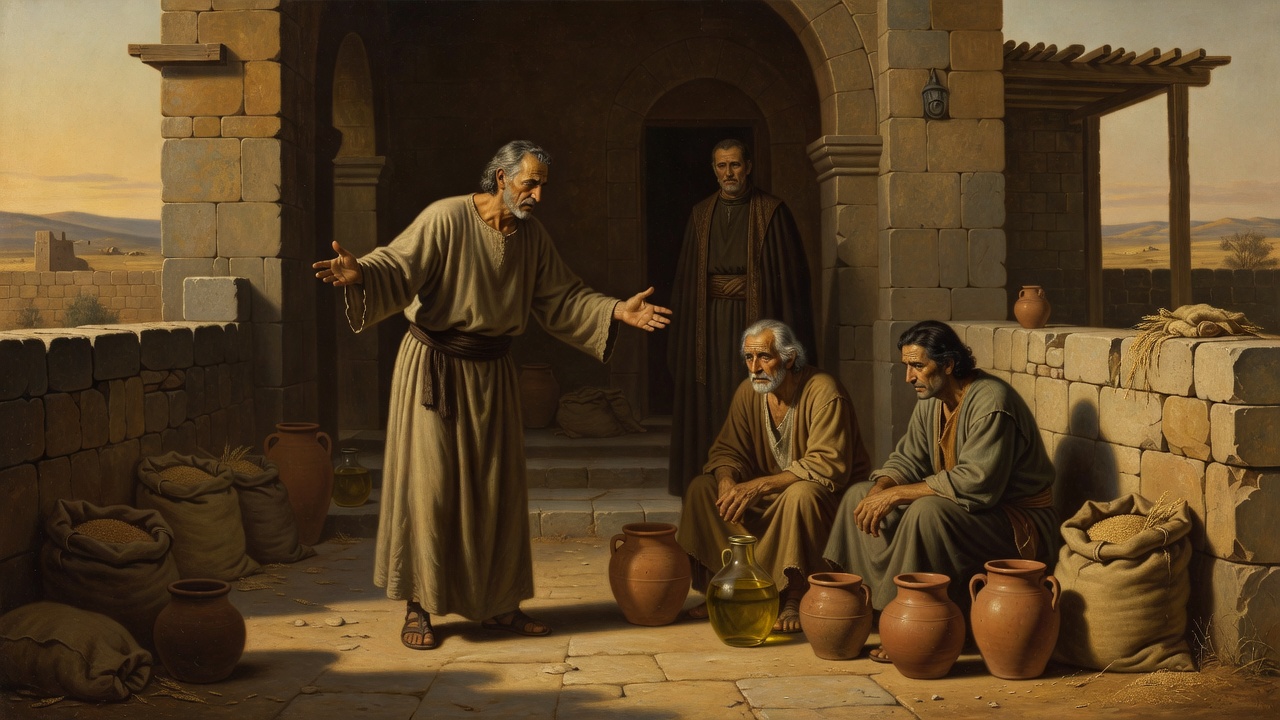
1Jizọsị nọzị sị ụmụ-azụụn a, “O nwọn ọdafịn ohu, hụn nwọn onyẹ e lepụn'a ihiẹn ẹ ẹnya. Ọdafịn hụ nọ nụma nị onyẹ hụ rị e lefụn'a ihiẹn ẹnya rị e ritịta ihiẹn ẹ. 2Ya ọ nọ kpọ a, sị a, ‘Kị wụ ihiẹnni m rị a nụ nị 'ya kẹ ị rị e mẹ? Kọwachanrịn nị m k'i dọn rụn—makẹni y'e lepụkọzị ihiẹn m ẹnya.’ 3Onyẹ nlepụ ẹnya hụ nọ sị enwẹn ẹ, ‘Hụnnị nna m jẹnkọ d'a chụ m nwan ọrụn, kịnị kẹ m jẹnkọ d'e mẹ? Enwẹ m ndụn m'e gi rụn ọrụn-ugbo, bụ ifẹnrẹn anịkọ m rịọ ụrịọ. 4A marịngụọ m nwan ihiẹn m jẹnkọ d'e mẹ, omẹni a chụ wẹ m ọrụn, kẹni m hụn ndị jẹnkọ d'a nabanhan m iwe wẹ.’
5'Ya ọ nọ kpọ ndị gi nna a ụgwọ ohu-ohu. Ọ nọ jụ onyẹ ibuzọ, sị, ‘Ole k'i gi nna m?’ 6Ọ nọ za, sị, ‘Galọnụ udẹn-olivu ọgụn-isẹn.’ Onyẹ-nlepụ-ẹnya hụ nọ sị a, ‘Lee ẹhụhụọ wẹ gi de ẹ ebeni. Nọdị alị, ẹjijẹi-ẹjijẹi, n'i dehutọ a si galọnụ iri-kwasị-ọgụnnaị.’ 7Ya ọ nọ jụzị hụn mẹ ẹ ẹbụọ, ‘Ole kẹ 'yụ nwẹn gi?’ Ọ nọ sị a, ‘Ẹkpa ọka-witi ọgụn-isẹn.’ Onyẹ-nlepụ-ẹnya hụ nọ sị a, ‘Lee ẹhụhụọ wẹ gi de ẹ ebeni, dehutọ a si ọgụn-ẹnọ.’ 8Ufiri ihiẹnni o mẹ, ọdafịn hụ nọ ja onyẹ-nlepụ-ẹnya hụ hụn furulẹni wẹ gi e dọn ẹnya mma—makẹ akọnị o nwọn. Ẹghẹẹ, makẹni ndị ụwanị ka ụmụ ukpẹ akọ e nwọn ebe wẹ n'e sọn ibe wẹ.”
9Jizọsị nọ sị, “M rị a gwa ị: gi akụ-lẹ-ụba ụwanị han ọwụ, omẹni ọ gụụ kẹni ị hụn onyẹ jẹnkọ d'a nabanhan ị iwe ẹ biri jẹnrin ejẹn.”
10“Onyẹ ọwụlẹ hụn furu wẹ gi e dọn ẹnya ebe ihiẹn mẹ ẹkẹrẹ rị furuzikwọ wẹ e gi dọn ẹnya ebe ihiẹn hi-ogbe rị; onyẹ ọwụlẹ hụn furulẹni ni wẹ gi ẹ dọn ẹnya ebe ihiẹn mẹ ẹkẹrẹ rị efurukọ wẹ e gi dọn ẹnya ebe ihiẹn hi-ogbe rị.”
11“Ọ mẹ nwan nị y'a ghọsịọlẹ nị y'e furuni wẹ gi e dọn ẹnya ebe akụ-lẹ-ụba ụwanị rị, onyẹ jẹnkọ d'e ye i ezigbo akụ-lẹ-ụba lepụ ẹnya?” 12“Omẹni y'e dọnmẹni ihiẹn onyẹ ọzọ ọhụnma, onyẹ jẹnkọ d'e ye i nke i?”
13“O nwọnni odibo jẹnkọ d'e ri-ẹka fe nna ẹbụọ; o jẹnkọ d'e ze ize ohu, nwẹ ihiẹn-ọsụsụọ hụn-ẹbọ mọbụ o wechanrịn enwẹn ẹ ye ohu, lelịa hụn-ẹbọ. Y'a sakọ ẹka fe Osolobuẹ lẹ egho.”
Jesu E Ku Banyeni Nkpẹchan Lẹ Ihiẹn Ndị Ọzọ
14Ogẹn ndị Itu-Farisi gi nụgụụ ihiẹnni ile, wẹ nọ ru Jesu imi, makẹni egho a sụọka wẹ.
15Kanị Jizọsị nọ sị wẹ, “Ụnụ wụ ndị hụn e mẹ kẹ sị ụnụ a rịka mma id'ẹnya ndị ọzọ, kanị, Osolobuẹ a marịngụọ obi ụnụ. Makẹni, ihiẹn hụn ịhịan weri n'ọ rịka mkpa wụ arụ ẹnya Osolobuẹ.”
16“Iwu Mozizi lẹ ihiẹn ndị-amụma de kẹ wẹ gi rụn ọrụn d'e ru ogẹn Jọnụ hụn e mẹ mirin-Chuku gi bidọn ọrụn a. Kete mgbe hụ, wẹ hụ e zi oziọma Alị-eze Osolobuẹ, ịhịan ile hụ e gi ikẹn a zụọ nị wẹ banye ẹ.”
17“Ọ ka nfe nị elu-igwee lẹ ụwa ghafe karị nị akpụ ihiẹn ohu rị imẹ Iwu a danpụ, ọ sụọ n'a ihiẹn kachanrịn ntịn wẹ kaye mkpụrụ-ẹkụkwọ rị imẹ Iwu.”
18“Okẹnnyẹ ọwụlẹ hụn kpechan nwunyẹ ẹ lụma okpoho ọzọ ghẹrẹ aghẹrẹ; okẹnnyẹ hụn lụma okpoho wẹ kpechan ghẹrẹ aghẹrẹ.”
Ọdafịn Hụ Lẹ Lazarọsị
19“O nwọn ọdafịn ohu, hụn e kọn ekikẹn ọdafịn, e ri kẹ eze ụhụọhịn ile.”
20“O nwọnzikwọ okẹnnyẹ ohu w'a kpọ Lazarọsị, ogbẹnnyẹ rọ, ẹtẹ jun ẹ ẹhụ a ile. W'e bu Lazarọsị a tọ ọnụ-mgbọn ọdafịn hụ ogẹn ile. 21Lazarọs' a chọdẹ n'o gi ifunfun ihiẹn-oriri hụn a dannahịn ọdafịn hụ ọ gha e ri ihiẹn-oriri gbọn ẹgụn. O ru, nkitẹ a bịadẹ d'a rachan ẹtẹ ndị hụ rị a ẹhụ.”
22“Omẹgụụ, ogbẹnnyẹ hụ nọ nwụnhụn, ndị mmọn-ozi nọ bu ẹ si ebe Ebraham rị. Ọdafịn hụ a nwụnhụnzịkwọ, wẹ nọ li ẹ. 23Imẹ alị-mmọn, ebe ọdafịn hụ rị a ta afụnfụn, o wesi ẹnya elu, ọ nọ gha ebe teni lecheni Ebraham, hụnzị Lazarọsị k'ọ nọdịyen'ẹ. 24'Ya ọ nọ kpọchen'ẹ, sị, ‘Nẹdi ẹnyi Ebraham! Mẹ omikẹn m zi Lazarọsị n'o gi ọnụnụ mkpịnsịn-ẹka a deri mirin tanye m ire kẹni ire hụn ụzọ jụụ m oyi, makẹlẹ m rị a ta okẹn afụnfụn imẹ ọkụnnị!’ ”
25“Ebraham nọ sị a, ‘Nwa m, nyanhan n'i nwẹhẹnchanrịn ihiẹn ile rị mma ogẹn i gi rị ndụn, bụ Lazarọsị nwẹhẹn ihiẹn ile jọ njọ. Kanị, ẹhụ fu ẹ nwan ebeni, bụ yụ nwẹn rị nwan a ta afụnfụn. 26Wezụkadẹ ihiẹn ndịnị ile, o nwọnzikwọ oghe shịagbu enwẹn ẹ wẹ dọnmẹ ẹgbata ẹnyi lẹ ụnụ, nke wụ nị onyẹ ọwụlẹ chọ n'ọ fetu shi ebe ụnụ rị asakọ ẹka, bụ o nwọnni onyẹ ọwụlẹ rị ebahụn jẹnkọ d'a saẹka fetu bịa ebe ẹnyi rị.’ 27'Ya ọdafịn hụ nọ sị a, ‘Baba dodo nwan, zi Lazarọsị jẹn iwe nẹdi m— 28nị m nwọn umunẹ ikẹnnyẹ isẹn. Y'a jẹn d'a dọ wẹ ẹka-ntịn makẹ wẹ gha a bịa ebeni afụnfụn rị.’ ”
29“Kanị, Ebraham nọ sị a, ‘E nwẹghọ wẹ Iwu Mozizi lẹ Ihiẹn ndị-amụma de; umunẹ i wẹ gọn wẹ ntịn.’ 30Ọdafịn hụ nọ sị a, ‘Mbakwọ nẹdi ẹnyi Ebraham, ọhụn ezuni! Kanị, omẹni onyẹ gha ọnwụn lihi jẹn d'e kunrun wẹ, wẹ jẹnkọ d'e rogharị.’ 31Kanị, Ebraham nọ sị a, ‘Omẹni egọnni wẹ Iwu Mozizi lẹ ihiẹn ndị-amụma de ntịn, ekwerikọ wẹ—ọsụọkwọn'a nị ịhịan gha ọnwụn lihi d'a gwa wẹ.’ ”
Did you know?
Wealth, two masters, and Lazarus
- In Jesus' words about the rich man and Lazarus, the rich man cries out, 'Father Abraham,' and Abraham answers, 'Child.' Easton's Bible Dictionary (1897) explains the name Abraham as 'Father of a multitude' and describes him as the heir of the promises.Sources: the Bible text itself · Abraham
- Speaking to Pharisees who were scoffing at him, Jesus says that the Law and the Prophets were proclaimed until John, and that since then the gospel of the kingdom of God is being preached. Easton's Bible Dictionary (1897) calls John the Baptist the 'forerunner of our Lord,' says that his mission was the subject of prophecy, including Isaiah 40:3 and Malachi 3:1, and states that his birth took place six months before that of Jesus.Sources: the Bible text itself · John the Baptist
- A manager accused of wasting his master's possessions is told to turn in an account and give up his position. He has the debtors rewrite their bills, reducing a hundred measures of olive oil to fifty and a hundred measures of wheat to eighty, and the master commends the dishonest manager because he had acted shrewdly. Jesus then says that no servant can serve two masters, and that no one can serve both God and money.Sources: the Bible text itself
Notes written with AI assistance from open sources (Theographic Bible Metadata, CC BY-SA 4.0; Easton’s Bible Dictionary, public domain) and reviewed before publishing.
Credits and license for this translation
Elu Ọhụn: Ẹkụkwọ-Nsọ (Azụụn Ọhụn rịn'a)
Revision of New Testament in Ika
copyright © 2010 Wycliffe
Language: Ika
Translation by: Wycliffe
Ika (ikk) Nigeria
In Nigeria the word Ika is not only the name of the Ika
people, but is also used to designate a local government area in the Akwa Ibom
State. The Ika people are a sub group of the Igbo people. It is interesting to note
that Ika is the name of a town in Croatia is one of the eight Annang local
government areas of the local government areas in Akwa Ibom State. An alternative
name for the Ika people is Ika-Annang. There appears to be another dialect of Ika
that is spoken in Delta State of Nigeria.
Copyright Information
© 2010, Wycliffe. All rights reserved.
This translation text is made available to you under the terms of the Creative
Commons License: Attribution-Noncommercial-No Derivative Works. ( http://creativecommons.org/licenses/by-nc-nd/3.0/ ) In addition, you have
permission to port the text to different file formats, as long as you do not change
any of the text or punctuation of the Bible.
You may share, copy, distribute, transmit, and extract portions or quotations from
this work, provided that you include the above copyright information:
You must give Attribution to the work.
You do not sell this work for a profit.
You do not make any derivative works that change any of the actual words or
punctuation of the Scriptures.
Permissions beyond the scope of this license may be available if you contact us
with your request.
Printed book ISBN 9789789037056
Revision
The New Testament
in Ika
© 2010, Wycliffe. All rights
reserved.
This translation is made available to you under the terms of the
Creative Commons Attribution-Noncommercial-No Derivatives license 4.0.
You may share and redistribute this Bible translation or extracts from it in any format, provided that:
You include the above copyright and source information.
You do not sell this work for a profit.
You do not change any of the words or punctuation of the Scriptures.
Pictures included with Scriptures and other documents on this site are licensed just for use with those Scriptures and documents.
For other uses, please contact the respective copyright owners.
2019-08-09
Source: http://ebible.org/ikkNT/ · eBible.org